Eco-Friendly Gas for Snow Blowers? Expert Tips for Sustainable Winter Maintenance
Winter weather demands reliable snow removal equipment, but traditional gasoline-powered snow blowers contribute significantly to carbon emissions and air pollution. As environmental consciousness grows, homeowners increasingly ask whether eco-friendly alternatives exist for their seasonal snow management needs. The answer is nuanced—while truly “eco-friendly gas” doesn’t exist in conventional form, several sustainable approaches can minimize your snow blower’s environmental impact while maintaining performance.
This comprehensive guide explores the reality of fuel options, maintenance practices, and alternative technologies that can help you make more environmentally responsible choices for winter yard care. Whether you’re committed to reducing your carbon footprint or simply curious about greener alternatives, understanding your options empowers you to make decisions aligned with your values and practical needs.
Understanding Traditional Gasoline and Its Environmental Impact
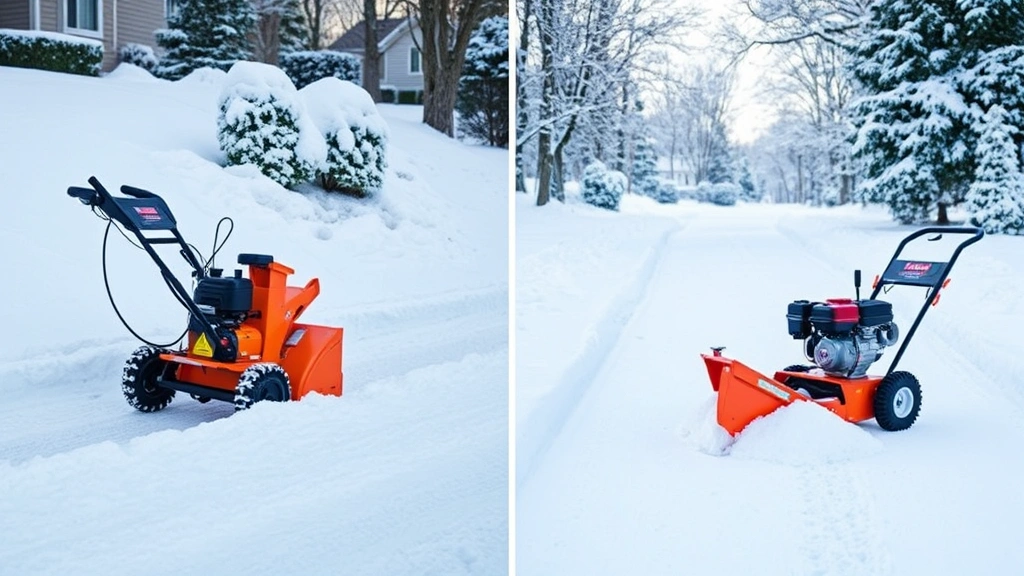
Conventional gasoline-powered snow blowers remain the most common choice for residential snow removal, yet they carry substantial environmental costs. When you operate a gas-powered snow blower, you’re burning fossil fuels that release carbon dioxide, nitrogen oxides, and particulate matter into the atmosphere. According to the EPA’s air quality guidelines, small engines like those in snow blowers emit significant pollutants relative to their size.
A single snow blower operating for just two hours produces emissions equivalent to driving a car for approximately 100 miles. This shocking statistic highlights why exploring sustainable alternatives matters, particularly in regions with frequent snowfall requiring multiple seasonal uses. The combustion process in traditional engines releases volatile organic compounds that contribute to ground-level ozone formation and respiratory health issues in surrounding communities.
Beyond air pollution, conventional gasoline requires extraction, refining, and transportation—each stage involving carbon emissions and potential environmental degradation. When you choose your gas in snow blower, you’re making a decision that extends far beyond your driveway into global supply chains and climate systems.
Ethanol-Blended Fuels: A Partial Solution
Ethanol-blended gasoline, commonly available as E10 (10% ethanol, 90% gasoline) or E15 (15% ethanol), represents a compromise between conventional fuel and true sustainability. Ethanol, derived from renewable corn sources, reduces net carbon emissions compared to pure gasoline because the crops absorb CO2 during growth. However, this benefit comes with important caveats that every snow blower owner should understand.
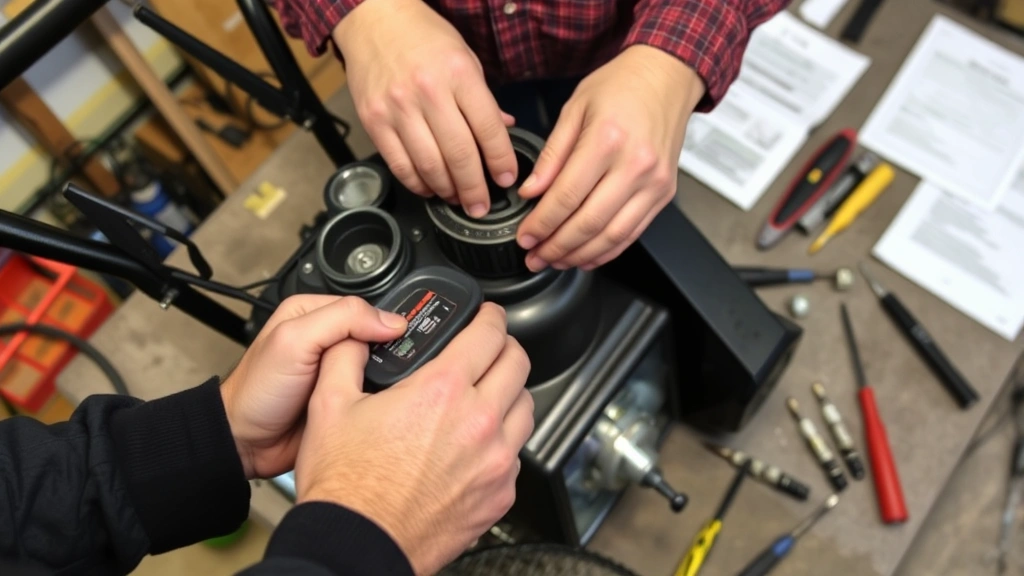
Most small engines, including those in snow blowers, are certified to run on E10 fuel without modification. The ethanol content burns cleaner and reduces some harmful emissions, making it a marginally greener choice than pure gasoline. However, ethanol-blended fuels absorb moisture more readily than conventional gas, which can cause fuel system corrosion and engine damage if equipment sits unused for extended periods—a common scenario with seasonal snow removal equipment.
When using ethanol-blended fuel for winter equipment, proper storage becomes critical. Add a fuel stabilizer before storing your snow blower at season’s end to prevent varnish buildup and water accumulation. The slight environmental benefit of ethanol blending must be weighed against increased maintenance requirements and potential equipment damage if not properly managed.
Higher ethanol blends like E85 (85% ethanol) are not recommended for snow blowers unless your specific model is certified for them, as they can cause significant engine problems in small equipment not designed to handle such concentrations.
Proper Fuel Selection and Storage
Regardless of which fuel type you choose, how you select and store it dramatically impacts both equipment longevity and environmental outcomes. Using the correct fuel grade and maintaining proper storage conditions reduces unnecessary equipment damage that leads to replacement and increased waste.
Always check your snow blower’s manual for recommended fuel specifications. Most residential models require regular unleaded gasoline with an octane rating of 87 or higher. Top-tier gasoline from major brand refineries contains more detergents that help keep fuel injectors and carburetor jets clean, reducing emissions and improving efficiency.
Storage practices directly affect environmental impact:
- Use sealed containers: Store fuel in approved metal or plastic cans that prevent evaporation and environmental contamination
- Keep fuel cool and dark: Store in shaded areas away from direct sunlight to prevent degradation
- Maintain inventory rotation: Use older fuel first to prevent long-term storage issues
- Never dispose improperly: Take used or excess fuel to hazardous waste facilities, never down drains or into soil
- Add stabilizers seasonally: Before winter storage, add quality fuel stabilizers to prevent oxidation
When you’re mindful about fuel storage, you’re preventing leaks that contaminate groundwater and soil—environmental consequences that extend far beyond your property boundaries.
Electric Snow Blowers as the Greenest Alternative
If environmental impact is your primary concern, electric alternatives represent the most sustainable path forward. Battery-powered snow blowers produce zero direct emissions, eliminate the need for fossil fuel extraction and refining, and operate significantly quieter than gas-powered models. Modern lithium-ion battery technology has advanced to make electric snow blowers practical for many residential applications.
Electric snow blowers offer several compelling advantages for eco-conscious homeowners:
- Zero tailpipe emissions and no greenhouse gas contributions
- Minimal maintenance requirements—no spark plugs, oil changes, or seasonal tune-ups
- Lower operating costs with electricity typically cheaper than gasoline per use
- Quieter operation that respects neighborhood noise standards
- Instant starting without pull-cords or warm-up periods
- Reduced noise pollution and air quality improvements in your community
The primary limitation of electric models involves battery runtime and clearing capacity. Most electric snow blowers work well for light to moderate snowfall on residential driveways but may struggle with heavy, wet snow or large properties. Battery range typically covers 30-45 minutes of continuous operation, sufficient for most homeowner needs during typical snow events.
Charging infrastructure matters when considering electric equipment. If you have reliable access to electricity and can charge overnight, electric snow blowers become highly practical. For those in regions with extremely heavy snowfall requiring extended clearing sessions, a hybrid approach using electric equipment for most storms and renting gas-powered equipment for major events balances environmental responsibility with practical needs.
Maintenance Practices That Reduce Emissions
Regardless of fuel type, proper maintenance is fundamental to minimizing environmental impact. A well-maintained snow blower operates more efficiently, produces fewer emissions, and lasts longer—all critical factors in sustainable equipment use. Neglected equipment becomes progressively less efficient and eventually requires replacement, generating significant waste.
Essential maintenance practices for emission reduction:
- Regular spark plug replacement: Worn spark plugs cause incomplete combustion and increased emissions
- Clean air filters: Dirty filters restrict airflow and reduce engine efficiency
- Proper oil levels: Check and change oil according to manufacturer specifications
- Carburetor cleaning: Buildup restricts fuel flow and increases emissions
- Seasonal tune-ups: Professional maintenance before winter ensures optimal performance
- Fuel system care: Use quality stabilizers and keep fuel lines clear of deposits
When you maintain your equipment diligently, you extend its operational lifespan significantly. Equipment that lasts 15 years instead of 8 years eliminates the manufacturing emissions associated with replacement units—a substantial environmental benefit often overlooked in sustainability discussions.
Consider connecting with local EPA resources on air quality to understand how your region’s emissions standards may affect equipment requirements and maintenance expectations.
Natural Gas Snow Blowers: A Middle Ground
Natural gas represents an alternative fuel option for snow blower enthusiasts seeking something between conventional gasoline and fully electric equipment. If you already utilize natural gas grills or natural gas fireplaces, extending this infrastructure to snow removal equipment creates operational efficiency.
Natural gas snow blowers offer moderate environmental advantages over gasoline:
- Reduced emissions compared to conventional gasoline engines
- Cleaner burning fuel with fewer particulates
- Stable fuel that doesn’t degrade during storage like gasoline
- Potential cost savings where natural gas pricing is favorable
- Integration with existing home energy systems
However, natural gas isn’t truly renewable, and it still contributes to carbon emissions, though less significantly than gasoline. The availability of natural gas-powered snow blowers is limited compared to electric or gasoline models, and equipment costs tend to be higher. Additionally, you’ll need reliable access to natural gas infrastructure, which limits practical applications for many homeowners.
Natural gas becomes most compelling for those already invested in gas-based home systems and seeking incremental environmental improvements while maintaining familiar equipment operation patterns.
Seasonal Fuel Management and Preparation
Strategic seasonal planning significantly impacts both environmental outcomes and equipment reliability. Preparing your equipment properly before winter and managing fuel thoughtfully throughout the season reduces waste and emissions.
Pre-season preparation checklist:
- Drain old fuel: Remove fuel from previous season that may have degraded
- Replace spark plugs: Fresh plugs improve combustion efficiency
- Change oil: Clean oil reduces friction and improves engine performance
- Inspect belts and pulleys: Worn components reduce efficiency
- Test battery and electrical: Ensure reliable starting without multiple attempts
- Clean or replace filters: Proper filtration improves fuel efficiency
Post-season storage protocols protect your investment and the environment:
- Run equipment until fuel tank is nearly empty to prevent stale fuel accumulation
- Add fuel stabilizer to remaining fuel to prevent oxidation
- Store in a dry, temperature-controlled location
- Cover equipment to prevent dust accumulation
- Disconnect spark plug wires to prevent accidental starting
- Document maintenance performed for reference next season
This diligent approach aligns with sustainable energy solutions philosophy—maximizing equipment lifespan and efficiency reduces the environmental burden of manufacturing replacements.
Explore green technology innovations to stay informed about emerging snow removal solutions that may become available for future equipment purchases.
Making Your Choice: A Sustainability Perspective
Choosing the right approach to snow blower fuel and operation requires balancing practical needs with environmental values. No single solution works perfectly for every situation, but informed decision-making significantly reduces your winter maintenance impact.
For those with light snowfall and smaller properties, electric snow blowers represent the most sustainable choice, eliminating emissions entirely while reducing maintenance burden. For homeowners in heavy-snow regions requiring extended clearing capabilities, optimizing conventional gasoline equipment through diligent maintenance and proper fuel selection provides meaningful environmental improvement.
Consider your specific circumstances:
- Climate zone: Light-snow regions favor electric; heavy-snow areas may require gas capability
- Property size: Larger properties benefit from gas-powered range; smaller yards suit electric well
- Budget constraints: Electric equipment costs more upfront but saves on fuel and maintenance
- Existing infrastructure: Natural gas access makes that option more practical
- Values alignment: Environmental priorities may outweigh convenience factors
Regardless of your choice, stay informed through sustainability resources about emerging technologies and best practices that can help you make progressively more eco-conscious decisions.
FAQ
Is ethanol-blended gasoline better for snow blowers?
Ethanol-blended fuel like E10 produces slightly fewer emissions than pure gasoline, but it absorbs moisture and can cause equipment damage during storage. For seasonal equipment, the maintenance risks may outweigh modest environmental benefits unless you use proper fuel stabilizers and storage practices.
Can I use premium gasoline in my snow blower?
Most residential snow blowers are designed for regular unleaded gasoline (87 octane). Premium fuel offers no performance advantage and wastes money. However, using top-tier gasoline with enhanced detergents from major brands improves engine cleanliness and efficiency, providing modest environmental and performance benefits.
How often should I change the oil in my snow blower?
Check your owner’s manual for specific recommendations, typically every 50-100 hours of operation or before seasonal storage. Regular oil changes keep your engine running efficiently, reduce emissions, and extend equipment lifespan—all critical sustainability factors.
Are electric snow blowers powerful enough for heavy snow?
Modern electric models handle light to moderate snowfall effectively. For heavy, wet snow or large properties, gas-powered equipment may be necessary. However, for typical residential driveways, electric snow blowers provide sufficient clearing capacity while offering zero emissions.
What’s the environmental impact of manufacturing electric snow blower batteries?
Battery manufacturing does involve environmental costs, primarily in mining and processing materials. However, over the equipment’s lifespan, the zero-emission operation of electric snow blowers significantly outweighs manufacturing impacts, creating net environmental benefits compared to gas-powered alternatives.
Can I recycle my old snow blower?
Yes, most snow blower components are recyclable. Contact local recycling centers or scrap metal facilities about proper disposal. Many communities have hazardous waste collection events where you can safely dispose of equipment containing fuel or oil.


