Gas Monkey Strain: Sustainable Cultivation Tips for Eco-Conscious Growers
The Gas Monkey strain has gained significant popularity among cultivators seeking a high-yield, potent variety with distinctive characteristics. However, like all agricultural endeavors, growing this strain responsibly requires understanding the environmental impact of cultivation practices. Whether you’re a small-scale home gardener or managing a larger operation, implementing sustainable practices to reduce your environmental footprint is essential for long-term viability and ecological responsibility.
Sustainable cultivation of the Gas Monkey strain goes beyond simply producing a quality product—it encompasses water conservation, energy efficiency, soil health, and waste reduction. This comprehensive guide explores practical strategies for growing this strain while minimizing environmental impact and maintaining profitability. By adopting these methods, cultivators contribute to a more sustainable agricultural future while optimizing their yields and product quality.
Understanding the Gas Monkey Strain
Gas Monkey is a hybrid strain known for its robust growth characteristics, resilience, and substantial yields. Understanding the strain’s specific requirements is the foundation for sustainable cultivation. This variety typically exhibits strong vegetative vigor, making it suitable for various growing methods from traditional soil cultivation to hydroponic and aeroponic systems. The strain’s genetic profile influences its nutrient demands, water requirements, and susceptibility to environmental stressors.
Before implementing any cultivation strategy, growers should research the strain’s phenotypic variations and environmental preferences. Different phenotypes may respond differently to light intensity, temperature ranges, and humidity levels. Documenting these responses through careful observation enables data-driven decision-making that optimizes resource use while maintaining quality. Many experienced cultivators maintain detailed growth journals tracking environmental variables and outcomes, creating a foundation for continuous improvement in sustainable practices.
The Gas Monkey strain’s popularity stems partly from its forgiving nature—it tolerates slight variations in environmental conditions better than some finicky varieties. This resilience actually supports sustainability goals by reducing the need for excessive environmental manipulation and resource consumption. Growers can work with the plant’s natural tendencies rather than fighting against them, leading to more efficient operations and lower ecological impact.
Energy-Efficient Lighting Systems
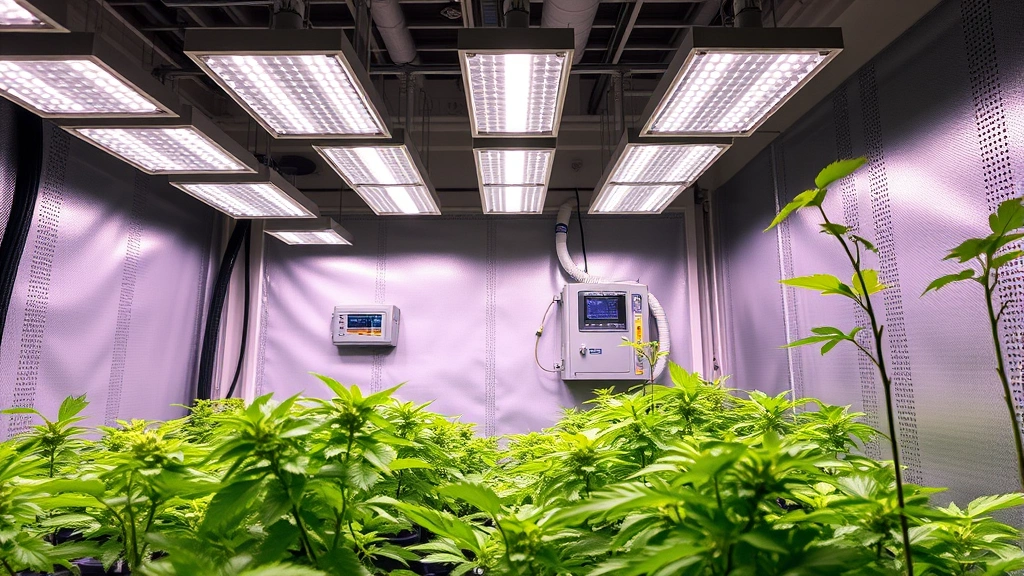
Lighting represents one of the largest energy expenditures in indoor cultivation. Transitioning from traditional high-intensity discharge (HID) bulbs to LED (light-emitting diode) technology can reduce energy consumption by 40-60% while maintaining or improving yields. LEDs generate less heat, requiring reduced cooling capacity, which creates a cascading efficiency benefit throughout the facility. For Gas Monkey cultivation, full-spectrum LEDs provide optimal light wavelengths for both vegetative and flowering phases.
When selecting LED systems, consider the following factors: photosynthetic photon flux density (PPFD), spectrum customization, and thermal management. Modern LED panels allow growers to adjust spectral output for different growth stages—emphasizing blue wavelengths during vegetative growth and shifting toward red during flowering. This spectral flexibility optimizes photosynthesis efficiency and can enhance the Gas Monkey strain’s natural characteristics, potentially improving terpene profiles and cannabinoid production.
Implementing smart lighting controls with timers, sensors, and automation systems further enhances efficiency. Photoperiod management is critical for the Gas Monkey strain—precise 12/12 light cycles during flowering prevent hermaphroditism and stress-related issues. Automated systems ensure consistency while allowing remote monitoring and adjustment. Installing occupancy sensors that dim lights in non-essential areas and using reflective materials to maximize light utilization reduces overall energy demands. Many facilities report 15-25% additional energy savings through optimized lighting management systems.
Key lighting efficiency measures:
- Upgrade to full-spectrum LED systems with 95+ lumens per watt efficiency
- Install programmable controllers for precise photoperiod management
- Use reflective materials (mylar, white paint) to maximize light distribution
- Implement light movers to increase coverage area and uniformity
- Regular cleaning of fixtures prevents 10-15% light loss from dust accumulation
Water Conservation Strategies
Water is increasingly precious, and cultivation operations must implement comprehensive conservation strategies. The Gas Monkey strain’s water requirements vary based on growth stage, environmental conditions, and growing medium. Implementing drip irrigation systems delivers water directly to root zones, reducing waste through evaporation and runoff by up to 50% compared to traditional watering methods. Drip systems also enable precise nutrient delivery, reducing fertilizer waste and environmental contamination.
Capturing and recycling irrigation runoff through closed-loop systems represents advanced water conservation. These systems collect excess nutrient solution, filter it, and recirculate it after pH and nutrient adjustments. While requiring initial investment in filtration and monitoring equipment, closed-loop systems reduce water consumption by 30-40% and significantly decrease nutrient waste. Regular water quality testing ensures that recycled solutions maintain optimal parameters for Gas Monkey cultivation.
Rainwater harvesting systems provide an excellent supplementary water source for cultivation facilities located in appropriate climates. Collecting roof runoff during rainy seasons reduces reliance on municipal water supplies or groundwater extraction. Proper filtration and storage prevent contamination while allowing seasonal water management. Some jurisdictions offer incentives or tax benefits for rainwater harvesting installations, improving the financial return on this sustainability investment.
Mulching growing media with organic materials reduces surface evaporation and maintains consistent soil moisture, decreasing watering frequency. For hydroponic systems, implementing humidity management through strategic ventilation reduces plant transpiration losses. Monitoring soil or growing medium moisture levels with sensors prevents both overwatering and underwatering, optimizing resource use throughout the cultivation cycle.
Soil Health and Nutrient Management
Sustainable cultivation begins with soil—the living ecosystem supporting plant growth. Rather than relying solely on synthetic fertilizers, building soil health through organic matter incorporation creates a resilient growing medium that requires fewer chemical inputs. For Gas Monkey cultivation, incorporating compost, aged manure, and other organic amendments improves soil structure, water retention, and microbial activity. Healthy soils with robust microbial communities enhance nutrient bioavailability, reducing the total nutrient application required.
Implementing cover cropping and crop rotation practices—where applicable—replenishes soil nutrients naturally. Legume cover crops fix atmospheric nitrogen, reducing synthetic nitrogen fertilizer requirements. When rotating crops in outdoor facilities, these practices significantly decrease environmental impact while improving long-term soil productivity. Even in controlled environments, incorporating organic amendments between cultivation cycles maintains soil vitality and supports the strain’s growth naturally.
Understanding the Gas Monkey strain’s specific nutrient requirements prevents overfeeding, which contaminates runoff and wastes resources. Many growers follow the principle of feeding the soil rather than the plant—when soil biology is optimized, plants extract needed nutrients efficiently. Foliar feeding with dilute nutrient solutions provides supplementary nutrition while reducing root zone accumulation of excess salts. Soil testing before and during cultivation guides nutrient applications, ensuring that additions address actual deficiencies rather than following generic schedules.
Organic certification standards and sustainable agriculture guidelines prohibit many synthetic pesticides and fertilizers, but approved alternatives exist. Sourcing certified organic nutrients and soil amendments supports suppliers committed to environmental stewardship. These products often contain beneficial microorganisms and mycorrhizal fungi that enhance nutrient cycling and plant resilience, reducing overall input requirements.
Climate Control Optimization
The Gas Monkey strain thrives within specific environmental parameters: temperatures between 70-80°F during light cycles, slightly cooler during dark periods, and humidity levels of 40-60% during vegetative growth, decreasing to 30-40% during flowering. Maintaining these conditions efficiently requires strategic facility design and smart automation rather than brute-force climate control.
Passive cooling strategies reduce reliance on energy-intensive air conditioning systems. Proper ventilation design creates natural air circulation, removing heat and moisture without mechanical cooling. Installing insulation in facility walls and ceilings minimizes heat loss during cool periods and heat gain during hot periods. Some facilities implement evaporative cooling systems, which use significantly less energy than traditional air conditioning while maintaining adequate humidity levels. These systems work especially well in arid climates with low ambient humidity.
CO₂ enrichment during the Gas Monkey strain’s vegetative and early flowering phases enhances photosynthesis and growth rates. Rather than continuously introducing fresh CO₂, closed-loop systems maintain optimal levels (1000-1500 ppm) while minimizing gas waste. Installing sensors that monitor CO₂ concentration triggers supplementation only when needed, reducing both gas consumption and costs. Fermenting organic materials on-site generates CO₂ naturally, providing a sustainable source while managing waste products.
Heat recovery ventilation systems capture warmth from outgoing exhaust air and transfer it to incoming fresh air, reducing heating requirements during cooler months. These systems maintain adequate fresh air exchange while minimizing thermal losses. For facilities in regions with significant seasonal temperature variation, heat recovery systems can reduce heating costs by 30-50% while supporting consistent climate conditions for Gas Monkey cultivation.
Integrated Pest Management
Integrated Pest Management (IPM) represents a sustainable alternative to conventional pesticide regimens. Rather than spraying preventatively, IPM emphasizes monitoring, early detection, and targeted interventions. For the Gas Monkey strain, common pests include spider mites, thrips, whiteflies, and fungal pathogens. Regular scouting—inspecting plants systematically for pest presence—enables early intervention before infestations become severe.
Biological controls introduce natural predators and parasitoids that feed on pest species. Beneficial insects like ladybugs, lacewings, and parasitic wasps provide ongoing pest suppression without chemical inputs. Maintaining habitat for beneficial insects through diverse plantings and minimizing disturbance supports their populations. Many commercial suppliers provide beneficial insects specifically adapted to cultivation environments, making biological control accessible even in indoor facilities.
Cultural practices prevent pest establishment more effectively than reactive treatments. Maintaining proper spacing between plants improves air circulation, reducing humidity that favors fungal diseases. Removing lower leaves and dead plant material eliminates pest habitat. Sanitation—cleaning tools, containers, and facility surfaces between crops—prevents pest carryover. Implementing strict quarantine protocols for new plants prevents introducing pests into established growing areas.
When chemical interventions become necessary, selecting products approved for organic cultivation minimizes environmental impact. Neem oil, sulfur, insecticidal soaps, and botanical extracts control pests while breaking down quickly without persistent environmental contamination. Applying treatments during dark periods or late evening reduces impact on beneficial insects and pollinators. Always follow label directions precisely, respecting harvest waiting periods to ensure product safety and quality.
Waste Reduction and Composting
Cultivation operations generate substantial organic waste—trimmed leaves, stems, roots, and spent growing media. Rather than disposing of these materials, composting transforms them into valuable soil amendments, closing nutrient loops within the operation. On-site composting facilities reduce transportation impacts while creating a free resource for enhancing growing media. The Gas Monkey strain’s vegetative biomass contributes substantial carbon material for compost, balancing nitrogen from other sources.
Implementing a structured composting system—whether hot composting, vermicomposting, or static pile methods—accelerates decomposition while managing odors and pest issues. Hot composting reaches temperatures of 130-150°F, killing pathogens and weed seeds while completing the process in 8-12 weeks. The resulting compost improves soil structure, increases water retention, and provides slow-release nutrients for subsequent cultivation cycles.
Non-compostable waste materials—plastic containers, nutrient bottles, packaging—require careful management. Establishing recycling programs diverts these materials from landfills while reducing purchasing costs through reuse. Sourcing materials in bulk reduces packaging waste compared to purchasing smaller quantities. Selecting suppliers who accept returns of empty nutrient containers or used growing media for recycling demonstrates commitment to circular economy principles.
Documenting waste streams through weighing and categorization reveals opportunities for reduction. Many facilities discover that improving purchasing practices, optimizing portion sizes, and preventing spoilage reduces waste by 20-30%. This tracking also provides valuable data for environmental impact assessments and certifications demonstrating sustainability commitment.
Renewable Energy Integration
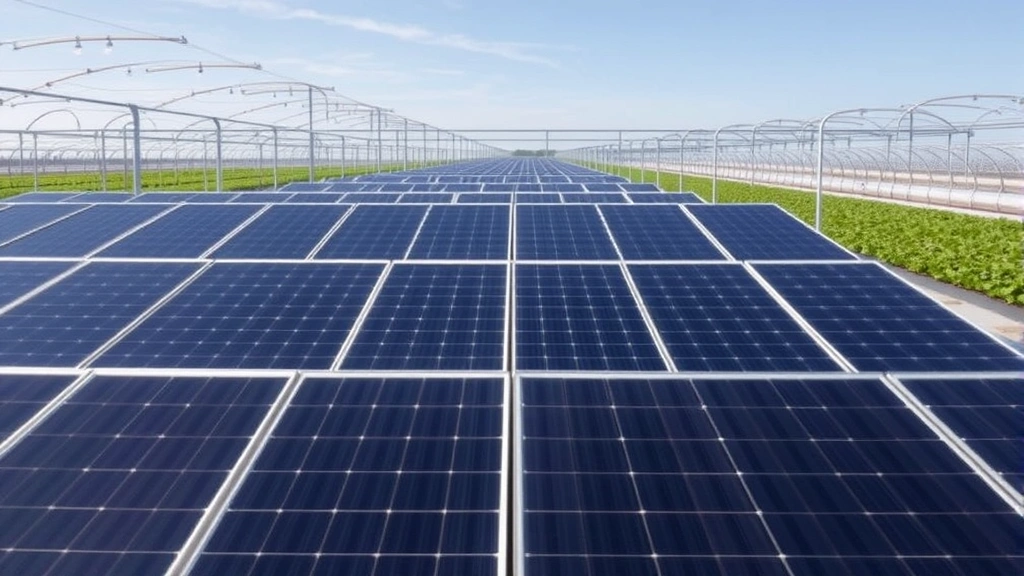
Transitioning cultivation operations to renewable energy sources represents the ultimate sustainability goal. While LED systems dramatically reduce electricity consumption, powering facilities with renewable sources eliminates operational carbon emissions. Solar photovoltaic (PV) systems convert sunlight directly to electricity, with excess generation stored in battery systems or fed back to the grid. For outdoor or greenhouse Gas Monkey cultivation, rooftop solar installations provide clean power while utilizing otherwise unproductive space.
Wind turbines suit facilities in locations with consistent wind resources. Small-scale turbines (5-50 kW) fit many agricultural properties, generating electricity while occupying minimal ground space. Hybrid systems combining solar and wind optimize energy generation across varying weather patterns and seasons. Battery storage systems buffer intermittent renewable generation, providing consistent power for climate control and lighting systems essential for Gas Monkey cultivation success.
Exploring sustainable energy solutions specific to your region reveals available incentives. Many jurisdictions offer tax credits, rebates, or accelerated depreciation for renewable energy installations. Net metering programs allow facilities to sell excess renewable generation back to the grid, offsetting operational costs. Some regions provide grants specifically supporting agricultural sustainability transitions, making renewable systems financially accessible.
Geothermal systems provide efficient heating and cooling for cultivation facilities in suitable geological areas. Ground-source heat pumps leverage stable subsurface temperatures, reducing HVAC energy consumption by 40-70%. While installation costs are higher initially, operating savings and environmental benefits justify the investment over facility lifespans. Consulting with local renewable energy professionals identifies the optimal combination of technologies for your specific location and operation.
For facilities currently reliant on grid electricity, transitioning to cleaner energy alternatives compared to conventional fossil fuels provides immediate sustainability improvements while planning longer-term renewable integration. Many utility companies offer renewable energy programs allowing customers to purchase certified renewable electricity at modest premiums, supporting grid-scale renewable development while reducing operational carbon footprints.
FAQ
What is the optimal temperature range for Gas Monkey strain cultivation?
The Gas Monkey strain thrives in temperatures between 70-80°F during light cycles, with slightly cooler conditions (65-75°F) during dark periods. Maintaining consistent temperatures within this range prevents stress and optimizes growth rates. Temperature fluctuations exceeding 10°F between light and dark periods can trigger stress responses, potentially reducing yields or affecting cannabinoid profiles.
How often should Gas Monkey plants be watered during different growth stages?
Watering frequency depends on growing medium, environmental conditions, and plant size. Young seedlings require light, consistent moisture without waterlogging. During active vegetative growth, plants typically need watering every 2-3 days in well-draining medium. As flowering progresses and plants mature, allow soil to dry slightly between waterings, reducing frequency to every 3-4 days. Always water when the top inch of soil feels dry—individual conditions vary significantly.
Can Gas Monkey be grown using hydroponic systems sustainably?
Absolutely. Hydroponic cultivation of Gas Monkey can be highly sustainable when implementing closed-loop nutrient recycling, efficient LED lighting, and renewable energy sources. Hydroponics actually reduces water consumption compared to soil cultivation when properly designed, as nutrients and water recirculate rather than leaching through growing medium. The key is maintaining water quality through regular testing and filtration, preventing disease outbreaks that waste resources.
What nutrients does the Gas Monkey strain require?
Like most varieties, Gas Monkey requires macronutrients (nitrogen, phosphorus, potassium) and micronutrients (calcium, magnesium, sulfur, boron, iron, manganese, zinc, copper, molybdenum). During vegetative growth, higher nitrogen supports leaf development. During flowering, phosphorus and potassium become critical for bud development. Sustainable cultivation emphasizes balanced nutrition—avoiding excessive feeding that wastes resources and contaminates runoff. Organic sources like compost, worm castings, and fish emulsion provide nutrients while building soil biology.
How long does the Gas Monkey strain take from seed to harvest?
Gas Monkey typically requires 8-10 weeks of flowering, with vegetative growth taking 4-8 weeks depending on desired plant size and growing conditions. Total time from seed to harvest usually spans 12-18 weeks. Optimizing environmental conditions—particularly light intensity and CO₂ levels—can accelerate growth while maintaining quality. Sustainable cultivation may take slightly longer than maximally intensive approaches, but produces healthier plants with better long-term resilience.
What are the best practices for preventing mold and mildew on Gas Monkey plants?
Mold and mildew thrive in high humidity and stagnant air. Prevention strategies include maintaining humidity below 60% during vegetative growth and below 40% during flowering, ensuring adequate air circulation through strategic ventilation, and avoiding water on foliage. Spacing plants properly prevents moisture accumulation between leaves. If issues develop, removing affected leaves, improving ventilation, and applying organic fungicides like sulfur or neem oil provide sustainable solutions without harsh chemicals.


