Gas Plants: Are They Sustainable? A Comprehensive Analysis
Natural gas power plants have long been positioned as a bridge fuel between coal-dependent energy systems and fully renewable futures. However, the sustainability question surrounding gas plants demands a nuanced examination of their environmental impact, operational efficiency, and role in climate mitigation strategies. As global energy demands continue to rise and climate targets become increasingly stringent, understanding whether gas plants truly represent sustainable energy solutions is crucial for policymakers, investors, and environmentally conscious consumers alike.
The debate around gas plant sustainability intersects multiple dimensions: greenhouse gas emissions, methane leakage, water consumption, land use, and their compatibility with renewable energy integration. This comprehensive analysis explores these factors while examining alternatives and the current trajectory of natural gas infrastructure development worldwide.
Understanding Natural Gas Power Plants
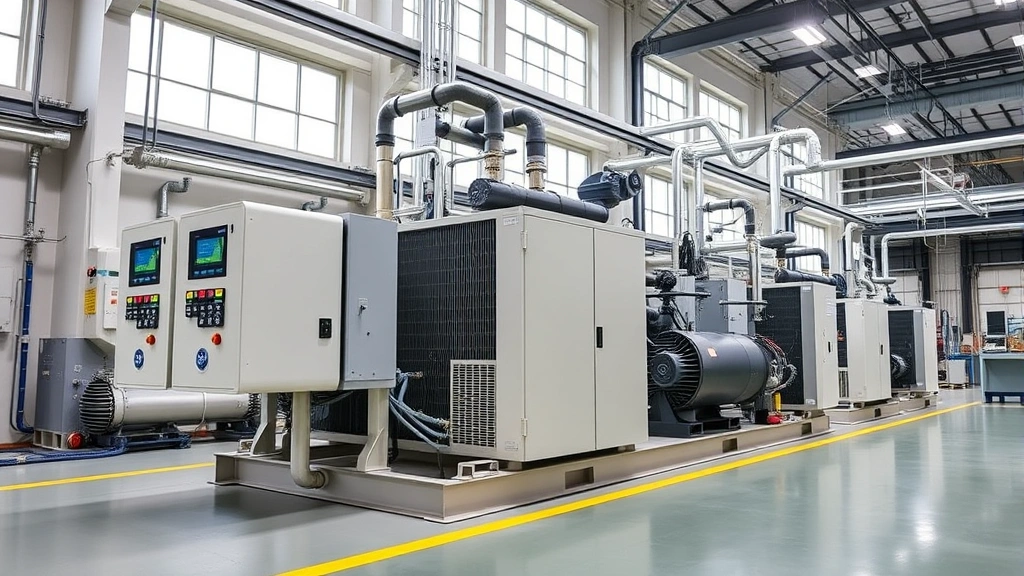
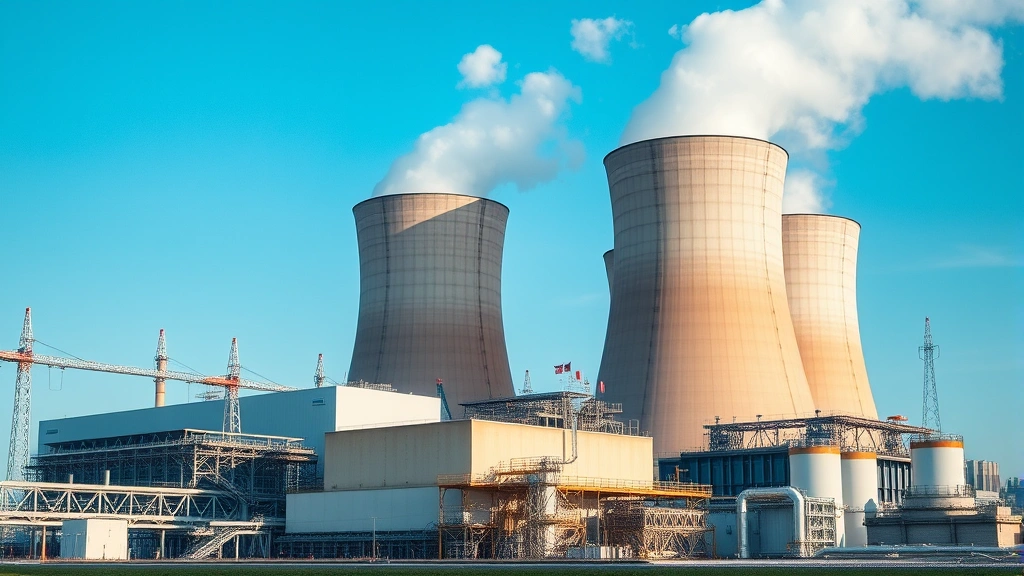
Natural gas power plants are thermal electricity generation facilities that burn natural gas to produce steam, which drives turbines connected to electrical generators. These facilities operate through either conventional steam cycles or combined cycle technology, where waste heat from gas turbines generates additional electricity. Unlike coal plants, natural gas facilities can be constructed more quickly, require smaller land footprints, and offer greater operational flexibility for meeting variable electricity demand.
The appeal of gas plants lies in their relatively low capital costs compared to nuclear facilities and their ability to ramp up or down rapidly—a characteristic increasingly valuable as renewable energy sources introduce intermittency challenges to electrical grids. However, this operational advantage does not automatically translate to sustainability when examined through comprehensive environmental and climate lenses.
Understanding gas pipe types for California code and gas pipe sizing specifications reveals the substantial infrastructure required to deliver fuel to these facilities. This infrastructure itself carries environmental costs and risks that extend beyond the power plants themselves.
Carbon Emissions and Climate Impact
Natural gas combustion produces approximately 50% fewer direct carbon dioxide emissions than coal when generating equivalent electricity. This relative advantage has positioned gas as a transitional fuel in decarbonization strategies. A typical natural gas combined cycle plant emits around 400-500 grams of CO2 per kilowatt-hour, compared to 800-1000 grams for coal facilities. This measurable improvement has led many climate scientists and policymakers to view gas plants as preferable to fossil fuel alternatives.
However, the absolute carbon footprint remains substantial. According to the EPA’s electricity generation data, natural gas accounts for a significant portion of grid emissions in many developed nations. For climate targets aligned with limiting global warming to 1.5°C or even 2°C, transitioning from gas plants to zero-carbon sources becomes essential rather than optional. The International Energy Agency emphasizes that gas plants must decline dramatically in developed economies by 2030-2040 to meet climate commitments.
The sustainability question hinges on whether gas plants enable or delay the transition to renewable energy. If they facilitate grid stability during renewable deployment and are retired on schedule, they serve a legitimate role. Conversely, if they become stranded assets or encourage extended reliance on fossil fuels, they undermine climate objectives.
Methane Leakage: The Hidden Problem
While direct emissions from gas combustion receive substantial attention, methane leakage throughout the natural gas supply chain represents a critical yet often underestimated sustainability concern. Methane, the primary component of natural gas, is a greenhouse gas approximately 84-86 times more potent than CO2 over a 20-year period, though this figure varies slightly depending on atmospheric chemistry models.
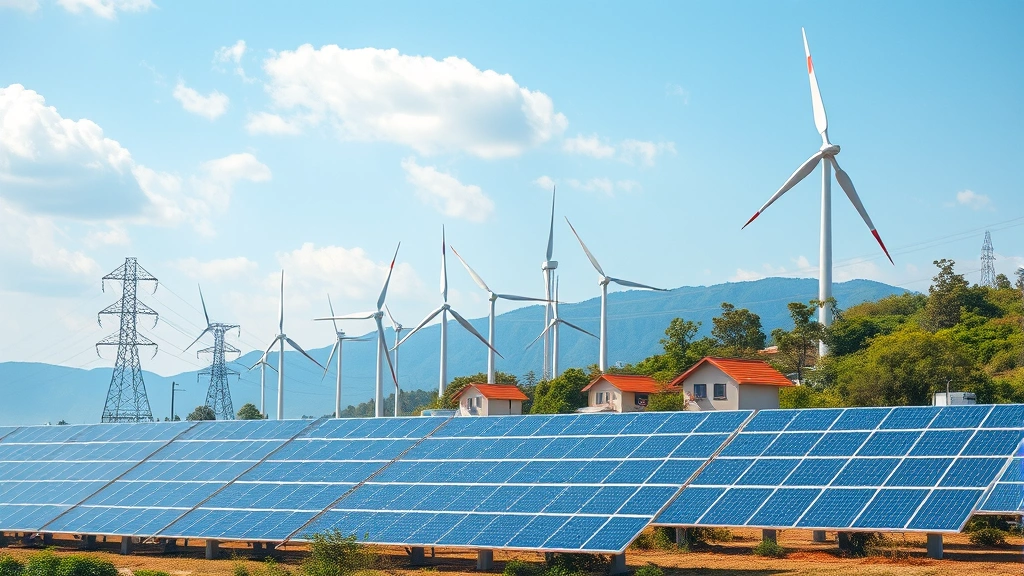
Leakage occurs at multiple points: extraction wells, processing facilities, transmission pipelines, distribution networks, and storage facilities. Studies indicate methane leakage rates ranging from 1% to 4% of total production, depending on infrastructure age, maintenance standards, and regulatory oversight. Even at the lower end, these leakage rates substantially increase the climate impact of natural gas electricity generation, sometimes offsetting the emissions advantages over coal.
Research from NOAA’s climate research division demonstrates that methane atmospheric concentrations have risen significantly, with natural gas operations contributing meaningfully to this increase. Older pipeline infrastructure in regions with less stringent environmental regulations experiences higher leakage rates, creating geographic disparities in the actual climate impact of gas plants depending on fuel sourcing and supply chain efficiency.
The sustainability assessment of gas plants must therefore account for not just combustion emissions but the entire lifecycle environmental cost of extracting, processing, transporting, and utilizing natural gas resources.
Environmental and Resource Concerns
Beyond climate considerations, natural gas extraction and processing create diverse environmental challenges. Hydraulic fracturing (fracking), the dominant extraction method in North America, requires massive quantities of water—typically 2-8 million gallons per well. This consumption strains water resources in arid regions and raises concerns about groundwater contamination through chemical additives and methane migration.
Water consumption at gas power plants themselves represents another sustainability dimension. Thermoelectric plants require cooling water, and depending on cooling technology employed, can consume 25-60 gallons per kilowatt-hour generated. During drought conditions, this consumption competes with agricultural and municipal needs, creating environmental justice issues and threatening ecosystem health in affected watersheds.
Land use impacts extend beyond the power plant facility itself. Natural gas extraction, processing, and transportation infrastructure fragments ecosystems, disrupts wildlife migration patterns, and threatens biodiversity. Pipeline construction disturbs soil and vegetation, while operational maintenance requires ongoing land access for inspection and repair activities.
For context on broader sustainable energy approaches, exploring sustainable energy solutions and green technology innovations demonstrates the expanding portfolio of alternatives to fossil fuel dependence.
Comparison with Renewable Energy
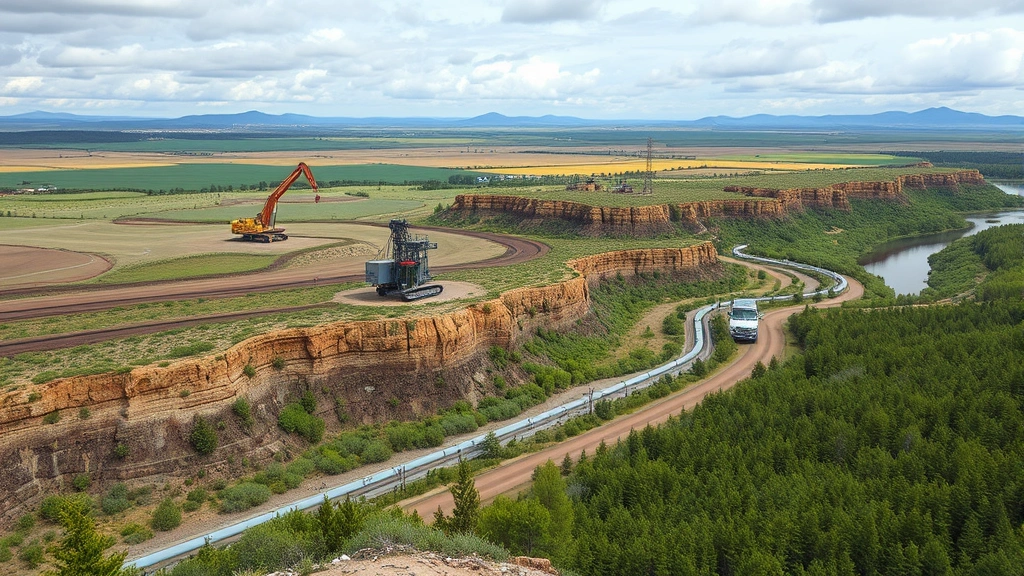
Solar and wind energy technologies have experienced dramatic cost reductions and efficiency improvements, fundamentally altering energy economics. Utility-scale solar now costs $30-60 per megawatt-hour in optimal locations, while onshore wind ranges from $25-50 per megawatt-hour. These costs rival or undercut natural gas plants when accounting for fuel price volatility and carbon pricing mechanisms.
Renewable energy sources produce zero direct emissions during operation, eliminate fuel extraction environmental damage, and require minimal water for cooling. Battery storage technologies continue advancing, with costs declining 89% since 2010, increasingly enabling renewable sources to provide reliable baseload power without fossil fuel backup.
The comparative sustainability advantage clearly favors renewable energy. However, the transition presents grid integration challenges that gas plants have traditionally addressed through flexible ramping capabilities. This technical consideration, rather than inherent sustainability advantages, constitutes the primary argument for retaining gas plants during energy transitions.
The Bridge Fuel Argument
Proponents of natural gas advancement justify plant construction and operation as enabling rapid coal retirement while renewable infrastructure develops. The logic suggests that replacing coal plants with gas plants reduces emissions immediately while buying time for renewable deployment at scale. This narrative has influenced energy policy globally, resulting in substantial new gas plant construction even in regions with strong renewable resources.
However, critical analysis reveals problems with this bridge fuel framing. First, gas plants typically operate for 30-40 years, creating long-term infrastructure lock-in that extends fossil fuel dependence beyond optimal climate transition timelines. Second, the economic incentives created by new gas infrastructure investment encourage utilities to maximize plant utilization, potentially crowding out renewable development rather than enabling it. Third, technological advances in renewables and storage have accelerated beyond historical expectations, reducing the legitimate need for extended gas plant operation.
The International Energy Agency’s net-zero scenarios indicate that in developed economies, gas plants should constitute less than 5% of electricity generation by 2050, with most existing plants retired by 2040. This timeline conflicts with the 30-40 year operational lifespan of new gas infrastructure, suggesting that bridge fuel arguments increasingly lack credibility for new plant construction.
Infrastructure and Economic Implications
The sustainability question extends to economic and infrastructure dimensions. Substantial capital investment in new gas plants and associated pipeline infrastructure creates financial interests resistant to rapid energy transitions. Utilities recover infrastructure costs through ratepayer charges, creating regulatory incentives to maintain high plant utilization rates. These economic structures can slow renewable deployment and undermine climate objectives.
Conversely, avoiding new gas plant construction and accelerating retirement of existing facilities requires alternative approaches to grid reliability and electricity affordability. This necessitates parallel investment in renewable generation, battery storage, grid modernization, and demand flexibility programs—a comprehensive transformation demanding substantial capital reallocation.
The stranded asset risk represents another critical consideration. Gas plants constructed today may become economically obsolete well before the end of their operational lifespan if renewable and storage costs continue declining faster than projected. This creates financial risks for utilities and ratepayers who ultimately bear infrastructure costs through electricity bills.
Emerging Technologies and Solutions
Several emerging technologies propose to enhance gas plant sustainability. Carbon capture and storage (CCS) technology can theoretically reduce combustion emissions by 85-95%, though the approach remains expensive (adding $50-100 per ton of CO2 captured) and energy-intensive. Few operational CCS facilities exist globally, and deployment at scale faces technological, economic, and regulatory challenges.
Blue hydrogen represents another proposed solution—producing hydrogen from natural gas with CCS, then using hydrogen as a zero-carbon fuel. However, this approach currently requires more energy input than direct renewable hydrogen production and introduces additional complexity and cost.
Green hydrogen, produced through renewable electricity-powered electrolysis, offers genuine sustainability advantages but remains expensive and requires substantial renewable generation capacity expansion. For existing gas plants, retrofitting to accept hydrogen blends presents technical challenges and typically allows only partial hydrogen substitution.
The IEA’s Net Zero by 2050 roadmap acknowledges these technologies’ potential roles but emphasizes that relying on unproven solutions to address gas plant emissions represents inadequate climate strategy. Direct renewable deployment and storage investment remain more cost-effective approaches for most regions.
FAQ
Are natural gas plants truly cleaner than coal plants?
Natural gas plants produce approximately 50% fewer direct CO2 emissions than coal during electricity generation. However, when accounting for methane leakage throughout the supply chain, this advantage diminishes significantly. Additionally, both remain fossil fuels with substantial climate impacts compared to renewable energy sources.
Can gas plants support renewable energy integration?
Yes, gas plants’ rapid ramping capability provides valuable grid services during renewable deployment. However, battery storage and other technologies increasingly provide equivalent services at lower costs and without fossil fuel dependence. Gas plants serve this role optimally as temporary transition infrastructure rather than permanent fixtures.
How do gas plant emissions compare to electricity from coal?
A typical natural gas combined cycle plant produces 400-500 grams CO2-equivalent per kilowatt-hour, while coal plants emit 800-1000 grams. However, NREL research indicates that utility-scale solar and wind produce 10-50 grams CO2-equivalent per kilowatt-hour when lifecycle impacts are included.
What is methane leakage and why does it matter?
Methane leakage refers to natural gas escaping during extraction, processing, and transportation. Since methane is 84-86 times more potent than CO2 over 20 years, even small leakage percentages significantly increase the climate impact of natural gas electricity generation.
Are new gas plants being constructed despite climate concerns?
Yes, substantial new gas plant construction continues globally, despite climate commitments. This reflects regulatory frameworks that haven’t fully incorporated climate costs, utility business models favoring large capital infrastructure, and incomplete transition planning toward renewable energy systems.
What are alternatives to gas plants for grid reliability?
Battery storage, pumped hydroelectric storage, demand response programs, grid interconnection expansion, and renewable energy diversification all provide reliability services. Electric vehicle infrastructure can also support grid stability through vehicle-to-grid technologies.
How long do natural gas plants operate?
Typical operational lifespan is 30-40 years, though plants can operate longer with maintenance and upgrades. This extended lifespan creates infrastructure lock-in that extends fossil fuel dependence, complicating climate transition timelines.
Can existing gas plants be retrofitted for sustainability?
Carbon capture and storage retrofits are technically possible but expensive and energy-intensive. Hydrogen blending retrofits face technical limitations. Direct retirement and replacement with renewable resources typically represents the most cost-effective sustainability strategy.
For more information on energy infrastructure and sustainable approaches, visit the SustainWise Hub Blog for comprehensive sustainability resources and analysis.