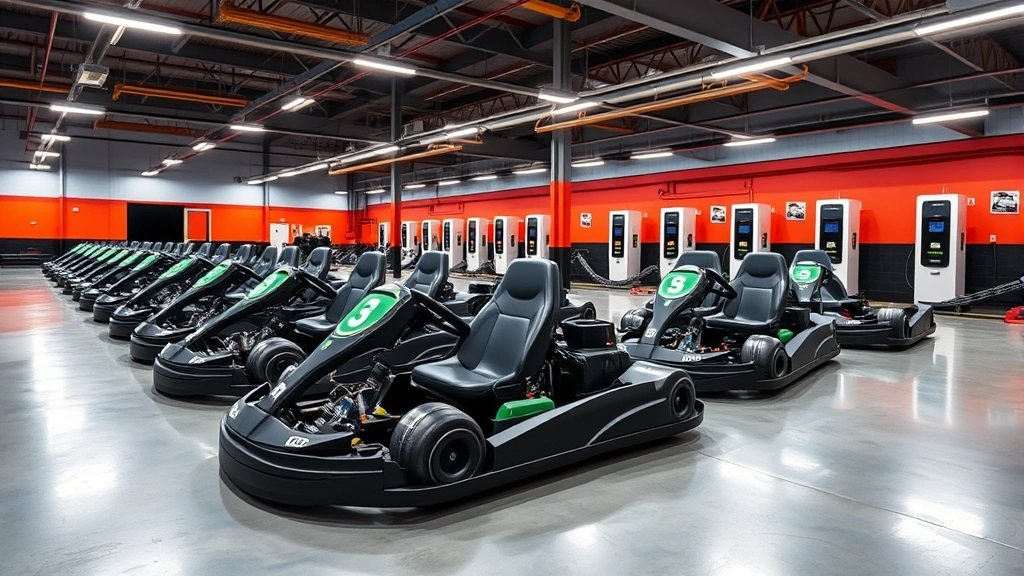
Gas Go Karts vs Electric: A Comprehensive Eco-Impact Analysis
The choice between gas-powered go karts and electric alternatives represents a microcosm of the broader sustainability debate reshaping transportation and recreation. As environmental consciousness grows, facilities and enthusiasts increasingly question whether traditional internal combustion engines remain justifiable when cleaner alternatives exist. This analysis examines the full lifecycle environmental impact of both technologies, from manufacturing through operation and eventual disposal.
Go kart racing has evolved from a niche hobby into a multi-billion-dollar recreational industry with thousands of facilities worldwide. Yet the environmental consequences of this growth have received surprisingly limited scrutiny. Understanding the true ecological footprint of gas powered go karts versus their electric counterparts requires examining emissions, energy consumption, noise pollution, and resource depletion across multiple dimensions.
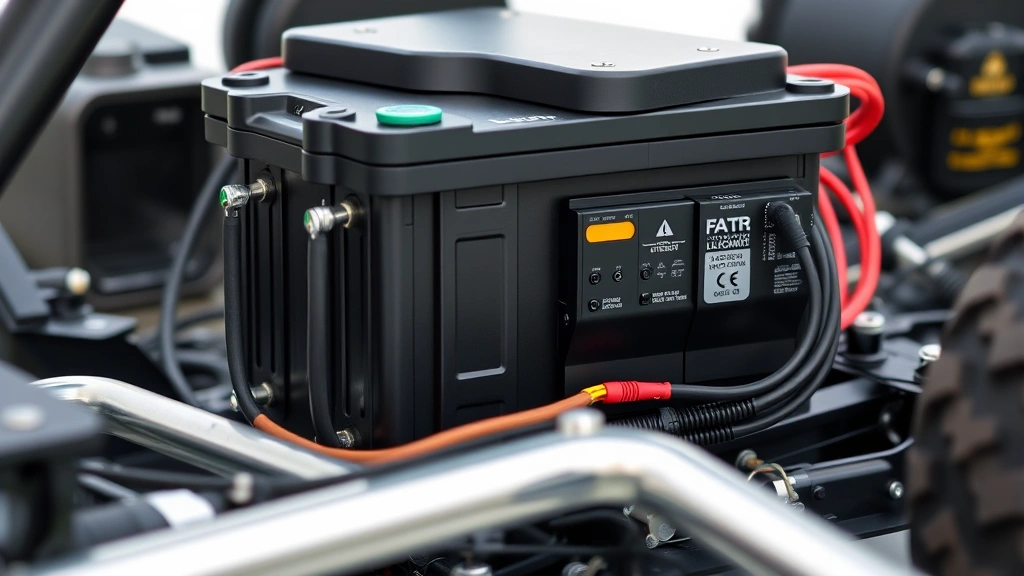
Understanding Gas-Powered Go Kart Emissions
Gas powered go karts typically utilize small gasoline engines ranging from 50cc to 250cc, operating at high RPMs to maximize speed and acceleration. These engines produce multiple categories of harmful emissions that extend far beyond simple carbon dioxide. A standard four-stroke go kart engine emits carbon monoxide, nitrogen oxides (NOx), volatile organic compounds (VOCs), and particulate matter—all classified as air pollutants by the EPA.
The emission profile of gas powered go karts becomes particularly concerning when considering the cumulative effect across facilities. A single commercial go kart track operating 20 karts simultaneously produces emissions equivalent to approximately 50-100 passenger vehicles, yet operates in concentrated areas where exposure is intense and prolonged. Children and staff members inhale these pollutants directly, creating documented health risks including respiratory irritation, reduced lung function, and increased asthma exacerbation.
Fuel consumption rates for gas go karts typically range from 1 to 3 gallons per hour depending on engine size and driving intensity. Over a single season, a busy facility operating 40 hours weekly consumes 2,000-6,000 gallons of gasoline annually. This translates to 44,000-132,000 pounds of carbon dioxide emissions yearly from fuel combustion alone, equivalent to the annual carbon sequestration capacity of 700-2,100 tree seedlings grown for 10 years.
Beyond direct combustion emissions, gas-powered engines generate methane leakage from fuel storage, evaporative emissions during refueling, and upstream emissions from petroleum extraction and transportation. Lifecycle analyses indicate that the true carbon footprint of gasoline consumption extends 20-30% beyond combustion emissions when accounting for these upstream factors.
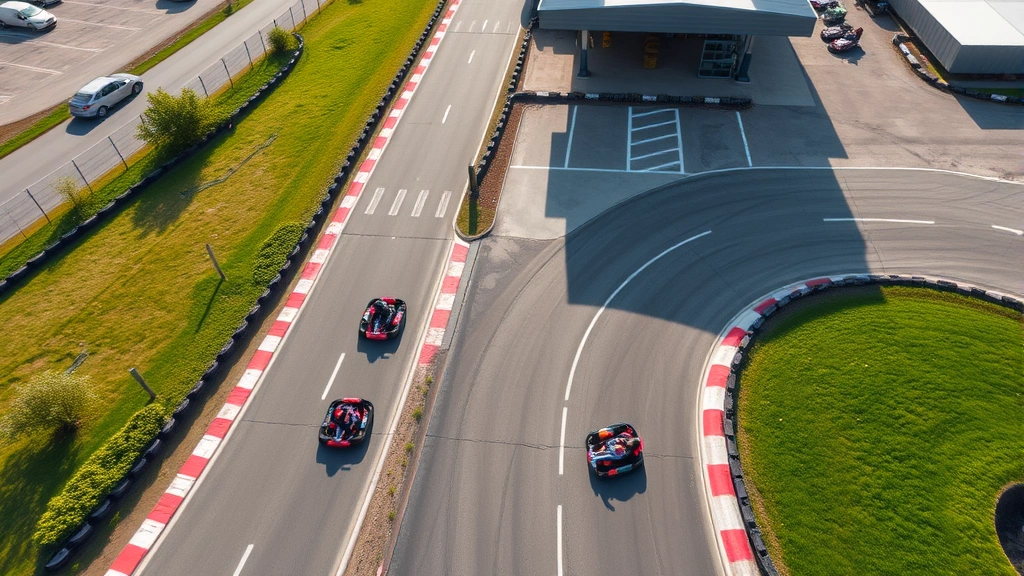
Electric Go Kart Technology and Benefits
Modern electric go karts employ lithium-ion battery systems paired with brushless electric motors, delivering performance metrics that rival or exceed their gasoline counterparts. Contemporary electric karts achieve 0-60 acceleration times competitive with gas models while producing zero direct emissions and operating at whisper-quiet noise levels below 75 decibels.
The transition toward sustainable energy solutions in recreational racing reflects broader electrification trends. Electric motors convert 85-90% of input energy to mechanical output, compared to 20-30% efficiency in internal combustion engines. This fundamental physics advantage means electric karts require substantially less energy input to achieve identical performance, regardless of the electricity grid’s composition.
When powered by renewable energy sources, electric go karts achieve near-zero operational emissions. Even on mixed-source electrical grids averaging 40% renewable energy, electric karts produce 50-70% fewer lifecycle emissions than gasoline equivalents. As grid decarbonization accelerates—currently trending toward 50% renewable energy by 2030 in many developed regions—the environmental advantage of electric karts compounds annually.
Electric systems eliminate the combustion byproducts entirely: no nitrogen oxides, no carbon monoxide, no volatile organic compounds. This creates healthier indoor environments at electric go kart facilities, reducing respiratory health impacts for staff and participants. The absence of fuel spills and leaks also eliminates soil and groundwater contamination risks associated with gasoline storage and handling.
Manufacturing and Resource Extraction
The manufacturing phase reveals a more nuanced environmental picture. Electric go karts require significantly more processing-intensive components, particularly lithium-ion battery packs. Battery production involves mining lithium, cobalt, nickel, and other minerals, processes generating substantial environmental impacts including water depletion, habitat disruption, and toxic waste generation.
Lithium extraction consumes approximately 500,000 gallons of water per ton of lithium produced, raising concerns in water-scarce regions where mining concentrates. Cobalt mining in the Democratic Republic of Congo has documented associations with child labor and severe environmental degradation. However, the battery industry is rapidly transitioning toward alternative chemistries: lithium iron phosphate (LFP) batteries eliminate cobalt requirements entirely, sodium-ion batteries reduce reliance on scarce minerals, and solid-state technologies promise dramatic improvements within five years.
Gas go kart manufacturing requires fewer specialized components but still involves resource-intensive processes. Engine block casting, aluminum frame production, and fuel system manufacturing all consume significant energy and generate manufacturing waste. The difference lies in scale: a single go kart’s manufacturing impact proves relatively modest, but the operational lifetime impact of gas engines dramatically exceeds manufacturing costs.
Lifecycle assessments conducted by Transport & Environment demonstrate that electric vehicles offset their higher manufacturing emissions within 1-2 years of operation. Electric go karts, operating more intensively than passenger vehicles, achieve this payback within 6-12 months of typical facility use. Over a 10-year operational lifespan, electric karts deliver 70-85% lower total lifecycle emissions despite higher manufacturing burdens.
Operational Environmental Impact
The operational phase dominates environmental comparisons between technologies. Gas powered go karts operate continuously throughout their lifespan, emitting pollutants during every session. The cumulative effect across thousands of facilities operating hundreds of thousands of hours annually creates significant atmospheric contamination.
Electric go karts require charging infrastructure, introducing considerations about grid electricity composition. Facilities in regions powered predominantly by renewable energy achieve immediate near-zero operational emissions. Even in regions with coal-heavy grids, electric karts produce fewer emissions than gasoline equivalents. As grid decarbonization accelerates, the environmental advantage of existing electric karts improves automatically without any equipment changes—a unique benefit unavailable to gas-powered systems.
Maintenance requirements differ substantially between technologies. Gas engines require regular oil changes, spark plug replacement, air filter servicing, and fuel system maintenance. These operations generate hazardous waste: used motor oil, contaminated filters, and fuel system residues. Electric systems require minimal maintenance: tire rotations, brake servicing (though regenerative braking extends brake lifespan dramatically), and occasional battery management system updates.
The advantages of electric vehicles extend directly to recreational applications. Elimination of oil changes alone prevents thousands of gallons of used oil from entering landfills and groundwater annually across the industry. Reduced maintenance translates to lower operational costs, improved facility economics, and reduced waste generation.
Charging efficiency introduces another consideration. Modern go kart chargers operate at 90-95% efficiency, with minimal energy loss during the charging process. Fast-charging systems, now standard at commercial facilities, complete battery recharging within 10-15 minutes, enabling continuous operation without requiring massive battery inventories. This operational efficiency contrasts sharply with the continuous fuel consumption and refueling requirements of gas systems.
Noise Pollution and Community Effects
Gas powered go karts generate noise levels of 85-95 decibels—comparable to heavy traffic or lawn mowers. This noise pollution extends well beyond the track facility, affecting neighboring properties and communities. Noise impacts human health through sleep disruption, stress hormone elevation, cardiovascular strain, and cognitive impairment in children.
Recreational facilities operating gas karts in residential areas frequently face noise complaints, regulatory restrictions, and community opposition. Some jurisdictions have implemented noise ordinances specifically targeting go kart facilities, limiting operating hours or requiring expensive sound-dampening infrastructure. These regulatory pressures reflect genuine community health concerns backed by extensive research on noise pollution effects.
Electric go karts operate at 65-75 decibels—comparable to normal conversation or office environments. This dramatic noise reduction eliminates community friction, enables longer operating hours, and permits location of facilities in previously unsuitable areas. The health benefits extend to facility staff, who experience reduced auditory stress and hearing damage risks during their shifts.
The noise advantage compounds when considering facility expansion and neighborhood relations. Communities increasingly welcome green technology innovations that reduce environmental impacts. Electric go kart facilities experience fewer regulatory challenges, faster permit approvals, and stronger community support compared to gas-powered alternatives.
Battery Technology and Recycling
Battery end-of-life management represents the final frontier for electric go kart sustainability. Contemporary lithium-ion batteries retain 70-80% capacity after 8-10 years of intensive use—sufficient for continued operation or secondary applications. Rather than disposal, most used go kart batteries transition to stationary energy storage applications, supporting grid stabilization and renewable energy integration.
Formal battery recycling infrastructure now recovers 90%+ of lithium-ion battery materials through hydrometallurgical and pyrometallurgical processes. Recovered lithium, cobalt, nickel, and copper reduce mining pressures and lower manufacturing costs for subsequent battery generations. Several manufacturers have announced closed-loop battery programs where used packs return to production facilities for material recovery and remanufacturing.
The U.S. Battery Manufacturers Association reports that battery recycling rates have increased from 5% in 2015 to over 50% in 2023, with continued growth as regulations strengthen and infrastructure expands. By comparison, gasoline combustion represents permanent atmospheric release of carbon and pollutants—no recovery, recycling, or second-life applications available.
Emerging battery chemistries further improve sustainability profiles. Sodium-ion batteries utilize abundant materials, eliminate cobalt requirements, and prove simpler to recycle. Solid-state batteries promise 2-3x energy density improvements, reducing material quantities required for equivalent performance. These innovations, arriving within 3-5 years, will substantially improve electric go kart sustainability metrics.
Total Cost of Ownership Analysis
Economic analysis reinforces environmental conclusions. While electric go karts typically cost 15-25% more upfront than gas equivalents, total cost of ownership favors electric systems dramatically. Operating cost differences prove decisive: electricity costs approximately $0.03-0.05 per mile, compared to $0.15-0.25 per mile for gasoline. Over 10,000 annual operating hours, this differential generates $1,200-2,000 annual savings per kart.
Maintenance cost advantages compound savings. Electric systems require minimal servicing, reducing labor expenses by 70-80% compared to gas engines. Brake wear decreases dramatically due to regenerative braking, extending service intervals from 6 months to 2-3 years. Tire wear rates decrease as electric motors deliver smooth, consistent power without the shock loads of combustion engine acceleration.
Facility operators implementing strategies to reduce environmental footprint discover that electric go karts improve bottom-line economics while advancing sustainability objectives. A 20-kart facility transitioning from gas to electric systems realizes $24,000-40,000 annual operational savings, recovering the $50,000-100,000 equipment premium within 2-4 years.
Insurance considerations add further economic advantages. Electric systems eliminate fire risks associated with gasoline storage and fuel handling, reducing insurance premiums by 10-20%. Liability exposure decreases due to improved air quality and eliminated noise complaints. These secondary economic benefits, while less visible than direct operational savings, contribute meaningfully to the financial case for electrification.
Regulatory trends increasingly favor electric systems through tax incentives, grant programs, and preferential permitting. Several states offer 20-30% tax credits for recreational facility electrification, effectively reducing equipment costs by $10,000-30,000 per facility. Government incentive programs continue expanding as climate policy tightens, making early adoption financially advantageous.
FAQ
How much do electric go karts cost compared to gas models?
Electric go karts typically cost 15-25% more upfront: $3,000-5,000 per unit compared to $2,500-4,000 for gas equivalents. However, total cost of ownership favors electric systems by $1,200-2,000 annually per kart due to lower fuel and maintenance expenses.
Do electric go karts perform as well as gas-powered models?
Modern electric go karts match or exceed gas performance in acceleration, top speed, and handling. Brushless electric motors deliver immediate torque, providing superior acceleration from standstill. Electric systems enable precise power delivery and regenerative braking, improving safety and control characteristics.
What is the battery lifespan for electric go karts?
Lithium-ion batteries in go kart applications typically retain 70-80% capacity after 8-10 years of intensive use. Most manufacturers warranty batteries for 5-7 years or 1,000+ charge cycles. Battery degradation occurs gradually, maintaining operational capability well beyond warranty periods.
How long does charging take for electric go karts?
Fast-charging systems complete battery recharging within 10-15 minutes, enabling continuous facility operation without requiring massive battery inventories. Standard chargers require 30-45 minutes for full recharge, suitable for overnight or between-session charging protocols.
Are there environmental concerns with battery mining?
Battery material extraction generates environmental impacts including water depletion and habitat disruption. However, emerging battery chemistries (LFP, sodium-ion) reduce reliance on scarce minerals. Recycling infrastructure now recovers 90%+ of battery materials, reducing future mining pressures.
What happens to used go kart batteries?
Used batteries transition to second-life applications in stationary energy storage before formal recycling. Recycling programs recover lithium, cobalt, nickel, and copper for remanufacturing. Closed-loop battery programs enable material recovery and reuse in new battery production.
Can electric go karts operate in cold climates?
Modern lithium-ion batteries function effectively in temperatures down to -4°F (-20°C), though charging may require preheating. Cold weather reduces range by 10-20%, a minor consideration for recreational facilities with controlled operating conditions. Heated battery management systems enable reliable cold-weather operation.
How do emissions compare over the full lifecycle?
Lifecycle analyses show electric go karts produce 50-85% fewer emissions than gas equivalents over their operational lifespan, even accounting for manufacturing impacts and grid electricity composition. As grids decarbonize, this advantage increases automatically without equipment changes.


