Gas Shut Off Valve: Essential Safety Tips for Home Safety and Emergency Preparedness
A gas shut off valve is one of the most critical safety devices in any home that uses natural gas for heating, cooking, or water heating. Understanding how to locate, maintain, and operate this valve can mean the difference between a minor inconvenience and a catastrophic gas leak emergency. Whether you’re a new homeowner or simply want to refresh your knowledge, this comprehensive guide covers everything you need to know about gas shut off valves, from identification to proper operation during emergencies.
Natural gas is an efficient energy source, but it requires respect and proper safety protocols. Many homeowners remain unaware of where their gas shut off valve is located or how to use it in an emergency. This knowledge gap can delay critical response times when seconds matter most. By familiarizing yourself with your gas shut off valve now, you’ll be prepared to act confidently if a gas leak or other emergency occurs. Additionally, understanding gas safety connects to broader sustainability conversations about sustainable energy solutions and safer home management practices.
What Is a Gas Shut Off Valve
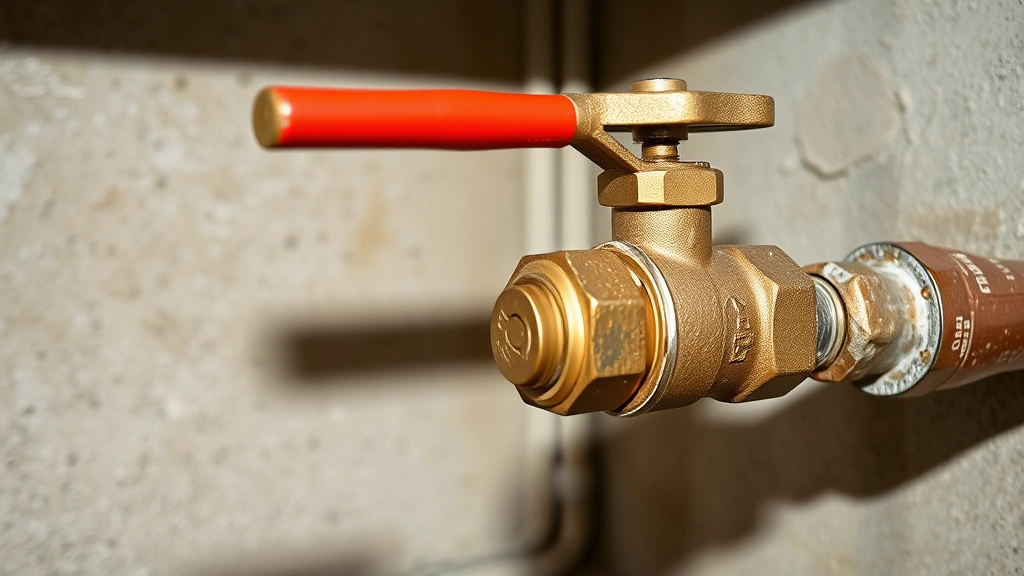
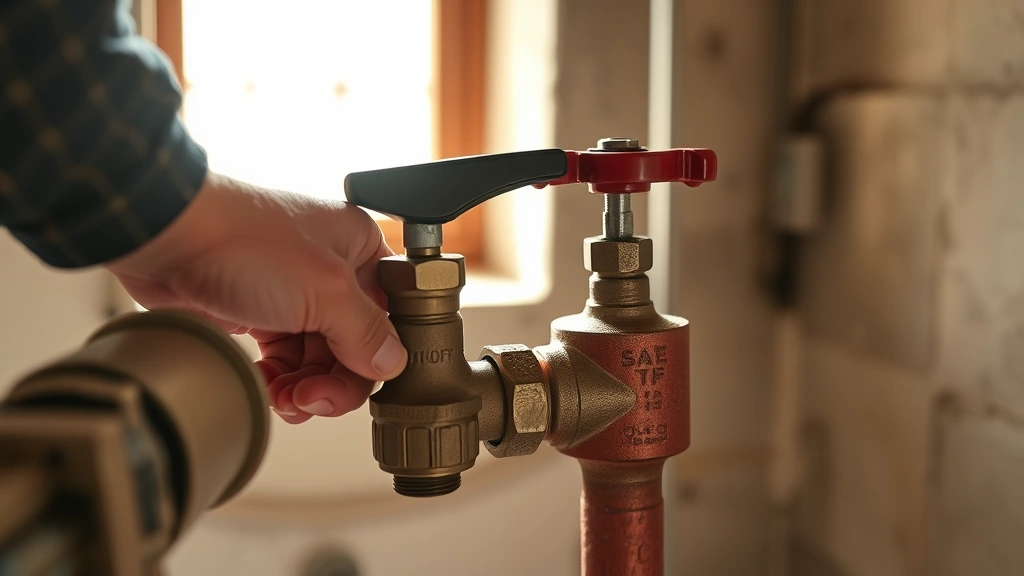
A gas shut off valve is a mechanical device installed on the gas supply line that enters your home. Its primary function is to completely stop the flow of natural gas to your residence in case of an emergency, maintenance needs, or safety concerns. This valve serves as the master control point for all gas-powered appliances in your home, including your furnace, water heater, stove, and fireplace.
The valve operates on a simple principle: rotating the handle perpendicular to the pipe stops gas flow, while aligning the handle parallel to the pipe allows gas to flow. This straightforward design ensures that even in high-stress situations, homeowners can quickly shut off gas without requiring special tools or technical knowledge. Every home with a natural gas connection should have at least one easily accessible shut off valve, and many safety experts recommend knowing its location as part of basic household emergency preparedness.
Understanding your gas shut off valve is part of a larger commitment to home safety and responsible energy use. When you’re familiar with your gas system, you can also make informed decisions about natural gas water heater maintenance and potential upgrades to more efficient or alternative systems.
Locating Your Gas Shut Off Valve
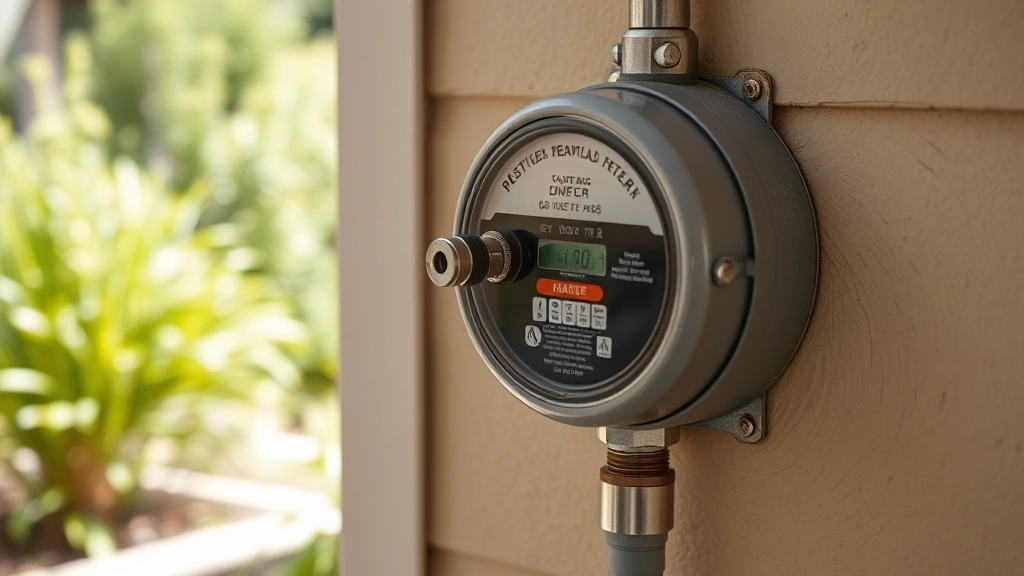
Finding your gas shut off valve should be one of your first priorities as a homeowner. The valve is typically located where the gas supply line enters your home from the street or from an underground supply. Common locations include:
- Outside your home – Along the exterior wall near the foundation, often in a basement or crawl space access area
- In the basement – Near the gas meter, which is usually mounted on an interior wall close to where gas enters the building
- In a utility room – Attached to the main gas line before it branches to individual appliances
- Under the kitchen sink – For homes with gas stoves, though this is less common for the main shut off valve
- In the garage – If your gas meter is mounted on the exterior wall accessible from the garage
Once you locate your valve, mark its location clearly. Some families paint the area bright yellow or red, install a small sign, or use glow-in-the-dark tape. This ensures that any family member, babysitter, or emergency responder can quickly identify and access it. Take a photograph and share it with household members, and include its location in your emergency preparedness plan. This proactive approach connects to broader principles of how to reduce your environmental footprint by ensuring efficient, safe energy use.
Types of Gas Shut Off Valves
While all gas shut off valves serve the same essential function, they come in several different configurations. Understanding the type you have helps ensure you can operate it correctly:
Ball Valves: These are the most common type found in residential settings. They feature a lever handle that rotates 90 degrees. When the handle is parallel to the pipe, gas flows; when perpendicular, it’s shut off. Ball valves are reliable, easy to operate, and provide clear visual indication of their position. They’re generally considered the safest choice for homeowner-accessible shut off points.
Gate Valves: Older homes sometimes have gate valves, which use a wheel handle that must be turned multiple times to fully close. These valves are less common in modern installations because they’re slower to operate and can be harder to determine whether they’re fully open or closed. If you have a gate valve, consider having a professional upgrade it to a ball valve for better safety and ease of use.
Needle Valves: These precise valves are sometimes found on individual appliances rather than as main shut offs. They allow for fine-tuned gas flow adjustment and are typically not meant to be fully shut off by homeowners, though they can be in emergencies.
Angle Valves: These valves are often found where the gas line changes direction. They function similarly to ball valves but are oriented at an angle. Make sure you understand how your specific valve operates before an emergency occurs.
How to Safely Turn Off Your Gas
Knowing how to safely operate your gas shut off valve is crucial knowledge. Follow these steps carefully:
- Identify the valve handle – Locate the lever or wheel on your shut off valve. On ball valves, the handle should be clearly visible and easy to grip.
- Determine the current position – Check whether the handle is parallel (open) or perpendicular (closed) to the gas line. If it’s already perpendicular, your gas is already shut off.
- Turn the handle slowly and deliberately – Rotate the handle 90 degrees until it’s perpendicular to the pipe. Do this smoothly without forcing it; if the valve is stuck, don’t apply excessive force as this could damage it.
- Verify the shut off – Once closed, the handle should remain perpendicular to the line. Some valves have small indicators showing their position.
- Wait before relighting pilot lights – After shutting off gas, wait at least five minutes before attempting to relight any pilot lights or restart appliances. This allows residual gas to dissipate safely.
- Contact your gas utility – If you shut off gas due to a leak or emergency, call your gas company immediately before turning the gas back on. Never attempt to reopen the valve without professional guidance if there was a suspected leak.
It’s a good practice to practice locating and operating your valve every year, perhaps during fire safety drills or emergency preparedness reviews. This muscle memory can be invaluable during an actual emergency when stress and adrenaline might otherwise cloud your judgment.
Warning Signs of Gas Leaks
Knowing when to use your gas shut off valve requires understanding the warning signs of a gas leak. Natural gas is odorless in its natural state, but utility companies add mercaptan, a chemical that smells distinctly like rotten eggs or sulfur, to make leaks detectable:
Smell: The most obvious sign is a strong rotten egg or sulfur smell. Even a faint odor warrants investigation and potential gas shut off. Don’t ignore your nose—it’s your first line of defense.
Hissing sounds: A loud hissing or whistling noise near gas lines or appliances indicates escaping gas. This is an immediate emergency requiring shut off and evacuation.
Dead vegetation: If grass or plants are dying in a specific area of your yard where gas lines run, this could indicate an underground leak.
Bubbles in standing water: If you see bubbles forming in puddles or standing water near your gas meter or lines, gas may be escaping.
Physical symptoms: Exposure to high levels of natural gas can cause dizziness, headaches, nausea, or fatigue. If household members experience these symptoms simultaneously and they resolve when you leave the house, have your gas system checked immediately.
Visible damage: Any visible cracks, corrosion, or damage to gas lines or connections should be treated as a potential leak risk.
If you suspect a gas leak, shut off your gas immediately, evacuate the building, and call your gas utility from outside the home or from a neighbor’s phone. Do not use electrical switches, light matches, or create any ignition sources. Your safety and that of your family must always be the top priority.
Maintenance and Inspection
Your gas shut off valve requires periodic maintenance to ensure it functions properly when needed. Regular inspection and maintenance are essential components of responsible homeownership:
Annual inspections: Once per year, visually inspect your valve for signs of corrosion, rust, or damage. Look for any moisture accumulation or mineral deposits that might indicate the valve is leaking.
Test operation: Annually, practice locating and operating your valve. Turn it from open to closed and back to open. This ensures the valve hasn’t seized and that you remember the correct operation. If the valve is stiff, don’t force it; call a professional to address potential corrosion or mechanical issues.
Check for leaks: After operating the valve, check for any gas odor or hissing sounds. A properly functioning valve should seal completely with no gas escaping.
Professional inspection: Consider having a licensed plumber or gas specialist inspect your shut off valve every two to three years. They can identify issues you might miss and ensure the valve meets current safety standards.
Document the location: Keep written records of your valve’s location, type, and inspection dates. Include photos in your household emergency plan so family members can quickly identify it.
Proper maintenance of your gas system connects to broader energy efficiency goals. When you maintain your gas shut off valve and overall gas infrastructure, you ensure optimal performance of appliances like your natural gas water heater, which reduces waste and improves efficiency.
When to Call a Professional
While homeowners can safely locate and operate their gas shut off valve in emergencies, certain situations require professional expertise:
Stuck or difficult valves: If your valve is difficult to turn, stuck, or hasn’t been operated in years, a professional should inspect and possibly replace it before an emergency occurs. Forcing a stuck valve could damage it permanently.
Suspected leaks: Never attempt to repair a gas leak yourself. After shutting off the gas, always call your utility company and a licensed professional. Gas leaks are serious safety hazards requiring expert diagnosis and repair.
Valve replacement: If your valve is corroded, damaged, or outdated (such as an old gate valve), a licensed plumber should replace it with a modern ball valve that’s easier to operate.
Installation questions: If you’re unsure about your valve’s location or type, or if you can’t locate it, contact your gas utility or a licensed professional for guidance.
Post-emergency procedures: After shutting off gas due to a leak or emergency, never turn it back on yourself. Your gas utility must inspect the system and reactivate the supply.
Professional expertise ensures that your gas system remains safe and compliant with local codes. This is particularly important if you’re considering upgrades or modifications to your home’s energy systems, including exploring sustainable energy solutions that might eventually replace natural gas entirely.
Gas Safety Best Practices
Beyond understanding your gas shut off valve, implementing comprehensive gas safety practices protects your household:
Install carbon monoxide detectors: Incomplete gas combustion produces carbon monoxide, an odorless, colorless, deadly gas. Install CO detectors on every level of your home, particularly near bedrooms. Test them monthly and replace batteries annually.
Maintain appliances: Have gas appliances serviced annually by qualified technicians. Properly maintained appliances burn more efficiently and safely.
Ensure proper ventilation: Gas appliances require adequate ventilation to safely expel combustion byproducts. Never block vents or chimneys, and ensure adequate fresh air supply to rooms with gas appliances.
Know emergency procedures: Teach all household members, including children old enough to understand, the location of your shut off valve and basic safety procedures. Practice your emergency response plan regularly.
Keep gas lines accessible: Never cover or obstruct gas lines with furniture, storage items, or landscaping. This makes leaks harder to detect and prevents proper inspection.
Use proper connections: All flexible gas connections should be stainless steel or approved flexible tubing. Older rubber hoses can deteriorate and cause leaks. Replace any questionable connections immediately.
Consider upgrades: If you’re interested in long-term safety and sustainability improvements, explore advantages of electric vehicles and home electrification options that could eventually eliminate gas dependency. Many homeowners are transitioning to electric heating, cooking, and water heating for both safety and environmental reasons.
Stay informed: Visit the EPA’s Natural Gas Safety Information for comprehensive resources. Check your gas utility’s website regularly for safety alerts and maintenance recommendations specific to your region.
As you consider your home’s energy future, remember that proper gas safety today creates the foundation for exploring cleaner energy alternatives tomorrow. Understanding gas prices state by state and your local energy costs might motivate you to evaluate whether transitioning to electric or renewable energy makes financial and environmental sense for your household.
FAQ
Where is the gas shut off valve usually located?
The gas shut off valve is typically located where the gas supply line enters your home from the street. Common locations include the basement near the gas meter, outside the home along the foundation, in a utility room, or in the garage. Check with your gas utility if you cannot locate it.
How do I know if my gas shut off valve is open or closed?
On a ball valve, if the handle is parallel to the gas line, the valve is open and gas is flowing. If the handle is perpendicular (at a 90-degree angle) to the line, the valve is closed and gas is shut off. The position of the handle provides a clear visual indicator.
Can I turn off my gas shut off valve myself?
Yes, you can and should be able to operate your gas shut off valve yourself in emergencies. However, if the valve is stuck, corroded, or hasn’t been used in years, contact a professional before an emergency occurs. Never force a stuck valve as this could damage it.
What should I do after I shut off the gas?
After shutting off gas due to a suspected leak or emergency, evacuate the building immediately and call your gas utility from outside or from a neighbor’s phone. Do not attempt to locate or repair the leak yourself. Wait for professional inspection before allowing gas back into your home.
How often should I test my gas shut off valve?
Test your gas shut off valve at least once per year. This practice ensures the valve hasn’t seized and helps you maintain familiarity with its operation. Annual testing is a simple but crucial part of household emergency preparedness.
What’s the difference between a ball valve and a gate valve?
Ball valves use a lever handle that rotates 90 degrees, while gate valves use a wheel handle that must be turned multiple times. Ball valves are faster to operate, easier to determine if open or closed, and are preferred for modern residential installations. If you have a gate valve, consider upgrading to a ball valve.
Can a gas leak cause health problems?
High concentrations of natural gas can cause dizziness, headaches, nausea, and fatigue. Additionally, if natural gas displaces oxygen in an enclosed space, it can lead to asphyxiation. Carbon monoxide produced by incomplete combustion is particularly dangerous. Always treat suspected leaks as serious emergencies.
Should I teach my children about the gas shut off valve?
Yes, children old enough to understand should know the location of your gas shut off valve and basic safety procedures. However, younger children shouldn’t operate it without adult supervision. Include gas safety in your family’s emergency preparedness discussions and practice drills.
What if I can’t locate my gas shut off valve?
Contact your local gas utility company. They can provide information about your gas meter location and shut off valve. Many utilities will mark the location for you or send a technician to identify it. Never assume you don’t have one—every home with natural gas has a shut off valve.


