Is Green Energy Affordable? Insights & Stats
The transition to renewable energy has long been viewed as a luxury reserved for wealthy households and corporations. However, recent data reveals a dramatically different narrative. Green energy affordability has improved significantly over the past decade, making sustainable power accessible to mainstream consumers. As energy costs continue to fluctuate and environmental concerns intensify, understanding the true economics of renewable energy becomes essential for anyone seeking to reduce both their carbon footprint and monthly utility bills.
This comprehensive guide examines the current state of green energy pricing, explores why renewable solutions are becoming increasingly cost-competitive, and provides actionable insights to help you make informed decisions about your energy future. Whether you’re considering sustainable energy solutions for your home or business, the evidence strongly suggests that going green no longer means breaking the bank.
The Cost of Renewable Energy Has Dramatically Declined
The most compelling evidence supporting green energy affordability lies in the dramatic cost reductions witnessed across all renewable technologies. According to research from the National Renewable Energy Laboratory (NREL), solar photovoltaic costs have plummeted by approximately 89% since 2010. Wind energy costs have similarly declined by 70% over the same period. These reductions fundamentally reshape the economic landscape of energy production.
Several factors drive these cost improvements. Manufacturing scale has increased exponentially, allowing producers to optimize production processes and reduce per-unit expenses. Technological innovations have enhanced efficiency, meaning systems generate more electricity using fewer materials. Supply chain development has streamlined distribution and installation procedures. Competition among manufacturers has intensified, naturally driving prices downward as companies vie for market share.
The U.S. Environmental Protection Agency (EPA) reports that renewable energy now represents one of the fastest-growing energy sectors globally. In many regions, wind and solar electricity costs have become cheaper than fossil fuels when accounting for all production and environmental expenses. This transition point, known as grid parity, has already been reached in numerous markets and continues expanding.
Solar Power: The Most Affordable Green Energy Option
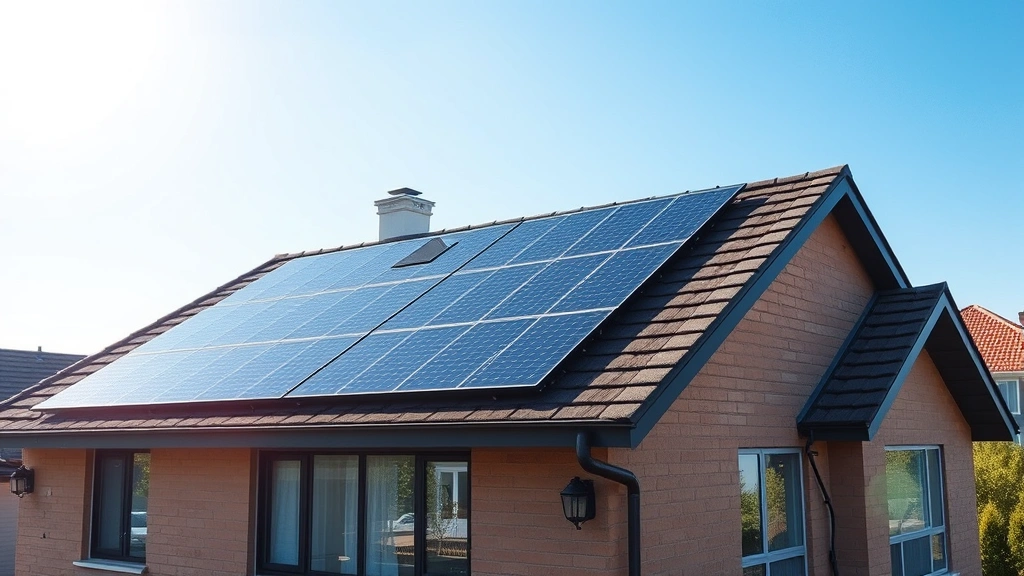
Residential solar installation has become the most accessible entry point into green energy for homeowners. The average cost of a residential solar system has decreased from approximately $40,000 in 2010 to under $15,000 today before incentives. When federal tax credits and state rebates are applied, many homeowners install systems for $5,000 to $10,000 or less.
Solar’s affordability extends beyond initial installation costs. Most systems operate for 25-30 years with minimal maintenance requirements. Monthly monitoring and occasional cleaning represent the only ongoing expenses. Over a system’s lifetime, homeowners typically save $10,000 to $30,000 on electricity costs, depending on their location, energy consumption, and local utility rates. This translates to a return on investment typically achieved within 5-8 years.
The solar industry has also developed financing options that eliminate upfront costs entirely. Leasing arrangements, power purchase agreements (PPAs), and solar loans allow homeowners to benefit from solar electricity without substantial initial capital investment. These flexible options have democratized solar access, enabling middle-income households to participate in the green energy revolution.
Understanding the connection between solar adoption and broader sustainable energy solutions helps contextualize solar’s role in the energy transition. Solar represents just one component of a comprehensive sustainability strategy that may include energy efficiency improvements and alternative technologies.
Wind Energy Economics and Accessibility
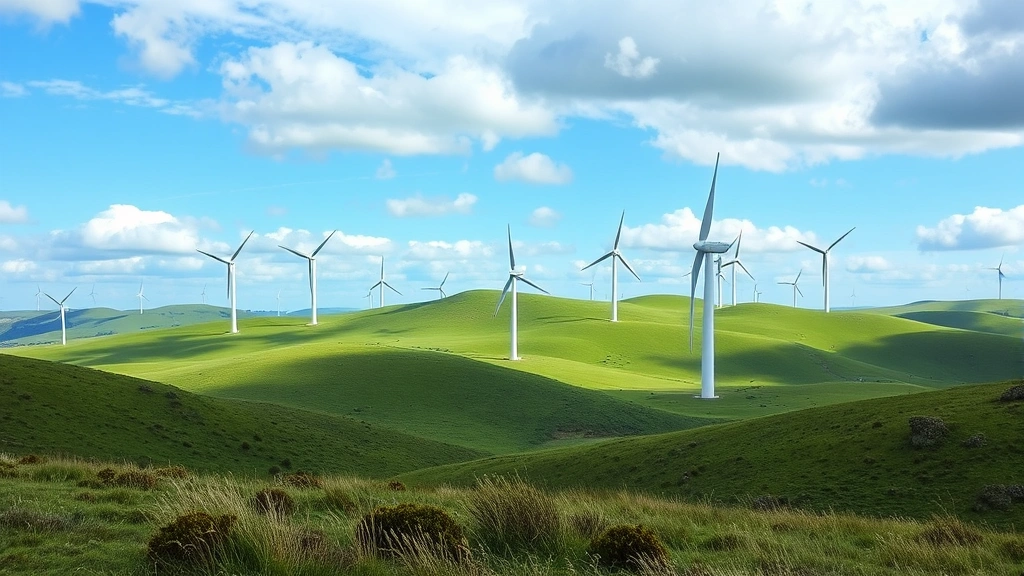
While utility-scale wind farms dominate commercial wind energy production, residential wind turbines offer another pathway to green energy affordability for suitable properties. Small wind turbines, ranging from 1 to 10 kilowatts, cost between $4,000 and $15,000 installed, with similar payback periods to solar systems.
Wind energy’s economic advantages extend beyond residential applications. Utility-scale wind farms benefit from economies of scale that rival or undercut conventional fossil fuel generation. According to the Lazard Cost Analysis, onshore wind represents one of the cheapest electricity sources available, with levelized costs competing directly with natural gas and coal.
Geographic considerations significantly impact wind energy viability and costs. Coastal regions, elevated terrain, and plains areas experience superior wind resources, reducing the system size required to meet energy needs. Conversely, heavily forested or sheltered locations may render wind systems impractical. Consulting local wind resource assessments helps determine whether residential wind installation makes economic sense for your property.
The distinction between wind and other renewable technologies parallels discussions about natural gas versus propane alternatives—each energy source offers unique advantages depending on specific circumstances and infrastructure availability.
” alt=”Solar panels installed on residential rooftop with mountains in background during sunset, clean energy generation”/>
Government Incentives and Tax Credits
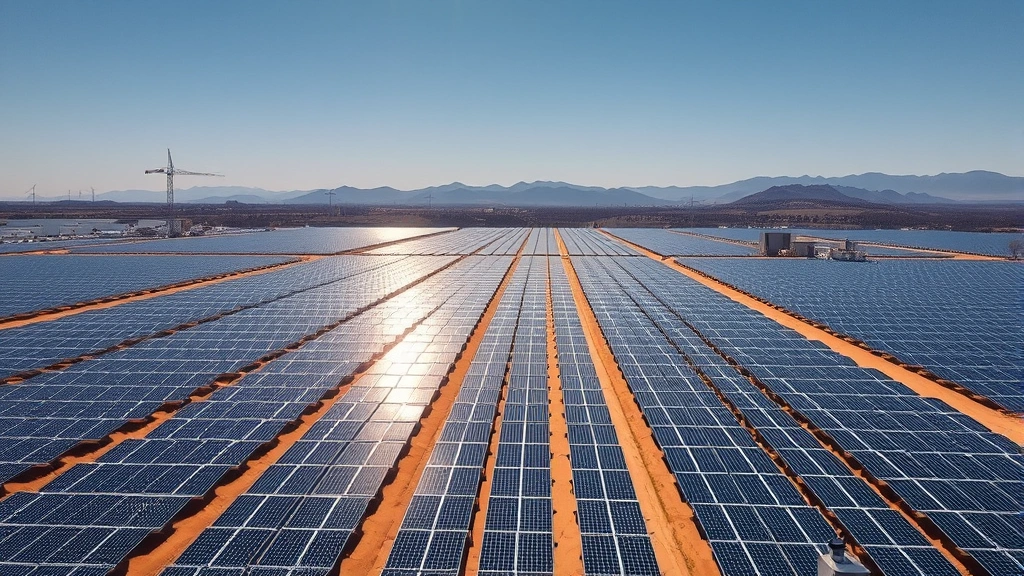
Government support mechanisms dramatically enhance green energy affordability for consumers. The U.S. Department of Energy offers the Investment Tax Credit (ITC), currently allowing homeowners to deduct 30% of installation costs from federal income taxes. This substantial incentive significantly reduces net expenses for solar and other renewable installations.
State and local governments supplement federal programs with additional rebates, tax credits, and performance incentives. Some utilities offer net metering policies, crediting customers for excess electricity their systems generate and feed back to the grid. These programs effectively reduce electricity costs below standard utility rates.
Financing programs specifically designed for green energy projects further improve affordability. Property Assessed Clean Energy (PACE) financing, on-bill programs, and dedicated green energy loans provide favorable terms compared to conventional lending. Some programs offer zero-down financing, eliminating barriers for cost-conscious consumers.
Energy efficiency rebates complement renewable energy incentives. Many utilities offer rebates for weatherization improvements, efficient appliance upgrades, and smart thermostat installations. These upgrades reduce overall energy consumption, making renewable systems smaller and more affordable while enhancing comfort and convenience.
Long-Term Savings and Return on Investment
The most compelling argument for green energy affordability emerges when examining long-term financial outcomes. Homeowners investing in solar systems typically recover their investment within 5-8 years, then enjoy 20+ years of essentially free electricity. Over a 25-year period, this translates to electricity cost savings exceeding $20,000 for average homeowners.
These calculations become even more favorable when accounting for electricity rate increases. Utility rates historically increase 2-3% annually, compounding over decades. Renewable energy systems provide price stability and protection against future rate hikes. A homeowner locking in their energy costs through solar installation shields themselves from utility price volatility while building equity in a productive asset.
Property value enhancement represents an additional financial benefit often overlooked in affordability discussions. Studies demonstrate that homes with installed solar systems sell for 3-4% more than comparable homes without solar. This premium effectively recovers a significant portion of installation costs at resale, providing financial flexibility and value retention.
Battery storage systems, while adding upfront costs, further improve long-term economics by enabling time-of-use optimization and backup power capabilities. As battery prices continue declining, storage integration becomes increasingly cost-effective for maximizing renewable energy value.
” alt=”Wind turbines spinning in open field with green grass and blue sky, clean renewable energy generation”/>
Comparing Green Energy to Traditional Energy Sources
Direct cost comparisons between green energy and conventional fossil fuels reveal remarkable shifts in economic competitiveness. When accounting for all expenses—including fuel, operations, maintenance, and environmental externalities—renewable energy now outperforms traditional sources in most markets.
The levelized cost of electricity (LCOE) provides a standardized comparison metric accounting for all lifetime expenses divided by total energy production. Recent analyses show solar and wind LCOE values at $30-60 per megawatt-hour, compared to $60-150 for coal and natural gas plants. These figures exclude environmental and health costs associated with fossil fuels, which would further widen the economic advantage for renewables.
Exploring advantages of electric vehicles complements renewable energy considerations, as pairing clean electricity generation with efficient vehicle technology creates comprehensive sustainability benefits. The synergy between renewable energy adoption and electrified transportation accelerates economic and environmental gains.
Volatile fossil fuel prices introduce financial uncertainty absent from renewable energy systems. Oil price shocks, geopolitical disruptions, and supply chain interruptions create unpredictable utility costs. Renewable energy systems provide cost certainty and energy independence, valuable benefits beyond simple price comparisons.
Emerging Technologies Reducing Green Energy Costs
Innovation continues driving green energy costs downward through emerging technologies and improved methodologies. Perovskite solar cells promise significantly higher efficiency and lower manufacturing costs compared to conventional silicon panels. Floating solar installations utilize underutilized water surfaces, reducing land requirements and cooling panels through water contact for enhanced efficiency.
Advanced battery technologies, including solid-state and lithium-iron-phosphate designs, offer improved performance and longevity at declining costs. Green hydrogen production through electrolysis powered by renewable electricity creates energy storage and industrial applications, further expanding green energy utility and economic value.
Artificial intelligence and machine learning optimize renewable energy systems through predictive maintenance, grid management, and consumption forecasting. These digital tools reduce operational expenses and maximize system performance, enhancing overall affordability for consumers and utilities alike.
Smart grid technologies enable sophisticated demand management and distributed energy resources integration. By matching consumption with generation availability and optimizing transmission efficiency, these systems reduce waste and lower overall energy costs for all participants. Learning more about green technology innovations transforming our future provides deeper insights into these emerging solutions.
Community solar programs represent another innovation expanding green energy accessibility. These shared renewable installations allow multiple households to benefit from renewable electricity without individual system installation, democratizing access for renters, apartment dwellers, and those with unsuitable rooftops. Community solar participants typically save 5-15% on electricity costs while supporting local renewable development.
Frequently Asked Questions
What is the average cost of residential solar installation in 2024?
Average residential solar system costs range from $15,000 to $25,000 before incentives, or $3,500 to $9,500 per kilowatt of installed capacity. Federal tax credits reduce this to $10,500-$17,500 after the 30% ITC. Actual costs vary based on system size, location, installer, and local labor rates. Obtaining multiple quotes provides accurate pricing for your specific situation.
How long does it take to recoup solar investment?
Most homeowners recover solar investment within 5-8 years through electricity bill savings. This payback period varies based on installation costs, system size, local electricity rates, and available incentives. Regions with higher utility rates and excellent solar resources experience faster payback. After payback, homeowners enjoy 20+ years of free electricity generation.
Are government incentives permanent or temporary?
The federal Investment Tax Credit (ITC) is scheduled to remain at 30% through 2032, then gradually decrease to 26% (2033) and 22% (2034) before expiring. State and local incentives vary significantly and change frequently. Consulting current Database of State Incentives for Renewables & Efficiency (DSIRE) provides updated information on available programs in your area.
Can renters access green energy affordability?
Yes, renters can participate in community solar programs, utilize portable solar chargers, and advocate for building-level renewable installations. Community solar specifically serves renters and others unable to install individual systems, providing 5-15% bill reductions. Some progressive landlords install building-wide solar or allow tenant-owned portable systems.
What about battery storage costs and affordability?
Residential battery storage systems cost $8,000-$15,000 installed, with prices declining 10-15% annually. Federal tax credits cover 30% of battery costs when paired with solar. While storage adds upfront expenses, it enhances energy independence, enables backup power, and optimizes renewable energy value through time-of-use management.
How do green energy costs compare to utility rate increases?
Utility rates increase 2-3% annually on average, while renewable energy costs remain stable after installation. Over 25 years, this disparity creates substantial savings—homeowners with solar systems protect themselves from $20,000+ in cumulative rate increases. This price stability represents a major affordability advantage often overlooked in initial cost discussions.
Returning to the SustainWise Hub Blog provides additional resources on sustainability topics and comprehensive environmental solutions for modern households.


