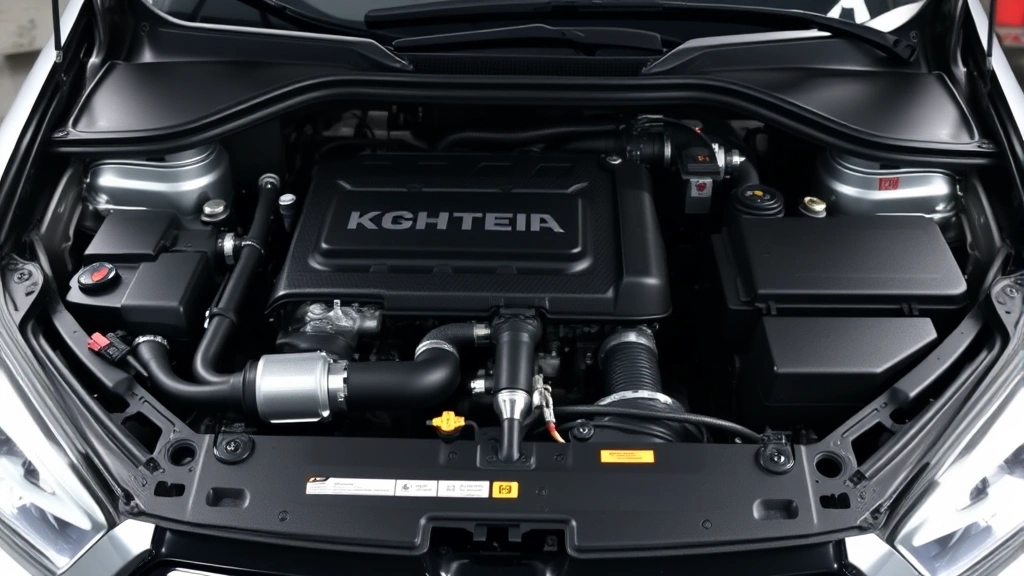
Can Gas Stabilizers Save Fuel? Expert Insight on Efficiency and Environmental Impact
Gas stabilizers have become increasingly popular among vehicle owners seeking to optimize fuel efficiency and protect their engines from degradation. These chemical additives promise to extend fuel shelf life, improve combustion efficiency, and reduce engine deposits—claims that warrant careful examination. As sustainability advocates, we must understand whether gas stabilizers genuinely deliver environmental benefits or merely represent another consumer product riding on misleading marketing waves.
The relationship between fuel additives and actual fuel economy improvement remains complex and often misunderstood. While some stabilizers may offer modest benefits under specific conditions, the broader question of their environmental value requires us to consider their chemical composition, long-term effectiveness, and whether they align with our collective shift toward sustainable energy solutions. This comprehensive guide examines the science behind gas stabilizers, separates fact from fiction, and explores whether they truly save fuel or simply drain your wallet.
What Are Gas Stabilizers and How Do They Work?
Gas stabilizers are chemical formulations designed to preserve gasoline quality and enhance its performance characteristics. These products typically contain detergents, antioxidants, corrosion inhibitors, and metal deactivators that work together to maintain fuel integrity during storage and combustion. Understanding their mechanisms helps us evaluate whether they deliver meaningful benefits or represent unnecessary expenses.
The primary active ingredients in most gas stabilizers include:
- Detergents: These compounds reduce carbon buildup on fuel injectors and intake valves, theoretically improving combustion efficiency
- Antioxidants: They prevent gum and varnish formation that occurs when gasoline oxidizes over time, particularly important for vehicles in storage
- Corrosion inhibitors: These protect fuel system components from rust and degradation caused by moisture and ethanol content
- Metal deactivators: They bind with trace metals that might catalyze fuel degradation, extending shelf life
Modern gasoline already contains many of these additives as mandated by the EPA’s Top Tier Fuel program. Major oil refineries add detergents to meet federal requirements, which raises an important question: do additional stabilizers provide supplementary benefits, or do they simply add redundant chemicals to an already-treated fuel supply? The answer varies depending on fuel quality, vehicle age, and storage conditions.
Do Gas Stabilizers Actually Improve Fuel Economy?
This is where marketing claims often diverge significantly from scientific reality. While manufacturers frequently advertise fuel economy improvements ranging from 2-5%, independent testing reveals a much more modest picture. Most rigorous studies show minimal to negligible improvements in miles per gallon when using gas stabilizers in modern vehicles.
The theoretical basis for fuel economy improvement centers on the idea that cleaner fuel injectors and intake valves enable more efficient combustion. However, several factors limit this benefit:
- Baseline fuel quality: Top Tier gasoline already contains sufficient detergents to maintain optimal engine cleanliness in most vehicles. Adding more detergents provides diminishing returns
- Engine condition: Vehicles with severe carbon buildup might experience modest improvements, but properly maintained engines see negligible gains
- Driving patterns: Highway driving shows minimal benefits, while city driving might see slight improvements due to more frequent fuel injector cycling
- Vehicle age: Older vehicles with significant deposits might benefit more than modern engines designed with fuel efficiency as a priority
According to the EPA’s gasoline detergent standards, all branded gasoline must contain minimum detergent levels. This regulatory requirement means that most consumers already have access to adequately treated fuel without purchasing additional stabilizers. The marginal benefit of supplementary additives typically amounts to less than 1% improvement in fuel economy—well within the margin of error for real-world driving conditions.

Environmental Considerations of Fuel Additives
From a sustainability perspective, the environmental impact of gas stabilizers extends beyond whether they save fuel. We must consider their manufacturing footprint, chemical composition, combustion byproducts, and whether they align with our transition toward cleaner transportation.
The chemical additives in stabilizers undergo combustion in your engine, introducing compounds into the atmosphere that wouldn’t otherwise be present. While manufacturers claim these substances are safe and approved by regulatory agencies, the cumulative environmental effect of millions of vehicles using these products warrants scrutiny. Some stabilizers contain compounds that persist in the environment or accumulate in aquatic ecosystems.
A more compelling environmental argument focuses on whether gas stabilizers actually reduce fuel consumption. If they don’t meaningfully improve fuel economy—as evidence suggests—then their environmental benefit is essentially zero. In fact, using unnecessary chemical additives might represent a net negative for sustainability, as it involves manufacturing and transporting products that provide no genuine environmental advantage.
Consider instead the broader context of fuel consumption reduction strategies. Advantages of electric vehicles and other transportation alternatives provide far more substantial environmental benefits than optimizing gasoline efficiency through additives. If your goal is reducing your carbon footprint, transitioning away from gasoline altogether offers greater impact than attempting to squeeze marginal efficiency gains from fossil fuels.
Types of Gas Stabilizers Available
The market offers diverse gas stabilizer products, each with different formulations and claimed benefits. Understanding the distinctions helps you make informed purchasing decisions, though we should note that most options provide similar minimal benefits.
Fuel System Cleaners: These products focus on removing carbon deposits from fuel injectors and intake valves. Popular brands like Techron and Gumout claim to restore engine performance and efficiency. While they may help extremely dirty fuel systems, they’re unnecessary for vehicles using quality gasoline and receiving regular maintenance.
Octane Boosters: These additives increase fuel octane ratings, theoretically improving performance in high-compression engines. However, most modern vehicles run optimally on regular-grade fuel, making octane boosters unnecessary for typical drivers. They represent an additional expense without corresponding benefits for most consumers.
Ethanol Treatment Additives: Designed specifically to address issues related to ethanol-blended gasoline (E10), these products claim to prevent water absorption and corrosion. For vehicles stored for extended periods or used in high-humidity environments, they may provide modest benefits, but typical drivers see little advantage.
Storage Stabilizers: Products like Sta-Bil specifically target fuel degradation during storage. These genuinely help preserve fuel quality in vehicles or equipment stored for months, making them the most legitimate use case for fuel additives.
When Gas Stabilizers Might Actually Help
While we’ve been skeptical about gas stabilizers’ general utility, certain specific situations exist where they provide genuine value. Understanding these scenarios helps you determine whether a stabilizer makes sense for your particular circumstances.
Long-term vehicle storage: If you’re storing a vehicle for six months or longer, fuel stabilizers genuinely prevent gum and varnish formation. Without stabilization, gasoline degrades significantly during extended storage, potentially causing fuel system problems when the vehicle returns to service. This represents one of the few instances where stabilizers deliver measurable benefits.
Equipment with small engines: Lawn mowers, generators, and other small-engine equipment often sit unused for months. Fuel degradation in these applications causes legitimate starting and performance issues. Using a storage stabilizer before seasonal shutdown prevents expensive repairs and extends equipment life.
Vehicles in high-humidity climates: In regions with persistent moisture in the air, water absorption into fuel tanks becomes a genuine concern. Stabilizers containing water-absorption compounds can prevent fuel system corrosion and microbial growth in extreme humidity situations.
Older vehicles with significant carbon buildup: Pre-2000s vehicles that haven’t received regular fuel system cleaning might benefit from a fuel system cleaner. However, even in these cases, the improvement typically amounts to 1-2% fuel economy improvement—modest at best.
Vehicles using fuel from unreliable sources: If you’re driving in remote areas where fuel quality is questionable, a stabilizer might provide some protection. However, the better solution involves seeking reliable fuel sources whenever possible.
Alternatives to Gas Stabilizers for Better Efficiency
Rather than relying on questionable fuel additives, numerous proven strategies deliver genuine fuel economy improvements. These alternatives align better with sustainability goals and provide more substantial benefits than gas stabilizers.
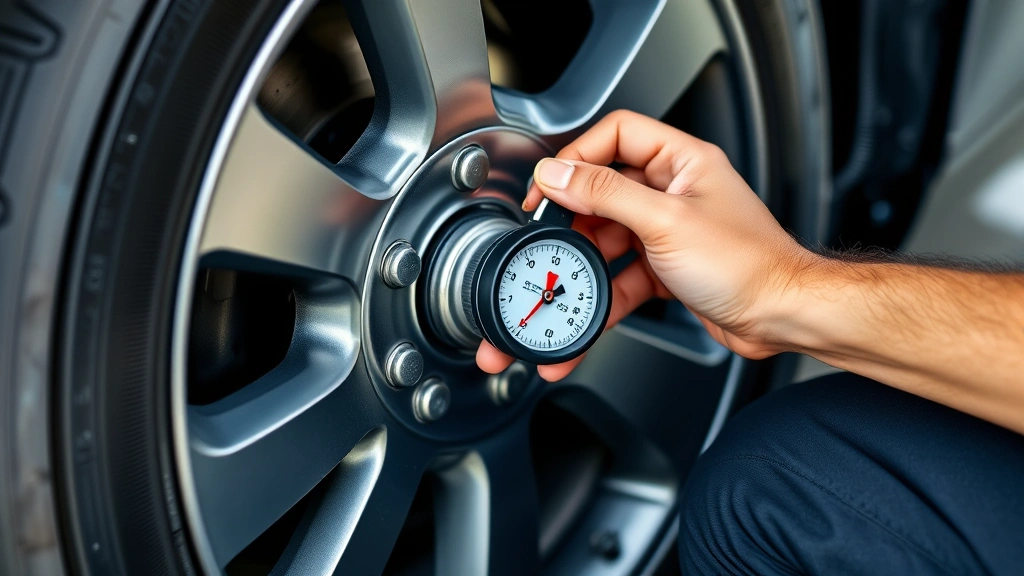
Maintain proper tire pressure: Under-inflated tires significantly increase rolling resistance, reducing fuel economy by 3-5%. Checking tire pressure monthly and maintaining manufacturer-recommended PSI represents one of the highest-return efficiency improvements available. This simple maintenance task costs nothing and immediately improves efficiency.
Regular engine maintenance: Keeping your engine properly tuned—including fresh air filters, clean spark plugs, and quality oil changes—ensures optimal combustion efficiency. A well-maintained engine naturally operates more efficiently than one running with degraded components.
Reduce vehicle weight: Removing unnecessary items from your vehicle reduces fuel consumption. Every 100 pounds of extra weight reduces fuel economy by approximately 1-2%. Clearing your trunk and roof rack provides free efficiency improvements.
Adopt efficient driving habits: Aggressive acceleration, excessive idling, and speeding substantially increase fuel consumption. Smooth acceleration, maintaining steady speeds, and avoiding unnecessary idling can improve fuel economy by 15-20%—far exceeding any benefit from additives. Learn more about how to reduce your environmental footprint through transportation choices.
Use synthetic oil: Synthetic motor oils reduce engine friction compared to conventional oil, improving fuel economy by 1-2%. Unlike fuel additives, this improvement is real and measurable while providing additional engine protection benefits.
Transition to electric or hybrid vehicles: The most impactful fuel economy improvement involves transitioning away from gasoline entirely. Electric vehicles offer substantial advantages over gasoline-powered cars, including dramatically improved efficiency and zero tailpipe emissions.
Upgrade to a more efficient vehicle: If your current vehicle is old or inefficient, purchasing a newer model with better fuel economy provides greater environmental benefit than attempting marginal improvements to an inefficient vehicle.
Expert Recommendations and Best Practices
Automotive engineers, environmental scientists, and fuel efficiency experts generally agree that gas stabilizers represent a poor investment for most consumers. However, they also acknowledge specific legitimate applications where stabilizers provide genuine value.
For daily drivers: Save your money. Use quality gasoline from reputable sources, maintain your vehicle regularly, and focus on driving habits. These approaches deliver far better returns than fuel additives. The EPA’s fuel economy website provides evidence-based guidance on maximizing efficiency without additives.
For seasonal storage: Invest in a quality fuel stabilizer before storing vehicles or equipment for extended periods. This represents one of the few scenarios where the investment provides measurable return by preventing fuel degradation and system problems.
For high-mileage vehicles: Consider a fuel system cleaning service from a reputable mechanic rather than over-the-counter additives. Professional cleaning addresses actual deposits more effectively than chemical additives.
For sustainability-focused consumers: Rather than optimizing gasoline consumption through additives, direct your efforts toward green technology innovations transforming our future. Transitioning to renewable energy sources and efficient transportation provides far greater environmental impact.
The broader truth about gas stabilizers is that they represent a classic example of consumer marketing outpacing scientific evidence. Manufacturers make claims that technically might be true in laboratory conditions but fail to materialize in real-world driving. For most consumers, the money spent on fuel additives would provide better returns if invested in vehicle maintenance or transitioning to more efficient transportation options.
Environmental consciousness requires us to question whether products genuinely deliver their promised benefits. In the case of gas stabilizers, the evidence suggests that for typical drivers in normal conditions, they don’t. A more sustainable approach involves accepting that optimizing gasoline consumption offers limited environmental benefit and instead focusing on reducing fossil fuel dependency altogether. Your most impactful decision involves choosing transportation methods that eliminate the need for fuel stabilizers entirely.
FAQ
Do gas stabilizers really save fuel?
No, for most drivers in normal conditions. While manufacturers claim 2-5% improvements, independent testing shows negligible real-world benefits—typically less than 1% and often unmeasurable. Modern gasoline already contains EPA-mandated detergents, making additional stabilizers largely redundant for daily drivers.
Are gas stabilizers safe for my engine?
Yes, approved fuel stabilizers are safe for engines. However, safety doesn’t translate to effectiveness. Just because a product won’t harm your engine doesn’t mean it will improve its performance or fuel economy. Stick with quality gasoline and regular maintenance instead.
When should I use gas stabilizers?
Gas stabilizers provide genuine value primarily for long-term storage situations—vehicles or equipment stored for six months or longer. In these cases, they prevent fuel degradation and subsequent engine problems. For daily drivers, they’re unnecessary.
Can gas stabilizers fix a rough-running engine?
Possibly, if rough running results from fuel system deposits. However, a qualified mechanic should diagnose the actual problem. A fuel system cleaning service likely addresses the issue more effectively than over-the-counter additives.
What’s the best way to improve fuel economy?
Maintain proper tire pressure, drive smoothly without aggressive acceleration, reduce unnecessary weight, and keep your engine properly maintained. These proven strategies deliver 5-20% improvements, far exceeding any benefit from fuel additives.
Are there environmental concerns with fuel additives?
Fuel additives undergo combustion, introducing chemicals into the atmosphere. If they don’t meaningfully improve efficiency, they represent unnecessary environmental burden. More sustainable approaches involve reducing gasoline consumption through vehicle transitions or driving habit changes.
Do all gasolines contain detergents?
Yes, all gasoline sold in the United States must meet EPA detergent standards. Top Tier gasoline from major brands contains additional detergents, providing excellent fuel system cleanliness without supplementary additives.
Should I use octane boosters in my car?
Probably not. Most modern vehicles run optimally on regular-grade fuel. Unless your engine specifically requires premium fuel (as indicated by your owner’s manual), octane boosters waste money without providing benefits.


