Gas Struts in Design: Engineer Insights for Sustainable Innovation
Gas struts represent a fascinating intersection of mechanical engineering and sustainable design principles. These pneumatic components, which use compressed gas to provide controlled motion and support, have become increasingly important in modern manufacturing and product development. Engineers worldwide are recognizing that gas struts offer not only functional advantages but also contribute to more sustainable product lifecycles by reducing wear, improving durability, and minimizing energy waste in mechanical systems.
As industries push toward greater environmental responsibility, understanding how gas struts optimize performance while reducing material consumption and maintenance demands becomes essential. This comprehensive guide explores the engineering insights behind gas struts, their applications across diverse industries, and their role in advancing more sustainable design practices. Whether you’re a design professional, engineer, or sustainability advocate, this exploration reveals why gas struts matter in the context of modern engineering challenges.

Understanding Gas Struts: Fundamental Engineering Principles
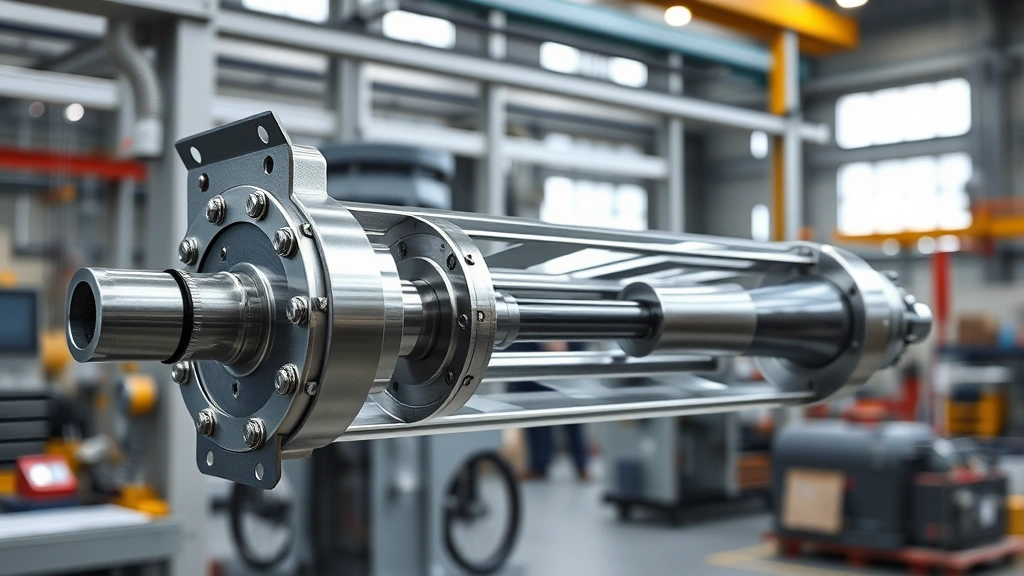
Gas struts, also known as pneumatic struts or gas springs, are mechanical devices that utilize compressed nitrogen gas to provide controlled force and motion. Unlike traditional mechanical springs, gas struts offer consistent force output across their entire range of motion, making them invaluable in precision engineering applications. The fundamental principle underlying their operation involves the relationship between gas pressure, volume, and temperature—concepts rooted in classical thermodynamics.
Engineers choose gas struts for applications requiring smooth, controlled motion with minimal friction and wear. The sealed, pressurized design eliminates many failure points associated with mechanical springs, which can fatigue, rust, or lose tension over time. This inherent durability translates directly into reduced maintenance requirements and extended product lifecycles, aligning perfectly with sustainability principles that emphasize longevity and resource efficiency.
The engineering advantages of gas struts stem from their ability to provide:
- Consistent force output regardless of position or temperature variations
- Smooth, damped motion without mechanical vibration or shock
- Compact design that reduces overall product size and material requirements
- Extended service life through sealed, maintenance-free operation
- Predictable performance enabling precise engineering calculations
How Gas Struts Work: The Science Behind Controlled Motion
The operational mechanics of gas struts involve several interconnected physical principles. A typical gas strut contains a piston rod, cylinder, and pressurized nitrogen gas chamber. When external force compresses the gas, the internal pressure increases, creating a counter-force that resists compression. This relationship between applied force and resulting pressure follows Boyle’s Law, demonstrating how engineering applies fundamental physics to solve real-world problems.
The damping mechanism in gas struts is particularly sophisticated. Unlike undamped systems that would oscillate wildly, gas struts incorporate specially designed orifices and internal passages that control gas flow between chambers. This creates viscous damping that smoothly arrests motion without mechanical friction, significantly extending component life compared to traditional spring systems. Engineers appreciate this feature because it reduces energy loss, decreases noise, and minimizes wear on surrounding components.
Temperature stability represents another critical engineering consideration. Gas behavior changes with temperature, but high-quality gas struts employ advanced manufacturing techniques and gas formulations to maintain consistent performance across wide temperature ranges. This stability proves essential in industrial applications where environmental conditions fluctuate, ensuring reliable operation in diverse climates and manufacturing environments.
The relationship between rod position and gas pressure creates what engineers call the “force-displacement curve.” This curve determines how the strut responds to applied loads at different positions, and skilled engineers manipulate this curve through gas pressure selection and internal geometry design to optimize performance for specific applications.
Applications Across Industries
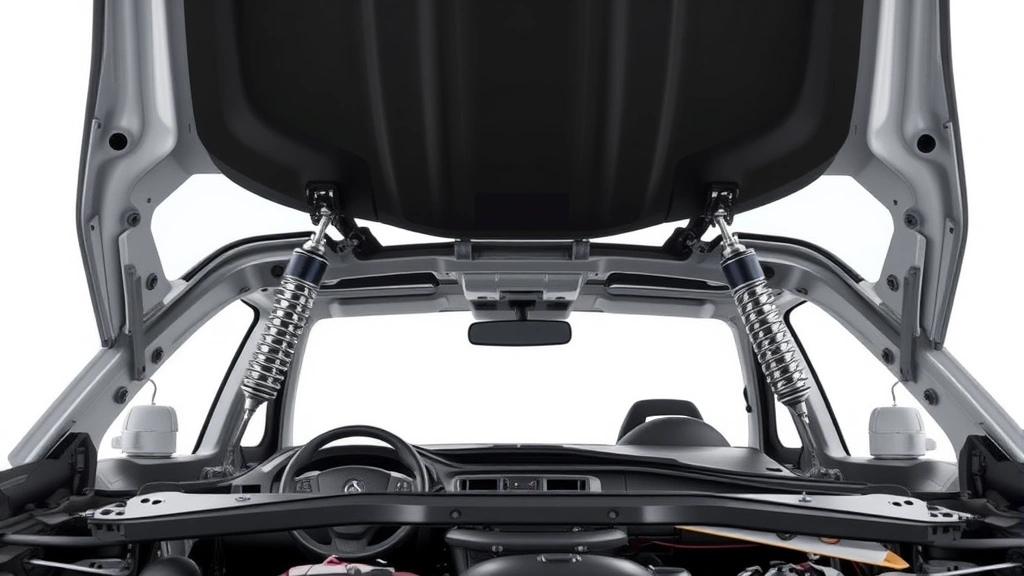
Gas struts have revolutionized design possibilities across numerous sectors. In the automotive industry, they support hoods, tailgates, and trunk lids with smooth, controlled motion while improving safety and user experience. Manufacturing equipment utilizes gas struts in press systems, assembly fixtures, and material handling devices where precise force control and durability are paramount.
Medical device manufacturers employ gas struts in surgical equipment, diagnostic machines, and patient positioning systems where reliability and smooth operation directly impact clinical outcomes. Aerospace applications demand gas struts that meet stringent weight and performance specifications while maintaining reliability under extreme conditions. The aerospace industry’s adoption of gas struts demonstrates their credibility in mission-critical applications.
Consumer products benefit from gas strut technology in countless ways: office furniture gains adjustable height mechanisms, computer monitors achieve smooth tilt adjustment, and appliance doors operate with controlled closure. These applications highlight how gas struts improve everyday user experience while reducing product complexity and maintenance needs. The green technology innovations increasingly incorporate gas struts as designers recognize their efficiency advantages.
Industrial automation represents a rapidly growing application area. Robotic systems, automated assembly lines, and material handling equipment rely on gas struts for smooth, predictable motion. The reliability of gas struts in these demanding environments reduces downtime and maintenance costs, ultimately improving operational efficiency and reducing resource consumption.
Sustainability Benefits in Manufacturing
From a sustainability perspective, gas struts offer multiple environmental advantages that extend throughout a product’s entire lifecycle. First, their durability significantly extends product lifespan, reducing the frequency of replacement and the associated manufacturing environmental costs. A component that lasts twice as long generates approximately half the manufacturing waste and resource consumption per year of use.
The sealed design of gas struts eliminates the need for lubrication, removing potential environmental hazards associated with oil disposal and contamination. Traditional mechanical systems often require regular maintenance involving lubricants that can leak into soil and waterways. Gas struts eliminate this concern entirely, representing a genuine environmental advantage in manufacturing operations.
Manufacturing efficiency improves when utilizing gas struts because their consistent performance reduces scrap rates and manufacturing errors. Precise force control and reliable operation mean fewer defective products and less material waste during production. This efficiency gain contributes directly to reducing environmental footprint across manufacturing facilities.
Energy consumption decreases in systems utilizing gas struts because their smooth, damped operation eliminates energy-wasting vibrations and shock loads. In industrial equipment, this translates to lower electrical consumption and reduced heat generation. Over the lifetime of manufacturing equipment, these efficiency gains accumulate into significant energy savings.
The compact design enabled by gas struts reduces overall product size and weight, lowering transportation impacts. Smaller, lighter products require less fuel to ship and generate lower carbon emissions throughout the supply chain. This design efficiency compounds across millions of products manufactured annually.
Gas struts support circular economy principles by enabling longer product lifecycles and easier maintenance. When products last longer and require less maintenance, they generate less waste and consume fewer resources. Engineers designing with sustainability in mind increasingly specify gas struts because their performance characteristics align with environmental responsibility goals.
Design Considerations for Engineers
Successful gas strut implementation requires careful engineering analysis and consideration of multiple factors. Engineers must first determine the required force characteristics for their application, considering both static loads and dynamic forces encountered during operation. This analysis drives the selection of appropriate gas pressure and cylinder geometry.
Load calculation represents the foundational engineering task. Engineers analyze worst-case scenarios, including maximum load conditions, temperature extremes, and operational duty cycles. Proper load analysis prevents premature failure and ensures the system operates safely throughout its intended lifespan. The sustainable energy solutions that engineers develop depend fundamentally on accurate load analysis and component selection.
Mounting configuration significantly impacts gas strut performance. Engineers must consider how the strut connects to the system, accounting for lateral forces, shock loads, and alignment requirements. Improper mounting can cause misalignment, accelerated wear, and premature failure. Correct engineering design addresses these considerations upfront, preventing costly field failures.
Environmental factors require careful evaluation. Temperature ranges, humidity levels, corrosive atmospheres, and exposure to chemicals all influence material selection and coating requirements. Engineers working in harsh environments must specify appropriate corrosion-resistant materials to ensure reliable long-term operation. This proactive approach extends service life and reduces maintenance needs.
Duty cycle analysis helps engineers predict component lifespan. Understanding how frequently the strut operates, the forces involved in each cycle, and the environmental conditions during operation enables accurate reliability predictions. This data-driven approach allows engineers to design systems that deliver consistent performance throughout their intended service life.
Integration with control systems represents an increasingly important consideration. Modern engineering often incorporates gas struts into automated systems with electronic control. Engineers must ensure that gas strut force characteristics complement control system requirements, creating harmonious integration that optimizes overall system performance.
Material Selection and Environmental Impact
The materials comprising gas struts significantly influence both performance and environmental impact. Steel cylinders provide excellent strength-to-weight ratios, while stainless steel variants offer superior corrosion resistance for demanding environments. Chrome-plated rod surfaces reduce friction and extend seal life, improving durability and reducing replacement frequency.
Seal materials deserve particular engineering attention because they directly impact operational reliability and environmental safety. High-quality seals prevent gas leakage, maintain consistent performance, and ensure the system remains fully sealed throughout its operational life. Poor seal selection leads to performance degradation and potential environmental contamination if pressurized gas escapes.
Modern gas strut manufacturing increasingly employs sustainable materials and processes. Manufacturers implementing sustainable design practices specify recycled steel, employ energy-efficient manufacturing processes, and minimize waste generation. These choices reduce environmental impact without compromising performance or reliability.
The environmental impact of material selection extends to end-of-life considerations. Gas struts with predominantly metal construction offer excellent recyclability. When products reach end-of-life, the steel and aluminum components can be recovered and reprocessed, supporting circular economy principles. This recyclability advantage positions gas struts favorably compared to alternatives requiring complex disassembly or containing non-recyclable materials.
Coating systems protect underlying materials while minimizing environmental impact. Powder coating processes generate minimal volatile organic compounds compared to traditional liquid coatings, reducing air pollution and worker exposure to harmful chemicals. Engineers selecting powder-coated gas struts support more sustainable manufacturing practices.
Performance Optimization Strategies
Engineers continuously develop new strategies to optimize gas strut performance and expand their application range. Advanced computational modeling enables precise prediction of gas strut behavior under complex loading conditions, allowing engineers to design systems with greater precision and efficiency.
Variable force gas struts represent an innovation that expands design possibilities. By incorporating multiple pressure zones or specially designed internal geometries, engineers create struts that provide different force values at different positions. This capability enables sophisticated load distribution and motion control impossible with traditional fixed-force designs.
Damping enhancement techniques improve the smoothness of motion and reduce shock loads. Engineers employ various internal flow restriction designs that optimize damping characteristics for specific applications. Enhanced damping reduces vibration, decreases noise, and extends component life by minimizing mechanical stress.
Material science advances enable gas struts to operate in more extreme environments. Specialized seal compounds withstand higher temperatures and chemical exposure. Advanced surface treatments provide superior corrosion resistance, allowing deployment in harsh industrial and marine environments. These innovations expand the range of applications where gas struts provide reliable performance.
Hybrid systems combining gas struts with electronic control represent the frontier of modern engineering. Proportional control valves and electronic sensors enable real-time adjustment of gas strut behavior, creating adaptive systems that respond dynamically to changing conditions. This integration of pneumatic and electronic technologies opens entirely new possibilities for precision engineering.
Predictive maintenance strategies leverage modern sensors and data analytics. By monitoring gas strut performance parameters, engineers can predict failures before they occur, enabling proactive maintenance scheduling. This approach minimizes unexpected downtime and extends overall system reliability, supporting the operational efficiency that modern industries demand.
FAQ
What makes gas struts more durable than mechanical springs?
Gas struts eliminate many failure mechanisms inherent to mechanical springs. The sealed design prevents corrosion and fatigue cracking. Gas pressure remains consistent throughout the operational range, avoiding the stress concentration points that cause mechanical spring failure. The absence of mechanical friction and vibration further extends service life, making gas struts significantly more durable in typical applications.
How do temperature changes affect gas strut performance?
Gas pressure changes with temperature according to Gay-Lussac’s Law. High-quality gas struts employ formulations and design features that minimize performance variation across temperature ranges. Modern engineering compensates for temperature effects through careful gas selection and internal design, ensuring reliable operation from extreme cold to high heat environments.
Can gas struts be repaired or must they be replaced entirely?
Most gas struts are sealed, non-repairable components designed for complete replacement. This design approach ensures safety and maintains performance integrity. However, the extended service life of properly engineered gas struts means replacement is infrequent, reducing long-term maintenance costs and environmental impact.
What environmental benefits do gas struts provide?
Gas struts deliver multiple environmental advantages: extended product lifespan reduces manufacturing waste, sealed design eliminates lubrication contamination risks, smooth operation reduces energy consumption, and compact design lowers transportation impacts. These benefits accumulate throughout the product lifecycle, making gas struts a genuinely sustainable engineering choice.
How do engineers select the correct gas pressure for an application?
Engineers calculate required gas pressure through load analysis, considering static loads, dynamic forces, and operational range. They use thermodynamic principles and empirical data to determine pressure that delivers required force across the full range of motion. Proper pressure selection ensures optimal performance, safety, and longevity.
Are gas struts suitable for vertical applications?
Yes, gas struts perform excellently in vertical applications, supporting loads against gravity. Engineers must account for gravitational forces in their load calculations, but gas struts reliably support vertical loads. This capability makes them ideal for applications like cabinet doors, hood supports, and vertical material handling equipment.
What role do gas struts play in modern automation?
Gas struts provide the reliable, consistent motion control that modern automated systems require. Their predictable performance characteristics integrate seamlessly with electronic control systems, enabling sophisticated motion sequences and adaptive behavior. This integration makes gas struts essential components in contemporary industrial automation and robotics.


