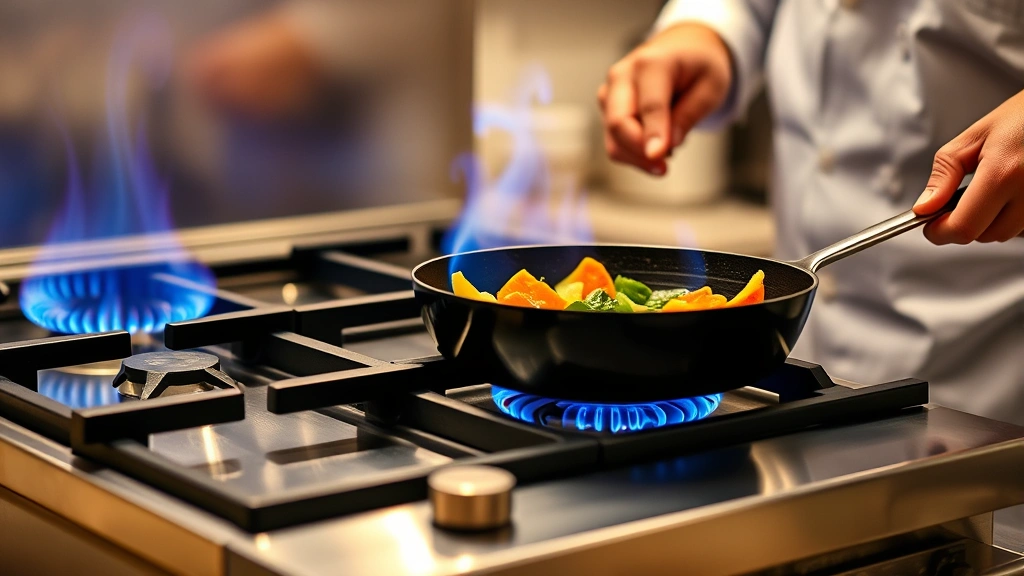
Gas Stove Sustainability: Chef’s Insights on Environmental Impact and Responsible Cooking
The kitchen is the heart of every home, and for professional chefs and home cooks alike, the choice of cooking appliance significantly influences both culinary outcomes and environmental footprint. Gas stoves with ovens have long been celebrated for their precision heating and superior cooking control, yet their sustainability credentials deserve thorough examination. This comprehensive guide explores the environmental implications of gas cooking, practical strategies for responsible use, and how modern chefs are balancing performance with planetary responsibility.
As global awareness of climate change intensifies, even our kitchen choices carry weight. Understanding the full lifecycle of gas stoves—from manufacturing through operation to eventual disposal—empowers consumers to make informed decisions aligned with their environmental values. Whether you’re a seasoned culinary professional or home enthusiast, this article provides actionable insights for sustainable gas stove ownership.
Environmental Impact of Gas Cooking
Natural gas combustion releases carbon dioxide and methane, two potent greenhouse gases contributing to climate change. A typical household gas stove with oven produces approximately 0.5 to 1.5 metric tons of CO2 annually, depending on usage frequency and cooking duration. Beyond direct emissions, methane leakage throughout the natural gas supply chain—from extraction to distribution—amplifies the environmental burden. Research from the Environmental Protection Agency indicates that methane has 25-28 times the global warming potential of carbon dioxide over a 100-year period.
However, the sustainability narrative isn’t entirely negative. Gas stoves offer superior thermal efficiency compared to traditional electric coil burners, converting approximately 70-75% of energy into cooking heat, whereas electric coils achieve only 65-70% efficiency. The sustainable energy solutions landscape is evolving, with cleaner natural gas sourcing and renewable biogas alternatives emerging as transitional options. Understanding these nuances helps consumers contextualize their kitchen choices within broader environmental frameworks.
The manufacturing process for gas stoves with ovens also carries environmental costs. Steel production, chrome plating, glass manufacturing, and electronic components all require energy-intensive processes. A lifecycle assessment reveals that operational emissions typically dwarf manufacturing impacts, accounting for 85-90% of total environmental burden over a 15-20 year appliance lifespan. This reality underscores the importance of maximizing efficiency during the use phase.
Comparing Gas vs. Electric and Induction
The debate between gas, electric, and induction cooking technologies remains nuanced from a sustainability perspective. Induction cooktops represent the most energy-efficient option, converting approximately 85-90% of electrical energy directly to cookware heating, with virtually no wasted heat. However, their sustainability advantage depends entirely on the electrical grid’s energy mix. In regions powered predominantly by renewable sources, induction cooking dramatically reduces environmental impact. Conversely, areas relying on fossil fuel-generated electricity may see diminished sustainability benefits.
Electric resistance cooktops fall between gas and induction in efficiency, converting 70-75% of electrical energy to cooking heat. They offer environmental advantages when paired with renewable electricity but typically underperform gas in terms of cooking control and responsiveness. Many professional chefs maintain that gas stoves provide unmatched precision for temperature adjustment, a factor influencing food waste reduction through superior cooking outcomes. Visit our advantages of electric vehicles section to explore how transportation electrification parallels kitchen appliance transitions.
When evaluating your cooking appliance, consider your regional gas prices around me and local electricity generation sources. In areas with abundant hydroelectric, wind, or solar power, electric or induction cooking becomes more environmentally favorable. For regions dependent on natural gas infrastructure, optimizing gas stove efficiency becomes the pragmatic sustainability choice. The natural gas vs propane comparison further illuminates this decision-making process, as propane offers slightly different environmental profiles and efficiency characteristics.
Maximizing Efficiency in Your Kitchen
Regardless of your appliance choice, operational practices dramatically influence environmental impact. Proper pan selection represents the first efficiency frontier: matching cookware diameter to burner size prevents heat loss and reduces cooking time. Using lids while cooking traps steam and heat, cutting energy requirements by 30-40% for boiling water or simmering soups. Flat-bottomed cookware ensures optimal contact with gas burner flames, maximizing heat transfer efficiency.
Preheating deserves reconsideration in sustainable cooking practices. Many dishes—particularly baked goods—require preheating for optimal results, but excessive preheating wastes energy. Preheat for the minimum necessary time (typically 10-15 minutes for most ovens) rather than allowing extended warmup periods. Batch cooking and utilizing residual oven heat for multiple dishes amplifies efficiency gains.
Regular maintenance directly impacts gas stove performance. Keeping burner ports clean ensures complete combustion and prevents fuel waste. Checking oven seals and insulation maintains temperature consistency, reducing energy consumption. Professional servicing annually optimizes ignition systems and burner performance, preventing gradual efficiency degradation. These maintenance practices cost relatively little but yield significant environmental and economic benefits over time.
Consider installing a programmable or smart oven thermostat to maintain precise temperatures and prevent overshooting energy consumption. Some modern gas ovens feature convection technology, distributing heat more evenly and reducing cooking times by 25-30%. These features increase upfront costs but deliver substantial operational savings and reduced environmental impact.

Indoor Air Quality Considerations
Beyond climate impact, gas cooking raises important indoor air quality concerns. Nitrogen dioxide (NO2) and carbon monoxide (CO) emissions from gas burners accumulate in poorly ventilated kitchens, potentially affecting respiratory health and household air quality. The Centers for Disease Control and Prevention recommends proper ventilation during and after gas cooking to maintain healthy indoor environments.
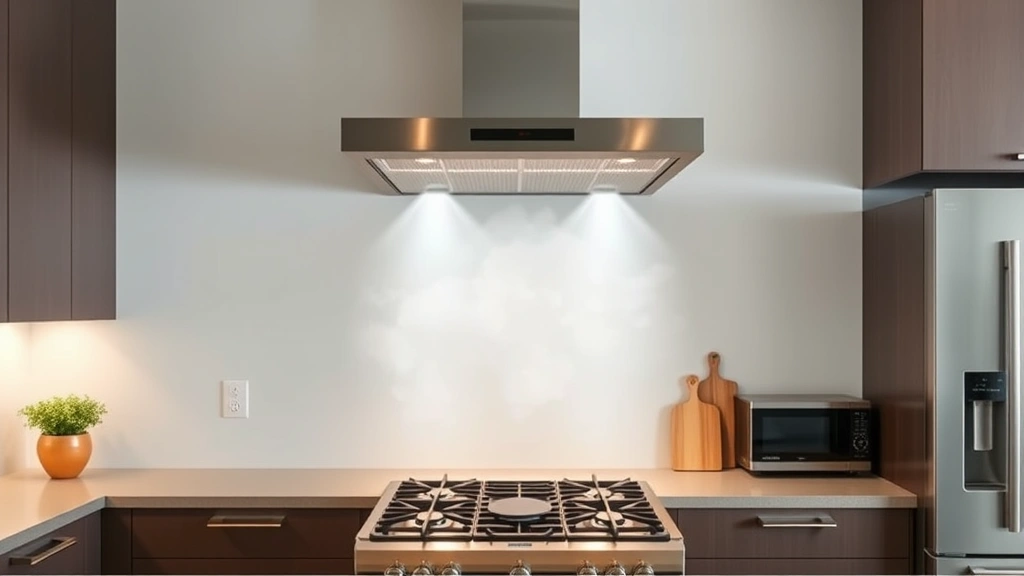
Installing range hoods or ventilation systems becomes essential when using gas stoves with ovens. Vented hoods that exhaust air outdoors prove most effective, though recirculating hoods with activated charcoal filters offer alternatives for homes without exterior venting options. Running ventilation systems during cooking and for 10-15 minutes afterward reduces indoor pollutant concentrations significantly.
Sustainable kitchen design increasingly prioritates ventilation as a core component, not an afterthought. Modern energy-efficient homes with superior insulation and air-sealing require deliberate ventilation strategies to prevent pollutant accumulation. Balancing energy efficiency with air quality creates an integrated approach to sustainable, healthy kitchens. Research from the Sierra Club highlights how indoor air quality directly influences long-term health outcomes and quality of life.
Sustainable Cooking Practices
Sustainability extends far beyond appliance selection into daily cooking habits and ingredient sourcing. Utilizing your gas stove with oven efficiently means planning meals strategically to minimize cooking time and energy consumption. One-pot meals, sheet pan dinners, and batch cooking concentrate energy use while reducing water waste and cleanup requirements.
Seasonal eating and local sourcing reduce transportation emissions associated with your ingredients, often exceeding the environmental impact of your cooking method. A meal prepared with locally-sourced, seasonal produce on a gas stove may carry lower total environmental impact than an identical meal prepared on an induction cooktop using imported ingredients. This holistic perspective recognizes that sustainability encompasses entire food systems, not isolated appliances.
Food waste reduction represents perhaps the most impactful sustainable cooking practice. Utilizing vegetable scraps for stocks, repurposing stale bread, and proper storage techniques extend ingredient lifespans. Over a year, preventing food waste from one household saves approximately 0.5-1 metric ton of CO2-equivalent emissions that would result from waste decomposition and replacement food production.
Explore our SustainWise Hub Blog for additional insights on integrating sustainability throughout your kitchen and home. Connecting with broader sustainability communities provides ongoing inspiration and practical strategies for reducing environmental footprints.
Choosing Eco-Conscious Appliances
When selecting a gas stove with oven, several environmental criteria merit consideration. Look for models with Energy Star certification, indicating superior efficiency compared to standard appliances. These certified models typically consume 10-15% less energy than non-certified alternatives, translating to meaningful environmental and economic savings over 15-20 year lifespans.
Convection ovens represent a significant efficiency upgrade, circulating hot air to distribute heat more evenly and reduce cooking times. This feature becomes particularly valuable for households baking regularly. Dual fuel ranges combining gas burners with electric ovens offer another option, leveraging gas efficiency for stovetop cooking while potentially utilizing renewable electricity for oven heating in some scenarios.
Durability and repairability influence long-term sustainability. Appliances designed for longevity and featuring readily available replacement parts reduce waste and environmental burden. Stainless steel construction resists corrosion and maintains functionality across decades, contrasting with lower-quality finishes requiring premature replacement. Reading manufacturer sustainability reports and checking Energy Star ratings provides standardized comparison frameworks.
Consider the best gas station gasoline quality and sourcing when thinking about fuel quality for your home’s natural gas supply. Some utility providers offer renewable natural gas or biogas blending options that reduce methane emissions. Inquiring about these programs supports market development for cleaner fuel alternatives.
Second-hand or refurbished gas stoves present compelling sustainability options, embodying circular economy principles by extending appliance lifespans. Professional refurbishing ensures safety and functionality while dramatically reducing manufacturing environmental impact. This approach particularly appeals to budget-conscious consumers prioritizing sustainability.
FAQ
Are gas stoves more sustainable than electric or induction cooktops?
Sustainability depends on regional electricity generation and specific usage patterns. Gas stoves excel in thermal efficiency compared to electric resistance cooktops but underperform induction cooktops. In areas with renewable electricity, induction represents the most sustainable option. Where fossil fuel-generated electricity dominates, optimized gas cooking may prove more environmentally favorable. Regional context and personal cooking habits ultimately determine the most sustainable choice for individual households.
How can I reduce emissions from my gas stove with oven?
Maximize efficiency through proper cookware selection, using lids during cooking, avoiding excessive preheating, performing regular maintenance, and installing adequate ventilation. Batch cooking, meal planning, and food waste reduction further amplify sustainability benefits. These practices collectively reduce annual emissions by 20-35% without requiring appliance replacement.
What ventilation is necessary when cooking with gas?
Vented range hoods exhausting air outdoors provide optimal indoor air quality protection. If venting outdoors isn’t feasible, high-quality recirculating hoods with activated charcoal filters offer alternatives. Run ventilation during cooking and for 10-15 minutes afterward to reduce nitrogen dioxide and carbon monoxide accumulation. Maintaining proper ventilation protects household health while supporting sustainable kitchen environments.
Should I replace my gas stove for environmental reasons?
Replacing a functioning gas stove typically generates more environmental impact than continued use, as manufacturing emissions for new appliances are substantial. Optimize your existing stove’s efficiency through maintenance and operational practices. When eventual replacement becomes necessary, select high-efficiency models with strong sustainability credentials. This measured approach balances environmental concerns with practical economic and resource considerations.
Are there sustainable alternatives to natural gas cooking?
Induction and electric cooktops represent primary alternatives, with sustainability dependent on electrical grid composition. Biogas and renewable natural gas options are emerging in some regions, offering lower-emission versions of gas cooking. Hybrid approaches combining gas burners with electric ovens leverage advantages of both technologies. Exploring local utility programs and renewable energy options reveals alternatives suited to your specific circumstances.
How do I verify a gas stove’s environmental credentials?
Check for Energy Star certification, review manufacturer sustainability reports, and compare efficiency ratings across models. Research the company’s environmental commitments and manufacturing practices. Reading independent reviews and consulting professional chef perspectives provides practical insights into long-term performance and reliability, which directly influence sustainability through extended appliance lifespans.


