GE Gas Range Parts: A Comprehensive Guide to Maintenance, Sustainability, and Performance
Gas ranges have been a staple of American kitchens for decades, and GE has established itself as a trusted manufacturer of reliable cooking appliances. Understanding GE gas range parts is essential for homeowners who want to maintain their appliances efficiently, extend their lifespan, and minimize environmental waste through proper care and responsible repair practices. Whether you’re dealing with a malfunctioning burner, a faulty ignition system, or simply seeking to optimize your range’s performance, this comprehensive guide will walk you through everything you need to know about GE gas range components, their functions, and how to maintain them sustainably.
In an era where household energy consumption significantly impacts our environmental footprint, maintaining your cooking appliances properly becomes an act of environmental stewardship. A well-maintained gas range operates more efficiently, uses less fuel, and reduces unnecessary waste from premature replacement. This guide combines practical maintenance knowledge with sustainability considerations, helping you make informed decisions about your GE gas range while contributing to a more sustainable home environment.
Understanding GE Gas Range Components
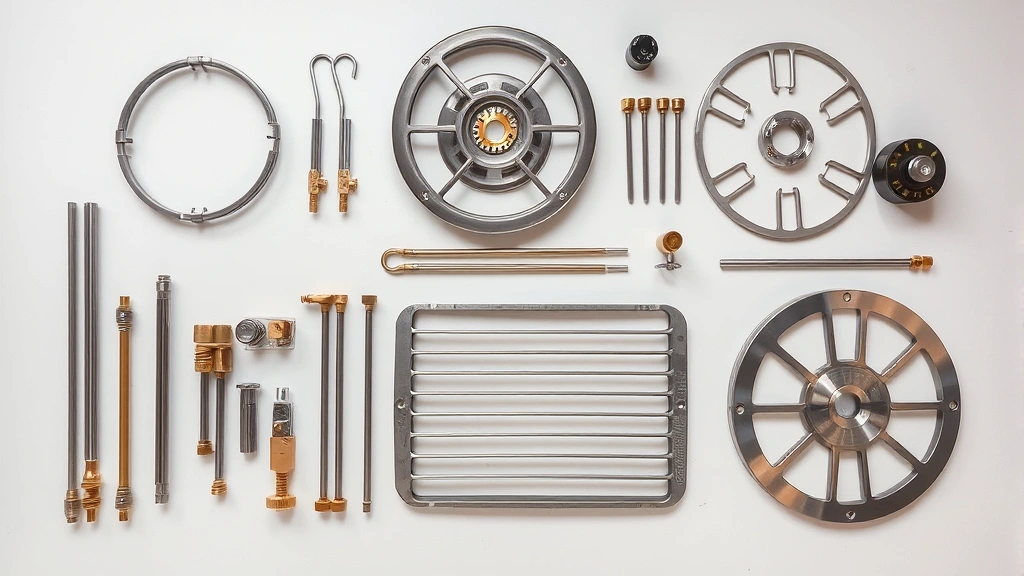
A GE gas range is a complex assembly of interconnected systems working together to provide reliable cooking functionality. The major components include the burner system, ignition mechanism, control knobs and switches, grates, cooking surface, oven cavity, heating elements, thermostat controls, and various safety features. Each component plays a critical role in the overall performance and safety of your appliance.
The range’s structure typically consists of an outer cabinet, internal framework, cooking surface (cooktop), and an oven chamber below. Modern GE gas ranges incorporate advanced features such as sealed burners that prevent spills from reaching internal components, electronic ignition systems that eliminate the need for pilot lights, and precision temperature controls that ensure consistent cooking results. Understanding how these parts interact helps you identify problems quickly and maintain your appliance more effectively.
When considering your cooking appliance’s environmental impact, it’s worth exploring how your gas range fits into your overall energy strategy. Many homeowners compare their options by examining gas vs electric water heater principles, which apply similarly to cooking appliances. Additionally, understanding gas weight per gallon can help you monitor and manage your household fuel consumption more effectively.
Burner Systems and Ignition Parts
The burner system is the heart of your GE gas range, and it consists of several interconnected parts that work together to produce heat for cooking. Each burner includes a burner cap, burner base, gas valve, and ignition electrode. The burner cap sits on top of the burner base and has small ports that allow gas to escape and ignite, creating the characteristic flame pattern you see when cooking.
GE gas ranges typically feature sealed burner systems, which are superior to open burner designs because they prevent food and liquid spills from entering the internal gas lines and burner tubes. The sealed design makes cleaning easier and extends the lifespan of your burner components. The burner base sits directly on the cooktop and connects to the gas supply line beneath the range surface.
The ignition system in modern GE gas ranges uses electronic spark ignition rather than traditional pilot lights. This system includes an ignition electrode, ignition module, and spark switch. When you turn the burner control knob, it activates the spark switch, which sends a signal to the ignition module, creating a spark at the electrode that ignites the gas. This system is more energy-efficient than pilot lights because it doesn’t continuously burn gas when the range is idle.
Common ignition problems include weak or no spark, which often indicates a faulty ignition electrode or module. Cleaning the electrode regularly with a dry cloth can resolve minor issues, while more serious problems may require professional replacement. The EPA provides guidance on gas stove safety and maintenance, emphasizing the importance of proper ventilation and regular inspection.
The gas valve assembly controls the flow of gas to each burner and maintains consistent pressure. GE uses high-quality brass and stainless steel components in their valve systems to ensure durability and prevent corrosion. If you notice uneven flame patterns or difficulty igniting burners, the gas valve may need cleaning or replacement.
Cooking Surface and Grates
The cooktop surface of your GE gas range serves as the foundation for your burners and endures significant daily wear. Most GE gas ranges feature porcelain-coated steel cooktops, which provide excellent durability while being relatively easy to clean. The porcelain coating resists staining and scratching, though proper care extends its lifespan considerably.
Grates are the metal supports that hold your cookware in place above the burners. GE manufactures grates from cast iron or steel, with many models featuring porcelain-coated grates for easier cleaning and improved appearance. Cast iron grates, while heavier and more durable long-term, require more maintenance to prevent rust. Porcelain-coated grates are lighter and easier to clean but can chip if dropped or subjected to sudden temperature changes.
Proper grate maintenance involves regular cleaning and occasional seasoning if you have cast iron grates. Avoid placing cold grates on hot burners or vice versa, as this thermal shock can cause cracking. Many homeowners find it beneficial to remove grates during deep cleaning to access the cooktop surface thoroughly. Replacement grates are readily available and relatively affordable, making them an easy maintenance item to address.
The cooktop surface itself requires gentle cleaning with appropriate products. Avoid abrasive scrubbers that can damage the porcelain coating, and use mild detergents or specialized cooktop cleaners. Promptly wiping up spills prevents staining and reduces the need for aggressive cleaning later.
Oven Components and Controls
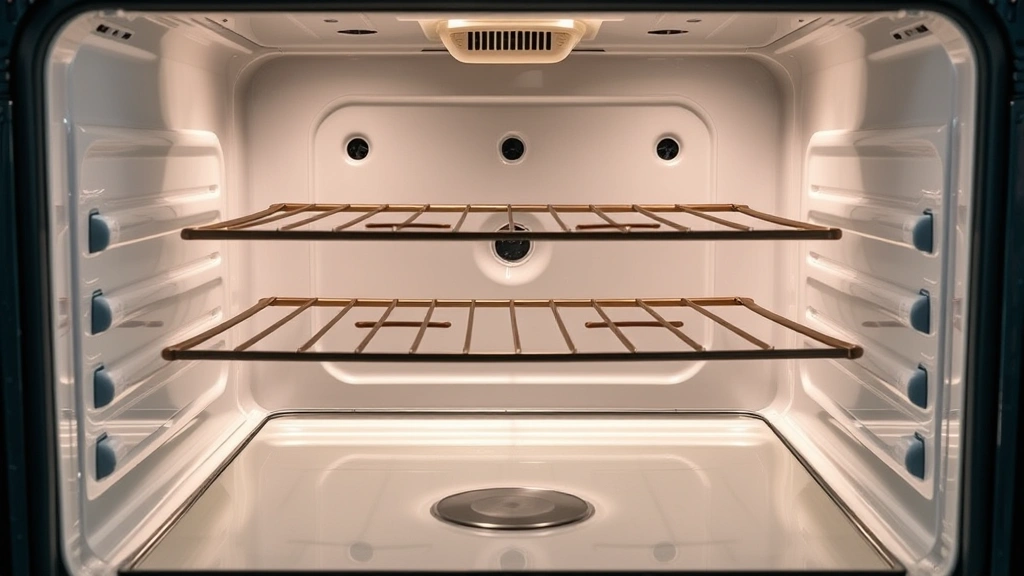
The oven cavity is where the actual baking and roasting happens in your GE gas range. This chamber is insulated to retain heat and features heating elements that distribute warmth evenly throughout the space. The oven bottom includes a removable rack or grate that supports your cookware, and most GE models include at least one additional rack for flexible cooking arrangements.
The oven heating system in gas ranges operates differently from the cooktop burners. Instead of open flames, gas ovens use a single burner located at the bottom of the cavity, controlled by a thermostat that maintains your set temperature. This design provides more consistent heat distribution and prevents hot spots that can occur with traditional gas ovens that use flames directly exposed to the cooking chamber.
The thermostat is a critical component that senses the oven temperature and signals the gas valve to increase or decrease gas flow to maintain your desired cooking temperature. Over time, thermostats can become less accurate, leading to uneven baking results. Many GE ovens include an oven temperature sensor that works in conjunction with the thermostat for improved accuracy.
Control knobs and switches on the front of your range allow you to select burner settings and oven temperature. Modern GE ranges often feature electronic controls with digital displays, while traditional models use mechanical knobs. These controls connect to switches that activate the ignition system and regulate gas flow. Replacing worn or broken control knobs is typically straightforward and inexpensive.
The oven door and window are important components that deserve proper care. The glass window allows you to monitor cooking progress without opening the door, which helps maintain oven temperature and energy efficiency. Keep the window clean for better visibility, and handle the door gently to prevent damage to hinges and seals. Most GE oven doors can be removed for easier cleaning by lifting them slightly and pulling outward.
Maintenance and Replacement Strategies
Regular maintenance is the most effective way to keep your GE gas range operating at peak performance while minimizing the need for costly repairs. A simple monthly inspection can catch developing problems before they become serious issues. Check burner caps and bases for corrosion or damage, ensure all ignition electrodes are clean and properly positioned, and verify that all burners ignite smoothly and burn with a consistent blue flame.
Cleaning your gas range properly maintains both functionality and appearance. Remove and clean burner caps and bases with warm soapy water, using a small brush to clear any debris from the gas ports. Wipe down the cooktop with appropriate cleaners, and clean the oven interior regularly to prevent buildup of food residue and grease. A clean range operates more efficiently and is safer to use.
When parts need replacement, GE offers genuine replacement components that ensure compatibility and optimal performance. Common replacement parts include burner caps and bases, ignition electrodes, control knobs, oven racks, and thermostats. Purchasing genuine GE parts, rather than generic alternatives, guarantees proper fit and function. Many parts are available through authorized GE dealers or online retailers specializing in appliance components.
Learning basic troubleshooting can help you identify whether a problem requires professional service or simple maintenance. If a burner won’t ignite, first check that the electrode is clean and properly positioned. If multiple burners have ignition problems, the issue likely stems from the ignition module rather than individual burners. Uneven cooking in the oven might indicate a faulty thermostat or temperature sensor, which usually requires professional replacement.
Document your maintenance activities in a simple log, recording cleaning dates, any repairs performed, and parts replaced. This history helps you track patterns and plan future maintenance, while also providing valuable information if you ever need professional service or decide to sell your home.
Sustainable Practices for Gas Range Care
Maintaining your GE gas range aligns with broader sustainability goals by extending the appliance’s lifespan and optimizing its energy efficiency. When you properly maintain your range, you reduce the need for premature replacement, which keeps manufacturing waste out of landfills and conserves the resources required to produce new appliances. This approach is far more sustainable than replacing a functional appliance simply because it needs minor repairs.
Gas cooking itself has environmental implications worth considering. While natural gas produces fewer emissions than electricity generated from coal, it does contribute to greenhouse gases. Exploring sustainable energy solutions for your home can help you make informed decisions about your cooking methods and overall energy strategy. Some homeowners supplement gas cooking with renewable energy sources or consider transitioning to electric induction cooking for certain applications.
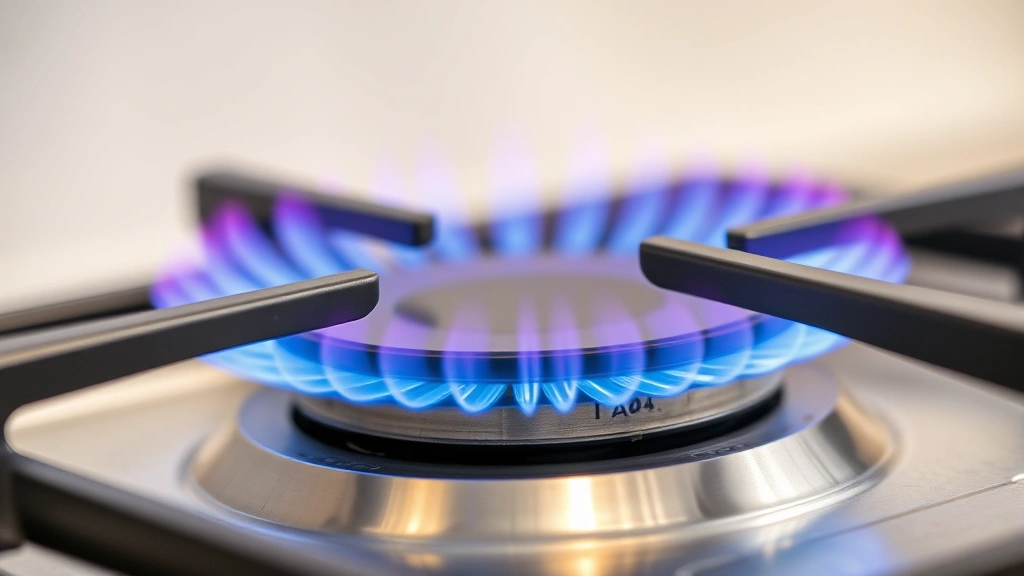
Efficient gas range operation begins with proper maintenance that ensures all components function as designed. A well-maintained burner system produces the characteristic blue flame, which indicates complete combustion and maximum energy efficiency. Yellow or orange flames suggest incomplete combustion, which wastes fuel and produces more emissions. If you observe discolored flames, have your range serviced promptly to restore optimal performance.
Proper ventilation is essential for both safety and environmental responsibility. Energy Star provides recommendations for kitchen ventilation systems that capture combustion byproducts while minimizing heat loss. A properly functioning range hood removes harmful combustion products while maintaining indoor air quality. Regular cleaning of range hood filters ensures continued effectiveness and prevents grease buildup that reduces efficiency.
Consider your cooking practices as part of your environmental footprint strategy. Using lids on pots reduces cooking time and fuel consumption, while matching pot size to burner size ensures efficient heat transfer. Planning meals and batch cooking reduces the frequency of range use. These simple practices, combined with proper range maintenance, significantly reduce your kitchen’s environmental impact.
When to Repair vs Replace
Deciding whether to repair or replace your GE gas range requires considering several factors, including the appliance’s age, the cost of repairs, and the availability of parts. Most GE gas ranges have a lifespan of 15 to 20 years with proper maintenance, though some components may need replacement before the appliance reaches the end of its useful life.
If your range is less than 10 years old and the repair cost is less than 50% of a replacement appliance’s price, repair is typically the most economical and sustainable choice. Extending the life of an existing appliance keeps manufacturing waste out of landfills and conserves the energy and resources required to produce new appliances. Replacement should be considered when repair costs exceed this threshold or when the appliance is nearing the end of its expected lifespan.
Environmental considerations often favor repair over replacement. Manufacturing a new appliance requires significant energy and resources, producing substantial emissions throughout the production and transportation process. The EPA’s sustainable materials management program encourages extending product lifespans through maintenance and repair as a primary strategy for reducing environmental impact.
If you do decide to replace your range, ensure proper disposal of the old appliance. Many retailers offer haul-away services when delivering new appliances, and local recycling centers accept appliances for responsible material recovery. Parts like copper wiring, steel, and other metals can be recovered and reused, reducing the need for new resource extraction.
When selecting a replacement GE gas range, look for models with improved energy efficiency features such as sealed burners, electronic ignition, and convection ovens that distribute heat more evenly. These features reduce gas consumption while improving cooking performance. Consider your actual cooking needs and select a model that matches your lifestyle rather than automatically choosing the largest or most feature-rich option available.
Your decision to repair or replace should also consider how your appliance fits into your broader home sustainability strategy. If you’re working toward reducing your environmental footprint, maintaining and properly caring for your current range represents a meaningful contribution to that goal. Delaying unnecessary replacement by several years through diligent maintenance significantly reduces your kitchen’s overall environmental impact.
FAQ
What are the most commonly replaced GE gas range parts?
The most frequently replaced parts include burner caps and bases, ignition electrodes, control knobs, oven racks, and thermostats. These components experience regular wear from daily use and are relatively simple to replace, making them ideal for do-it-yourself maintenance.
How do I identify the correct replacement parts for my GE gas range model?
Your range’s model number, typically found on a label inside the oven or on the back of the unit, is essential for identifying compatible parts. GE’s website and authorized dealers can help you locate the correct parts for your specific model. Always verify part numbers before ordering to ensure compatibility.
Can I repair my GE gas range myself, or should I hire a professional?
Simple maintenance tasks like cleaning burners and replacing control knobs can be handled by homeowners. However, work involving the gas system, electrical components, or oven heating elements should be performed by qualified professionals to ensure safety and proper functioning.
How often should I perform maintenance on my gas range?
Monthly inspections and cleaning help catch developing problems early. Deep cleaning of burners and the oven should occur quarterly, while professional servicing is recommended annually for older ranges or if you notice any performance issues.
What does a blue flame on my gas burners indicate?
A blue flame indicates complete combustion of the gas, which means your burner is operating efficiently and safely. Yellow or orange flames suggest incomplete combustion, often caused by blocked burner ports or air shutter misalignment, and should be addressed promptly.
Are GE gas range parts readily available?
Yes, GE has an extensive network of authorized dealers and online retailers that stock common replacement parts. Most parts are available for delivery within a few days, making repairs convenient and accessible for homeowners.
How can I improve my gas range’s energy efficiency?
Keep burners clean and properly maintained for complete combustion, use lids on pots to reduce cooking time, match pot sizes to burner sizes, and ensure proper oven insulation. Regular maintenance ensures all components function optimally, maximizing energy efficiency.


