Gas Stoves & Sustainability: Expert Insight on GE Profile and Environmental Impact
The kitchen has become ground zero for sustainability conversations, and gas stoves sit at the center of heated debate. As homeowners increasingly prioritize eco-conscious choices, the question of whether premium gas appliances like the GE Profile gas stove align with environmental values deserves serious examination. This comprehensive guide explores the sustainability implications of gas cooking, the efficiency standards modern stoves meet, and how your kitchen choices ripple through broader energy systems.
Gas stoves have dominated American kitchens for decades, prized by professional chefs and home cooks alike for their precise heat control and instant ignition. However, emerging research on indoor air quality, methane emissions, and energy efficiency has prompted a critical reevaluation. Understanding the environmental footprint of gas cooking—and how it compares to alternatives—empowers you to make informed decisions aligned with your sustainability values.
The Environmental Cost of Natural Gas Cooking
Natural gas combustion produces carbon dioxide and water vapor as primary byproducts, but the sustainability equation extends far beyond what happens at your burner. The extraction, processing, transportation, and distribution of natural gas create environmental impacts across the entire supply chain. When you cook with a GE Profile gas stove or any comparable model, you’re participating in a complex energy system with consequences that stretch from wellheads to your kitchen.
The lifecycle of natural gas begins with extraction—primarily through conventional drilling and hydraulic fracturing. These operations consume significant water resources and can impact local ecosystems. The EPA monitors air quality impacts from gas extraction and processing facilities. Once extracted, gas must be compressed, transported through extensive pipeline networks, and finally distributed to individual homes. Each stage involves energy expenditure and potential leakage, with methane—a potent greenhouse gas—escaping at various points in the distribution system.
Gas stoves themselves operate with reasonable efficiency when properly maintained. However, sustainable energy solutions increasingly focus on reducing reliance on fossil fuels entirely. A GE Profile gas stove typically converts 60-70% of the energy in natural gas into usable heat, while the remainder escapes as waste heat through venting. This efficiency rate hasn’t dramatically improved over the past two decades, suggesting that innovation in gas appliance efficiency has plateaued compared to revolutionary advances in electric cooking technology.

GE Profile Gas Stove Efficiency Standards
GE Profile represents the premium segment of gas cooking appliances, featuring advanced burner designs, improved ignition systems, and enhanced control mechanisms. Modern GE Profile models incorporate several efficiency-focused features: sealed burners that prevent spills from reaching the firebox, convection cooking options that distribute heat more evenly, and electronic ignition systems that eliminate the continuous pilot light burning found in older models.
The sealed burner design is particularly noteworthy from an environmental perspective. By containing spills within the burner area, these stoves reduce heat loss and improve overall cooking efficiency. Electronic ignition systems eliminate the 300-400 BTU per hour energy waste associated with continuously burning pilot lights—a meaningful reduction for daily cooking. When you explore green technology innovations transforming our future, you’ll find that appliance manufacturers have made incremental improvements in gas stove efficiency, though these enhancements remain modest compared to paradigm shifts in other home systems.
However, GE Profile gas stoves still lack some efficiency features available in competing technologies. The inability to adjust flame size to match cookware diameter means some heat always disperses into the kitchen rather than transferring to your pot or pan. Additionally, gas stoves lose substantial heat through ventilation requirements—most building codes mandate that gas stoves be vented to the exterior, carrying warm air out of your home during cooking.
Energy Star certification programs have been slower to establish rigorous standards for gas ranges compared to other appliances. This reflects both the technical challenges of measuring gas stove efficiency and the political influence of gas industry stakeholders. Most premium gas stoves, including GE Profile models, meet basic efficiency requirements, but they’re not necessarily distinguished for exceptional environmental performance.
Methane Emissions and Climate Impact
While cooking itself produces carbon dioxide, the broader sustainability concern centers on methane—a greenhouse gas 25-28 times more potent than CO2 over a 100-year period. Methane escapes throughout the natural gas supply chain, and this leakage represents a critical environmental vulnerability of gas cooking.
Recent research from institutions studying methane emissions from gas infrastructure suggests that supply chain losses may be higher than previously estimated. Some studies indicate that 2-3% of natural gas escapes as methane during distribution—a seemingly small percentage that translates to substantial climate impact given methane’s potency. When you use a GE Profile gas stove, you’re not just emitting CO2 from combustion; you’re also driving demand for a fuel source with significant fugitive methane losses.
The climate math becomes clearer when comparing lifecycle emissions. A gas stove powered by electricity generated from renewable sources would produce zero operational emissions, while a gas stove contributes approximately 5-10 metric tons of CO2 equivalent annually (including supply chain methane) for a household cooking 2-3 hours daily. Over a stove’s 15-20 year lifespan, this accumulates to 75-200 metric tons of CO2 equivalent—equivalent to the annual emissions of 15-40 gasoline-powered vehicles.
This climate impact varies significantly based on your regional electricity grid composition. In areas where electricity comes primarily from renewable sources or nuclear power, switching from gas to electric cooking eliminates nearly all cooking-related emissions. Conversely, in regions relying heavily on fossil fuel power plants, the emissions reduction is smaller but still meaningful given the superior efficiency of electric cooking.
Indoor Air Quality Considerations
Beyond climate impacts, gas stove combustion raises indoor air quality concerns that sustainability-minded homeowners should understand. When natural gas burns, it produces not just CO2 but also nitrogen dioxide (NO2), formaldehyde, and other pollutants at levels that can exceed outdoor air quality standards.
Research published by environmental health organizations demonstrates that unvented or inadequately vented gas stoves can elevate indoor NO2 concentrations to 200+ parts per billion during cooking—levels associated with respiratory effects in sensitive populations. Children, elderly individuals, and those with asthma face heightened vulnerability. A GE Profile gas stove with a range hood that vents properly to the exterior mitigates but doesn’t eliminate these concerns, as some pollutants remain airborne even with ventilation.
This indoor air quality dimension connects directly to sustainability because true environmental responsibility encompasses human health alongside planetary health. The World Health Organization emphasizes indoor air quality as a critical public health issue. Cooking with gas generates pollutants that degrade your household’s indoor environment, requiring either continuous ventilation (which wastes heated or cooled air) or accepting compromised air quality.
Electric and induction cooking produce no combustion byproducts, making them inherently superior from an indoor air quality perspective. This health advantage represents a sustainability benefit often overlooked in discussions focused solely on energy consumption and emissions.
Comparing Gas to Electric and Induction
Understanding how gas cooking compares to electric alternatives provides essential context for making sustainable kitchen choices. The comparison involves several dimensions: energy efficiency, emissions, cost, and user experience.
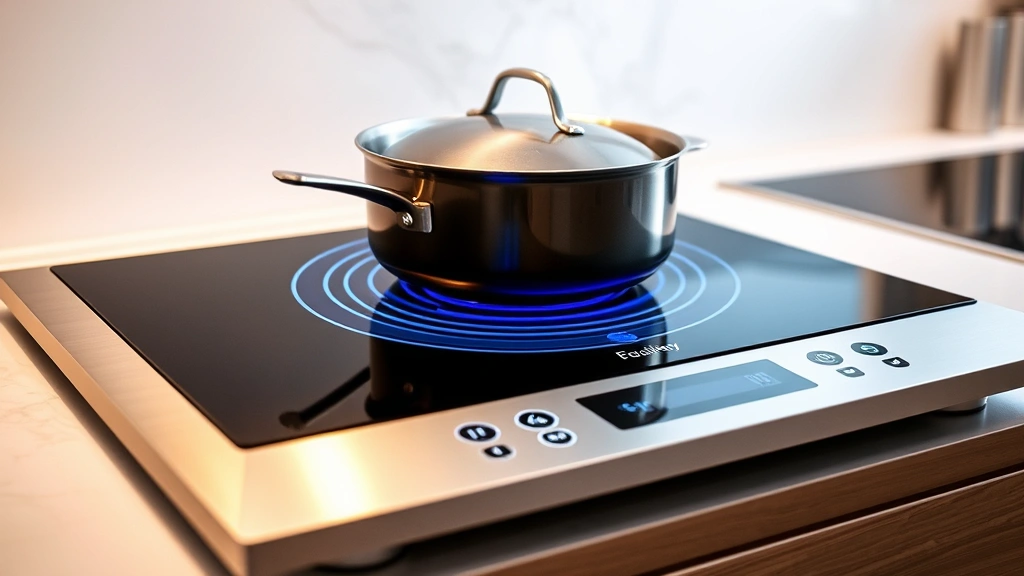
Energy Efficiency: Electric resistance cooktops convert 70-75% of electrical input into usable heat—modestly better than gas. Induction cooktops achieve 85-90% efficiency, a substantial advantage. This efficiency gap means that induction cooking uses roughly 25% less energy than gas for equivalent cooking tasks. When electricity comes from renewable sources, this efficiency advantage multiplies in environmental significance.
Emissions Profile: Gas stoves emit continuously during operation and maintain supply chain methane leakage impacts. Electric stoves produce zero operational emissions but generate upstream emissions based on grid electricity sources. In most U.S. regions with increasingly renewable electricity, electric cooking results in 30-50% lower lifecycle emissions than gas. In regions approaching 100% renewable electricity, the advantage approaches 90%+.
Performance Characteristics: Gas stoves offer instant heat adjustment and visual flame feedback that many cooks prefer. Induction cooktops provide superior temperature precision and faster heating for many cooking tasks, though they require magnetic cookware. Electric resistance falls between these options, offering simplicity but slower response times.
Explore gas vs electric water heater comparisons to understand how these principles apply across home systems. The pattern is consistent: electric alternatives powered by increasingly renewable electricity grids outperform gas across environmental metrics.
Making Sustainable Kitchen Choices
If sustainability guides your household decisions, several strategies help optimize your cooking impact. First, assess your regional electricity grid composition. Websites like EPA’s power plant resources provide data on your region’s energy sources. If renewables comprise 50%+ of your grid, switching from gas to electric cooking delivers substantial environmental benefits. If your grid remains fossil fuel-heavy, the advantage is smaller but still meaningful given electric cooking’s superior efficiency.
Second, consider the timing of appliance replacement. A 5-year-old gas stove still functioning adequately shouldn’t be replaced solely for environmental reasons; the manufacturing emissions of a new appliance may outweigh operational benefits over the replacement’s remaining lifespan. However, when you’re already planning a kitchen renovation or your stove requires replacement, choosing electric or induction becomes environmentally justified.
Third, optimize your cooking practices regardless of stove type. Using appropriately sized cookware, keeping burners clean, using lids to retain heat, and matching burner size to cookware diameter all reduce energy consumption. These behavioral changes work with any stove technology and represent accessible sustainability improvements.
Fourth, if you remain committed to gas cooking, maximize efficiency through proper ventilation, burner maintenance, and cooking technique. However, recognize that incremental improvements to gas cooking have environmental limits. How to reduce your environmental footprint increasingly points toward fundamental technology shifts rather than optimization of existing systems.
Fifth, explore induction cooking if your budget permits. While induction cooktops cost more upfront than gas or electric resistance, their superior efficiency, indoor air quality benefits, and precise control justify the investment over their 15+ year lifespan. Induction represents the most sustainable cooking technology currently available to residential consumers.
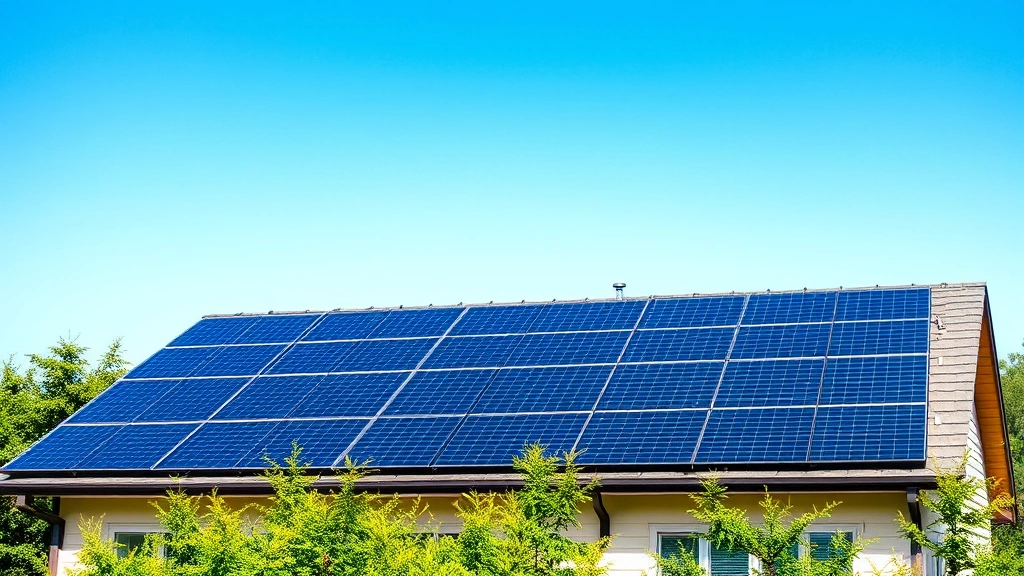
Finally, consider your kitchen’s broader energy context. A home with rooftop solar panels, electric vehicle charging, and heat pump heating creates an integrated sustainable system where electric cooking makes particular sense. The synergy between renewable electricity generation and electric cooking appliances amplifies environmental benefits beyond what either system achieves independently.
FAQ
Is the GE Profile gas stove more efficient than older gas models?
Yes, GE Profile gas stoves incorporate modern efficiency features like sealed burners and electronic ignition that improve performance compared to 20+ year old models. However, the efficiency gains are incremental rather than transformative. A new GE Profile stove might be 10-15% more efficient than a 1990s model, but both remain less efficient than modern electric or induction cooktops.
Should I replace my working gas stove to reduce environmental impact?
Not necessarily. Replacing a functioning appliance generates manufacturing emissions that may exceed the operational benefits over several years. However, if your stove requires repair or you’re planning a kitchen renovation anyway, switching to electric or induction cooking delivers meaningful environmental benefits. Calculate your specific situation: if you cook frequently and your region has clean electricity, the switch becomes justified sooner.
How do methane leaks from gas infrastructure affect cooking emissions?
Methane leakage throughout the natural gas supply chain adds 20-40% to the climate impact of gas cooking beyond direct combustion emissions. This supply chain impact varies by region based on infrastructure age and maintenance, but it’s a consistent factor that makes gas cooking less sustainable than electric alternatives powered by clean electricity.
What’s the indoor air quality impact of gas stove cooking?
Gas combustion produces nitrogen dioxide, formaldehyde, and other pollutants that can exceed outdoor air quality standards, particularly in homes without proper ventilation. This represents a health cost beyond climate considerations. Electric and induction cooking eliminate these indoor air quality concerns entirely.
Can I make my gas stove more sustainable?
You can optimize efficiency through proper ventilation, maintaining clean burners, using appropriately sized cookware, and cooking with lids. However, these improvements reach a technological ceiling. For substantial sustainability gains, transitioning to electric or induction cooking becomes necessary.
Is induction cooking worth the higher upfront cost?
From a sustainability perspective, yes. Induction cooktops use 25% less energy than gas, produce zero operational emissions, improve indoor air quality, and offer superior cooking performance. Over a 15+ year lifespan, the environmental and economic benefits justify the higher initial investment.
How does my regional electricity grid affect the sustainability of electric cooking?
Substantially. In regions with 60%+ renewable electricity, switching from gas to electric cooking cuts lifecycle emissions by 40-60%. In regions with cleaner grids approaching 80%+ renewables, the reduction exceeds 70%. Even in fossil fuel-heavy regions, electric cooking’s superior efficiency delivers 20-30% emissions reductions compared to gas.


