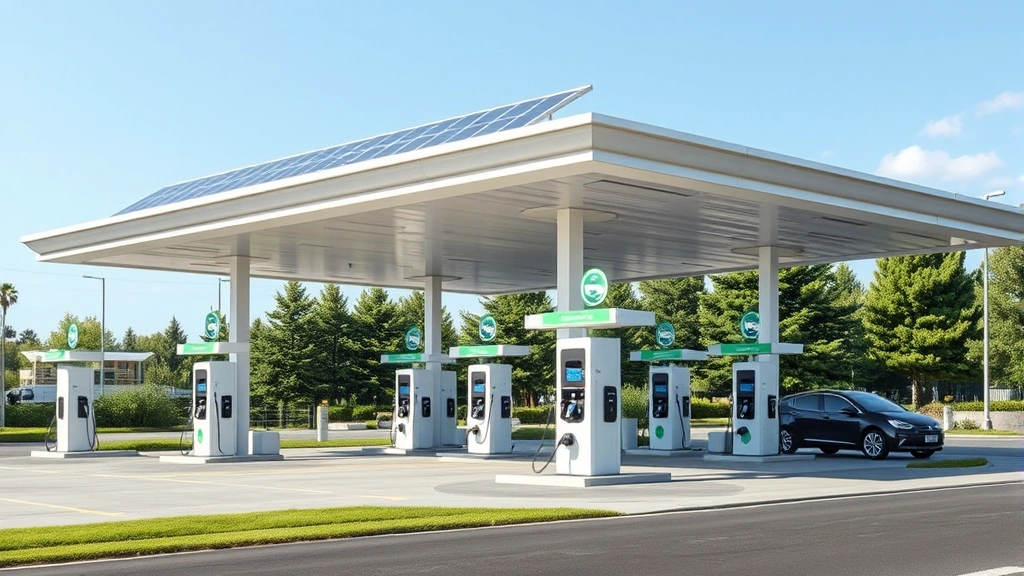
Find Eco-Friendly Gas Stations Near Me: Top Sustainable Fuel Options
Finding eco-friendly gas stations has become increasingly important for environmentally conscious drivers. Whether you’re using GetUpside rewards programs or simply seeking cleaner fuel alternatives, understanding your options can significantly reduce your carbon footprint. The transportation sector accounts for nearly 27% of greenhouse gas emissions in the United States, making fuel choices more critical than ever.
Modern gas stations are evolving beyond traditional petroleum pumps. Today’s conscientious consumers can access electric vehicle charging stations, biofuel options, and retailers committed to sustainability practices. This comprehensive guide explores the best eco-friendly fuel stations, rewards programs like GetUpside, and practical strategies for making greener transportation choices.
Understanding Eco-Friendly Fuel Options
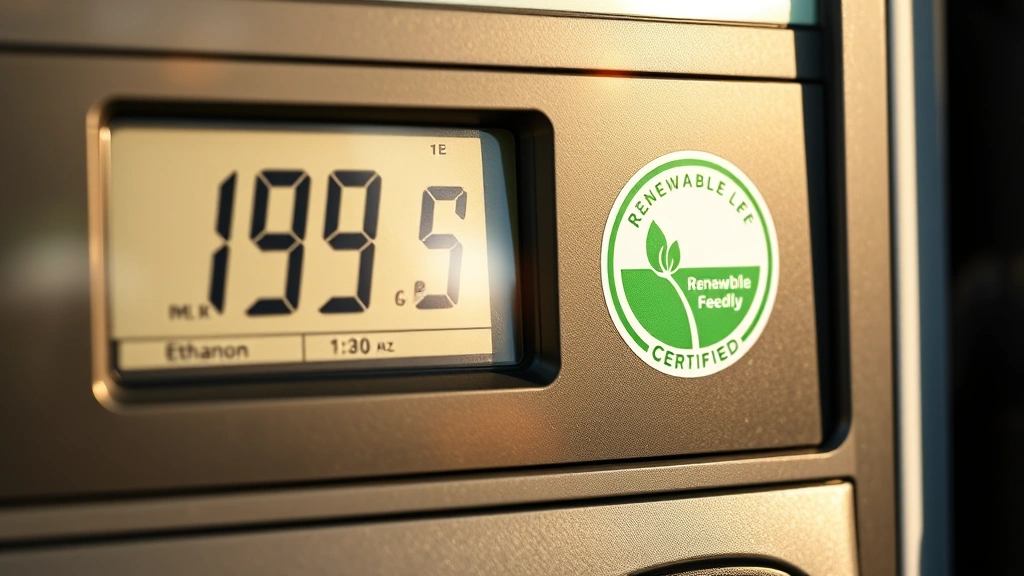
Eco-friendly gasoline encompasses several cleaner fuel alternatives that reduce environmental impact. Ethanol-blended fuels like E10 (10% ethanol) and E15 (15% ethanol) are widely available and reduce petroleum dependence while lowering emissions. Ethanol, produced from renewable corn sources, burns cleaner than pure gasoline and reduces carbon dioxide output by approximately 20-30% over the fuel’s lifecycle.
Renewable diesel represents another sustainable option for diesel vehicles. Unlike biodiesel, renewable diesel is chemically identical to petroleum diesel but produced entirely from sustainable feedstocks like used cooking oil and animal fats. This fuel reduces lifecycle greenhouse gas emissions by up to 80% compared to conventional diesel.
Premium unleaded gasoline with Top Tier detergents provides environmental benefits through improved engine efficiency. These gasolines contain enhanced cleaning additives that keep fuel injectors and intake valves cleaner, resulting in better combustion and reduced emissions. Major retailers certified by the Environmental Protection Agency maintain stricter fuel quality standards.
Understanding the difference between conventional and natural gas versus propane fuel sources helps identify truly sustainable options. While natural gas produces fewer emissions than gasoline, it remains a fossil fuel. Propane, similarly, represents a transitional fuel rather than a permanent green solution.
GetUpside Gas Rewards Program Explained
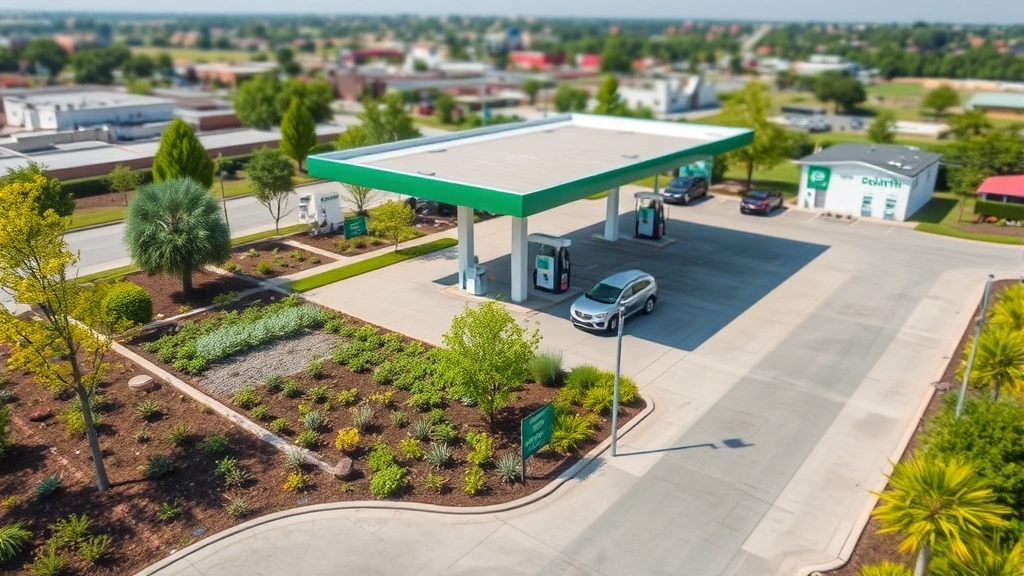
GetUpside has revolutionized how drivers earn rewards on fuel purchases. This cashback app connects users with participating gas stations, offering rebates ranging from 5% to 25% on every gallon purchased. The program incentivizes sustainable fuel choices by often offering higher rewards for premium or ethanol-blended options.
To maximize GetUpside benefits for eco-friendly fuel:
- Enable location services to discover nearby participating stations with the highest rewards rates
- Check daily offers as rewards vary by location and time
- Select premium fuel options when available, as these often include bonus incentives
- Link payment methods directly to capture automatic cashback
- Stack rewards with credit card points for additional savings
The app’s algorithm identifies stations offering ethanol-blended and cleaner fuels, often providing enhanced rewards for these sustainable choices. By choosing higher-reward stations, you’re frequently selecting environmentally responsible fuel options while saving money.
GetUpside partnered with major retailers to expand sustainable fuel availability. When selecting fuel through the app, you’ll notice stations promoting sustainable energy solutions receive competitive rewards. This creates market incentives for stations to stock cleaner fuels and adopt greener practices.
Top Eco-Conscious Gas Station Chains
Shell operates one of the largest renewable fuel networks globally. Their commitment to sustainable fuels includes extensive ethanol blends, renewable diesel availability, and investments in green technology innovations. Shell stations frequently appear on GetUpside with competitive rewards, especially for premium and ethanol options.
Chevron has implemented comprehensive sustainability initiatives including biofuel partnerships and carbon-neutral operations at select locations. Their Techron fuel additive technology reduces engine emissions and improves fuel efficiency. Many Chevron stations participate in GetUpside rewards programs with strong cashback percentages.
Speedway/Murphy USA emphasizes renewable fuel distribution and operates extensive ethanol networks. These stations often feature the lowest prices on sustainable fuel options and maintain high GetUpside reward rates. Their commitment to fuel quality aligns with environmental standards.
Casey’s General Stores focuses on renewable fuel accessibility across rural and urban markets. Casey’s actively promotes ethanol-blended gasoline and maintains partnerships with sustainability organizations. Their GetUpside integration provides consistent rewards for eco-conscious fuel choices.
Sunoco operates premium fuel stations with Top Tier certification and renewable fuel options. Sunoco’s commitment to fuel quality ensures lower emissions and improved engine performance. These stations frequently offer elevated GetUpside rewards for premium selections.
Costco provides some of the cleanest fuel available at competitive prices. Their Top Tier gasoline meets stringent quality standards, and Costco’s membership model emphasizes value and sustainability. Costco fuel stations increasingly support alternative fuel infrastructure.
Locating Sustainable Fuel Stations
Finding eco-friendly gas stations near you requires strategic use of digital tools and applications. GetUpside remains the primary resource for identifying participating stations with real-time reward information and location data. The app’s map feature displays nearby stations ranked by reward percentage and fuel quality ratings.
The U.S. Department of Energy’s FuelEconomy.gov website provides comprehensive databases of ethanol, biodiesel, and renewable fuel stations nationwide. This resource includes detailed information about fuel types, station amenities, and sustainability certifications.
Additional location resources include:
- Alternative Fuels Data Center – Government-operated database mapping renewable fuel infrastructure
- GasBuddy – Crowdsourced fuel pricing with environmental ratings and station reviews
- ChargeHub – Locates charging stations for electric vehicles and hybrid fuel options
- Google Maps – Filter search results by fuel type and customer ratings for sustainability practices
- Station-specific apps – Shell, Chevron, and Speedway offer dedicated applications with real-time availability
When searching for sustainable fuel, verify that stations carry Top Tier gasoline certification. This designation indicates fuel meeting the highest quality standards, resulting in reduced emissions and improved vehicle performance. Top Tier fuel typically costs slightly more but delivers environmental and efficiency benefits that justify the premium.
Regional variations significantly impact fuel availability. West Coast stations typically offer more ethanol blends and renewable diesel options due to California emissions standards. Midwest stations emphasize ethanol fuel as a regional agricultural product. Atlantic coast stations increasingly stock premium sustainable options to meet Northeast climate initiatives.
Alternative Fuel Infrastructure
Beyond traditional gasoline stations, comprehensive alternative fuel networks support sustainable transportation. Electric vehicle charging stations represent the fastest-growing sustainable fuel infrastructure category. Networks like Tesla Supercharger, Electrify America, and EVgo provide rapid charging capabilities at thousands of locations.
For drivers seeking alternatives to gas-dependent systems, transitioning to electric vehicles eliminates direct emissions entirely. While electric vehicles aren’t feasible for all drivers, understanding charging infrastructure helps evaluate long-term sustainability options.
Biodiesel blends (B5-B20) are increasingly available at truck stops and commercial fuel stations. These renewable diesel options support existing diesel engines without modifications while reducing lifecycle emissions by 15-80% depending on blend percentage.
Compressed natural gas (CNG) stations serve commercial fleets and consumer vehicles, offering 20-30% emission reductions compared to gasoline. While natural gas remains a fossil fuel, CNG represents a transitional bridge toward fully renewable transportation.
Hydrogen fuel cell stations remain limited but are expanding in California and select metropolitan areas. Hydrogen fuel cell vehicles produce zero emissions, with water vapor as the only byproduct. As infrastructure develops, hydrogen represents a promising long-term sustainable fuel solution.
The U.S. Department of Energy’s Office of Energy Efficiency and Renewable Energy tracks alternative fuel infrastructure development and provides funding for station expansion. Supporting these networks through fuel purchases directly contributes to sustainable transportation growth.
Maximizing Savings While Going Green
Combining GetUpside rewards with strategic fuel choices amplifies both environmental and financial benefits. Plan fuel purchases strategically by checking GetUpside daily for premium reward rates. Occasionally, stations offer 15-25% cashback on specific fuel types, creating significant savings opportunities.
Stack multiple reward programs simultaneously:
- GetUpside cashback on direct fuel purchases
- Credit card rewards from travel or cash-back cards (typically 3-5% additional)
- Loyalty programs from individual station chains offering member discounts
- Seasonal promotions from fuel retailers targeting specific customer demographics
Optimize fuel efficiency to maximize environmental impact of every gallon purchased. Proper tire inflation increases fuel economy by 3-5%. Regular engine maintenance ensures clean combustion and reduces emissions. Reducing vehicle weight and minimizing idling further improves efficiency.
Consider trip consolidation to minimize fuel consumption overall. Combining errands into single journeys reduces total mileage and fuel expenditure. For frequent commuters, exploring sustainable energy solutions for transportation infrastructure might include carpooling, public transit, or remote work options.
Monitor fuel quality ratings through GetUpside’s detailed station information. Stations offering Top Tier fuel with enhanced detergents deliver better mileage and lower emissions. While premium fuel costs more initially, superior combustion efficiency often compensates through reduced consumption.
Evaluate long-term sustainability investments. For drivers with higher annual mileage, advantages of electric vehicles may justify conversion costs through eliminated fuel expenses and tax incentives. For others, optimizing traditional fuel choices through GetUpside and eco-conscious station selection provides immediate environmental benefits.
Track savings and environmental impact through GetUpside’s analytics dashboard. Understanding your cashback earnings and fuel consumption patterns encourages continued sustainable choices. Many users report saving $500-1,500 annually through consistent GetUpside usage combined with eco-friendly fuel selection.
FAQ
What makes a gas station eco-friendly?
Eco-friendly gas stations offer renewable fuel blends (ethanol, biodiesel, renewable diesel), maintain Top Tier fuel certification with enhanced detergents, implement carbon-neutral operations, provide alternative fuel infrastructure like EV charging, and participate in environmental sustainability programs. Stations partnering with certified environmental organizations demonstrate genuine commitment beyond marketing claims.
Is GetUpside available at all gas stations?
GetUpside operates at thousands of stations nationwide, but coverage varies by region. The app displays all participating stations in your area with real-time reward rates. Rural areas may have limited options compared to metropolitan regions. Coverage continues expanding as more stations join the program.
Which fuel type is most environmentally friendly?
Electric vehicle charging provides the cleanest option when powered by renewable energy sources. Among traditional fuels, renewable diesel and ethanol blends significantly reduce lifecycle emissions (15-80% reductions). Premium Top Tier gasoline offers the cleanest conventional option through improved combustion efficiency. The most sustainable choice depends on your vehicle type and local fuel availability.
How much can I save using GetUpside?
Average savings range from $500-1,500 annually for regular drivers, depending on fuel consumption and reward rates. Higher-mileage drivers see greater savings. Rewards typically provide 5-25% cashback, with occasional promotional rates exceeding 30%. Stacking GetUpside with credit card rewards and loyalty programs amplifies savings further.
Does ethanol fuel damage engines?
Modern vehicles manufactured after 2000 are engineered to safely use E10 (10% ethanol) fuel. E15 (15% ethanol) is compatible with 2012 and newer vehicles. Ethanol actually provides superior combustion properties and reduces carbon deposits. No engine damage occurs when using appropriate ethanol blends for your vehicle year and specifications.
Are renewable diesel and biodiesel the same?
No, they differ significantly. Renewable diesel is chemically identical to petroleum diesel, derived from sustainable feedstocks, and requires no engine modifications. Biodiesel is a blend product requiring engine compatibility verification. Renewable diesel offers superior performance and higher emission reductions (up to 80%) compared to biodiesel blends.
How do I find Top Tier fuel stations?
GetUpside identifies Top Tier certified stations in its detailed station information. GasBuddy and station-specific apps also indicate Top Tier certification. Major retailers Shell, Chevron, Costco, and Sunoco maintain Top Tier standards. Station websites typically advertise Top Tier certification prominently.


