Is Mountaineer Gas Eco-Friendly? A Comprehensive 2023 Analysis
Mountaineer Gas Company has been a regional fuel supplier serving customers across West Virginia and neighboring states for decades. As environmental consciousness grows and consumers increasingly scrutinize the ecological impact of their energy choices, many are asking critical questions about whether Mountaineer Gas aligns with sustainability goals. This comprehensive analysis examines Mountaineer Gas’s environmental practices, emissions footprint, and how they compare to industry standards and alternative energy solutions available today.
Understanding the true environmental impact of any fuel company requires looking beyond marketing claims to examine operational practices, emissions data, and corporate sustainability commitments. In this article, we’ll investigate Mountaineer Gas’s current eco-friendly initiatives, their carbon footprint, regulatory compliance, and what consumers should know when making energy decisions that affect both their wallets and the planet.
Company Overview and Operations
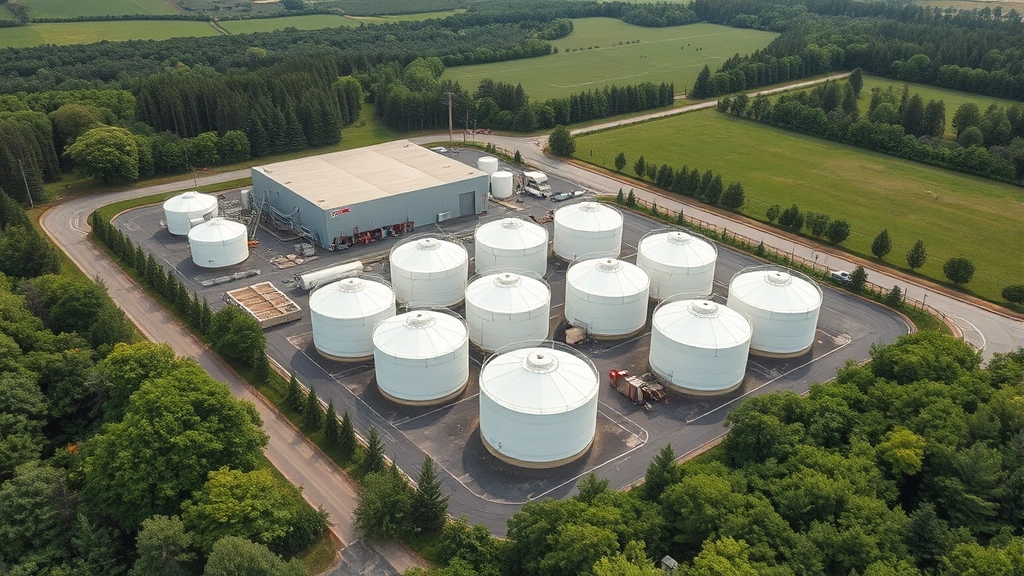
Mountaineer Gas Company operates as a propane and heating fuel distributor primarily throughout the Appalachian region. The company serves residential, commercial, and agricultural customers with liquefied petroleum gas (LPG) and heating oil products. Like most regional fuel distributors, Mountaineer Gas maintains a network of distribution centers, delivery vehicles, and storage facilities to serve its customer base efficiently.
The company’s operational model involves sourcing fuel products, storing them in bulk facilities, and delivering them to customers via fleet vehicles. This infrastructure-heavy approach means that Mountaineer Gas’s environmental impact extends beyond the fuel they sell to customers and includes their own operational emissions from logistics, storage, and distribution activities. Understanding this broader impact is essential when evaluating whether the company deserves an eco-friendly designation.
Mountaineer Gas has maintained regional presence and customer loyalty through competitive pricing and reliable service. However, reliability and affordability don’t automatically translate to environmental responsibility. Many traditional fuel suppliers operate with minimal sustainability initiatives, viewing environmental concerns as secondary to profit margins and market share. The critical question becomes: does Mountaineer Gas represent an exception, or does it follow the conventional industry playbook?
Environmental Practices and Certifications
When evaluating whether Mountaineer Gas is eco-friendly, examining their official environmental commitments and certifications provides concrete evidence. A truly sustainable company typically pursues third-party certifications, publishes sustainability reports, and maintains transparent communication about environmental goals and progress.
Currently, Mountaineer Gas does not prominently advertise comprehensive sustainability certifications or detailed environmental programs. The company does comply with federal and state environmental regulations, including EPA standards for propane handling and distribution. However, regulatory compliance represents the minimum legal requirement, not a commitment to environmental excellence. Many companies go far beyond compliance, implementing voluntary programs to reduce emissions and environmental impact.
The propane industry itself has made efforts toward sustainability. Propane is considered a cleaner-burning fuel compared to coal and heavy fuel oil, producing fewer particulate emissions and lower sulfur content. However, propane remains a fossil fuel that contributes to greenhouse gas emissions when combusted. Understanding propane’s relative environmental position helps contextualize Mountaineer Gas’s role in the broader energy landscape.
Mountaineer Gas has not publicly committed to specific carbon reduction targets or net-zero emissions goals that are becoming standard among environmentally conscious energy companies. This absence of ambitious sustainability commitments suggests the company may not be prioritizing ecological impact at the corporate strategy level. Companies serious about environmental responsibility typically set measurable targets and report progress annually.
Carbon Emissions Analysis
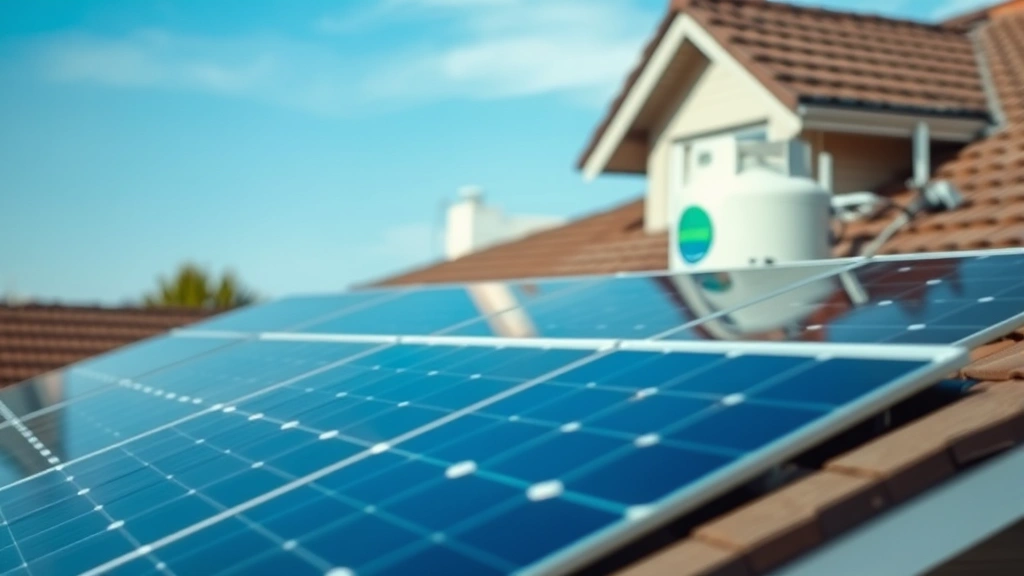
To determine if Mountaineer Gas is eco-friendly, we must examine the actual carbon footprint associated with their operations and the fuel they distribute. Propane itself generates approximately 12.4 kilograms of carbon dioxide per gallon when burned. This makes propane a moderate-emission fuel—better than coal and petroleum but significantly worse than renewable energy sources like solar, wind, or geothermal power.
Mountaineer Gas’s operational emissions include several components. Direct emissions come from their fleet vehicles used for fuel delivery. Indirect emissions result from the energy consumed at distribution facilities and storage operations. Additionally, scope 3 emissions—those from customer use of propane purchased from Mountaineer Gas—represent the largest portion of their total climate impact. When a customer burns propane for heating or cooking, that carbon release is part of Mountaineer Gas’s extended environmental footprint.
Without access to Mountaineer Gas’s detailed emissions inventory, we can estimate their impact by comparing similar regional propane distributors. A typical propane distribution company serving the Appalachian region likely generates thousands of metric tons of carbon dioxide equivalent annually through their operations and fuel distribution. The EPA’s Greenhouse Gas Reporting Program requires large emitters to disclose data, but smaller regional distributors may not meet reporting thresholds.
The carbon intensity of propane distribution depends heavily on operational efficiency. Companies that optimize delivery routes, maintain efficient equipment, and minimize leakage reduce their environmental footprint. Without transparent reporting from Mountaineer Gas regarding these operational metrics, consumers cannot definitively assess whether the company operates at best-in-class efficiency levels or merely meets minimum standards.
When comparing propane to alternatives, the environmental case becomes clearer. Electric heat pumps powered by renewable electricity produce dramatically lower emissions than propane heating. Natural gas, while still fossil-derived, produces somewhat lower emissions than propane per unit of energy. This positions propane as a middle option—cleaner than coal and oil, but substantially dirtier than renewable or nuclear alternatives.
Regulatory Compliance
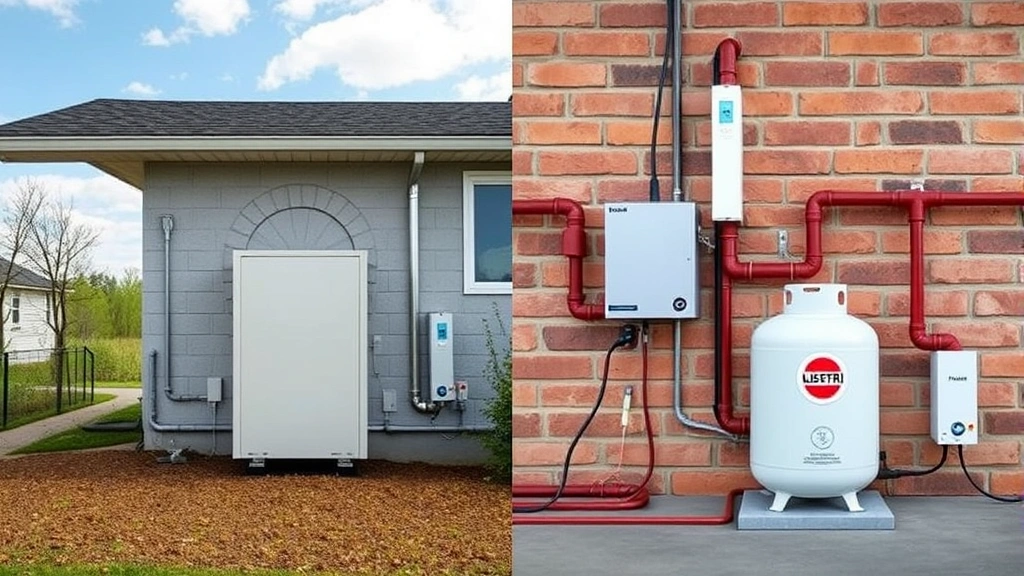
Mountaineer Gas, like all propane distributors, must comply with numerous environmental regulations. These include EPA standards for air quality, Department of Transportation regulations for fuel transport, and state-level environmental protection requirements. Compliance with these regulations is mandatory, not voluntary, and represents the legal baseline for operation rather than evidence of environmental leadership.
The propane industry faces increasing regulatory scrutiny regarding methane emissions. Methane, a potent greenhouse gas, can leak from distribution systems and storage facilities. The EPA has established methane emissions standards for propane distribution equipment to reduce these leaks. Mountaineer Gas must comply with these standards, but compliance alone doesn’t distinguish environmentally responsible operators from minimalist compliance-focused companies.
State-level regulations in West Virginia and surrounding states establish additional requirements for propane distributors. These may include safety standards, storage regulations, and environmental protection measures. Mountaineer Gas maintains necessary licenses and permits to operate legally, but again, legal operation doesn’t equate to environmental excellence. Truly eco-friendly companies often exceed regulatory requirements by implementing best practices that go beyond minimum standards.
The regulatory environment for fossil fuel companies continues evolving as climate concerns intensify. Companies that wait for regulations to change rather than proactively adopting cleaner practices risk obsolescence. Mountaineer Gas’s approach to regulatory engagement—whether they advocate for stronger environmental standards or resist them—reflects their true environmental philosophy. Public positions on climate policy provide insight into corporate values.
Comparison with Industry Standards
To properly assess whether Mountaineer Gas is eco-friendly, comparing their practices to industry standards and competitors provides valuable context. The propane distribution industry includes companies ranging from small regional operators to large international energy corporations. Standards vary significantly across this spectrum.
Leading energy companies have begun transitioning toward renewable energy portfolios. Some major propane distributors now offer renewable propane, which is produced from sustainable biomass sources and reduces lifecycle carbon emissions by up to 80% compared to conventional propane. This renewable propane can be used in existing propane infrastructure without equipment modifications, making it an accessible sustainability upgrade. Mountaineer Gas does not appear to offer renewable propane options to customers, representing a missed opportunity to provide eco-friendly alternatives.
Larger competitors in the energy sector have committed to substantial carbon reduction targets. For example, some major energy companies have pledged to achieve net-zero emissions by 2050 or earlier. These commitments include specific intermediate targets, transparency reporting, and third-party verification. Mountaineer Gas has not made comparable public commitments, suggesting sustainability may not be a corporate priority.
Industry best practices for propane distributors include implementing GPS-optimized delivery routing to minimize fuel consumption and emissions, maintaining rigorous equipment maintenance to prevent leaks, investing in fuel-efficient delivery vehicles, and offering customer energy efficiency consulting services. The extent to which Mountaineer Gas implements these practices remains unclear from publicly available information. Transparency about operational practices is itself a sign of environmental commitment.
When examining sustainable energy solutions, propane represents an interim technology rather than a long-term sustainable choice. Companies positioning themselves as environmental leaders are typically transitioning away from fossil fuels entirely, not simply optimizing fossil fuel distribution. This fundamental strategic difference distinguishes truly eco-friendly companies from conventional operators maintaining traditional business models.
Alternative Energy Solutions
For consumers currently using Mountaineer Gas or considering propane as an energy source, understanding alternatives is essential for making environmentally responsible decisions. Several cleaner options exist depending on application and location.
Electric heat pumps represent the most environmentally sound heating solution when powered by renewable electricity. Heat pumps can heat homes with 300-400% efficiency compared to electric resistance heating, and when powered by wind, solar, or hydroelectric power, produce near-zero operational emissions. The upfront installation cost is higher than propane systems, but long-term operational savings and environmental benefits are substantial. Check our guide on how to reduce your environmental footprint for comprehensive strategies beyond heating fuel choices.
Natural gas serves as a transitional fuel producing approximately 20% fewer emissions than propane. If renewable electricity infrastructure isn’t available, natural gas represents a more environmentally responsible choice than propane for heating applications. However, natural gas is still a fossil fuel with significant climate impact, and long-term reliance on it conflicts with climate goals.
Solar thermal systems can supplement or replace propane for water heating. Solar thermal technology is mature, reliable, and produces zero operational emissions. Combined with a backup propane or electric system, solar thermal can substantially reduce fuel consumption and environmental impact. Many states offer tax incentives and rebates for solar thermal installation.
Biomass heating using sustainably harvested wood pellets or chips offers a renewable alternative to propane for some applications. Properly managed biomass is carbon-neutral because trees grown for fuel absorb carbon during growth. However, biomass requires appropriate infrastructure and isn’t suitable for all applications or locations.
For those using propane for vehicles, transitioning to fuel-efficient gasoline vehicles or hybrid technology reduces emissions. Finding the most gas mileage SUV or best gas mileage truck can significantly lower transportation emissions. Electric vehicles eliminate direct emissions entirely, though manufacturing and electricity sourcing affect their lifecycle footprint. Advantages of electric vehicles extend beyond emissions reduction to include operational cost savings and reduced air pollution.
Consumer Recommendations
Based on this comprehensive analysis, here are actionable recommendations for consumers currently using or considering Mountaineer Gas:
- Evaluate your actual needs: Determine whether propane is truly necessary for your application or whether alternatives exist. Many homeowners assume propane is required when viable alternatives are available.
- Request renewable propane: Contact Mountaineer Gas and inquire about renewable propane availability. Customer demand drives corporate change; requesting sustainable options signals market interest.
- Prioritize electrification: Where feasible, transition away from propane entirely toward electric heat pumps or solar thermal systems. This represents the most impactful long-term choice.
- Improve efficiency: Regardless of fuel source, invest in home insulation, weatherization, and efficient appliances. Reducing overall energy demand is the most cost-effective and environmentally beneficial approach.
- Seek transparency: Request information from Mountaineer Gas about their emissions data, sustainability practices, and environmental commitments. Corporate transparency is essential for informed decision-making.
- Consider alternatives: Research other energy providers and solutions available in your area. Competitive pressure encourages companies to improve environmental performance.
- Support climate policy: Advocate for policies supporting renewable energy transition and carbon pricing. Individual consumer choices matter, but systemic change requires policy support.
FAQ
Is propane considered a clean fuel?
Propane is cleaner than coal and heavy fuel oil but significantly dirtier than renewable energy sources. It produces substantial greenhouse gas emissions when burned and remains a fossil fuel. While propane represents an improvement over some alternatives, it’s not genuinely clean or sustainable for long-term energy security.
Does Mountaineer Gas offer renewable propane?
Based on available public information, Mountaineer Gas does not currently advertise renewable propane offerings. Renewable propane is produced from sustainable biomass and reduces lifecycle emissions by up to 80%. Contacting the company directly may reveal options not prominently marketed online.
What is the carbon footprint of propane heating?
Propane heating produces approximately 12.4 kilograms of CO2 per gallon burned. A typical household using 800 gallons annually for heating generates roughly 9,920 kilograms (9.9 metric tons) of CO2 from propane combustion alone. This significantly exceeds sustainable per-capita carbon budgets.
How does propane compare to natural gas environmentally?
Natural gas produces approximately 20% fewer emissions than propane per unit of energy. However, both are fossil fuels with substantial climate impact. Natural gas may be preferable as a transitional fuel but shouldn’t be considered a long-term sustainable solution.
What are the best alternatives to propane heating?
Electric heat pumps powered by renewable electricity represent the most sustainable option. Solar thermal systems for water heating, biomass heating, and natural gas serve as transitional alternatives. The best choice depends on location, existing infrastructure, and budget constraints.
Should I switch away from Mountaineer Gas?
If viable alternatives exist in your area, transitioning away from propane entirely provides the greatest environmental benefit. If propane is currently necessary, requesting renewable propane options or improving system efficiency reduces impact while you plan longer-term transitions to cleaner energy.
Does Mountaineer Gas have sustainability certifications?
Mountaineer Gas does not publicly advertise comprehensive sustainability certifications or environmental management system certifications. The company complies with regulatory requirements but doesn’t appear to pursue voluntary environmental certifications that distinguish leaders from conventional operators.
How can I reduce my propane consumption?
Improving home insulation, sealing air leaks, upgrading to efficient appliances, installing programmable thermostats, and using solar thermal supplements all reduce propane consumption. These efficiency improvements lower both environmental impact and energy costs.


