Why Is My Gas Flame Orange? Safety Tips and What It Means
If you’ve noticed your gas stove flame burning orange instead of the typical blue, you’re right to pay attention. The color of your gas flame is actually a critical indicator of how efficiently your burner is operating and whether there are potential safety concerns you need to address. Understanding what causes an orange flame and when to take action can help protect your home and family while ensuring your appliance runs safely and efficiently.
Gas stoves are common in kitchens across the world, but many people don’t realize that the color of the flame tells an important story about combustion quality, fuel mixture, and potential hazards. An orange or yellow flame isn’t always a sign of immediate danger, but it’s definitely worth investigating. This guide will help you understand the causes behind orange gas flames, when you should be concerned, and what steps to take to restore your stove to safe operation.
Understanding Gas Flame Colors
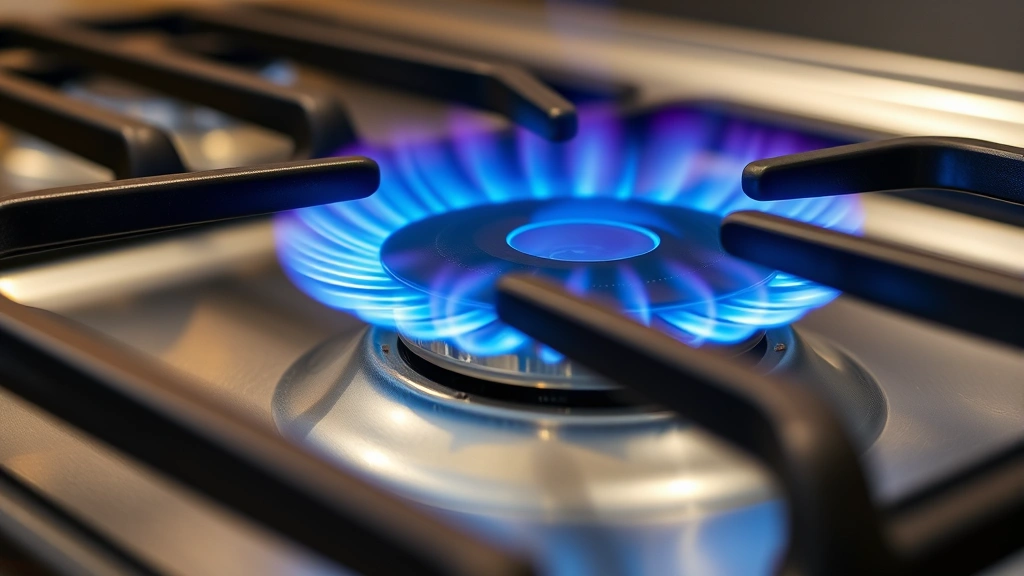
The color of a gas flame is determined by the combustion process and the chemical composition of what’s burning. When natural gas burns properly with adequate oxygen, it produces a clean, efficient blue flame. This blue color comes from the emission of light at specific wavelengths as the gas molecules break down during combustion. The presence of a blue flame indicates complete combustion, which means the fuel is being burned efficiently with minimal waste.
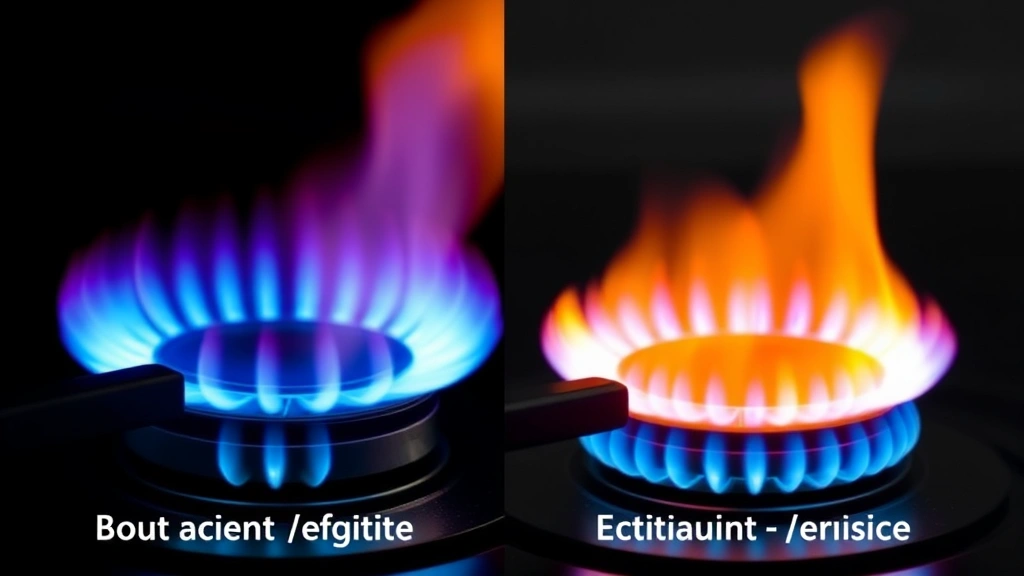
However, when conditions change—such as when there’s incomplete combustion or contaminants in the fuel—the flame color shifts. An orange, yellow, or red flame suggests that something in the combustion process isn’t optimal. Understanding these color variations helps you identify problems early before they become serious safety issues. Different colors can indicate different problems: orange flames often point to incomplete combustion, while red or sooty flames might indicate carbon buildup or other complications.
It’s worth noting that the color of your gas flame relates directly to natural gas and its combustion properties, making this knowledge important for anyone using gas appliances in their home.
Why Your Gas Flame Is Orange
Several factors can cause your gas stove flame to turn orange instead of blue. The most common reason is incomplete combustion, which occurs when there isn’t enough oxygen mixing with the gas at the burner. This incomplete burning process produces different wavelengths of light, resulting in the orange or yellow color you’re seeing.
Insufficient Oxygen Supply: Gas burners need a precise mixture of fuel and oxygen to burn properly. If the air vents around your burner are blocked or restricted, oxygen can’t reach the flame properly. Dust, food debris, or grease buildup on the burner ports can significantly reduce oxygen flow. When oxygen is limited, the gas doesn’t combust completely, leading to an orange flame and reduced efficiency.
Dirty or Clogged Burner Ports: The small holes in your burner head are precisely designed to allow the right amount of air and gas to mix. Over time, these ports can become clogged with food particles, grease, or mineral deposits from water. Even partial blockage can disrupt the combustion process and change flame color. Regular cleaning of these ports is essential for maintaining proper flame color and heat output.
Moisture in the Gas Line: Although rare, moisture in your natural gas supply can affect combustion. This is more common in areas with high humidity or after recent gas line work. Water droplets in the fuel interfere with proper mixing and combustion, potentially causing an orange flame. Most modern gas systems have moisture traps, but they can occasionally fail or become saturated.
Quality of Natural Gas: The composition of natural gas can vary slightly depending on your supplier and source. Some variations in gas quality might contribute to flame color changes, though this is typically a minor factor compared to other causes.
Burner Design Issues: Older burner designs or those with manufacturing defects might struggle to achieve the ideal air-to-fuel ratio, resulting in persistent orange flames even after cleaning.
Safety Concerns and Risks
An orange gas flame isn’t just an aesthetic issue—it can represent real safety concerns that deserve your attention. Understanding these risks helps you recognize when you need to take immediate action versus when you can schedule maintenance at your convenience.
Carbon Monoxide Production: The most serious risk associated with orange flames is increased carbon monoxide (CO) production. When gas doesn’t combust completely, it produces carbon monoxide, a colorless, odorless gas that’s toxic to humans and animals. Prolonged exposure to elevated carbon monoxide levels can cause headaches, dizziness, confusion, and in severe cases, death. Incomplete combustion from orange flames is a known source of elevated CO production in kitchens.
Reduced Cooking Efficiency: An orange flame means your stove isn’t burning fuel as efficiently as it should. This wastes natural gas, increasing your energy bills and environmental impact. Over time, this inefficiency adds up, costing you money while unnecessarily consuming fossil fuels. As part of efforts to reduce your environmental footprint, addressing appliance inefficiency is important.
Heat Distribution Issues: An orange flame often produces less concentrated heat than a blue flame, meaning your cookware might not heat evenly or efficiently. This can affect cooking performance and food safety, as some areas of your pan might not reach safe temperatures for proper food preparation.
Soot and Residue Buildup: Orange flames tend to produce more soot and carbon deposits than blue flames. These deposits can accumulate on your cookware, stovetop, and surrounding surfaces. Beyond being unsightly, excessive soot can indicate combustion problems that need addressing.
Fire Risk: While less common, persistent orange flames combined with soot buildup increase the risk of accidental fires, especially if flammable materials are stored near your stove.
How to Fix an Orange Flame
Fortunately, many causes of orange flames can be fixed with simple maintenance and cleaning. Before attempting any repairs, always turn off your stove and ensure it has cooled completely.
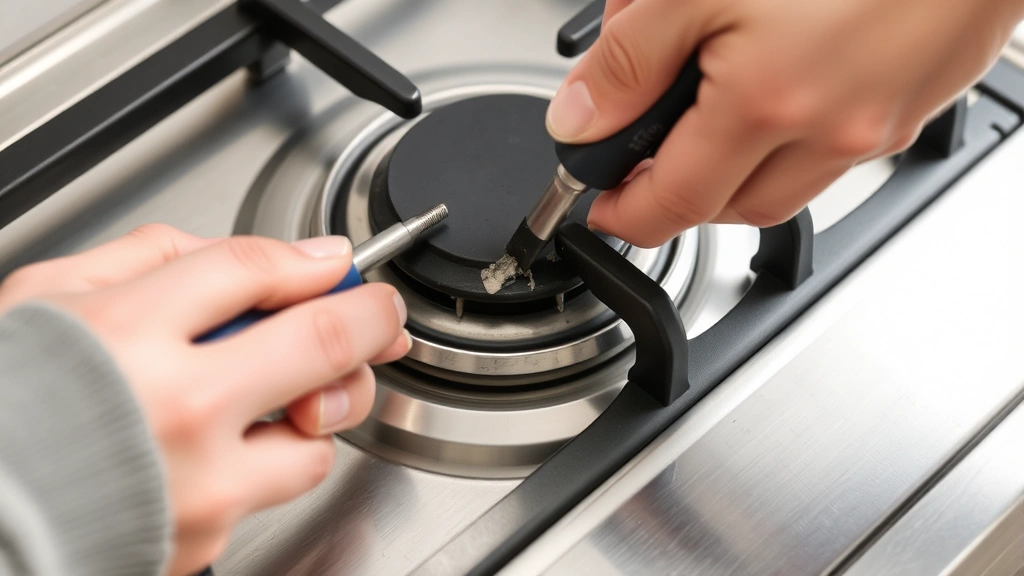
Clean the Burner Ports: The first and most effective step is to clean the burner thoroughly. Remove the burner grate and cap (if removable), and use a fine-tipped object like a toothpick or specialized burner cleaning tool to gently clear each port hole. Be careful not to enlarge or damage the ports. A soft brush or cloth can remove loose debris. For stubborn buildup, soak the burner in warm soapy water for 15-20 minutes before cleaning.
Check Air Vents: Examine the air vents around your burner for blockages. Clear away any dust, grease, or debris that might be restricting oxygen flow. Use a damp cloth to wipe down these areas regularly. Ensuring proper airflow is crucial for achieving that blue flame and complete combustion.
Inspect for Debris: Look around the burner assembly for any foreign objects or accumulation of food particles. Sometimes small pieces of food or packaging can fall into burner areas and cause problems. Remove anything that doesn’t belong and wipe the area clean.
Check for Water Damage: If you suspect moisture in your gas line, contact your gas company or a professional technician. They have the proper equipment to test for moisture and can install or service moisture traps if needed.
Verify Proper Assembly: After cleaning, ensure all burner components are reassembled correctly. Incorrect assembly can prevent proper air-to-fuel mixing. Consult your stove’s manual to confirm the correct configuration.
Test the Flame: After cleaning and reassembly, turn on the burner and observe the flame. It should be primarily blue with perhaps a small amount of orange at the very tip. If the flame remains mostly orange, you may need professional assistance.
These troubleshooting steps align with maintaining sustainable energy solutions in your home by ensuring appliances operate at peak efficiency.
Prevention and Maintenance
The best approach to avoiding orange flames is regular preventive maintenance. By implementing a consistent cleaning schedule, you can prevent most flame color issues before they start.
Monthly Cleaning Routine: Clean your burner ports and air vents monthly, or more frequently if you cook regularly. A quick wipe-down after cooking and a thorough cleaning once a month can prevent most buildup issues. This simple habit takes just a few minutes but prevents many problems.
Proper Stove Use: Use burner covers or splatter guards to protect your burners from food and liquid splashes. Wipe up spills immediately when the stove is cool to prevent debris from settling into ports and vents. Avoid placing items on or near burners that might fall into them.
Quality Cookware: Use cookware that fits your burners properly and has a flat bottom. Oversized pots can trap heat and redirect flames, potentially affecting combustion. Poor-fitting cookware can also cause food and liquids to splash into burner areas.
Professional Inspection: Schedule a professional inspection of your gas stove every 1-2 years. A technician can identify potential issues, test for carbon monoxide production, and perform professional cleaning that goes deeper than home maintenance allows.
Replace Burners When Needed: Eventually, even well-maintained burners wear out. If cleaning doesn’t restore a blue flame, consider replacing the burner head. Replacement burners are relatively inexpensive and easy to install, making this a cost-effective solution.
Check Gas Supply: Ensure your gas supply connection is secure and free from leaks. A hissing sound or smell of gas indicates a potential leak that requires immediate professional attention.
When to Call a Professional
While many orange flame issues can be resolved with basic cleaning, some situations require professional expertise. Knowing when to call for help ensures your safety and prevents minor issues from becoming major problems.
Persistent Orange Flames: If your flame remains orange after thorough cleaning, a professional should inspect your stove. There might be underlying issues with burner design, gas mixture regulation, or internal components that require specialized knowledge.
Unusual Smells or Sounds: Any unusual odors associated with your gas stove, or hissing sounds indicating gas leaks, should be investigated immediately by a professional. These could indicate dangerous conditions requiring urgent attention.
Carbon Monoxide Concerns: If you have symptoms of carbon monoxide exposure (headaches, dizziness, nausea) when cooking, or if a carbon monoxide detector is triggered, evacuate your home and call emergency services. Then have a professional inspect your stove.
Visible Damage: If your burner shows visible cracks, corrosion, or damage, professional replacement might be necessary. Damaged burners can’t function properly and pose safety risks.
Gas Smell: A persistent smell of gas, even after cleaning, indicates a potential leak in your stove or gas line. This requires immediate professional inspection and repair.
Sooting or Excessive Residue: If your stove produces heavy soot or black residue even after cleaning, this suggests combustion problems that a professional needs to diagnose and fix.
Professional technicians have specialized equipment to test combustion efficiency, detect carbon monoxide production, and identify problems invisible to the naked eye. The investment in professional inspection is worthwhile for your family’s safety.
Energy Efficiency Considerations
Beyond safety, addressing orange flames has important energy efficiency implications. An orange flame wastes natural gas and increases your home’s energy consumption unnecessarily. This connects directly to broader sustainability topics covered on SustainWise Hub.
Energy Waste and Cost: Incomplete combustion from orange flames means you’re burning more gas to achieve the same cooking results. Over a year, this inefficiency can waste significant amounts of natural gas and increase your utility bills substantially. A stove that burns at 85% efficiency instead of 95% might waste $50-100 annually, depending on usage and local gas prices.
Environmental Impact: Natural gas is a fossil fuel, and wasting it contributes to unnecessary greenhouse gas emissions. By maintaining your stove in proper working condition, you reduce your household’s carbon footprint. Every bit of wasted energy has environmental costs in terms of extraction, processing, and combustion emissions.
Carbon Monoxide and Health: Beyond environmental concerns, the increased carbon monoxide production from incomplete combustion affects indoor air quality and your family’s health. Proper combustion means cleaner indoor air and reduced health risks.
Alternatives to Gas Cooking: While fixing your gas stove is important, it’s worth considering that green technology innovations in cooking include induction cooktops and electric ranges. These alternatives eliminate combustion-related issues entirely and offer superior energy efficiency. If you’re planning a kitchen renovation, exploring these options aligns with sustainability goals.
Long-term Sustainability: Maintaining your current appliances efficiently is more sustainable than frequent replacements. However, when replacement becomes necessary, choosing energy-efficient models reduces long-term environmental impact and operating costs.
FAQ
Is an orange gas flame dangerous?
An orange flame indicates incomplete combustion, which produces more carbon monoxide than a blue flame. While a single instance isn’t immediately life-threatening, prolonged exposure to elevated carbon monoxide levels is dangerous. You should address orange flames promptly by cleaning your burner or calling a professional.
Can I fix an orange flame myself?
Yes, in most cases. Start by cleaning the burner ports with a toothpick or specialized cleaning tool, checking air vents for blockages, and wiping away any debris. If cleaning doesn’t restore a blue flame, contact a professional technician.
What does a normal gas flame look like?
A properly functioning gas stove flame should be primarily blue with perhaps a small amount of orange at the very tip. The flame should be steady and concentrated around the burner ports. Any persistent orange, yellow, or red coloring indicates a problem.
How often should I clean my gas burners?
Clean your burner ports and air vents monthly, or more frequently if you cook daily. This prevents debris buildup and maintains proper flame color and efficiency.
Can I use my stove if the flame is orange?
You can use it briefly, but you shouldn’t rely on it long-term. An orange flame means incomplete combustion and increased carbon monoxide production. Use it only while addressing the problem, and ensure your kitchen is well-ventilated.
What causes orange flames on all burners?
If all burners have orange flames, the problem likely involves your gas supply, moisture in the line, or a system-wide issue rather than individual burner problems. This situation warrants professional inspection.
How do I know if my stove has a carbon monoxide leak?
You can’t detect carbon monoxide without a detector, as it’s colorless and odorless. Install a carbon monoxide detector in your kitchen and throughout your home. Symptoms of exposure include headaches, dizziness, nausea, and confusion. If you suspect exposure, evacuate and call emergency services.
Is it expensive to fix an orange flame?
Most orange flame issues are fixed through simple cleaning, which costs nothing. If a burner replacement is needed, they typically cost $20-50 each. Professional inspection usually costs $100-200, which is reasonable given the safety implications.
Can humidity cause orange flames?
In rare cases, high humidity or moisture in the gas line can contribute to orange flames. However, this is less common than dirty burner ports or air vent blockages.
What’s the difference between orange and yellow flames?
Orange and yellow flames both indicate incomplete combustion and oxygen deficiency. Yellow flames typically suggest even less oxygen than orange flames. Both require attention and correction.


