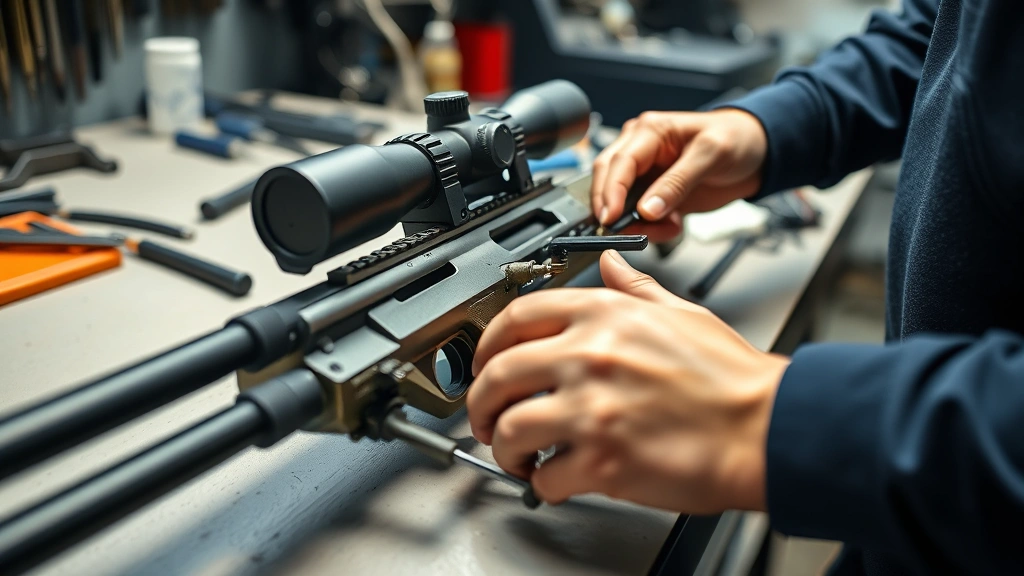
Optimize Rifle Performance: Expert Insights on Adjustable Gas Blocks
Rifle performance optimization has become increasingly sophisticated, with shooters and manufacturers focusing on precision, reliability, and efficiency. One critical component that has revolutionized modern rifle tuning is the adjustable gas block, a technology that allows shooters to fine-tune their firearm’s cycling rate with unprecedented control. Whether you’re a competitive shooter, hunter, or firearms enthusiast, understanding how adjustable gas blocks work and why they matter can significantly enhance your shooting experience.
The evolution of rifle design has consistently emphasized better performance metrics. An adjustable gas block represents a practical solution to one of the most common challenges in semi-automatic rifle operation: balancing reliability with shooter comfort and component longevity. By enabling precise adjustment of gas flow to the bolt carrier group, these components offer shooters the ability to optimize their rifle’s performance for specific ammunition types, shooting conditions, and intended use cases.
Understanding Rifle Speed and Gas Block Fundamentals
The term “rifle speed” refers to the cycling rate of a semi-automatic rifle—essentially how quickly the bolt carrier group moves through its operational cycle. This speed is directly controlled by the amount of gas pressure directed toward the bolt carrier group from the barrel. In traditional rifles with fixed gas blocks, this pressure is predetermined by the manufacturer and cannot be adjusted, which can lead to suboptimal performance depending on ammunition selection and environmental factors.
A rifle speed adjustable gas block addresses this limitation by introducing a variable restriction to gas flow. Think of it as a valve that you can fine-tune to regulate exactly how much gas reaches the bolt carrier group. This adjustment capability is particularly valuable because ammunition varies significantly in pressure output. Lighter loads produce less pressure, while heavier loads generate more. Without adjustment capability, shooters are forced to accept whatever cycling characteristics the fixed gas block provides.
The fundamental principle behind gas block operation involves Stokes’ Law and pressure dynamics. When a cartridge fires, combustion gases expand rapidly and push against the piston or gas tube assembly. This pressure travels through the gas port in the barrel and into the gas block. A fixed gas block allows all available pressure to flow through, while an adjustable block lets you restrict or permit this flow as needed. This seemingly simple modification creates profound improvements in rifle reliability, accuracy, and user experience.
Understanding the relationship between gas pressure and rifle cycling is essential for anyone seeking to optimize their firearm’s performance. Higher gas pressure results in faster cycling, which increases felt recoil and component wear. Lower gas pressure provides softer recoil but risks unreliable feeding if set too low. The ideal sweet spot depends on your specific ammunition, barrel length, ammunition weight, and intended use case.
How Adjustable Gas Blocks Work
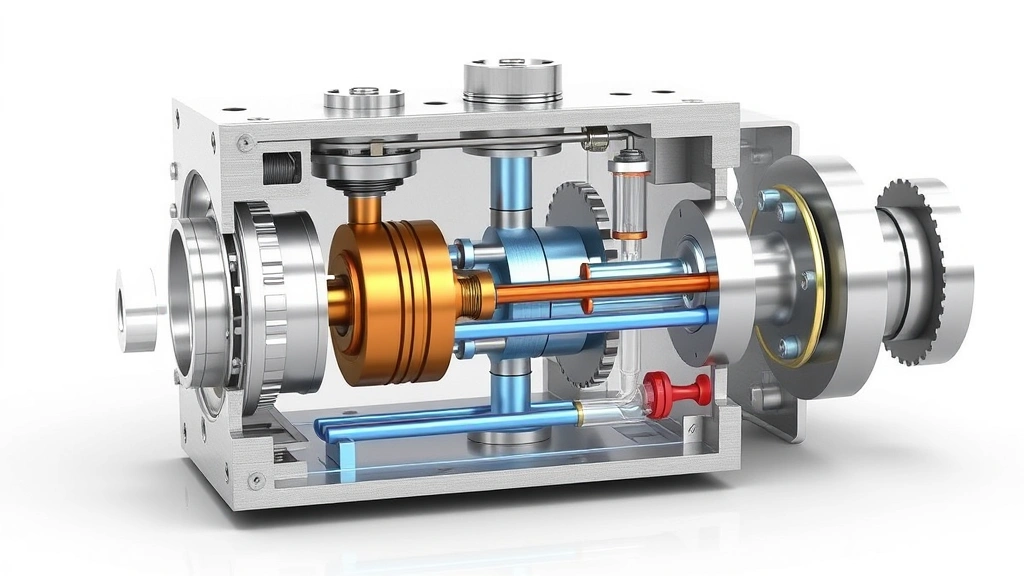
Adjustable gas blocks function through several different mechanical designs, each offering unique advantages. The most common type employs a screw-adjustable piston that creates variable restriction to gas flow. As you turn the adjustment screw, you either open or close the passage that allows gas to escape from the tube, thereby controlling how much pressure reaches the bolt carrier group.
The screw-adjustable mechanism works by rotating a small dial or hex key adjustment that moves a piston or ball valve incrementally. Each click or turn typically represents a small change in gas flow, often measured in fractions of a millimeter. This precision allows shooters to make micro-adjustments that can dramatically affect cycling characteristics without requiring complete disassembly or replacement of components.
Another popular design utilizes a cam-based adjustment system where rotating a lever physically repositions internal components to change the gas passage diameter. This design offers the advantage of quick, tool-free adjustments in the field, making it ideal for shooters who need to adapt to different ammunition types throughout a shooting session. Some premium adjustable gas blocks feature detents that provide tactile feedback and prevent accidental adjustment.
The installation process for an adjustable gas block typically involves removing the existing fixed gas block and replacing it with the adjustable model. This requires removing the barrel from the receiver and carefully extracting the old block. The new adjustable block is then installed using the same mounting points, though some aftermarket options may require slight modifications to the gas port or tube assembly.
Advanced adjustable gas blocks incorporate additional features such as bleed-off ports that allow excess pressure to escape safely, improving reliability across a wider range of ammunition types. Some designs include integral pressure relief valves that protect against over-pressurization, which is particularly important when shooting heavy magnum loads or reloaded ammunition with variable pressure characteristics.
Performance Benefits and Optimization
The primary benefit of implementing a rifle speed adjustable gas block is the ability to achieve optimal cycling across different ammunition types and shooting conditions. This optimization directly translates to improved reliability, reduced felt recoil, and extended component lifespan. When your rifle cycles at the minimum necessary pressure, you experience several cascading benefits that enhance overall performance.
Reduced felt recoil is one of the most immediately noticeable improvements after installing an adjustable gas block and tuning it properly. By lowering gas pressure to the minimum required for reliable operation, you decrease the impulse transferred to your shoulder. This reduction in recoil makes follow-up shots faster and more accurate, particularly important in competitive shooting scenarios. Studies on sustainable energy solutions and efficiency principles show that optimizing energy transfer reduces waste—the same principle applies to firearm tuning.
Extended component lifespan represents another significant advantage. Every time your bolt carrier group cycles, it experiences stress and wear. Excessive gas pressure accelerates this wear, reducing the intervals between required maintenance and component replacement. By tuning your gas block to provide just enough pressure for reliable operation, you dramatically extend the service life of critical components like bolt carriers, firing pins, and extractors. This efficiency-focused approach aligns with broader principles of resource optimization.
Improved accuracy is another key benefit that many shooters report after proper gas block adjustment. When your rifle cycles with excessive gas pressure, the bolt carrier group impacts the buffer tube with considerable force, introducing vibration into the system. This vibration can negatively affect shot consistency. By reducing cycling velocity to optimal levels, you minimize these impulses and create a more stable shooting platform.
Ammunition flexibility represents a practical advantage for shooters who work with varied loads. Whether you’re using commercial ammunition from different manufacturers or experimenting with handloads, an adjustable gas block allows you to fine-tune your rifle for each specific type. This flexibility means you can maximize performance across your entire ammunition inventory rather than accepting a compromise setting that works acceptably but not optimally for any particular load.
The tuning process itself involves systematic testing and adjustment. Most shooters start by setting the gas block to a conservative position that ensures reliable operation, then gradually increase restriction until the rifle barely cycles reliably. This “minimum necessary pressure” setting represents the optimal tuning point for that particular ammunition type. Many experienced shooters maintain detailed notes about their gas block settings for different ammunition loads.
Installation and Tuning Best Practices
Proper installation of an adjustable gas block requires careful attention to detail and appropriate tools. The process begins with safely unloading your rifle and ensuring it is in a safe condition. Remove the upper receiver from the lower receiver, then proceed to remove the barrel from the upper receiver. This typically requires a barrel wrench and vice block to safely secure the upper receiver while applying the necessary torque.
Once the barrel is removed, you can access the gas block for removal. The existing block is typically held in place with set screws or a pinned design. Carefully remove these fasteners and gently slide the block off the barrel. Clean the barrel thoroughly to remove any carbon buildup or debris that might interfere with proper seating of the new adjustable block.
Installation of the new adjustable gas block follows the reverse procedure. Ensure the block is positioned correctly on the barrel with proper alignment to the gas port. The gas port is a small hole drilled in the barrel at a specific location that allows propellant gases to enter the gas tube system. Misalignment between the block and port will result in unreliable operation. Tighten all fasteners to manufacturer specifications, typically between 20-30 foot-pounds of torque.
After installation, reassemble your rifle and prepare for the tuning process. Begin with the gas block adjustment screw in a middle position, then fire a few rounds to verify basic function. Gradually increase the restriction by turning the adjustment screw clockwise (in most designs) until you achieve reliable feeding and extraction with your specific ammunition. This process may require 20-50 rounds of testing to dial in perfectly.
Document your optimal adjustment settings for different ammunition types. Many shooters use a marker to make witness marks on the adjustment screw, indicating the position for specific loads. This reference system allows quick re-tuning if you switch ammunition types or need to verify your settings have not drifted.
Professional installation is recommended for shooters unfamiliar with barrel removal and gas block work. A qualified gunsmith can ensure proper installation, alignment, and initial tuning, saving time and potential frustration. Many gun ranges and specialty shops offer installation services at reasonable costs.
Common Issues and Troubleshooting
Even with proper installation, adjustable gas blocks occasionally present challenges that require systematic troubleshooting. Understanding common issues and their solutions will help you quickly resolve problems and return to optimal performance.
Failure to feed occurs when a round does not properly chamber from the magazine. This typically indicates insufficient gas pressure reaching the bolt carrier group. If you experience feeding failures, gradually decrease the restriction by turning the adjustment screw counterclockwise to increase gas flow. Feed failures often appear when the gas block is adjusted too tight, restricting too much gas flow. Alternatively, feeding issues might indicate a problem with your magazine or ammunition compatibility rather than gas block adjustment.
Failure to extract or eject represents the opposite problem—the bolt carrier group is cycling too slowly to properly pull the spent casing from the chamber. This condition requires increasing gas pressure by turning the adjustment screw clockwise to restrict less gas. Extraction failures can also indicate a dirty rifle that requires cleaning, so address basic maintenance before adjusting gas pressure.
Inconsistent cycling where your rifle sometimes functions reliably and other times experiences failures often indicates that your gas block is adjusted too close to the edge of reliable operation. Make small adjustments toward increased gas pressure until the failures disappear. Inconsistent cycling can also result from dirty ammunition, magazine issues, or ammunition quality variations.
Gas block creep, where the adjustment setting gradually changes from vibration or handling, can be prevented by using threadlocker compound on adjustment screws. Apply a small amount of removable threadlocker (like Loctite 243) to the screw threads before final installation. This prevents unintended movement while still allowing future adjustment.
Leaking gas at the block interface sometimes occurs if the block is not properly sealed against the barrel. This issue requires removal and reinstallation with careful attention to alignment and proper torque specifications. Ensure the barrel surface is clean and free from debris before reinstalling the block.
Comparing Premium Options
The market offers numerous adjustable gas block designs from various manufacturers, each with distinct advantages. Understanding the differences helps you select the option that best matches your shooting style and requirements.
Screw-adjustable blocks represent the most common and affordable option. These designs offer simplicity, reliability, and precise adjustment capability. Popular models in this category provide excellent value and proven performance across diverse shooting applications. The main limitation is that adjustments require a tool, making mid-range adjustments less convenient.
Lever-adjustable or cam-based systems offer tool-free adjustment, allowing quick changes in the field without disassembly. This design proves particularly valuable for shooters who test multiple ammunition types or need to adapt to changing conditions. The trade-off is typically higher cost and slightly more complex internal mechanisms.
Low-profile designs are essential for shooters using low-mounted optics or specific handguard configurations. These blocks minimize height while maintaining full adjustment capability. If you run a modern rail-mounted optic close to the barrel, a standard-height block might interfere with your setup, making a low-profile option necessary.
Piston-driven versus direct impingement gas systems utilize different adjustment mechanisms. Direct impingement systems (also called tube-fed) use a gas tube that directs pressure toward the bolt carrier group. Piston systems employ a separate piston that cycles a carrier rod. While both can be adjustable, the specific block design differs between these systems.
Premium brands often incorporate quality manufacturing, tighter tolerances, and additional features like integral pressure relief valves or detented adjustment mechanisms. These upgrades justify higher prices for shooters seeking maximum reliability and performance. Budget options still provide excellent value and function reliably when properly installed and tuned.
Consider your specific use case when comparing options. Competitive shooters benefit most from the finest adjustable blocks with precise detents and multiple adjustment positions. Hunters and recreational shooters find excellent value in mid-range options that balance cost and capability. Military and professional users often prefer proven designs with extensive field testing and reliability track records.
Environmental and Sustainable Considerations
While firearms optimization might seem disconnected from sustainability principles, the efficiency-focused approach of adjustable gas blocks actually demonstrates important resource conservation concepts. When you optimize your rifle’s gas cycling, you directly reduce ammunition consumption and component waste—two significant environmental impacts of shooting activities.
Ammunition efficiency improves dramatically when your rifle is properly tuned. A well-adjusted gas block ensures that every round functions reliably, eliminating wasted ammunition due to malfunctions or misfires. This efficiency reduces the total number of cartridges needed to complete your shooting sessions, thereby decreasing the environmental footprint of your ammunition consumption. Definition of sustainability fundamentally involves using resources wisely and minimizing waste—principles that apply directly to ammunition use.
Extended component lifespan through proper gas block tuning reduces the frequency of replacement parts disposal. Bolt carriers, firing pins, extractors, and buffers that would otherwise require replacement after shorter service intervals can function longer when your rifle cycles at optimal pressure levels. This reduction in component replacement directly decreases resource consumption and manufacturing impacts associated with replacement parts production.
Cleaner burning ammunition and properly tuned rifles work synergistically to reduce environmental impact. When your rifle cycles efficiently, it operates at higher combustion efficiency, resulting in more complete powder burn and less unburned propellant residue. This efficiency improvement aligns with broader environmental principles of energy optimization and waste reduction.
The manufacturing of adjustable gas blocks represents a sustainable alternative to the throwaway culture of fixed-block rifle design. Rather than replacing entire upper receivers or gas systems when performance optimization is desired, shooters can install a single adjustable component that provides long-term flexibility. This approach to design—emphasizing adaptability and longevity—reflects sustainable manufacturing principles that minimize resource consumption.
Noise reduction achieved through proper gas block tuning provides environmental and community benefits. Lower gas pressure results in quieter operation and less impulse noise, reducing noise pollution at shooting ranges and in hunting areas. This benefit extends to wildlife management and ecosystem preservation by minimizing stress on wildlife populations from excessive noise.
For shooters interested in comprehensive environmental responsibility, consider pairing your adjustable gas block installation with other efficiency improvements. Review your ammunition sourcing to support sustainable practices where possible. Some ammunition manufacturers now emphasize reduced-lead projectiles and environmentally conscious manufacturing practices. Explore green technology innovations in shooting sports equipment and accessories.
The broader shooting community increasingly recognizes that responsible firearm ownership includes environmental stewardship. Proper maintenance and tuning of your equipment—including adjustable gas block optimization—demonstrates commitment to using your resources efficiently and responsibly. This efficiency mindset extends to range management, where shooters can advocate for proper lead remediation and environmental protection measures.
FAQ
What is the main purpose of an adjustable gas block?
An adjustable gas block allows shooters to control the amount of gas pressure reaching the bolt carrier group, enabling optimization for different ammunition types and shooting conditions. This adjustment capability improves reliability, reduces recoil, and extends component lifespan compared to fixed gas blocks.
How do I know if my rifle needs an adjustable gas block?
Consider an adjustable gas block if you experience excessive recoil, rapid component wear, feeding/extraction inconsistencies, or desire to shoot multiple ammunition types. If your rifle functions reliably with your current ammunition, an adjustable block provides refinement benefits rather than solving critical problems.
Can I install an adjustable gas block myself?
Installation requires barrel removal and basic gunsmithing skills. If you have experience with rifle disassembly and possess appropriate tools, DIY installation is feasible. Otherwise, professional installation by a qualified gunsmith is recommended to ensure proper alignment and function.
How long does it take to tune an adjustable gas block?
Initial tuning typically requires 20-50 rounds of testing to establish optimal settings for your specific ammunition. The actual adjustment process takes minutes per setting, but systematic testing to find the ideal point requires multiple shooting sessions.
Will an adjustable gas block work with all rifle platforms?
Adjustable blocks are designed for specific gas systems (direct impingement or piston-driven) and barrel profiles. Verify compatibility with your specific rifle platform before purchasing. Most modern AR-15 pattern rifles accept standard direct impingement adjustable blocks, while other platforms require platform-specific designs.
What ammunition should I use to test my adjustable gas block?
Use the ammunition you intend to shoot regularly. Test with full-power loads first to establish baseline settings, then test with lighter loads to determine the minimum pressure required for reliable operation. This testing approach ensures your settings work optimally for your actual shooting needs.
Is an adjustable gas block worth the investment?
For shooters using multiple ammunition types or seeking to optimize rifle performance, an adjustable gas block provides excellent value through improved reliability, reduced recoil, and extended component lifespan. Competitive shooters and those using precision ammunition find the investment particularly worthwhile.


