
RAV4 Gas Mileage: Eco-Friendly Tips & Tricks to Maximize Efficiency
The Toyota RAV4 has earned its reputation as one of the most reliable and fuel-efficient compact SUVs on the market. With growing concerns about sustainable energy solutions and reducing our carbon footprint, understanding how to optimize your RAV4’s gas mileage becomes increasingly important. Whether you’re a new owner or a seasoned driver, there are numerous practical strategies you can implement to stretch every gallon and reduce your environmental impact.
In this comprehensive guide, we’ll explore proven techniques to improve your RAV4 gas mileage, from maintenance best practices to driving habits that make a measurable difference. By combining these eco-conscious strategies with proper vehicle care, you can significantly enhance fuel efficiency while contributing to a cleaner planet. Let’s dive into the actionable tips that will help you get the most out of your RAV4.
Understanding RAV4 Fuel Efficiency Basics
The Toyota RAV4 consistently delivers impressive gas mileage ratings that rival many competitors in the compact SUV category. Standard gasoline models typically achieve 26-28 mpg in combined driving, while the RAV4 Hybrid models can reach 40+ mpg. Understanding these baseline figures helps you recognize when your vehicle isn’t performing at optimal levels.
Several factors influence your RAV4’s fuel consumption, including driving conditions, terrain, weather patterns, and individual driving behavior. The EPA provides estimated fuel economy ratings, but real-world results vary based on how and where you drive. Visit the EPA’s FuelEconomy.gov website for detailed information about your specific model year and trim level.
It’s worth noting that advantages of electric vehicles and hybrid technology have revolutionized the automotive industry. The RAV4 Hybrid represents a middle ground between traditional gasoline and fully electric options, offering substantial fuel savings without the charging infrastructure concerns.
Tire Maintenance and Pressure Optimization
One of the most overlooked yet impactful factors affecting RAV4 gas mileage is proper tire maintenance. Under-inflated tires create increased rolling resistance, forcing your engine to work harder and consume more fuel. According to the Department of Energy, every 1 psi drop in tire pressure can reduce fuel economy by approximately 0.3 percent.
To optimize tire performance:
- Check tire pressure monthly using an accurate gauge
- Inflate to the manufacturer-recommended PSI found on the driver’s door jamb or fuel door
- Increase pressure slightly when carrying heavy loads
- Rotate tires every 5,000-7,000 miles for even wear
- Replace tires when tread depth reaches 4/32 inches
Investing in low-rolling-resistance tires can improve fuel economy by 3-5 percent compared to standard tires. These eco-friendly options are specifically engineered to reduce friction while maintaining safety and durability. Many tire manufacturers now offer sustainable options made with recycled materials and environmentally responsible production processes.
Regular alignment checks prevent uneven tire wear and unnecessary drag. Misaligned wheels force your RAV4 to work against itself, compromising both gas mileage and safety. Professional alignment services typically cost $100-200 but pay for themselves through improved fuel efficiency.

Engine Maintenance for Peak Performance
A well-maintained engine operates more efficiently and delivers better gas mileage. Your RAV4’s fuel economy depends significantly on proper maintenance schedules and timely service intervals. Neglecting routine care creates a cascade of efficiency problems that directly impact your wallet and the environment.
Essential engine maintenance includes:
- Oil Changes: Fresh, quality oil reduces friction and improves engine efficiency. Use the manufacturer-recommended oil viscosity grade for your model year.
- Air Filter Replacement: A clean engine air filter ensures optimal fuel combustion. Clogged filters force your engine to work harder, reducing gas mileage by up to 10 percent.
- Fuel Filter Service: Regular fuel filter changes prevent contaminants from affecting fuel injector performance and combustion efficiency.
- Spark Plug Inspection: Worn spark plugs cause incomplete combustion and reduced fuel economy. Modern RAV4 models use long-life spark plugs but should still be inspected regularly.
- Fuel System Cleaning: Carbon deposits accumulate in fuel injectors over time, affecting spray patterns and combustion efficiency.
Following your RAV4’s scheduled maintenance recommendations ensures your vehicle operates at peak efficiency. Consult your owner’s manual for specific service intervals, which vary by model year and driving conditions. Preventive maintenance is significantly more cost-effective than addressing problems after they develop.
Driving Habits That Improve Gas Mileage
Your driving behavior has perhaps the most immediate impact on RAV4 gas mileage. Aggressive acceleration, excessive idling, and speeding all consume fuel unnecessarily. By adopting eco-conscious driving practices, you can improve fuel economy by 15-30 percent without any vehicle modifications.
Implement these driving techniques:
- Smooth Acceleration: Gradually increase speed rather than jackrabbit starts. Aggressive acceleration forces your engine to operate in less efficient zones.
- Maintain Steady Speed: Highway driving at consistent speeds (55-60 mph) is more efficient than varying speeds. Each 5 mph increase above 50 mph reduces fuel economy by approximately 7 percent.
- Anticipate Traffic: Look ahead and ease off the accelerator when approaching red lights or traffic congestion. Coasting to a stop uses less fuel than hard braking from high speeds.
- Reduce Idling: Modern RAV4 engines use minimal fuel when idling, but extended idle periods still waste fuel. Turn off the engine if stopped for more than 10 seconds.
- Use Cruise Control: On highways, cruise control maintains consistent speed and reduces unnecessary throttle adjustments.
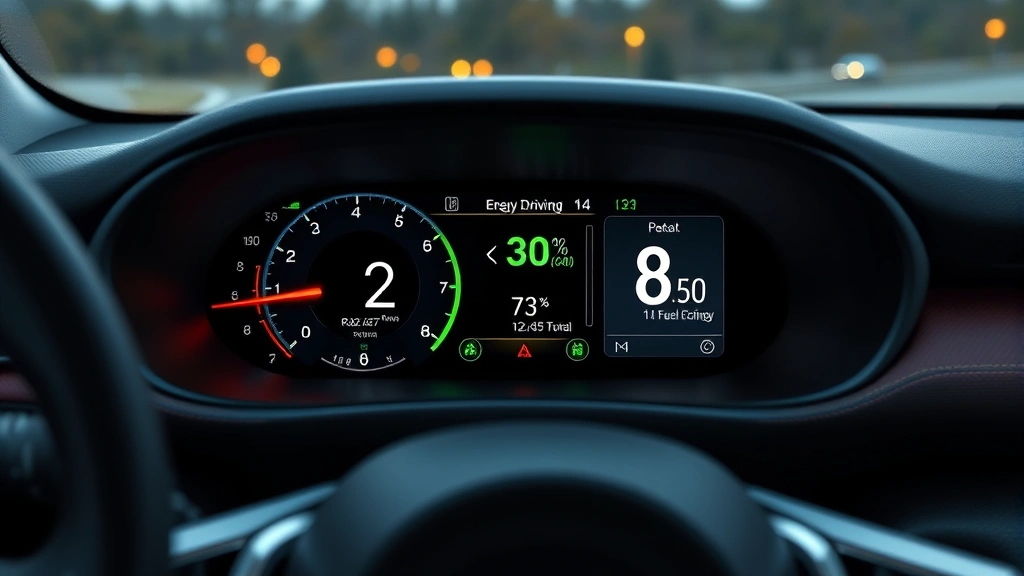
Understanding your RAV4’s driving dynamics helps you make real-time adjustments. Pay attention to how the vehicle responds to different driving conditions and adjust accordingly. Many modern RAV4 models feature fuel economy displays that provide real-time feedback, helping you develop more efficient driving habits.
Weight Reduction and Aerodynamics
Excess weight directly impacts fuel consumption. Your RAV4 must work harder to move additional pounds, consuming more fuel in the process. Removing unnecessary cargo is one of the simplest ways to improve gas mileage immediately.
Weight management strategies:
- Remove roof racks, cargo carriers, and bike racks when not in use
- Empty the trunk of unnecessary items regularly
- Avoid keeping heavy tools or equipment permanently in your vehicle
- Consider lighter-weight alternatives for frequently carried items
Aerodynamic resistance also affects fuel economy, particularly at highway speeds. While you can’t dramatically alter your RAV4’s design, you can minimize aerodynamic drag by:
- Removing external accessories that create wind resistance
- Keeping windows closed at highway speeds
- Ensuring proper tire pressure for optimal aerodynamic efficiency
- Avoiding aftermarket body modifications that disrupt airflow
These seemingly minor adjustments collectively contribute to meaningful improvements in gas mileage. A vehicle carrying 100 pounds of unnecessary weight consumes approximately 1-2 percent more fuel. Over a year, this adds up to hundreds of dollars in unnecessary fuel costs.
Technology Features and Smart Features
Modern RAV4 models incorporate advanced green technology innovations designed to optimize fuel efficiency. Understanding and utilizing these features can significantly improve your gas mileage.
Key technology features to maximize:
- Eco Mode: This driving mode adjusts throttle response and transmission behavior to prioritize fuel economy. Eco mode is particularly effective in city driving conditions.
- Multi-Gear Transmission: RAV4’s continuously variable transmission (CVT) or 8-speed automatic transmission maintains optimal engine RPM for fuel efficiency across varying speeds.
- Dynamic Radar Cruise Control: This intelligent system maintains safe following distances while optimizing fuel consumption by reducing unnecessary acceleration and braking.
- Vehicle Information Display: Real-time fuel economy feedback helps you understand how your driving habits affect consumption and encourages more efficient driving.
- Tire Pressure Monitoring: Alerts notify you when tire pressure drops, preventing the efficiency loss associated with under-inflation.
Familiarizing yourself with these technologies and using them intentionally maximizes their benefits. Your RAV4’s onboard computer continuously monitors dozens of parameters to optimize fuel delivery and engine efficiency. Trusting these systems rather than fighting against them leads to better overall performance.
Comparing Gas vs Hybrid Models
The choice between a standard gasoline RAV4 and a RAV4 Hybrid significantly impacts your long-term fuel economy and environmental footprint. Understanding the differences helps you make informed decisions about your vehicle purchase or upgrade.
Gasoline RAV4 Models:
- Typical fuel economy: 26-28 mpg combined
- Lower upfront purchase price
- Proven reliability with straightforward maintenance
- Better performance in heavy towing situations
- Familiar technology and repair infrastructure
RAV4 Hybrid Models:
- Exceptional fuel economy: 40-42 mpg combined
- Higher initial cost (offset by fuel savings over time)
- Regenerative braking extends brake lifespan
- Quieter operation in city driving
- Reduced emissions and environmental impact
The hybrid advantage becomes increasingly apparent over the vehicle’s lifespan. If you drive 12,000 miles annually and gasoline costs $3.50 per gallon, a standard RAV4 costs approximately $1,615 yearly for fuel, while a RAV4 Hybrid costs roughly $1,050—a savings of $565 annually. Over five years, that’s $2,825 in fuel savings, which significantly offsets the higher purchase price.
Explore information about energy sources to understand the broader environmental implications of your fuel choice. While gasoline remains non-renewable, hybrid vehicles significantly reduce consumption and emissions, making them a more sustainable transportation option.
Seasonal Considerations for Fuel Economy
Weather and seasonal changes impact RAV4 gas mileage more than many drivers realize. Temperature fluctuations affect fuel viscosity, engine efficiency, and driving conditions. Understanding seasonal factors helps you anticipate efficiency changes and adjust accordingly.
Winter Driving:
- Cold engines operate less efficiently until they reach operating temperature
- Winter-blend gasoline has different properties affecting combustion
- Increased tire rolling resistance in cold temperatures
- Heating systems demand additional engine power
- Snow and ice increase aerodynamic drag
Winter typically reduces fuel economy by 10-20 percent compared to summer driving. Minimize these losses by allowing adequate warm-up time, maintaining proper tire pressure in cold conditions, and reducing unnecessary heating usage.
Summer Driving:
- Engines operate at optimal efficiency in warm conditions
- Lower rolling resistance improves fuel economy
- Air conditioning increases fuel consumption by 5-10 percent
- Higher speeds on highways reduce overall efficiency
Summer offers the best opportunity to achieve peak gas mileage. Use air conditioning judiciously—at highway speeds, using the AC is more efficient than opening windows, which increases aerodynamic drag. In city driving, opening windows and using ventilation modes reduces fuel consumption.
Seasonal tire changes also affect efficiency. Winter tires have deeper treads and softer rubber compounds that increase rolling resistance compared to all-season or summer tires. Switching to appropriate seasonal tires optimizes gas mileage for current conditions.
Frequently Asked Questions
What is the average gas mileage for a Toyota RAV4?
Standard RAV4 models typically achieve 26-28 mpg in combined driving (city and highway), while RAV4 Hybrid models deliver 40-42 mpg combined. Actual mileage varies based on driving conditions, driving habits, and maintenance status. Newer model years often feature improved efficiency compared to older generations.
How can I improve my RAV4’s fuel economy immediately?
The quickest improvements come from adjusting driving habits: smooth acceleration, maintaining steady speeds, and reducing idling. Check tire pressure to ensure optimal inflation. Remove unnecessary weight and cargo from your vehicle. These changes can improve gas mileage by 10-20 percent within days.
Does synthetic oil improve gas mileage?
Synthetic oil reduces engine friction slightly better than conventional oil, potentially improving fuel economy by 1-3 percent. The primary benefit of synthetic oil is extended service intervals and superior engine protection. Use the oil viscosity recommended by Toyota for your specific model year.
Should I consider a RAV4 Hybrid if I only drive in the city?
Absolutely. RAV4 Hybrid models excel in city driving where regenerative braking captures energy during deceleration. The hybrid system particularly benefits from frequent stop-and-go traffic patterns. City drivers often see even better fuel economy than the EPA-estimated 40 mpg combined rating.
How does tire pressure affect fuel consumption?
Under-inflated tires significantly increase rolling resistance, reducing fuel economy by approximately 0.3 percent per 1 psi drop. Maintaining proper tire pressure is one of the most impactful maintenance tasks for fuel efficiency. Check pressure monthly and before long trips.
What maintenance has the biggest impact on gas mileage?
Air filter replacement, fuel injector cleaning, and proper tire maintenance provide the most noticeable improvements. A clogged air filter alone can reduce fuel economy by up to 10 percent. Following scheduled maintenance intervals ensures your RAV4 operates at peak efficiency.
Is there a difference between highway and city gas mileage for RAV4?
Yes, RAV4 typically achieves better highway mileage (28-30 mpg) than city driving (24-26 mpg) in standard models. However, RAV4 Hybrid models show more balanced performance across both conditions due to the hybrid system’s efficiency in city driving.


