Today’s Gas Prices: Sam’s Club Insights and Sustainable Fuel Alternatives
Gas prices fluctuate daily based on crude oil markets, geopolitical events, and seasonal demand patterns. Sam’s Club, as one of America’s largest warehouse retailers, offers competitive fuel pricing that attracts millions of members seeking to maximize their savings at the pump. Understanding current pricing trends and exploring alternatives can help consumers make informed decisions about their energy consumption and environmental impact.
In today’s economy, where transportation costs significantly impact household budgets, finding reliable fuel pricing information has become essential. Sam’s Club members benefit from discounted gas prices compared to traditional gas stations, often saving 10-30 cents per gallon. However, the broader conversation around fuel consumption extends beyond price—it encompasses environmental responsibility, long-term sustainability, and the transition toward cleaner energy solutions.
Sam’s Club Gas Pricing Strategy
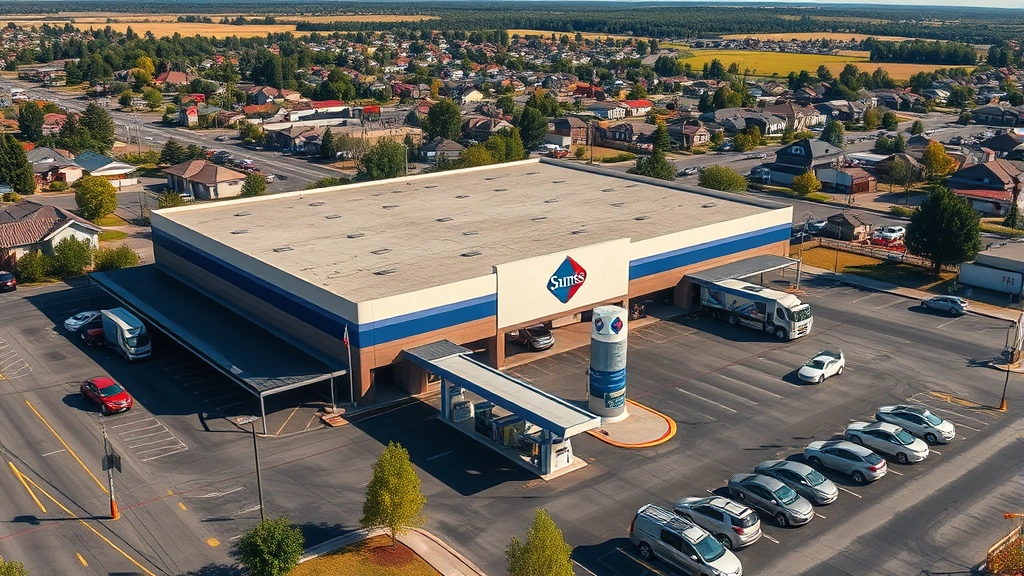
Sam’s Club operates one of the largest fuel networks in the United States, with over 600 fuel stations located at warehouse club locations nationwide. The retailer’s pricing strategy focuses on member value, offering consistently lower prices than surrounding commercial gas stations. This competitive advantage stems from Sam’s Club’s membership model and high-volume purchasing power, allowing them to negotiate favorable wholesale rates with fuel suppliers.
The membership-based model creates a direct incentive structure: members pay annual dues, and in return, they receive access to discounted merchandise and fuel prices. This approach differs significantly from traditional gas stations that rely on individual transactions. Sam’s Club members typically save substantial amounts annually on fuel alone, making the membership investment worthwhile for frequent drivers.
Pricing at Sam’s Club fuel stations updates regularly throughout the day, responding to wholesale market changes. The company maintains transparency by displaying prices prominently at pump stations and through their mobile application. Members can check current prices before visiting their local warehouse, enabling better trip planning and budget management.

Current Market Factors Affecting Fuel Costs
Multiple variables influence gasoline prices at any given moment. Crude oil costs represent the primary driver, accounting for approximately 60% of retail fuel prices. When international oil markets experience volatility, consumers feel immediate effects at the pump. Geopolitical tensions, production disruptions, and OPEC decisions directly impact global crude oil supplies and pricing.
Seasonal demand fluctuations also play a significant role in fuel pricing. Summer months typically see higher prices due to increased driving and stricter environmental regulations requiring special fuel blends. Winter prices generally decline as driving decreases and fuel formulations change. Understanding these seasonal patterns helps consumers anticipate price movements and plan accordingly.
Refinery capacity and maintenance schedules influence fuel availability and pricing. When refineries undergo scheduled maintenance or experience unexpected shutdowns, fuel supplies tighten, pushing prices upward. Transportation costs, including pipeline operations and shipping, add additional expenses that ultimately reflect in retail prices.
Government policies and taxes also significantly impact fuel prices. Federal and state fuel taxes vary by location, with some states imposing substantially higher taxes than others. Environmental regulations requiring cleaner fuel formulations increase production costs, which manufacturers pass to consumers.
How to Access Sam’s Club Fuel Benefits
Accessing Sam’s Club fuel discounts requires membership. The club offers different membership tiers: Gold Star (basic membership) and Plus (premium membership with additional benefits). Fuel discounts are available to all membership levels, though Plus members receive additional perks and savings.
To purchase fuel at Sam’s Club, members simply drive to the fuel station area, swipe their membership card at the pump, and select their fuel grade. The system automatically applies the member discount to their purchase. Payment occurs directly at the pump using the membership card, credit card, or debit card.
Sam’s Club’s mobile application provides real-time fuel price information for nearby locations. Members can search for their nearest warehouse, check current pricing, and plan their fuel purchases strategically. The app also tracks fuel purchase history and calculates savings, helping members understand the value they receive from their membership.
For frequent drivers, Sam’s Club fuel savings can be substantial. A member driving 15,000 miles annually and averaging 25 miles per gallon consumes approximately 600 gallons yearly. At an average savings of 20 cents per gallon, that equals $120 in annual savings—often exceeding the cost of basic membership.
Comparing Sam’s Club to Competitors
Sam’s Club competes directly with other warehouse clubs and fuel retailers. Costco operates a similar membership-based model with competitive fuel pricing. Both retailers consistently rank among the lowest-priced fuel options in their respective markets. However, availability differs—Costco locations are less numerous than Sam’s Club stations, potentially limiting accessibility for some consumers.
Traditional gas stations operated by major brands like Shell, Chevron, and ExxonMobil typically charge premium prices compared to warehouse clubs. These retailers maintain extensive networks but lack the volume-purchasing advantages of membership-based models. Convenience is their primary selling point, as they’re more widely distributed geographically.
Discount fuel retailers, including Casey’s and Pilot Flying J, offer competitive pricing but may lack the brand consistency and customer service standards that Sam’s Club provides. Evaluation should consider not only price but also fuel quality, station cleanliness, and customer service experience.
The broader context of fuel consumption involves considering advantages of electric vehicles as long-term alternatives. While Sam’s Club fuel pricing addresses immediate cost concerns, sustainable alternatives offer greater environmental and economic benefits over extended timeframes.
Sustainable Alternatives to Traditional Gasoline
As environmental consciousness grows, alternative fuel options have become increasingly viable. Ethanol blends, including E10 (10% ethanol) and E85 (85% ethanol), reduce petroleum consumption and lower emissions. Many modern vehicles can safely use E10 fuel, and dedicated ethanol vehicles can utilize E85 for even greater environmental benefits.
Biodiesel represents another renewable option for diesel-powered vehicles. Derived from vegetable oils or animal fats, biodiesel reduces greenhouse gas emissions compared to petroleum diesel while supporting agricultural economies. Blends like B20 (20% biodiesel) work in most diesel engines without modification.
Natural gas vehicles (NGVs) offer cleaner combustion than gasoline engines, reducing particulate matter and nitrogen oxide emissions. While infrastructure for natural gas refueling remains limited compared to gasoline, expansion continues in commercial fleet applications. Explore natural gas news for latest developments in this sector.
Hydrogen fuel cell vehicles represent an emerging technology with zero tailpipe emissions—producing only water vapor. While hydrogen infrastructure remains nascent, government investments and manufacturer commitments suggest expansion ahead. These vehicles offer the convenience of gasoline cars with environmental benefits approaching electric vehicles.
Hybrid vehicles combine gasoline engines with electric motors, improving fuel efficiency significantly compared to conventional cars. Full hybrids like the Toyota Prius achieve exceptional mileage, reducing fuel consumption and associated costs. Plug-in hybrids offer additional electric range for daily commuting while maintaining gasoline backup for longer trips.
Electric Vehicles as Long-Term Solutions
Electric vehicles (EVs) represent the most sustainable personal transportation option currently available. By eliminating tailpipe emissions entirely, EVs reduce air pollution and greenhouse gas emissions significantly—especially when charged using renewable energy sources. The advantages of electric vehicles extend beyond environmental benefits to include lower operating costs and superior driving experiences.
Operating costs for electric vehicles are substantially lower than gasoline vehicles. Electricity typically costs 3-4 cents per mile, compared to 10-12 cents per mile for gasoline vehicles. Maintenance expenses also decline dramatically, as EVs lack oil changes, spark plugs, and complex transmission systems requiring servicing.
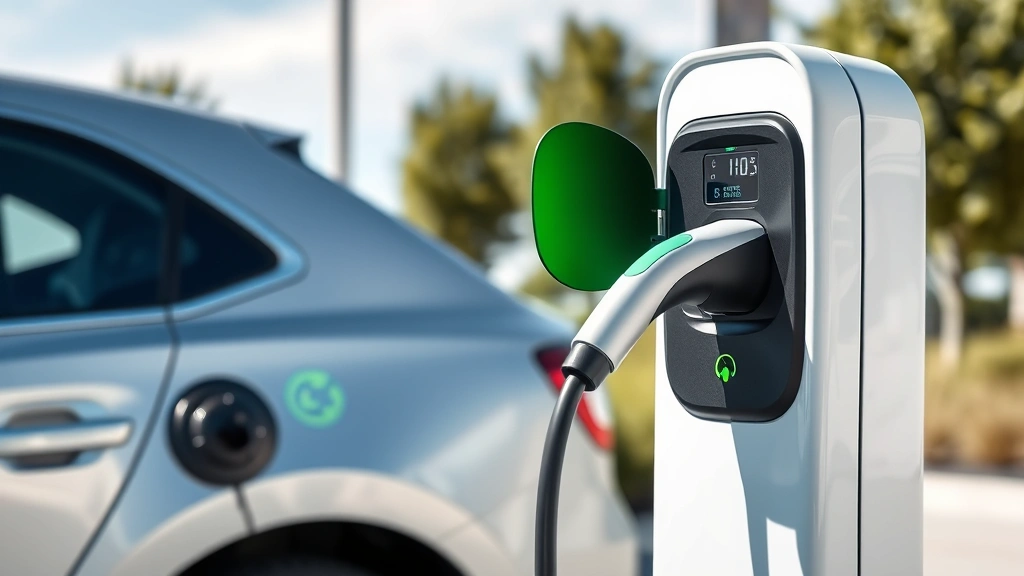
Charging infrastructure continues expanding rapidly across North America. Public charging networks, employer charging stations, and home charging solutions make EV ownership increasingly convenient. For consumers with regular commutes and access to charging, EVs eliminate fuel station visits entirely.
Battery technology improvements have extended EV driving ranges to 200-400 miles per charge, addressing range anxiety concerns that previously limited adoption. Charging times continue decreasing, with fast chargers capable of adding 200 miles in 20-30 minutes. As green technology innovations transform our future, EV adoption will accelerate substantially.
Government incentives, including federal tax credits up to $7,500 and state rebates, reduce EV purchase prices significantly. These incentives recognize the environmental and public health benefits of transitioning away from fossil fuel vehicles. Over their lifetime, EVs typically cost less than comparable gasoline vehicles when accounting for fuel and maintenance savings.
Environmental Impact of Fuel Consumption
Gasoline combustion produces carbon dioxide, the primary greenhouse gas driving climate change. A typical vehicle emits approximately 4.6 metric tons of CO2 annually. Collectively, transportation accounts for nearly 30% of U.S. greenhouse gas emissions, making fuel consumption a critical environmental concern.
Beyond climate impacts, gasoline combustion releases nitrogen oxides and particulate matter that degrade air quality and cause respiratory health problems. Urban areas with high traffic density experience elevated pollution levels, contributing to asthma, bronchitis, and cardiovascular diseases. Vulnerable populations, including children and elderly individuals, face disproportionate health risks.
Oil extraction and refining processes generate additional environmental damage. Drilling operations disrupt ecosystems, and spills contaminate water supplies. Refinery operations consume vast quantities of water and energy while producing hazardous waste streams. Transportation of crude oil via tanker ships and pipelines creates spill risks affecting marine and terrestrial ecosystems.
The EPA provides comprehensive data on transportation emissions, documenting the sector’s significant environmental footprint. Understanding these impacts motivates consumers to consider sustainable alternatives and evaluate their personal transportation choices.
Transitioning toward cleaner energy sources requires systemic change across transportation sectors. While individual choices matter, policy changes promoting renewable energy adoption and vehicle electrification will drive the most significant environmental improvements. Explore environmental sustainability examples demonstrating practical approaches to reducing transportation impacts.
Corporate sustainability initiatives also play crucial roles in energy transition. Companies committed to sustainable energy solutions invest in fleet electrification, renewable energy procurement, and carbon offset programs. These efforts collectively contribute to meaningful emissions reductions.
For detailed information on energy sustainability and climate action, the International Energy Agency provides comprehensive net-zero transition roadmaps guiding energy sector transformation. Additionally, Carbon Brief offers in-depth climate and energy analysis helping consumers understand complex energy issues.
FAQ
What is today’s Sam’s Club gas price?
Sam’s Club fuel prices update throughout the day based on wholesale market changes. Current prices vary by location and fuel grade. Check the Sam’s Club mobile app or visit your local warehouse website to view real-time pricing for your area. Prices typically update multiple times daily to reflect market conditions.
How much can I save with Sam’s Club fuel membership?
Members typically save 10-30 cents per gallon compared to traditional gas stations, depending on market conditions and local competition. Annual savings depend on driving habits—a driver consuming 600 gallons annually at average savings of 20 cents per gallon saves $120 yearly, potentially exceeding membership costs.
Do I need a membership to buy gas at Sam’s Club?
Yes, active Sam’s Club membership is required to purchase fuel. Both Gold Star (basic) and Plus (premium) membership levels include fuel discount access. Membership costs range from $45-$110 annually depending on tier selected.
What fuel grades does Sam’s Club offer?
Sam’s Club typically offers regular unleaded (87 octane), plus (89 octane), and premium (91-93 octane) gasoline. Some locations may offer diesel fuel for members with diesel vehicles. Specific grades available vary by location.
How do electric vehicles compare to Sam’s Club fuel savings?
While Sam’s Club offers competitive fuel pricing, electric vehicles eliminate fuel costs entirely. EV charging costs approximately 3-4 cents per mile versus 10-12 cents per mile for gasoline vehicles. Over a vehicle’s lifetime, EV operating costs are substantially lower despite higher purchase prices partially offset by government incentives.
Are there environmental benefits to choosing Sam’s Club fuel?
While Sam’s Club fuel pricing offers economic benefits, all gasoline combustion produces greenhouse gas emissions. For meaningful environmental impact, consider transitioning to electric vehicles or hybrid options that reduce emissions significantly compared to conventional gasoline-only vehicles.
Can I track my fuel savings with Sam’s Club?
Yes, the Sam’s Club mobile app displays fuel purchase history and calculates cumulative savings. Members can monitor their fuel spending and understand the value their membership provides. The app also shows current prices at nearby locations for comparison shopping.
How often do Sam’s Club fuel prices change?
Sam’s Club updates fuel prices multiple times daily, typically responding to wholesale market movements and competitor pricing. Prices adjust automatically at pump stations, and updates appear in the mobile app within minutes of changes. Early morning and late evening often see price adjustments.


