Paying Bills Sustainably? Washington Gas Tips for Eco-Conscious Energy Management
Managing utility bills is a monthly necessity for most households, but it doesn’t have to come at the expense of environmental responsibility. If you’re a Washington Gas customer looking to pay your bill while reducing your carbon footprint, you’re in the right place. This comprehensive guide explores practical strategies for sustainable bill payment, energy conservation, and transitioning toward greener alternatives that align with your values and budget.
Washington Gas serves over 3 million customers across Maryland, Virginia, and the District of Columbia, making it a major player in residential energy consumption. As climate concerns intensify, many customers are asking: How can I manage my gas expenses responsibly? What payment methods support sustainability? Are there alternatives to traditional fossil fuel heating? Understanding these questions helps you make informed decisions about your energy consumption and payment practices.
Understanding Washington Gas and Your Bill
Washington Gas is a regulated utility company that delivers natural gas to residential and commercial customers. When you pay your Washington Gas bill, you’re essentially paying for the extraction, processing, distribution, and delivery of natural gas to your home. Understanding your bill structure is the first step toward sustainable management.
Your monthly bill typically includes several components: the cost of the gas commodity itself, delivery charges, taxes, and various fees. During winter months, heating demands surge, causing bills to increase significantly. According to the U.S. Energy Information Administration (EIA), natural gas heating accounts for approximately 40% of residential energy consumption in the Northeast and Mid-Atlantic regions.
To understand whether natural gas is renewable or nonrenewable, it’s important to recognize that conventional natural gas is a fossil fuel formed over millions of years from organic matter. This non-renewable classification makes energy conservation and alternative solutions particularly important for environmentally conscious consumers.
Sustainable Payment Methods for Washington Gas Bills
How you pay your bill matters more than you might think. Washington Gas offers multiple payment options, and selecting the right one can reduce environmental impact while improving convenience.
Digital Payment Options
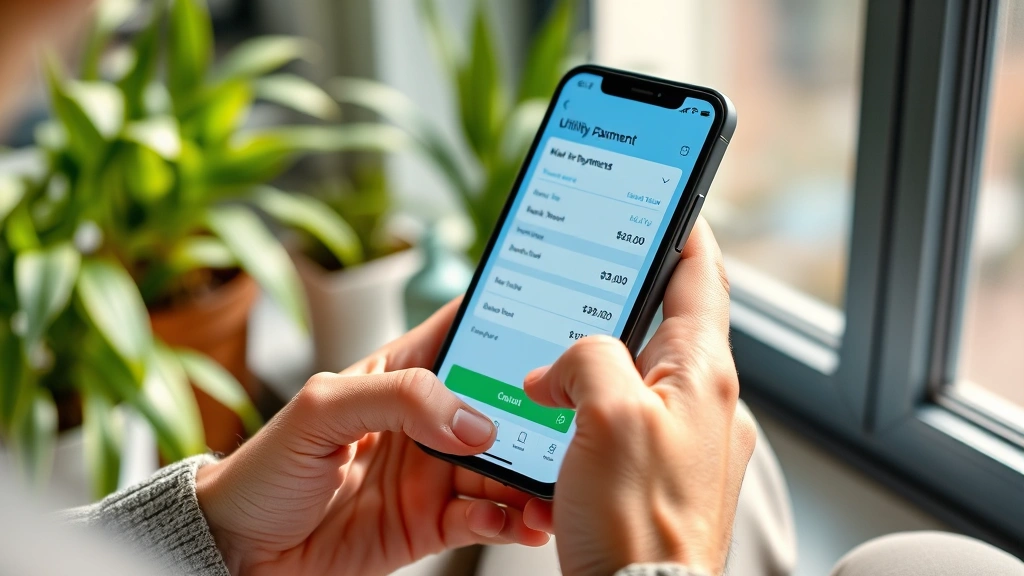
Online and paperless payments represent the most sustainable approach to managing your Washington Gas account. By choosing electronic bill pay through the Washington Gas website or mobile app, you eliminate paper waste entirely. Each household that switches to paperless billing saves approximately 1.5 pounds of paper annually—a modest figure individually, but significant collectively across millions of customers.
The Washington Gas online portal allows you to set up automatic recurring payments, reducing administrative overhead and the carbon footprint associated with payment processing. Automatic payments also help ensure timely bill settlement, potentially qualifying you for discounts or improved customer service benefits.
Mobile Payment Applications
Washington Gas’s mobile application enables bill payment directly from your smartphone, eliminating the need for mailing payments or visiting payment centers. This digital-first approach reduces transportation-related emissions associated with in-person payments and paper check processing.
Avoiding Unsustainable Payment Methods
While convenient, mailed paper checks require processing at distribution centers, transportation, and physical handling—all contributing to environmental impact. If you must mail payments, consider batching multiple bills together and using mail service during peak efficiency periods.
As you explore sustainable energy solutions, recognize that payment method selection is one of many small choices contributing to your overall environmental footprint.
Energy Efficiency Tips to Reduce Gas Consumption
The most sustainable bill payment strategy is reducing consumption in the first place. Implementing energy efficiency measures directly decreases the amount you owe and minimizes your environmental impact.
Heating System Optimization
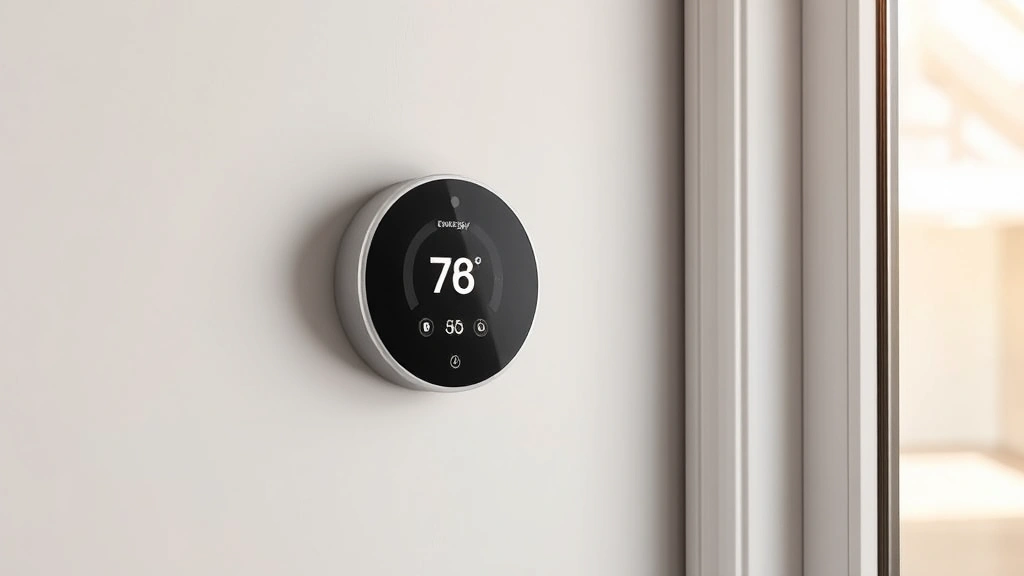
Your heating system represents the largest gas consumer in most homes. Programmable and smart thermostats can reduce heating energy use by 10-23% annually, according to the ENERGY STAR program. Setting your thermostat to 68°F during winter days and 62°F at night balances comfort with efficiency.
Regular HVAC maintenance—including annual inspections, filter replacements, and duct sealing—ensures your heating system operates at peak efficiency. A well-maintained system consumes less gas while delivering consistent comfort.
Insulation and Weatherization
Heat loss through walls, attics, and basements drives up heating demand. Improving insulation in your attic to recommended R-values (typically R-38 to R-60 depending on climate zone) prevents heat escape. Sealing air leaks around windows, doors, and penetrations reduces drafts and heating requirements significantly.
The ENERGY STAR Weatherization program offers guidance on identifying and addressing air leakage points, often resulting in 10-20% heating energy reductions.
Water Heating Efficiency
If your Washington Gas supply heats your water, implementing these strategies reduces consumption:
- Install a tankless water heater: These systems heat water on-demand, eliminating standby losses from traditional tank heaters, improving efficiency by 24-34%
- Lower water heater temperature: Setting your tank to 120°F (instead of the default 140°F) reduces energy consumption while maintaining adequate hot water
- Insulate hot water pipes: Wrapping exposed pipes with foam insulation minimizes heat loss during distribution
- Use low-flow showerheads: Reducing hot water usage directly decreases heating demands
Appliance Selection
If you use gas for cooking, ENERGY STAR certified gas ranges offer improved efficiency compared to standard models. When replacing gas appliances, prioritize certified options that meet rigorous efficiency standards.
Renewable Energy and Alternative Heating Solutions
While optimizing gas consumption is important, transitioning away from fossil fuels represents the most impactful sustainability strategy. Explore these alternatives to conventional natural gas heating.
Heat Pump Technology
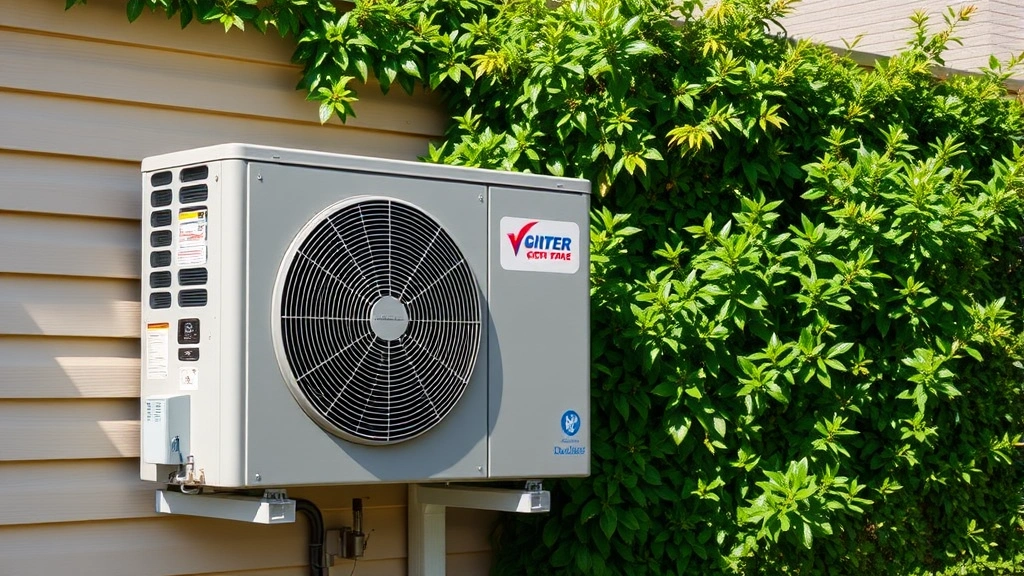
Air-source and ground-source heat pumps provide efficient heating by transferring warmth rather than generating it through combustion. Modern heat pumps operate efficiently even in cold climates, achieving efficiency ratings of 300-400% (meaning they deliver 3-4 units of heat for every unit of electricity consumed). Transitioning to heat pumps eliminates natural gas dependence entirely.
Solar Thermal Systems
Solar thermal collectors heat water using renewable solar energy, significantly reducing gas consumption for water heating. While initial installation costs are substantial, 25-year operational costs often prove lower than conventional gas heating, particularly in sunny climates.
Biomass and Renewable Gas
Some utilities, including Washington Gas, are exploring renewable natural gas (RNG) derived from organic waste, wastewater treatment, and agricultural byproducts. RNG offers similar combustion characteristics to conventional natural gas while substantially reducing lifecycle carbon emissions. As sustainable energy solutions evolve, RNG represents a promising bridge fuel toward complete decarbonization.
Electric Alternatives
Induction cooktops provide superior efficiency compared to gas ranges while eliminating combustion byproducts in your home. Electric resistance heating, while less efficient than heat pumps, eliminates direct fossil fuel consumption.
Understanding advantages of electric vehicles extends beyond transportation—the same efficiency and emissions benefits apply to home electrification strategies.
Budget Billing and Financial Assistance Programs
Sustainable bill payment requires financial accessibility. Washington Gas offers programs helping customers manage costs while maintaining service.
Budget Billing Program
Washington Gas’s budget billing option averages your annual consumption across twelve months, smoothing seasonal fluctuations. This predictable payment structure helps with household budgeting while encouraging conservation (since higher consumption increases your average monthly payment).
Low-Income Assistance Programs
The Low Income Home Energy Assistance Program (LIHEAP) provides federal funding for eligible households to offset energy costs. Additionally, Washington Gas operates its own assistance programs offering bill payment help and weatherization services to qualifying customers.
Efficiency Rebates and Incentives
Washington Gas frequently offers rebates for installing efficient heating equipment, improving insulation, and upgrading appliances. These incentives reduce upfront costs for energy efficiency improvements, accelerating your transition toward sustainable practices.
When implementing ways to reduce your environmental footprint, financial assistance programs make sustainability accessible across income levels.
Monitoring and Tracking Your Energy Use
Awareness drives behavior change. Actively monitoring your gas consumption helps identify inefficiencies and track progress toward sustainability goals.
Online Account Portal
Washington Gas’s online portal provides detailed consumption history, allowing you to compare usage across billing periods and identify seasonal patterns. This data reveals whether your efficiency improvements are producing measurable results.
Smart Meter Technology
Advanced metering infrastructure (AMI) provides near real-time consumption data, often with hourly or daily granularity. This detailed visibility helps pinpoint when and how you’re consuming gas, enabling targeted efficiency interventions.
Third-Party Energy Monitoring Tools
Home energy management systems from companies like Sense and Neurio integrate with your utility data and smart home devices, providing comprehensive insights into consumption patterns across all energy sources.
Setting Consumption Goals
Establish baseline consumption measurements, then set reduction targets. Tracking progress monthly provides motivation and accountability. A 10-15% reduction through efficiency improvements is realistic and achievable for most households.
Community and Advocacy Initiatives
Individual actions gain momentum through collective advocacy. Engage with community initiatives promoting sustainable energy practices.
Utility Advocacy and Policy Engagement
Washington Gas operates under regulatory oversight from state public service commissions. Participating in rate case proceedings and utility commission meetings allows you to advocate for policies supporting renewable energy integration, efficiency programs, and equitable bill structures.
Community Energy Programs
Many municipalities in Washington Gas’s service territory offer community choice aggregation (CCA) programs and renewable energy initiatives. Participating in these programs supports local renewable energy development while potentially reducing your energy costs.
Sharing Knowledge and Expertise
Discussing sustainable bill payment practices with neighbors, friends, and family amplifies impact. Organizing community weatherization initiatives or efficiency workshops creates collective change.
Exploring environmental sustainability examples provides inspiration for community-scale initiatives addressing energy consumption holistically.
Supporting Climate Policy
Advocate for state and federal policies supporting renewable energy deployment, building electrification, and fossil fuel phase-out timelines. Political engagement ensures systemic changes complement individual actions.
FAQ
Can I pay my Washington Gas bill online?
Yes, Washington Gas offers online bill payment through their website and mobile app. Online payment is the most sustainable option, eliminating paper waste while providing convenient, immediate processing.
Does Washington Gas offer paperless billing?
Absolutely. Enrolling in paperless billing eliminates physical statements, reducing paper consumption and administrative processing. You’ll receive bill notifications via email instead.
What’s the most eco-friendly way to pay utility bills?
Automatic online or mobile app payments represent the most sustainable approach, eliminating paper processing, transportation, and administrative overhead associated with traditional payment methods.
How can I reduce my Washington Gas bill sustainably?
Implement energy efficiency measures including thermostat optimization, insulation improvements, water heater upgrades, and appliance replacement. These reduce consumption and lower your bill while decreasing environmental impact.
Is natural gas renewable?
Conventional natural gas is a non-renewable fossil fuel. However, renewable natural gas (RNG) derived from organic waste offers a more sustainable alternative. Learn more about whether natural gas is renewable or nonrenewable.
What alternatives exist to natural gas heating?
Heat pumps, solar thermal systems, electric resistance heating, and renewable natural gas offer sustainable alternatives. Heat pumps provide the highest efficiency and lowest operating costs for most applications.
Does Washington Gas offer financial assistance?
Yes, Washington Gas operates assistance programs for qualifying low-income customers. Additionally, federal LIHEAP funding and state-level programs provide bill payment help and weatherization services.
How do I track my gas consumption?
Use Washington Gas’s online portal for historical consumption data, or install a smart meter for near real-time monitoring. Third-party energy management systems provide additional detailed insights.
What rebates are available for efficiency improvements?
Washington Gas offers rebates for installing efficient heating equipment, improving insulation, and upgrading appliances. Check their website or contact customer service for current incentive programs.
Can I transition away from natural gas entirely?
Yes, through home electrification—replacing gas appliances with electric alternatives and installing heat pumps for heating. This eliminates fossil fuel dependence while potentially reducing long-term energy costs.


