What is Green Energy? A Beginner’s Guide
Green energy represents one of the most transformative shifts in how we power our world. As climate change accelerates and fossil fuel reserves dwindle, renewable energy sources have emerged as essential solutions for a sustainable future. Whether you’re curious about solar panels, wind turbines, or hydroelectric power, understanding green energy is the first step toward making informed choices about your energy consumption and environmental impact.
This comprehensive guide will walk you through everything you need to know about green energy—from its definition and types to its benefits and real-world applications. By the end, you’ll have a clear understanding of how green energy works and why it matters for our planet’s survival.
What Exactly is Green Energy?
Green energy, also known as renewable energy, refers to power generated from natural resources that are constantly replenished. Unlike fossil fuels such as coal, oil, and natural gas—which take millions of years to form and produce harmful greenhouse gases when burned—green energy sources are sustainable and produce little to no carbon emissions during operation.
The term “green” specifically denotes energy that has minimal environmental impact throughout its entire lifecycle. This includes not just the energy production phase, but also manufacturing, installation, and decommissioning. According to the U.S. Environmental Protection Agency (EPA), renewable energy now accounts for approximately 21% of U.S. electricity generation, a significant increase from just a decade ago.
Green energy differs from “clean energy” in subtle but important ways. While all green energy is clean, not all clean energy is green—for example, nuclear power produces no greenhouse gases but isn’t technically renewable in the traditional sense. Understanding this distinction helps you make more informed decisions about energy sources and how to reduce your environmental footprint effectively.
The shift toward green energy is driven by both environmental necessity and economic opportunity. As technology advances and costs decrease, renewable energy has become increasingly competitive with traditional fossil fuels, making the transition not just environmentally responsible but economically sensible.
Types of Green Energy Sources
Green energy encompasses several distinct types of renewable resources, each with unique characteristics and applications:
Solar Energy
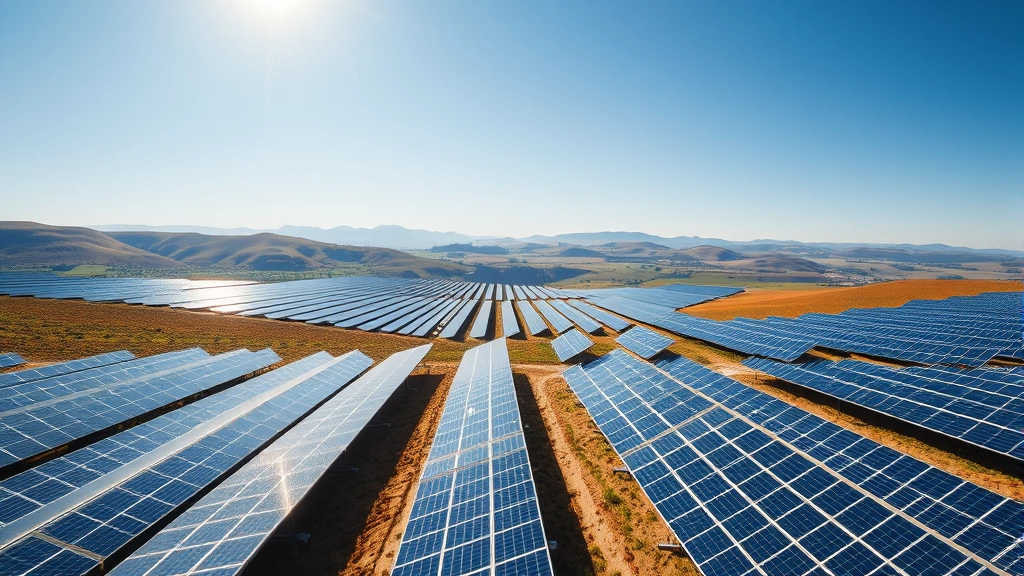
Solar energy harnesses the power of the sun through photovoltaic panels or concentrated solar power systems. Photovoltaic cells convert sunlight directly into electricity, while thermal solar systems use the sun’s heat for water heating or space heating. Solar energy is abundant, particularly in sunny regions, and has experienced dramatic cost reductions over the past decade, making residential and commercial installations increasingly affordable.
Wind Energy
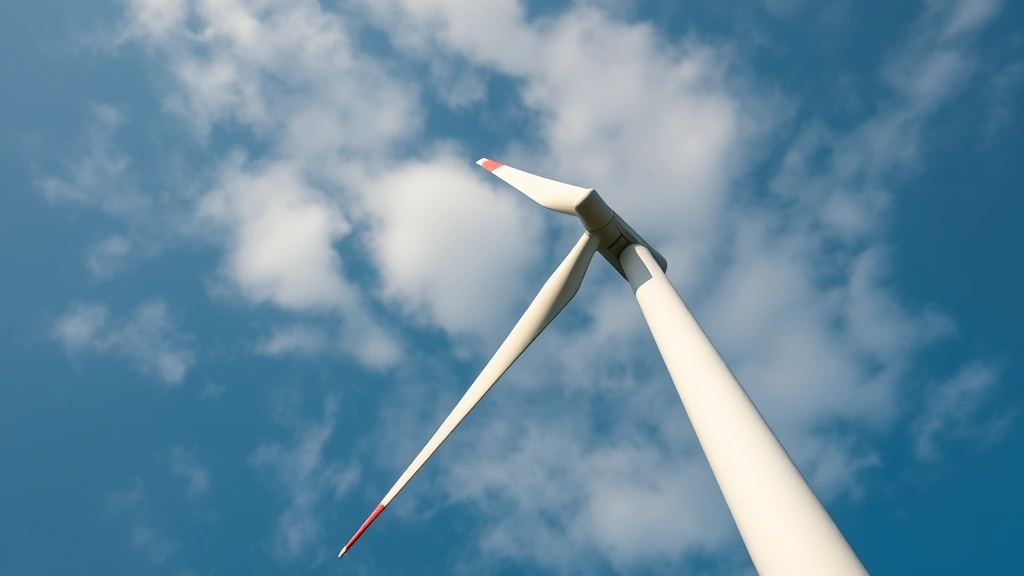
Wind turbines convert kinetic energy from moving air into electrical power. Both onshore and offshore wind farms generate significant portions of electricity in many countries. Wind energy is particularly efficient in coastal areas and regions with consistent wind patterns. Modern turbines are remarkably efficient, with some offshore installations generating enough power to supply thousands of homes.
Hydroelectric Power
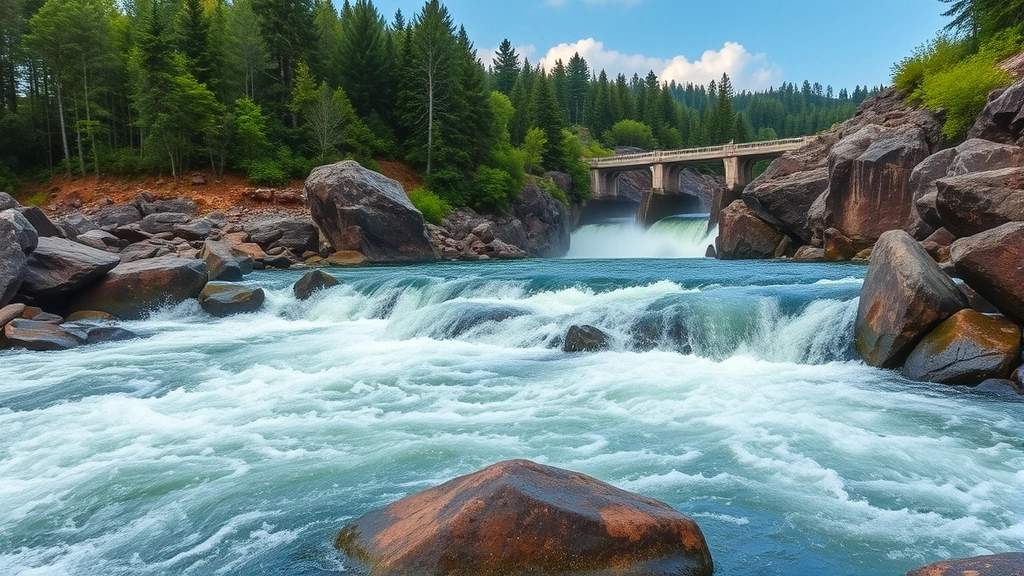
Hydroelectric facilities use flowing or falling water to drive turbines that generate electricity. This is one of the oldest and most reliable forms of renewable energy, providing consistent baseload power. Dams and run-of-river systems represent different approaches to hydroelectric generation, each with distinct environmental considerations.
Geothermal Energy
Geothermal energy taps into Earth’s internal heat, accessed through deep wells drilled into the ground. This energy source is particularly valuable in geologically active regions and provides consistent, reliable power independent of weather conditions. Geothermal heat pumps also offer heating and cooling solutions for individual buildings.
Biomass and Biofuels
Biomass energy comes from organic materials like wood, agricultural waste, and other biological matter. When managed sustainably, biomass can be carbon-neutral since plants absorb carbon dioxide as they grow. However, the sustainability of biomass depends heavily on responsible sourcing and forest management practices.
How Green Energy Works
Understanding the mechanics of green energy helps you appreciate its potential and limitations. Most green energy systems operate on a fundamental principle: converting natural forces into electrical energy through various technologies.
Energy Conversion Process: Green energy systems transform renewable resources into usable electricity through different mechanisms. Solar panels use the photovoltaic effect, where photons from sunlight knock electrons loose from atoms, creating an electrical current. Wind turbines use aerodynamic principles where wind pushes against blades, rotating a shaft connected to a generator. Hydroelectric systems use gravitational potential energy converted to kinetic energy as water flows downhill.
Grid Integration and Storage represent critical components of modern green energy systems. As renewable sources are intermittent—the sun doesn’t always shine, wind doesn’t always blow—energy storage solutions like batteries, pumped hydro storage, and thermal storage systems become essential. These technologies allow excess energy generated during peak production to be stored and used during low-production periods.
Smart grid technology enables more efficient distribution of green energy. By using advanced monitoring and control systems, utilities can balance supply and demand more effectively, reducing waste and improving reliability. Explore sustainable energy solutions to learn more about modern grid technologies.
Benefits of Switching to Green Energy
The advantages of transitioning to green energy extend far beyond environmental concerns, encompassing economic, health, and social benefits:
- Environmental Protection: Green energy produces zero or near-zero greenhouse gas emissions during operation, directly combating climate change. By reducing reliance on fossil fuels, we decrease air pollution, water contamination, and habitat destruction associated with coal mining, oil drilling, and natural gas extraction.
- Economic Savings: While initial installation costs exist, green energy systems generate long-term savings through reduced electricity bills. Solar panels and wind turbines have minimal operating costs once installed, and many regions offer tax credits, rebates, and incentives to offset initial investment. The International Renewable Energy Agency (IRENA) reports that renewable energy is now the cheapest source of electricity in most markets.
- Energy Independence: By generating your own power through home solar or wind systems, you reduce dependence on utility companies and protect yourself from rising energy prices. Communities and nations can also achieve greater energy security by diversifying their power sources.
- Health Benefits: Reduced air pollution from eliminating fossil fuel combustion prevents respiratory diseases, heart conditions, and premature deaths. The World Health Organization estimates that air pollution causes millions of deaths annually—a burden that green energy directly alleviates.
- Job Creation: The renewable energy sector creates more jobs per unit of energy produced than fossil fuel industries. Installation, maintenance, manufacturing, and research positions offer diverse career opportunities in growing markets.
- Technological Innovation: Investment in green energy drives technological advancement with spillover benefits across industries. Battery technology improvements, smart grid systems, and materials science innovations accelerate overall economic development. Learn about green technology innovations transforming our future.
Challenges and Limitations
Despite tremendous advantages, green energy faces legitimate challenges that require ongoing solutions:
Intermittency Issues: Solar and wind power depend on weather conditions, creating variability in power generation. This intermittency requires either energy storage solutions, backup power sources, or geographic distribution of renewable facilities to maintain grid stability and reliability.
Initial Capital Costs: While long-term costs are favorable, upfront installation expenses for solar panels, wind turbines, and other systems remain substantial for many individuals and smaller businesses. Financing options, government incentives, and falling technology costs are gradually addressing this barrier.
Land Use Considerations: Large-scale renewable energy installations require significant land areas. Wind farms, solar farms, and hydroelectric dams impact landscapes and ecosystems. However, many renewable installations can coexist with other land uses—solar panels can cover rooftops and parking structures, and agricultural land can host both crops and solar arrays.
Manufacturing and Supply Chain: Producing renewable energy equipment requires energy and materials, with some environmental impact. Responsible sourcing of materials like rare earth elements for wind turbines and proper recycling of solar panels throughout their lifecycle are important considerations for true sustainability.
Geographic Limitations: Some regions have better renewable resources than others. Areas with limited sun exposure or wind patterns may find certain green energy sources less practical, requiring diverse renewable portfolios or alternative approaches.
Getting Started With Green Energy
Transitioning to green energy can happen at individual, household, community, or national levels. Here’s how to get started:
Residential Options
Installing rooftop solar panels represents the most accessible option for homeowners in sunny regions. Modern systems are more efficient and affordable than ever, with many installations paying for themselves within 5-10 years through electricity savings. Before installation, assess your roof’s sun exposure, research local incentives, and compare quotes from multiple installers.
For those unable to install solar, community solar programs allow participation in shared renewable installations. Similarly, if you’re considering transportation, advantages of electric vehicles explain how EVs powered by green electricity reduce your carbon footprint.
Choosing a Green Energy Provider
Many regions offer renewable energy plans from utility companies or independent providers. These programs, often called “green power” or “renewable energy” plans, source electricity from wind, solar, and other renewable sources. While costs may be slightly higher than conventional electricity, the environmental benefit is significant.
Corporate and Community Action
Businesses can transition to green energy through on-site installations, power purchase agreements with renewable facilities, or green energy plans. Communities can advocate for municipal renewable projects, support local clean energy initiatives, and participate in regional sustainability planning. Visit the principles of sustainability guide to understand broader frameworks for community transformation.
Policy and Advocacy
Supporting policies that promote renewable energy development—such as renewable portfolio standards, investment tax credits, and carbon pricing—accelerates the transition. Advocacy organizations like the Sierra Club and the Union of Concerned Scientists work to advance clean energy policies at local, state, and national levels.
Education and Awareness
Increasing your knowledge about green energy empowers better decisions. The SustainWise Hub Blog offers ongoing insights into renewable energy developments, sustainability trends, and practical implementation strategies. Sharing this knowledge with friends, family, and colleagues amplifies your positive impact.
Frequently Asked Questions
Is green energy truly renewable?
Yes, green energy sources like solar, wind, hydro, and geothermal are naturally replenished on human timescales. Unlike fossil fuels formed over millions of years, these resources regenerate continuously, making them genuinely sustainable for indefinite use.
What’s the difference between green energy and renewable energy?
While often used interchangeably, green energy specifically emphasizes minimal environmental impact, while renewable energy simply refers to sources that naturally replenish. All green energy is renewable, but not all renewable energy is equally green—the distinction matters for comprehensive sustainability assessment.
Can green energy power everything?
Green energy can technically power most applications, including homes, businesses, vehicles, and industrial processes. However, some heavy industries and aviation currently rely on fossil fuels or are transitioning slowly. As technology advances and energy storage improves, green energy’s applicability continues expanding.
Is green energy more expensive than fossil fuels?
Initial installation costs are higher, but operational costs are lower. Over 20-30 year lifespans, green energy systems typically prove more economical than fossil fuels. When accounting for environmental and health costs of fossil fuels, green energy is already the most cost-effective option in most scenarios.
Where should I start if I want to use green energy?
Begin by assessing your energy needs, researching local renewable options, and evaluating your budget. Residential options include rooftop solar, community solar participation, or switching to green energy plans. For comprehensive guidance, explore sustainable energy solutions resources tailored to your situation.
What about energy storage and grid reliability?
Modern battery technology, pumped hydro storage, thermal storage, and smart grid systems ensure reliable power supply even with renewable sources. As these technologies mature and costs decrease, grid reliability with high renewable penetration becomes increasingly proven and practical.


