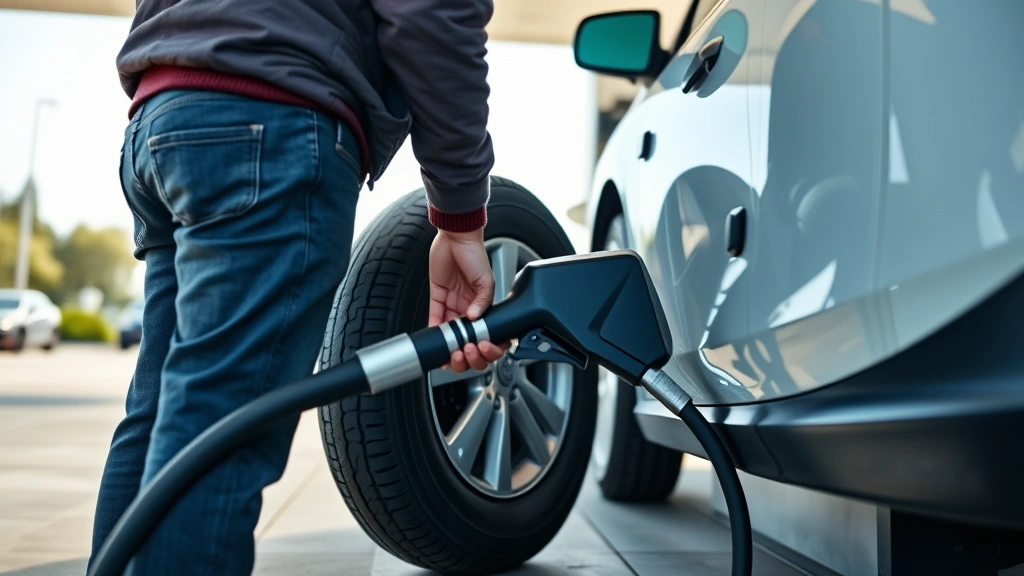
Find Free Air Pumps: Your Complete Local Guide to Accessible Tire Inflation
Keeping your vehicle’s tires properly inflated is one of the simplest yet most impactful ways to reduce fuel consumption, extend tire lifespan, and lower your carbon footprint. Yet many drivers struggle to find free air pumps in their communities, often resorting to paid services or neglecting this essential maintenance task. This guide explores where to locate free air pumps near you, why tire maintenance matters for sustainability, and how proper inflation supports both your wallet and the environment.
Whether you’re commuting daily or planning a road trip, understanding your local options for free air access empowers you to maintain optimal tire pressure without unnecessary expense. We’ll walk you through major gas station chains, alternative locations, and practical strategies for finding these valuable resources in your area.
Why Free Air Pumps Matter for Vehicle Sustainability
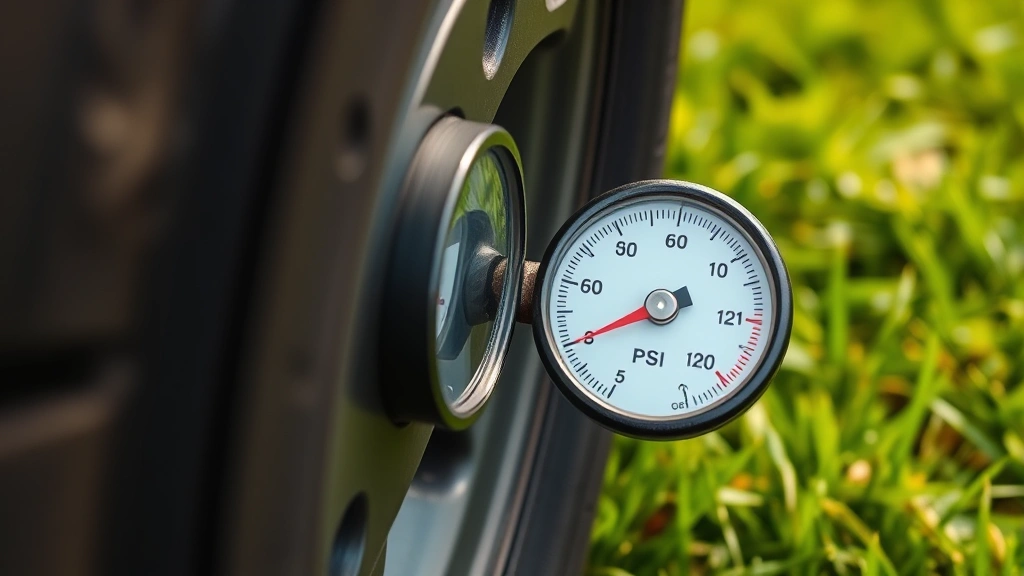
Underinflated tires represent one of the most overlooked sources of vehicle inefficiency. When tire pressure drops below manufacturer recommendations, rolling resistance increases significantly, forcing your engine to work harder and consume more fuel. Studies indicate that every pound per square inch (PSI) below the recommended pressure can reduce fuel efficiency by approximately 0.3 percent. For a vehicle driven 12,000 miles annually, this translates to measurable increases in greenhouse gas emissions and wasted money at the pump.
Access to free air pumps democratizes vehicle maintenance, ensuring that cost isn’t a barrier to environmental responsibility. By removing financial obstacles to tire inflation, communities enable more drivers to maintain proper pressure, collectively reducing transportation-related emissions. This aligns with broader environmental sustainability examples where simple, accessible actions compound into meaningful ecological benefits.
Beyond emissions reduction, properly inflated tires last longer, reducing tire waste in landfills and decreasing demand for new tire manufacturing—a resource-intensive process. When you prioritize tire maintenance through free air access, you’re participating in a circular economy approach that benefits manufacturers, consumers, and the planet simultaneously.
Major Gas Stations Offering Free Air
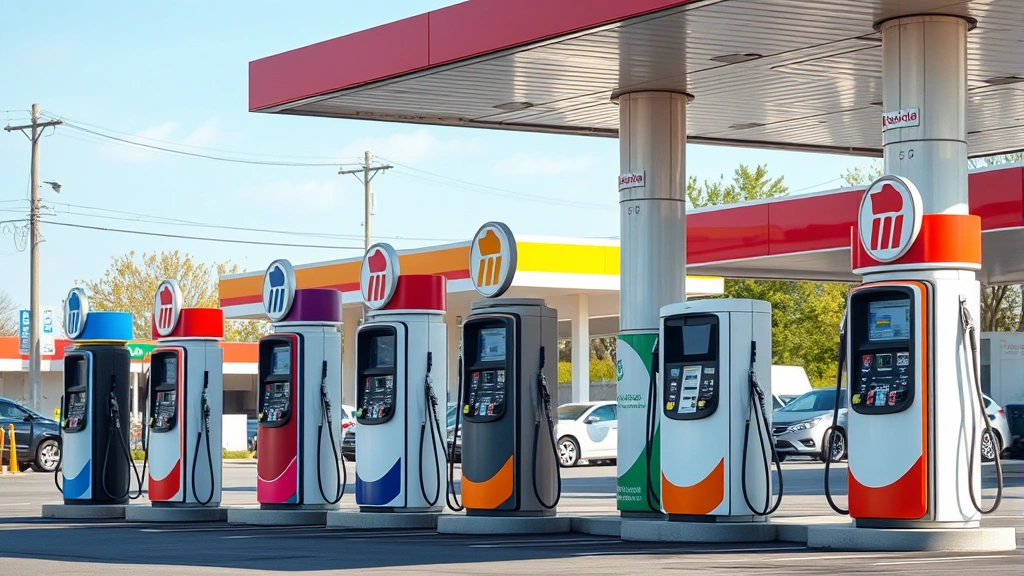
Most major gas station chains provide complimentary air pumps as a customer service amenity, though policies vary by location and franchise agreement. Understanding which chains consistently offer free air helps you plan efficient routes and avoid paid alternatives.
Chevron and Texaco
Chevron stations traditionally offer free air at most locations, making them reliable options across the United States. Texaco, often operating under Chevron ownership, maintains similar policies. However, some franchise locations may charge fees, so confirming with your nearest station ensures no surprises.
Shell
Shell stations generally provide free air pumps, though availability depends on individual location agreements. Newer Shell stations increasingly feature modern digital pumps that deliver air efficiently. Older locations may have manual pumps requiring more effort, but the service remains free at most sites.
Speedway and Murphy USA
These chains maintain competitive pricing strategies and typically offer complimentary air to attract customers. Speedway’s extensive Midwest presence makes it a convenient option for regional drivers, while Murphy USA’s growth throughout the South and Southwest expands free air access nationwide.
Independent and Regional Stations
Many independent gas stations provide free air as a customer retention strategy. Local chains often advertise free air as a competitive advantage, making it worth asking at unfamiliar stations. Don’t assume a station charges for air—inquiry costs nothing and often yields pleasant surprises.
Alternative Locations for Tire Inflation
Beyond gas stations, numerous businesses and public facilities offer free air access, diversifying your options and supporting broader community sustainability goals.
Tire and Automotive Retailers
Stores like Discount Tire, Tire Rack, and local tire shops typically provide free air inflation, even for tires purchased elsewhere. These businesses recognize that proper tire maintenance increases customer loyalty and reduces warranty claims. Many offer air pumps in customer parking areas, accessible during business hours.
Car Washes
Self-service car washes frequently include air pump stations, sometimes at no charge or for minimal fees. These locations benefit from customer foot traffic and appreciate the added convenience factor that encourages repeat visits. Check signage or ask attendants about air availability when visiting.
Vehicle Dealerships
New and used car dealerships almost universally provide free air to customers and visitors. Service departments maintain air systems for customer vehicles, and most welcome non-customers seeking inflation services. This goodwill gesture costs dealerships virtually nothing while building community relationships.
Public Libraries and Community Centers
An increasing number of municipalities install free air pumps at public facilities, recognizing vehicle maintenance as a community service. Libraries, recreation centers, and municipal parking areas represent emerging access points. Contact your local government to inquire about public air pump installations in your area.
Walmart and Costco
Many Walmart locations provide free air in their automotive sections, while Costco members enjoy complimentary air access at warehouse locations. These retailers understand that convenient services encourage store visits and member renewals, making air provision a worthwhile investment.
How to Find Free Air Pumps Near You
Locating nearby free air pumps requires strategic research and utilization of modern tools and resources.
Google Maps and Search Strategies
Search “free air pumps near me” or “tire air stations near me” on Google Maps to identify nearby options. Filter results by distance and check reviews mentioning air pump functionality, as some locations may have non-operational equipment. Save your preferred locations for future reference.
Station-Specific Websites and Apps
Many gas station chains maintain websites and mobile apps displaying locations and amenities. Chevron’s app, Shell’s locator, and Speedway’s platform allow you to filter for free air availability before visiting. Download apps for chains frequently in your travel patterns.
Community Sustainability Resources
Local environmental organizations and city sustainability departments often maintain maps of public amenities including air pumps. Contact your municipal government or check community bulletin boards for official lists. These resources support sustainable energy solutions at the community level.
Social Media and Community Groups
Neighborhood Facebook groups and Nextdoor communities frequently discuss local service availability. Posting a simple question about nearby free air often yields detailed responses from neighbors familiar with your area. This crowdsourced approach provides current, practical information beyond commercial directories.
Call Ahead Confirmation
When visiting unfamiliar stations, brief phone calls confirm air pump functionality and availability. This prevents wasted trips to locations with broken equipment or restricted access hours. Staff appreciate the courtesy inquiry and can provide specific directions to air pump locations.
Proper Tire Maintenance and Environmental Impact
Understanding the connection between tire maintenance and environmental sustainability motivates consistent inflation monitoring. Proper tire pressure directly influences vehicle efficiency metrics that ripple through broader ecological systems.
Transportation accounts for approximately 27 percent of U.S. greenhouse gas emissions, with passenger vehicles representing the largest share. Individual drivers optimizing fuel efficiency through tire maintenance contribute measurably to emissions reduction. When multiplied across millions of vehicles, this cumulative impact rivals industrial-scale sustainability initiatives.
The Environmental Protection Agency (EPA) recognizes proper tire inflation as a simple, cost-effective emissions reduction strategy. Their guidance emphasizes that maintaining recommended tire pressure improves fuel economy, reduces emissions, and extends tire lifespan—a triple-win outcome.
Tire manufacturing generates significant environmental burden through resource extraction, processing, and transportation. Extending tire lifespan through proper maintenance reduces manufacturing demand and associated ecological costs. Each tire kept in service longer displaces demand for new production, conserving raw materials and energy.
Tips for Maintaining Optimal Tire Pressure
Consistent monitoring and maintenance practices ensure your tires deliver maximum efficiency and longevity benefits.
Check Pressure Monthly
Establish a monthly routine of checking tire pressure when tires are cold (before driving or at least three hours after driving). Cold pressure readings provide accurate baseline data, as heat from driving increases pressure temporarily. Modern digital tire gauges simplify this process, costing under twenty dollars for quality models.
Know Your Vehicle’s Requirements
Find your vehicle’s recommended tire pressure on the driver’s side door jamb or in the owner’s manual. This specification differs from the maximum pressure listed on tire sidewalls. Following manufacturer recommendations optimizes fuel efficiency, handling, and tire wear patterns.
Account for Temperature Changes
Tire pressure fluctuates with ambient temperature, decreasing approximately one PSI for every ten-degree Fahrenheit drop. During winter months, check pressure more frequently and adjust upward as needed. This seasonal awareness prevents unintentional underinflation during cold weather.
Inspect Tires for Damage
While checking pressure, visually inspect tires for punctures, bulges, or uneven wear patterns. These issues may require professional attention beyond simple inflation. Addressing problems early prevents dangerous blowouts and extends overall tire performance.
Rotate Tires Regularly
Combine air pressure checks with tire rotation every 5,000-7,000 miles. Rotation promotes even wear and extends tire lifespan significantly. Many free air pump locations, particularly tire retailers, also offer rotation services at reasonable costs.
The Hidden Costs of Underinflated Tires
Beyond environmental impacts, underinflated tires impose hidden financial and safety costs that justify prioritizing regular inflation maintenance.
Increased Fuel Consumption
Underinflation dramatically increases rolling resistance, forcing engines to consume additional fuel. A vehicle with all four tires underinflated by ten PSI may lose five to ten percent fuel economy. Over a year, this translates to hundreds of dollars in unnecessary fuel expenses—far exceeding any time invested in regular inflation checks.
Accelerated Tire Wear
Underinflated tires experience uneven wear patterns, with outer edges degrading faster than center sections. This results in premature tire replacement, typically costing $400-$1,000 for a complete set. Maintaining proper pressure extends tire lifespan by 10-15 percent, offsetting inflation maintenance time many times over.
Reduced Safety and Handling
Underinflated tires reduce vehicle stability, increase stopping distances, and elevate blowout risk, particularly at highway speeds. These safety compromises endanger occupants and other road users. Proper inflation maintains vehicle control and predictability, especially critical during emergency maneuvers.
Environmental Consequences
The cumulative emissions from underinflated vehicles represent a significant, entirely preventable source of greenhouse gas emissions. Collectively, millions of underinflated vehicles emit thousands of additional tons of CO2 annually. This preventable pollution contributes to air quality degradation and climate change acceleration.
Recognizing these interconnected costs—financial, safety, and environmental—reframes tire maintenance from inconvenient chore to essential responsibility. Free air pump access removes the final barrier to consistent maintenance, enabling all drivers regardless of economic circumstance to participate in vehicle efficiency.
FAQ
Do all gas stations offer free air pumps?
Most major gas station chains provide free air, but policies vary by franchise location. Independent and smaller stations may charge fees. Always confirm availability before assuming free access. Calling ahead takes moments and prevents wasted trips.
What if I can’t find a free air pump nearby?
Tire retailers, car washes, dealerships, and some automotive stores provide free air access. Public facilities like libraries and recreation centers increasingly offer pumps. Expanding your search beyond gas stations usually yields options within reasonable distance.
How often should I check tire pressure?
Monthly checks represent the standard recommendation for regular drivers. Vehicles experiencing significant mileage or extreme temperature fluctuations may warrant bi-weekly or seasonal checks. Consistency matters more than frequency—establish a routine and maintain it.
Can I use any air pump for my vehicle?
Most standard air pumps work with any vehicle using conventional tire valves. However, some specialized vehicles (certain European models) use different valve types. Check your vehicle’s manual if uncertain, though 99 percent of available pumps accommodate standard valves.
Is there a cost associated with tire pressure monitoring systems?
Modern vehicles increasingly include tire pressure monitoring systems (TPMS) alerting drivers to pressure loss. While these systems don’t eliminate manual checks, they provide helpful notifications. Replacement sensors cost $50-$200 per tire if original systems fail.
How does tire maintenance connect to broader sustainability?
Tire maintenance directly reduces vehicle emissions, extends product lifespan, and decreases manufacturing demand. When multiplied across millions of drivers, these individual actions create measurable environmental benefits. Learn more about whether natural gas represents renewable or nonrenewable energy and how transportation choices fit within broader energy sustainability discussions.
What should I do if my tire pressure keeps dropping?
Consistent pressure loss indicates punctures, valve stem leaks, or bead separation. Visit a tire professional for diagnosis and repair. Continuing to drive with unresolved pressure loss risks blowouts and safety hazards.


