Why Are Gas Prices Dropping? Economist Explains
Gas prices fluctuate constantly, leaving consumers puzzled about what drives these changes at the pump. Understanding the economic forces behind why gas prices are dropping requires examining global oil markets, supply chain dynamics, geopolitical events, and macroeconomic indicators. This comprehensive guide breaks down the complex factors that influence fuel costs and explores what these shifts mean for your wallet and the environment.
Whether you’ve noticed relief at the gas pump or remain concerned about energy affordability, knowing the underlying economics helps you make informed decisions about transportation choices and energy consumption. We’ll explore both the immediate triggers for price declines and the long-term trends reshaping how we think about fuel and sustainable alternatives.
Global Oil Supply and OPEC Decisions
The Organization of the Petroleum Exporting Countries (OPEC) plays a pivotal role in determining global oil supply and, consequently, why gas prices are dropping. OPEC members control approximately 80% of proven crude oil reserves worldwide, giving them extraordinary influence over production levels and pricing strategies.
When OPEC increases production quotas, more oil floods global markets, typically driving prices downward. Conversely, production cuts create supply constraints that push prices higher. Recent years have witnessed strategic OPEC decisions designed to maintain market stability while responding to changing global energy dynamics. For instance, when members agreed to increase output following periods of restriction, downstream consumers experienced relief at gas pumps across North America, Europe, and Asia.
The U.S. Energy Information Administration tracks these global supply dynamics meticulously, providing real-time data on production levels. Additionally, non-OPEC producers like the United States, Russia, and Canada contribute significantly to global supply. Increased shale oil production in the U.S. over the past decade has reduced American dependence on foreign oil, creating competitive pressure on OPEC pricing power.
Understanding OPEC’s geopolitical calculations helps contextualize price movements. Member nations balance revenue needs against market share preservation, often making decisions that take months to impact consumer prices. This lag between production decisions and pump prices explains why gas price changes sometimes seem delayed relative to news headlines.
Demand Fluctuations and Economic Cycles
Economic growth and recession cycles directly influence fuel demand, making this a critical factor in explaining why gas prices drop. During economic downturns, businesses reduce transportation and manufacturing activities, consumers postpone trips, and overall energy consumption contracts. This reduced demand naturally pressures prices downward.
Seasonal patterns also affect demand significantly. Summer driving seasons typically increase gasoline consumption, while winter months see reduced travel in colder climates. Holidays and vacation periods create predictable demand spikes. Refineries adjust production schedules accordingly, and prices typically reflect these anticipated demand patterns.
The COVID-19 pandemic provided a dramatic illustration of demand’s impact on pricing. When lockdowns confined people to their homes, gasoline demand plummeted by 30-40% in some regions, causing prices to collapse to multi-decade lows. As economies reopened and demand recovered, prices rebounded. This real-world example demonstrates the direct relationship between economic activity and fuel costs.
Consumer behavior also influences demand elasticity. When prices rise substantially, some drivers reduce discretionary travel, carpool more frequently, or shift toward advantages of electric vehicles and alternative transportation. This price sensitivity means that demand destruction can reinforce downward price pressure, creating a feedback loop that sustains lower prices temporarily.
Long-term demand trends show concerning patterns for fuel consumption. Millennials and Generation Z demonstrate less interest in car ownership than previous generations, preferring urban living and public transportation. This structural shift in transportation preferences contributes to moderating gasoline demand growth, which has implications for long-term price trajectories.
” alt=”solar panels and wind turbines representing renewable energy transition”>
Geopolitical Tensions and Market Stability
Geopolitical events create market uncertainty that directly impacts oil prices through supply disruption risks. Conflicts in major oil-producing regions like the Middle East, sanctions on oil-exporting nations, and political instability all influence investor sentiment and pricing expectations. When tensions ease or conflicts resolve, perceived supply risks diminish, allowing prices to decline.
The relationship between geopolitical events and prices operates through both actual supply disruptions and psychological market responses. A military conflict threatening shipping lanes through the Strait of Hormuz (which handles roughly 20% of global oil trade) triggers immediate price increases even without actual supply reductions. Conversely, diplomatic breakthroughs or reduced tensions allow prices to normalize downward.
Recent years demonstrated this dynamic when sanctions on Iranian oil exports were temporarily lifted through international agreements, increasing global supply expectations and contributing to price declines. Similarly, the resolution of conflicts in oil-producing regions typically correlates with price relief. Investors and traders constantly assess geopolitical risks, adjusting prices based on probability-weighted outcomes of potential disruptions.
The interconnected nature of global oil markets means that stability in any major producing region affects prices everywhere. Investors view crude oil as a fungible commodity traded globally, so political stability improvements in Venezuela, Nigeria, or the Middle East reverberate through pump prices from Los Angeles to London.
Refinery Capacity and Production Costs
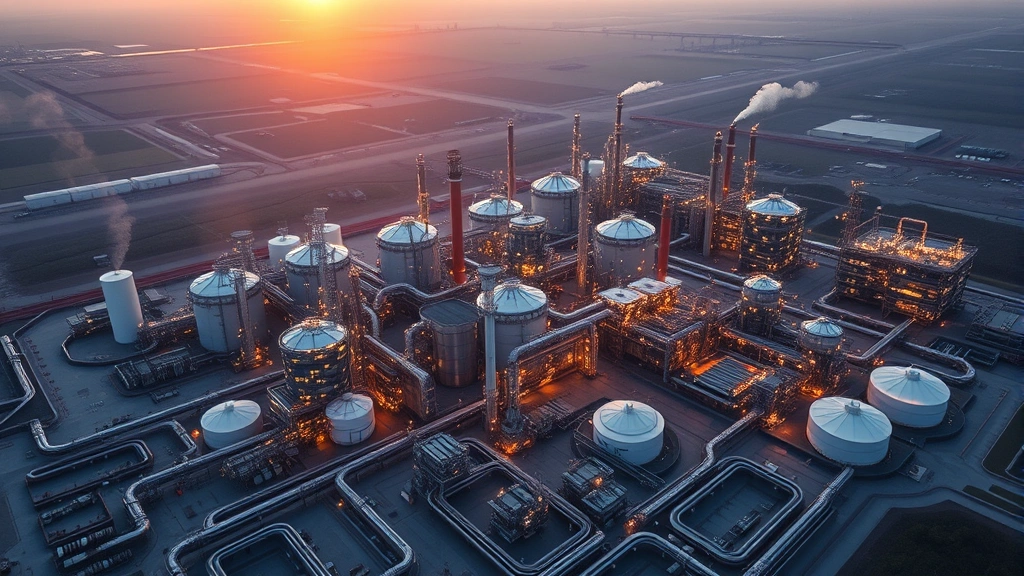
Gasoline prices reflect not just crude oil costs but also refining expenses, distribution, and retail markup. Refinery capacity constraints can prevent prices from falling even when crude oil becomes cheaper. When refineries operate at high utilization rates, they cannot increase production to meet demand, creating bottlenecks that support higher gasoline prices.
Conversely, excess refinery capacity allows producers to increase output when crude oil becomes affordable, amplifying downward pressure on retail prices. The U.S. refining industry has experienced significant consolidation, with fewer but larger facilities. While efficiency improvements have reduced production costs, any refinery outages for maintenance or unexpected issues can tighten supply and limit price declines.
Production costs include energy for the refining process itself, labor, maintenance, and compliance with environmental regulations. When these input costs decline, refineries can reduce their profit margins while still offering competitive prices. Historically low natural gas prices have reduced refining energy costs, contributing to lower gasoline prices in periods of abundant natural gas supply.
Environmental regulations also affect refining economics. Meeting stricter emissions standards requires capital investment and operational adjustments that can increase production costs. However, these investments ultimately create more efficient processes. Understanding whether natural gas is renewable or nonrenewable helps context how fuel choices affect both pricing and environmental outcomes.
Currency Exchange Rates Impact
Oil trades globally in U.S. dollars, making exchange rates a crucial but often overlooked factor in explaining why gas prices are dropping. When the dollar strengthens relative to other currencies, foreign buyers find crude oil more expensive in their home currencies, reducing demand and pushing prices lower. A weaker dollar has the opposite effect, supporting higher prices.
For American consumers, a strong dollar provides double benefits: lower crude oil prices globally and lower prices at domestic pumps. Conversely, dollar weakness can amplify price increases driven by other factors. Central bank monetary policies, interest rate differentials, and capital flows between nations all influence currency values and, consequently, oil prices.
During periods of economic uncertainty, investors often seek safe-haven assets like U.S. Treasury bonds, strengthening the dollar and depressing oil prices. This relationship explains why oil prices sometimes decline during broader economic slowdowns—currency movements amplify the demand reduction effects. Traders and economists carefully monitor currency markets as leading indicators of potential oil price movements.
Renewable Energy and Market Transition
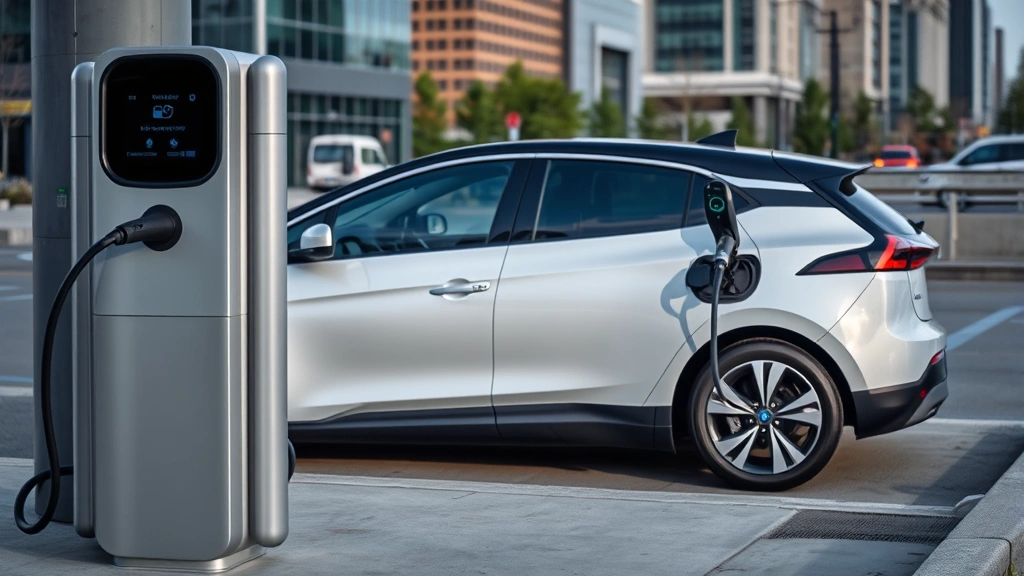
The long-term structural decline in gasoline demand reflects growing renewable energy adoption and the transition toward sustainable energy solutions. As electric vehicles gain market share and battery technology improves, transportation-sector oil demand faces secular headwinds. This transition fundamentally reshapes oil market dynamics and contributes to moderating price pressures.
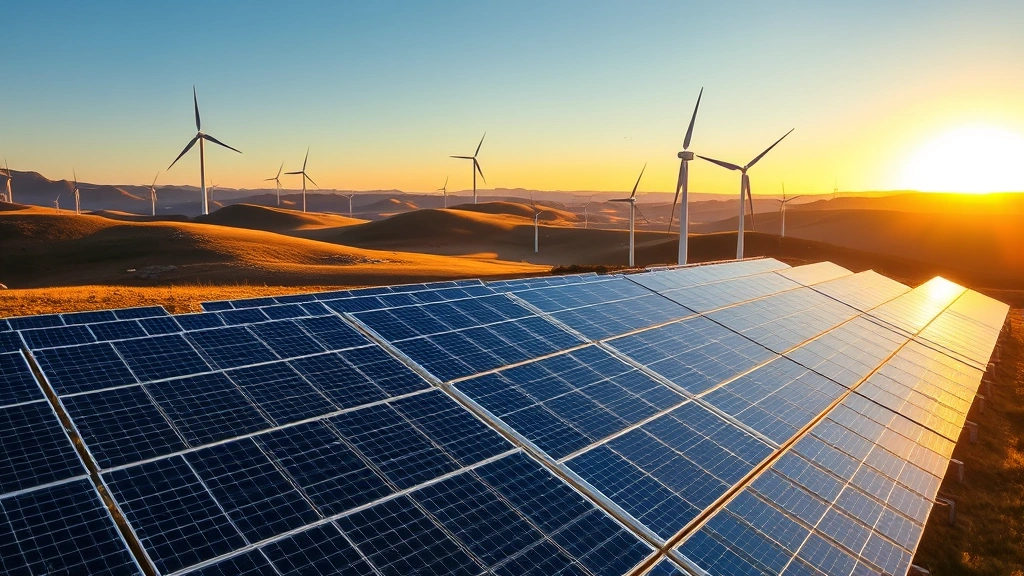
Renewable energy expansion in electricity generation also indirectly affects oil prices by reducing coal and natural gas consumption, which can depress fossil fuel prices broadly. Wind, solar, and hydroelectric capacity additions continue accelerating globally, with International Energy Agency projections showing renewables becoming the largest electricity source by 2025.
The investment climate has shifted dramatically, with capital flowing toward clean energy projects rather than fossil fuel infrastructure. This capital reallocation reflects both environmental concerns and economic recognition that renewable energy now offers competitive returns. Major oil companies themselves are investing in renewable energy and electric vehicle charging networks, acknowledging that peak oil demand may arrive sooner than previously expected.
Policy support for renewable energy and electric vehicles accelerates this transition. Tax credits for EV purchases, renewable energy subsidies, and carbon pricing mechanisms all tilt economic incentives away from fossil fuels. These policies create long-term demand uncertainty for oil, which influences current pricing as investors discount future demand.
Understanding this transition context helps explain why gas prices dropping might not trigger the same economic stimulus as in previous decades. Lower prices don’t encourage increased consumption when structural demand is declining due to technological change and policy shifts favoring alternatives.
” alt=”electric vehicle charging station with vehicles in urban environment”>
Consumer Behavior and Long-Term Trends
Consumer responses to price changes create feedback mechanisms that either amplify or dampen price movements. When prices drop significantly, some consumers increase discretionary driving, offsetting demand destruction from previous periods of high prices. However, this elasticity has declined as transportation alternatives become more viable.
Long-term consumer trends show declining vehicle miles traveled per capita in developed economies, driven by urbanization, remote work adoption, and generational preference shifts. The COVID-19 pandemic accelerated remote work adoption, reducing commuting-related fuel consumption permanently for millions of workers. These behavioral changes create structural headwinds for gasoline demand that persist regardless of price levels.
Millennials and Gen Z consumers demonstrate greater environmental consciousness than previous generations, actively choosing lower-carbon transportation options. This values-driven decision-making means that lower gas prices don’t trigger the consumption increases that economists might historically have predicted. Instead, price declines benefit those who must drive while others continue reducing fuel consumption through mode shifts.
The rise of ride-sharing services, improved public transportation in major cities, and growing remote work capabilities have created genuine alternatives to personal vehicle ownership. These options remain attractive even when gas prices fall, suggesting that demand destruction from the transition to alternative transportation may prove permanent rather than cyclical.
Exploring how to reduce your environmental footprint reveals practical alternatives that consumers increasingly adopt regardless of fuel prices. This shift toward sustainability-focused decision-making represents a fundamental change in energy consumption patterns that will influence oil markets for decades.
Reading the SustainWise Hub Blog provides ongoing analysis of energy market trends and sustainable alternatives. Additionally, exploring green technology innovations transforming our future contextualizes how fuel price dynamics fit within broader technological and economic transitions.
FAQ
What is the primary reason gas prices drop?
Gas prices primarily drop due to reduced crude oil costs, which reflect global supply increases, demand decreases, or both. OPEC production decisions, geopolitical stability improvements, and economic slowdowns all contribute to crude oil price declines that translate to lower pump prices within weeks.
How quickly do crude oil price changes affect gas pump prices?
Gasoline prices typically respond to crude oil price changes within 1-3 weeks. Refineries adjust production and retailers update prices based on current wholesale costs. However, the lag creates opportunities for traders to profit from price differentials, and regional variations occur based on local supply and demand dynamics.
Can gas prices drop during economic growth?
Yes, gas prices can decline during economic growth if global supply increases substantially or geopolitical tensions ease. However, sustained economic growth typically increases fuel demand and supports higher prices. Price declines during growth usually reflect temporary supply gluts or currency strengthening rather than demand weakness.
How do renewable energy and electric vehicles affect gas prices?
Renewable energy and EV adoption reduce long-term gasoline demand, creating downward pressure on prices. As transportation electrification accelerates, oil markets price in declining demand expectations, moderating price increases and potentially supporting lower prices during supply gluts. This structural transition fundamentally reshapes petroleum market dynamics.
Will gas prices continue dropping long-term?
Long-term price trends depend on whether supply increases outpace demand declines from electrification. Most projections show oil demand peaking within 10-20 years as EV adoption accelerates. This creates structural downward pressure on prices, though short-term volatility will persist based on geopolitical events and economic cycles.
How do I benefit from understanding gas price dynamics?
Understanding price drivers helps you anticipate market movements, make informed transportation choices, and evaluate the economic case for transitioning to electric vehicles or alternative transportation. This knowledge also contextualizes broader energy transition dynamics and sustainability considerations.


