Gas Price Surge: Analyst Insights Explained
Gasoline prices have become a significant concern for consumers and economists alike, with sudden spikes often leaving drivers wondering what caused the jump at the pump. Understanding the factors behind these fluctuations requires examining global market dynamics, geopolitical events, supply chain disruptions, and refinery operations. When gas prices surge unexpectedly, it’s rarely due to a single cause—instead, multiple interconnected factors converge to create upward pressure on fuel costs.
The volatility in fuel markets directly impacts household budgets, transportation costs, and overall economic stability. For those concerned about energy expenses and environmental impact, exploring sustainable energy solutions and understanding market mechanisms becomes increasingly important. This comprehensive analysis explores the primary drivers of recent gas price increases and provides actionable insights for consumers seeking to adapt their energy consumption patterns.

Understanding Crude Oil Price Dynamics
Crude oil serves as the foundation for gasoline pricing, representing approximately 50-60% of the final retail price consumers pay at the pump. When crude oil prices increase, these costs are passed along to refineries and ultimately to end consumers. The relationship between crude oil and gasoline prices isn’t always perfectly linear—refining costs, distribution expenses, and taxes create additional layers of complexity in the pricing structure.
Global crude oil markets operate on a 24-hour basis across multiple exchanges, with prices determined by supply and demand forces. Traders and investors constantly assess geopolitical risks, production reports, and economic indicators to forecast future prices. A sudden announcement about production cuts or concerns about supply disruptions can trigger immediate price movements in the crude market, which cascade down to gasoline prices within days. Understanding these sustainable energy solutions alternatives becomes crucial as traditional fuel markets remain volatile.
The U.S. Energy Information Administration (EIA) tracks crude oil inventories and production data weekly, releasing reports that significantly influence market sentiment. When crude inventories fall below expected levels, prices typically rise due to concerns about future supply adequacy. Conversely, larger-than-expected inventory builds can temporarily suppress prices as markets signal adequate supply availability.
Geopolitical Factors and Supply Disruptions
Political instability in major oil-producing regions creates immediate upward pressure on global energy prices. The Middle East, Russia, and other strategic oil-producing nations wield considerable influence over international fuel markets. Military conflicts, sanctions, or political turmoil in these regions can disrupt production or export capabilities, triggering price spikes regardless of actual immediate supply shortages.
Recent years have demonstrated how quickly geopolitical events translate into pump price increases. Tensions between nations, concerns about pipeline security, and threats to shipping routes all contribute to market uncertainty and premium pricing. Traders often incorporate geopolitical risk premiums into their price forecasts, meaning prices can rise even before actual supply disruptions occur. This forward-looking pricing mechanism reflects market participants’ efforts to hedge against potential future problems.
The strategic importance of global oil infrastructure means that attacks on refineries, pipelines, or export terminals can have cascading effects on prices worldwide. Even localized disruptions in countries that represent small portions of global production can move markets significantly due to the interconnected nature of international energy systems. This vulnerability underscores the importance of transitioning toward advantages of electric vehicles and renewable energy sources to reduce dependence on volatile fossil fuel markets.
Refinery Capacity and Production Issues
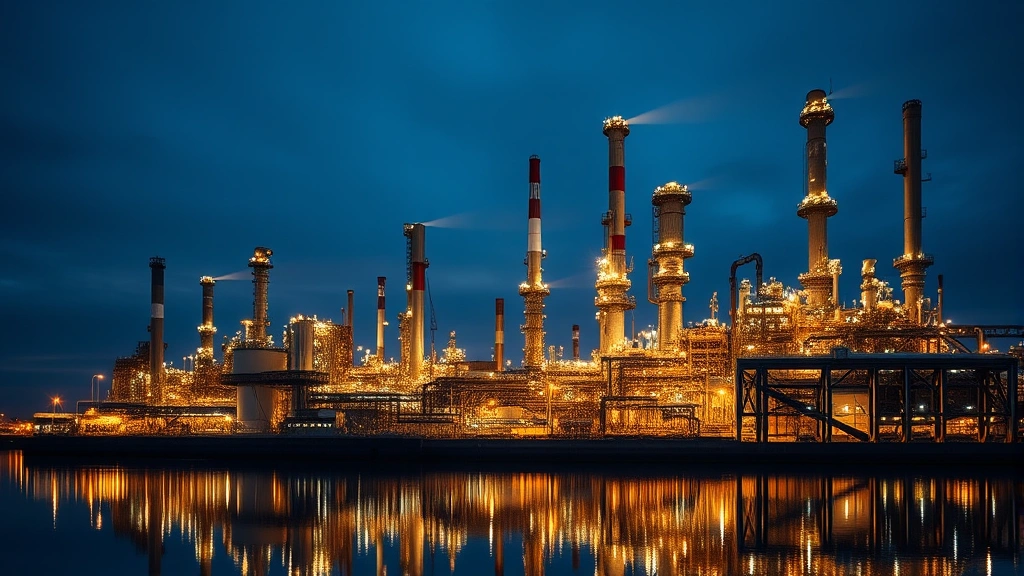
Refineries convert crude oil into usable gasoline, diesel, and other petroleum products through complex chemical processes. When refineries operate at reduced capacity due to maintenance, equipment failures, or natural disasters, the supply of finished gasoline decreases even if crude oil remains plentiful. Refinery outages represent one of the most direct mechanisms through which supply constraints translate into higher prices.
Seasonal refinery maintenance typically occurs during spring and fall when demand transitions between winter heating fuel and summer driving season formulations. During these maintenance windows, refinery capacity intentionally decreases, potentially tightening gasoline supplies. Additionally, unexpected equipment failures or environmental incidents at refineries can unexpectedly reduce production, creating sudden supply shortages that push prices upward.
The United States operates approximately 130 petroleum refineries, with capacity concentrated in the Gulf Coast region. Hurricane season brings particular risk to refinery operations, as major storms can force shutdowns and damage infrastructure. When multiple refineries experience disruptions simultaneously, the cumulative impact on gasoline supply can be substantial, resulting in sharp price increases. Refinery utilization rates—the percentage of total capacity being actively used—serve as a key indicator of potential supply constraints.
IMAGE_2
Seasonal Demand Fluctuations
Gasoline demand varies significantly throughout the year, following predictable seasonal patterns. Summer months typically see increased driving as people take vacations and engage in recreational travel, boosting demand for gasoline. Refineries prepare for this seasonal surge by scheduling maintenance during spring months and increasing production as summer approaches. When demand exceeds available supply due to unexpected factors, prices rise to balance the market.
Winter months generally see lower gasoline demand but higher demand for heating fuels, creating a different set of market dynamics. The transition between seasons requires refineries to switch production between different fuel formulations optimized for temperature conditions. These seasonal shifts in refinery operations can temporarily reduce gasoline availability, contributing to price volatility during transition periods.
Long holiday weekends and major travel periods create short-term demand spikes that can stress fuel supplies. When gasoline demand surges during these periods while refinery capacity remains constrained, prices typically increase. Understanding these seasonal patterns helps analysts forecast when price pressures are most likely to emerge, allowing consumers to plan fuel purchases strategically.
Dollar Strength and Currency Effects
Crude oil trades internationally in U.S. dollars, making currency exchange rates a significant factor in global oil pricing. When the U.S. dollar strengthens relative to other currencies, crude oil becomes more expensive for foreign buyers, potentially reducing demand from international markets. Conversely, a weaker dollar makes crude oil cheaper for foreign purchasers, potentially increasing demand and pushing prices higher.
Currency fluctuations reflect broader economic conditions, interest rate differentials, and investor sentiment regarding economic growth prospects. Central bank policies, inflation data, and employment reports all influence currency values and subsequently impact crude oil pricing. Traders monitor currency markets closely because exchange rate movements can amplify or moderate price movements driven by supply and demand fundamentals.
The relationship between dollar strength and crude prices isn’t perfectly inverse—other factors like geopolitical risk and production changes can override currency effects. However, significant dollar movements typically correlate with crude price changes, particularly when the currency movement reflects changing expectations about economic growth and energy demand.
IMAGE_3
Inventory Levels and Strategic Reserves
Petroleum inventories serve as a buffer between production and consumption, allowing markets to absorb temporary supply disruptions without immediate price spikes. The EIA tracks commercial crude oil and gasoline inventories weekly, with data releases significantly influencing short-term price movements. When inventories fall below historical averages for the season, markets interpret this as a tightening supply situation, triggering price increases.
Strategic Petroleum Reserve (SPR) releases represent a policy tool governments can deploy to increase supply and moderate prices during supply disruptions. The U.S. SPR contains billions of barrels of crude oil stored in underground salt caverns, available for release during emergencies. SPR releases increase available supply, putting downward pressure on prices. Conversely, SPR builds require purchasing additional crude oil, potentially adding to demand and supporting prices.
Inventory management by refiners, distributors, and retailers creates additional complexity in supply dynamics. When industry participants anticipate rising prices, they often build inventories to sell at higher prices later, temporarily removing product from the market and supporting higher prices. Conversely, when prices are expected to decline, inventory building slows, releasing accumulated product into the market and potentially suppressing prices.
Transitioning Away from Fossil Fuels
While understanding current gas price dynamics remains important, the longer-term solution to volatile fuel prices lies in transitioning toward renewable energy sources and electric transportation. The EPA emphasizes the importance of reducing fossil fuel dependence to address both price volatility and climate change. Exploring advantages of electric vehicles provides practical alternatives to traditional gasoline-powered transportation.
Electric vehicles eliminate exposure to crude oil market volatility, operating instead on electricity generated from increasingly diverse and renewable sources. As battery technology improves and charging infrastructure expands, EV adoption accelerates, reducing overall demand for gasoline. This structural shift in transportation energy sources represents the most significant long-term solution to fuel price volatility and associated economic disruptions.
Beyond personal transportation choices, how to reduce your environmental footprint encompasses broader energy consumption patterns. Supporting renewable energy development, improving home energy efficiency, and advocating for climate-friendly policies all contribute to reducing dependence on volatile fossil fuel markets. The International Renewable Energy Agency (IRENA) documents how renewable energy adoption creates more stable, predictable energy costs while reducing environmental impact.
Understanding the definition of sustainability reveals that true energy security requires moving beyond fossil fuels toward systems that don’t depend on geopolitical tensions or resource depletion. Renewable energy sources like solar, wind, and hydroelectric power provide energy independence while eliminating the price volatility inherent in global crude oil markets. Investing in green technology innovations transforming our future represents both an economic and environmental imperative.
Individual consumers can take immediate steps to reduce fuel consumption while longer-term energy transitions occur. Carpooling, utilizing public transportation, remote work arrangements, and combining errands into single trips all reduce gasoline consumption and associated costs. These behavioral changes, combined with vehicle maintenance optimization and proper tire inflation, can meaningfully reduce fuel expenses during periods of elevated prices.
Returning to the SustainWise Hub Blog regularly provides updated information on energy markets, sustainability practices, and actionable strategies for reducing environmental impact while managing household expenses. As energy systems continue evolving toward renewable sources, staying informed about market dynamics and sustainable alternatives becomes increasingly valuable for both financial and environmental reasons.
FAQ
Why did gas prices go up yesterday?
Gas prices can increase for numerous reasons occurring within short timeframes. Recent crude oil price movements, refinery outages, supply disruptions, geopolitical developments, or inventory draws can all trigger same-day or next-day price increases. Checking the EIA’s petroleum reports and crude oil market news typically reveals the specific factors driving recent price movements.
How long do gas price spikes typically last?
Duration varies considerably depending on the underlying cause. Temporary supply disruptions might resolve in days or weeks, while geopolitical tensions or refinery maintenance can sustain elevated prices for months. Seasonal factors often create predictable price patterns lasting several weeks as markets transition between demand periods.
Can I predict future gas price movements?
Predicting exact prices remains difficult, but analysts track leading indicators including crude oil futures prices, inventory data, refinery utilization rates, and geopolitical developments. The EIA publishes forecasts updated weekly, providing professional predictions based on comprehensive market analysis. However, unexpected events can quickly invalidate predictions, making energy markets inherently uncertain.
How do electric vehicles help address gas price volatility?
Electric vehicles eliminate dependence on crude oil markets entirely, instead drawing power from electricity grids increasingly powered by renewable sources. Electricity prices remain far more stable than crude oil prices, providing predictable operating costs. As EVs become mainstream, overall gasoline demand decreases, potentially moderating price volatility in remaining petroleum markets.
What’s the relationship between crude oil and gasoline prices?
Crude oil represents approximately 50-60% of retail gasoline prices, making it the primary cost driver. However, refining costs, distribution expenses, taxes, and retailer margins create a gap between crude prices and pump prices. This relationship isn’t perfectly linear—changes in crude prices don’t always translate proportionally to gasoline prices due to these additional cost components.
How do government policies influence gas prices?
Governments can release strategic petroleum reserves to increase supply and moderate prices, adjust fuel taxes, implement environmental regulations affecting refining costs, and pursue energy policies influencing long-term supply and demand. International diplomacy and trade policies also indirectly affect crude oil availability and pricing through their impact on geopolitical stability and market access.