Why Is My Gas Bill So High? Expert Insights on Rising Costs and Solutions
If you’ve opened your utility bill recently and experienced sticker shock, you’re not alone. Millions of households are asking themselves, “Why is my gas bill so high?” The answer involves a complex interplay of market factors, seasonal demand, infrastructure costs, and individual consumption patterns. Understanding these drivers can help you take control of your energy expenses and make informed decisions about your household’s future.
Natural gas bills have surged across North America in recent years, driven by geopolitical events, supply chain disruptions, and increased demand during extreme weather events. However, the good news is that many of these costs are within your control. By understanding what drives your bill and implementing strategic changes, you can significantly reduce your monthly expenses while also advancing your environmental footprint reduction goals.
Market Factors Driving Gas Prices
The most significant factor influencing your gas bill is the wholesale price of natural gas itself. These prices fluctuate based on global supply and demand dynamics, geopolitical tensions, and production capacity. When you examine why gas prices are dropping or rising, you’re looking at international market forces that extend far beyond your thermostat.
Natural gas is traded on commodity exchanges, where prices respond to factors including:
- Geopolitical supply disruptions: Conflicts and trade tensions can restrict gas production and exports, limiting global supply
- Weather patterns: Severe winters increase heating demand, while unexpected warm periods can create excess supply
- Production capacity: Drilling operations, pipeline maintenance, and extraction technology all affect available supply
- Storage levels: Underground gas storage facilities maintain reserves, and low storage during peak demand seasons drives prices higher
According to the U.S. Energy Information Administration, natural gas prices can swing 30-50% year-over-year based on these market conditions alone. This volatility explains why your bill might fluctuate significantly even if your consumption remains constant.
Seasonal Demand and Weather Impact
Your gas bill typically peaks during winter months when heating demand skyrockets. A single severe cold snap can double or triple your monthly consumption, translating directly to higher bills. Climate change has intensified this pattern, bringing unpredictable weather swings that force heating systems to work harder.
Consider these seasonal dynamics:
- Winter heating dominates consumption: In northern climates, heating accounts for 40-60% of annual natural gas use
- Extreme weather events: Polar vortexes and unexpected freezes create sudden demand spikes that strain supply
- Spring and fall volatility: Shoulder seasons with unpredictable temperatures cause frequent heating system cycling, reducing efficiency
- Summer baseline costs: Even in warm months, you pay for water heating, cooking, and other gas appliances
If you live in an area prone to extreme winters, your annual gas costs will naturally be higher than temperate regions. However, this doesn’t mean you’re powerless—strategic weatherization and sustainable energy solutions can dramatically reduce seasonal demand spikes.
Your Home’s Energy Efficiency
Beyond market forces and weather, the biggest variable you can control is how efficiently your home uses gas. A leaky, poorly insulated house can consume 30-50% more natural gas than a well-sealed, efficient one. This is where most households find the greatest opportunity for savings.
Common efficiency problems include:
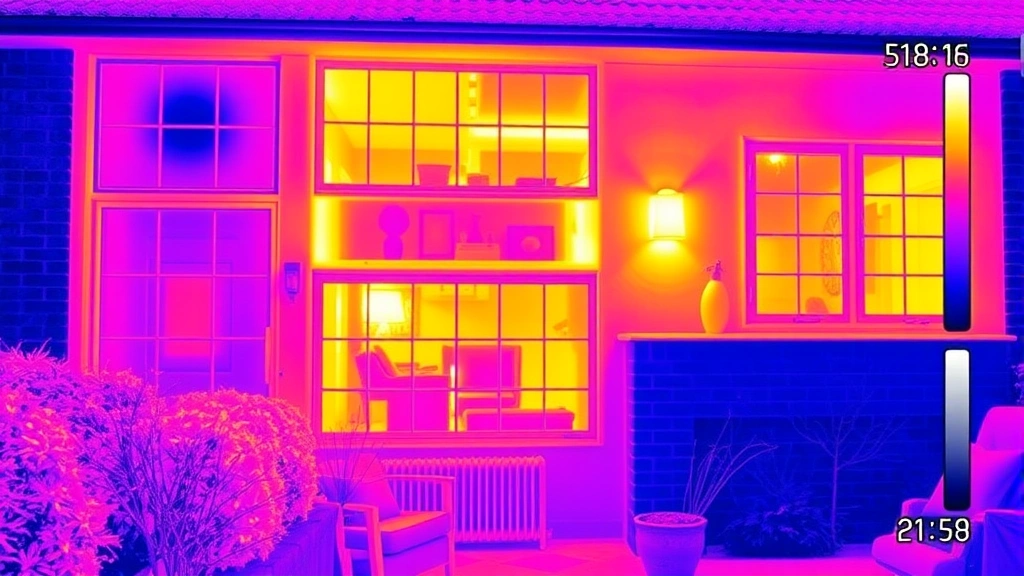
- Poor insulation: Attics, basements, and walls that lack adequate insulation allow heat to escape rapidly
- Air leaks: Gaps around windows, doors, electrical outlets, and pipe penetrations create invisible energy drains
- Inefficient heating systems: Old furnaces and boilers operate at 60-70% efficiency compared to 90%+ for modern units
- Thermostat management: Improper settings or lack of programmable controls lead to unnecessary heating during unoccupied hours
- Water heater inefficiency: Older units waste energy constantly; tankless systems can reduce water heating costs by 20-30%
- Ductwork problems: Unsealed or uninsulated ducts can lose 20-30% of heated air before reaching living spaces
A professional energy audit can identify these issues and quantify potential savings. Many utility companies offer free or subsidized audits, making this an excellent first step toward understanding your specific consumption patterns.
Utility Company Charges and Regulations
Your gas bill includes more than just the cost of natural gas itself. Utility companies add various charges and fees that can comprise 30-40% of your total bill.
Understanding bill components:
- Commodity charge: The actual cost of natural gas, typically measured in dollars per therm or MCF (thousand cubic feet)
- Delivery charge: Fees for maintaining pipelines, meters, and infrastructure connecting you to the supply
- Regulatory fees: Government-mandated charges for environmental compliance and grid modernization
- Demand charges: Some utilities charge based on peak usage periods, incentivizing load management
- Fixed monthly fees: Basic service charges regardless of consumption
While you can’t control most of these charges, understanding them helps you recognize what portion of your bill reflects actual consumption versus fixed costs. This distinction is crucial when evaluating the return on investment for efficiency upgrades.
Practical Steps to Lower Your Bill
Now that you understand why your gas bill is high, here are actionable steps to reduce it:
Immediate actions (low cost, quick impact):
- Lower your thermostat: Each degree reduction saves 2-3% on heating costs. Setting it to 68°F during occupied hours and 62°F at night can save $10-15 monthly
- Seal air leaks: Caulk and weatherstrip around windows and doors. This simple task costs $50-100 but can save $100+ annually
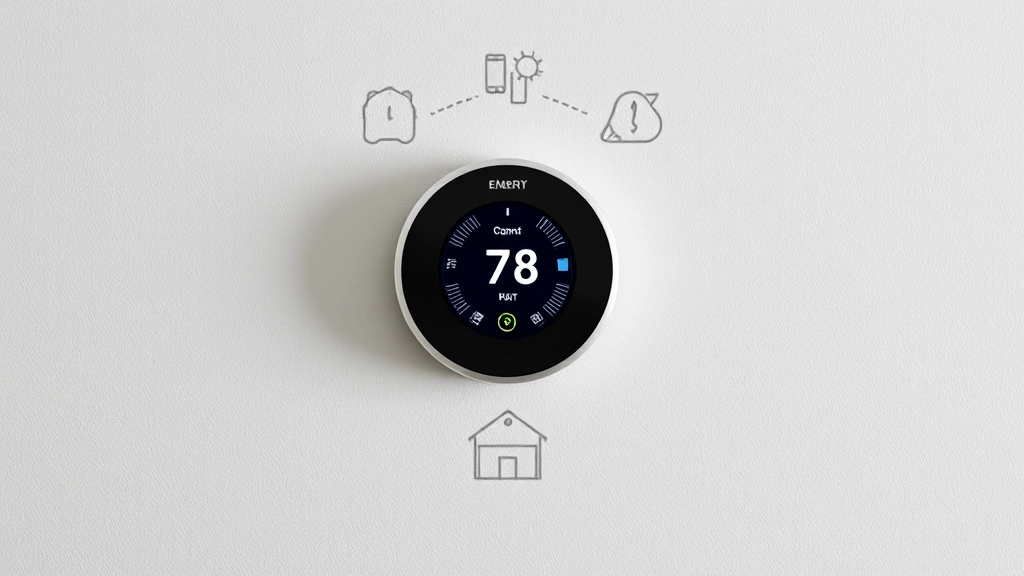
- Use programmable thermostats: Smart thermostats learn your schedule and adjust automatically, potentially saving 10-15% annually
- Close unused rooms: Reducing heated space decreases overall consumption
- Maintain your heating system: Annual furnace servicing ensures peak efficiency and prevents costly breakdowns
Medium-term improvements (moderate investment, significant savings):
- Add insulation: Attic insulation typically pays for itself in 2-3 years through energy savings
- Upgrade windows: Modern double or triple-pane windows reduce heat loss significantly
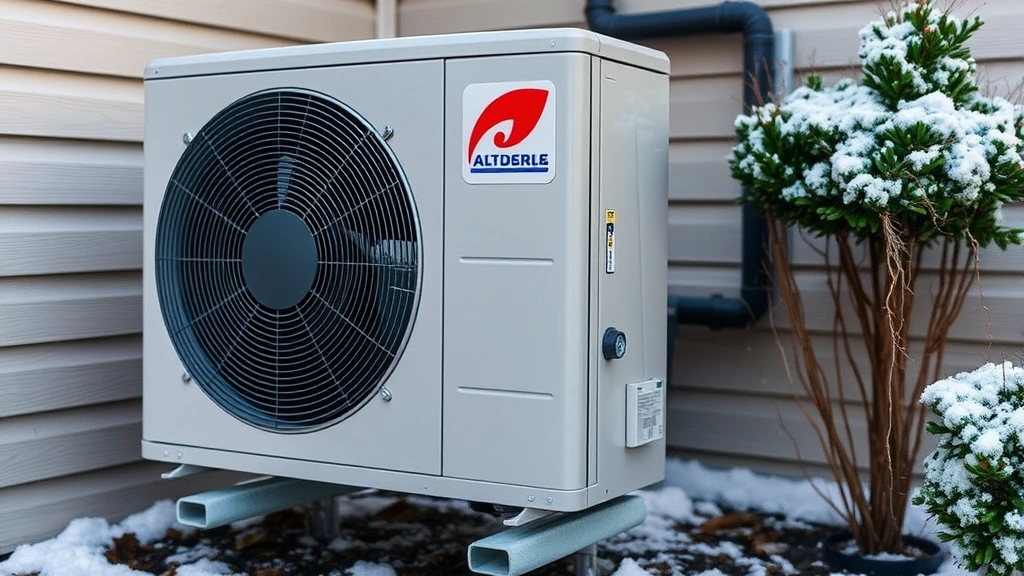
- Install a heat pump: Modern heat pumps can reduce heating costs by 30-50% compared to traditional furnaces
- Upgrade water heater: Tankless or hybrid water heaters can reduce water heating costs by 20-50%
Long-term strategic changes:
Consider exploring advantages of electric vehicles and transitioning away from natural gas entirely. Many progressive homeowners are switching to electric heat pumps, induction cooking, and heat pump water heaters. While initial costs are higher, these systems offer:
- Lower operating costs over 15-20 year lifespans
- Reduced vulnerability to gas price volatility
- Improved home comfort and air quality
- Significant environmental benefits: Particularly when powered by renewable energy sources
- Potential tax credits and rebates in many regions
Long-Term Energy Alternatives
Understanding your high gas bill is the first step toward energy independence. For many homeowners, the logical progression involves transitioning to cleaner, more stable energy sources. Visit the U.S. Department of Energy website for information on efficiency programs and rebates available in your area.
Renewable energy integration represents the future of home heating. Solar thermal systems, geothermal heat pumps, and grid-connected solar panels with battery storage can virtually eliminate your natural gas dependence. While these investments require capital, federal tax credits, state incentives, and declining technology costs make them increasingly accessible.
The EPA’s energy resources provide comprehensive information on transitioning to efficient, renewable heating systems. Additionally, the American Council for an Energy-Efficient Economy offers detailed guides on home energy efficiency and cost-benefit analysis for various upgrades.
Check your local utility’s website for information about gas prices around you and any special programs they offer. Many utilities provide rebates for energy-efficient upgrades, time-of-use rate programs, or budget billing options that smooth costs across seasons.
FAQ
Why did my gas bill double suddenly?
Sudden bill spikes typically result from extreme weather events (unusually cold winters), heating system malfunction, or major price increases. Check for furnace problems first, then compare your usage to previous years. If consumption is normal but rates increased, it reflects market conditions and utility rate adjustments.
Is my gas usage higher than normal?
Compare your current usage (in therms or cubic feet) to the same month last year. A 20-30% increase is normal during colder winters, but larger increases suggest efficiency problems. Request a free energy audit from your utility company to identify leaks and inefficiencies.
Can I negotiate my gas bill?
While you can’t negotiate commodity prices, you can switch suppliers in deregulated markets. You can also inquire about budget billing programs that smooth costs throughout the year, and always ask about available rebates for efficiency upgrades.
How much can I save with insulation upgrades?
Attic insulation typically reduces heating costs by 10-20%. Combined with air sealing and other improvements, comprehensive weatherization can reduce overall gas consumption by 25-35%, potentially saving $300-600 annually depending on your climate and current efficiency.
What’s the ROI on upgrading to an electric heat pump?
Modern air-source heat pumps cost $4,000-8,000 installed but reduce heating costs by 30-50% annually. With federal tax credits (up to 30% of installation costs), payback periods are typically 5-10 years. Ground-source heat pumps cost more upfront but offer even greater savings in cold climates.
Should I switch to natural gas alternatives immediately?
If your furnace is nearing end-of-life (15+ years), switching to a heat pump makes economic sense. For newer systems, prioritize weatherization and efficiency improvements first. As energy prices continue rising and renewable technology improves, the case for electrification becomes increasingly compelling.


