Is Woodman’s Gas Eco-Friendly? An Analysis
Woodman’s Markets, a regional grocery chain operating primarily in the Midwest, has become synonymous with competitive fuel prices. Many consumers choose Woodman’s Gas stations for their wallet-friendly rates, but the critical question remains: are these budget-friendly fuel options actually eco-friendly? Understanding the environmental impact of any gasoline product requires examining its sourcing, refining processes, emissions profile, and the company’s sustainability commitments.
As climate consciousness grows among consumers, the intersection of affordability and environmental responsibility has never been more important. While Woodman’s Gas may offer lower prices than premium fuel brands, this doesn’t necessarily mean it’s harmful to the environment—nor does it guarantee superior environmental practices. This comprehensive analysis explores Woodman’s fuel offerings, their environmental credentials, and how they compare to industry standards and alternatives.
What Is Woodman’s Gas and Its Origin
Woodman’s Markets operates a network of fuel stations across Wisconsin, Illinois, Indiana, and Minnesota, offering competitively priced gasoline and diesel fuel. The company sources its fuel from various suppliers and refineries, maintaining quality standards that comply with federal regulations. Like most regional fuel retailers, Woodman’s doesn’t refine its own crude oil but rather purchases finished gasoline from major refineries and brands it under their name.
The fuel sold at Woodman’s stations typically meets the EPA’s Tier 2 gasoline standards, which require specific detergent packages and sulfur content limitations. However, it’s important to note that meeting minimum regulatory standards doesn’t automatically make a fuel product particularly eco-friendly—it simply means it complies with baseline environmental protections. Many consumers assume cheaper gasoline is lower quality, but federal regulations ensure that all gasoline sold in the United States meets similar environmental and performance benchmarks, regardless of brand or price point.
Woodman’s positioning as a value-focused retailer means their primary competitive advantage is price rather than environmental innovation. This business model doesn’t inherently make their fuel worse for the environment, but it does suggest that environmental leadership isn’t their primary marketing focus or operational priority.
Environmental Standards for Gasoline
To properly evaluate Woodman’s Gas, it’s essential to understand the regulatory framework governing all gasoline sold in the United States. The EPA establishes comprehensive standards for fuel composition, sulfur content, and detergent requirements that all retailers must follow. These standards were designed to reduce harmful emissions from vehicles and protect air quality.
Key environmental standards include:
- Sulfur Content Limits: Federal regulations cap sulfur at 10 ppm (parts per million) in gasoline, down from historical levels of 300+ ppm. Lower sulfur content reduces harmful emissions and improves vehicle emission control system performance.
- Detergent Requirements: All gasoline must contain minimum detergent levels to prevent fuel injector deposits and maintain engine efficiency, indirectly supporting environmental protection by ensuring cleaner combustion.
- Reid Vapor Pressure: Seasonal regulations control gasoline volatility to reduce evaporative emissions that contribute to ground-level ozone formation.
- Renewable Fuel Standards: Federal mandates require all gasoline to contain biofuels, typically 10% ethanol (E10), blending renewable content with conventional petroleum.
Woodman’s Gas, like all U.S. fuel retailers, must comply with these standards. The question isn’t whether Woodman’s meets environmental regulations—it must. The question is whether they exceed them or implement additional sustainability measures beyond baseline compliance.
Woodman’s Fuel Quality and Certification
Woodman’s Markets maintains fuel quality through supplier partnerships and regular testing. Their gasoline typically carries Top Tier gasoline certification from suppliers like Citgo or other major refiners, meaning it includes enhanced detergent packages beyond EPA minimums. Top Tier gasoline, promoted by automakers including General Motors, Toyota, and BMW, provides better fuel system cleanliness and engine performance compared to regular gasoline.
This certification is significant because cleaner-burning fuel indirectly supports environmental goals by optimizing engine efficiency and reducing emissions. A well-maintained engine produces fewer pollutants than one clogged with fuel system deposits. However, it’s important to note that this benefit applies to the customer’s vehicle performance rather than representing a fundamental shift toward sustainable fuel sources.
Despite offering competitive prices, Woodman’s doesn’t compromise on fuel quality standards. Their fuel meets or exceeds federal requirements, contains appropriate detergent packages, and performs comparably to premium brands in terms of combustion efficiency and emission reduction. The primary difference between Woodman’s Gas and premium fuel brands is marketing, brand recognition, and profit margins—not necessarily environmental impact.
Carbon Footprint of Conventional Gasoline
The most significant environmental concern with any conventional gasoline product, including Woodman’s, isn’t the fuel quality or brand—it’s the fundamental nature of burning fossil fuels. Combusting one gallon of gasoline produces approximately 19.6 pounds of carbon dioxide, contributing directly to climate change regardless of brand or price point.
The carbon footprint of gasoline extends beyond tailpipe emissions to include extraction, refining, transportation, and distribution. Studies estimate the complete lifecycle carbon footprint of gasoline is approximately 20-25% higher than direct combustion emissions when accounting for upstream processes. This means that Woodman’s Gas, despite meeting environmental standards, still contributes significantly to greenhouse gas emissions.
This reality highlights why exploring alternatives to conventional gasoline becomes increasingly important for environmentally conscious consumers. While Woodman’s Gas isn’t uniquely problematic compared to other conventional fuels, it remains a fossil fuel product with inherent environmental limitations.
The most impactful environmental choice isn’t necessarily switching fuel brands—it’s reducing overall fuel consumption through efficient driving, vehicle selection, or transitioning to electric transportation when feasible.
Sustainability Practices and Company Commitments
Woodman’s Markets operates as a privately held regional company focused on value pricing and operational efficiency. Unlike some larger retailers, Woodman’s doesn’t publicly promote extensive sustainability initiatives or carbon reduction commitments. Their corporate messaging emphasizes affordability and customer value rather than environmental leadership.
This approach isn’t inherently problematic—many successful businesses prioritize core operations over sustainability marketing. However, it does indicate that environmental considerations may not be integrated throughout their fuel sourcing and distribution operations. A company pursuing genuine sustainability typically communicates these efforts through transparent reporting and third-party certifications.
Woodman’s Markets does participate in standard industry practices including:
- Compliance with federal fuel quality and environmental regulations
- Participation in mandatory renewable fuel blending programs
- Maintenance of fuel storage and distribution systems that prevent environmental contamination
- Adherence to state and federal environmental protection standards
However, these represent baseline compliance rather than proactive sustainability leadership. For consumers seeking fuel retailers with demonstrated environmental commitments, exploring sustainable energy solutions and researching company sustainability reports provides more comprehensive information.
Comparing Woodman’s to Alternative Fuel Options
When evaluating whether Woodman’s Gas is eco-friendly, it’s helpful to compare it against other available options:
Conventional Gasoline from Premium Brands: Chevron Techron, Shell V-Power, and other premium gasoline products offer enhanced detergents and quality assurance, but their fundamental environmental impact remains identical to Woodman’s Gas. You’re paying for perceived quality and brand reputation, not significantly lower emissions.
E85 Ethanol Fuel: Some Woodman’s locations offer E85 (85% ethanol), which produces lower lifecycle carbon emissions compared to conventional gasoline. If environmental impact is a priority, E85 represents a more eco-friendly option—though it reduces fuel efficiency by approximately 20-30%.
Biodiesel: For diesel vehicle owners, biodiesel blends reduce particulate emissions and carbon footprint compared to conventional diesel fuel, though availability at Woodman’s locations varies by region.
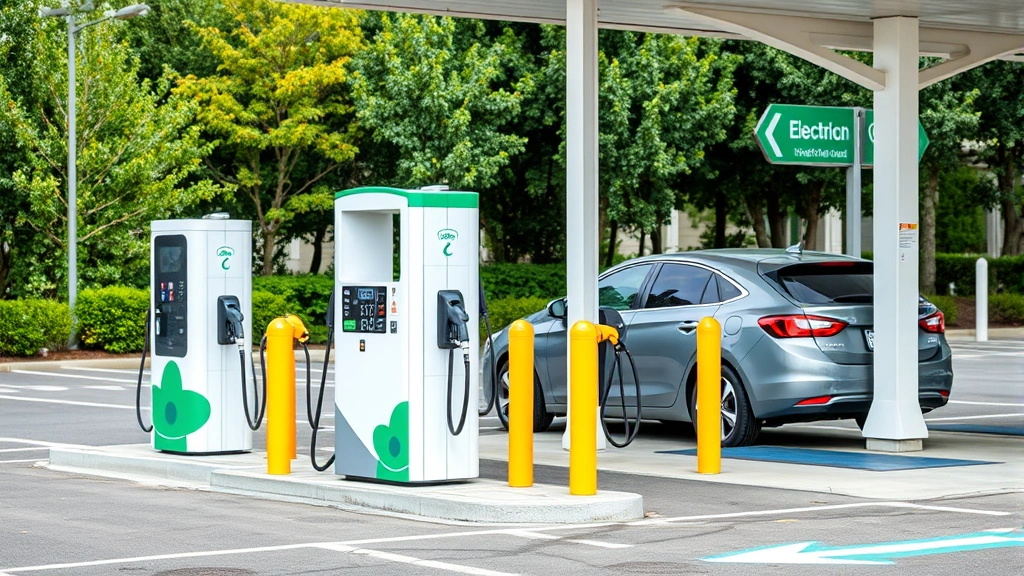
Electric Vehicle Charging: The most significant environmental improvement involves transitioning away from combustion engines entirely. Electric vehicles offer substantial environmental advantages compared to any conventional fuel option, though infrastructure and accessibility remain barriers for many consumers.
For consumers unable to transition to electric vehicles immediately, understanding practical strategies for reducing energy consumption provides actionable environmental benefits while maintaining current vehicle usage patterns.
How to Make Eco-Conscious Fuel Choices
If you currently purchase fuel at Woodman’s, implementing these strategies maximizes environmental responsibility while managing fuel costs:
Optimize Fuel Efficiency: Proper tire inflation, regular maintenance, and efficient driving behaviors reduce fuel consumption regardless of where you purchase gasoline. A well-maintained vehicle using Woodman’s Gas produces fewer emissions than a poorly maintained vehicle using premium fuel.
Choose E85 When Available: If your vehicle supports E85 fuel and Woodman’s offers it in your area, this renewable blend reduces lifecycle carbon emissions by approximately 25-30% compared to conventional gasoline, despite slightly lower fuel economy.
Plan Efficient Routes: Consolidating trips and planning efficient routes reduces total fuel consumption more significantly than fuel brand selection. This behavioral change produces immediate environmental benefits.
Monitor Fuel Economy: Track your vehicle’s miles per gallon to identify maintenance issues early. Declining fuel economy often indicates mechanical problems that increase emissions.
Evaluate Vehicle Alternatives: When considering vehicle replacement, prioritize fuel efficiency and consider transitioning to electric transportation if your driving patterns and infrastructure support this option.
Consider Carbon Offsetting: Organizations like Carbon Trust provide carbon offset programs allowing consumers to mitigate unavoidable fuel consumption emissions.
These strategies address the fundamental environmental challenge: conventional gasoline consumption, regardless of source or brand. While Woodman’s Gas meets environmental standards and offers competitive pricing, the most impactful environmental choices involve reducing fuel consumption entirely.
For comprehensive information on energy efficiency and sustainability, explore the SustainWise Hub Blog for additional resources on eco-conscious living and cost-effective sustainability strategies.
FAQ
Is Woodman’s Gas the same quality as name-brand gasoline?
Woodman’s Gas typically meets Top Tier gasoline standards with enhanced detergent packages, making it functionally equivalent to premium brands in terms of fuel quality and engine performance. The primary differences are brand recognition and marketing rather than actual fuel composition or environmental impact.
Does Woodman’s Gas contain ethanol?
Yes, like all U.S. gasoline, Woodman’s Gas contains approximately 10% ethanol (E10) as mandated by federal renewable fuel standards. Some locations offer E85 (85% ethanol) for compatible vehicles, providing lower lifecycle carbon emissions.
Is cheaper gasoline worse for the environment?
No. Federal regulations ensure all gasoline sold in the United States meets identical environmental standards regardless of price. Cheaper gasoline isn’t inherently more polluting—price differences reflect brand recognition, marketing costs, and profit margins rather than environmental impact.
What’s the most eco-friendly fuel option?
Electric vehicle charging produces zero direct emissions and significantly lower lifecycle emissions compared to any conventional fuel. For conventional vehicle owners, E85 ethanol blends offer approximately 25-30% lower lifecycle carbon emissions than regular gasoline.
Should I switch fuel brands for environmental reasons?
Switching between conventional gasoline brands produces minimal environmental impact. Instead, prioritize reducing overall fuel consumption through efficient driving, vehicle maintenance, route planning, and considering vehicle electrification when feasible.
Are there Woodman’s sustainability initiatives?
Woodman’s Markets complies with federal environmental regulations and participates in mandatory renewable fuel blending programs. However, they don’t publicly promote extensive sustainability initiatives or carbon reduction commitments beyond baseline regulatory compliance.
How does Woodman’s Gas compare to specialty fuels?
Woodman’s conventional gasoline produces identical tailpipe emissions as other conventional fuels. Specialty options like E85 or biodiesel offer measurable environmental advantages, though availability and vehicle compatibility vary.


