How to Calibrate Your XNX Gas Detector: 2020 Insights & Best Practices
Gas detection safety is fundamental to workplace compliance and environmental protection. The XNX gas detector represents advanced technology for monitoring hazardous gases in industrial and commercial settings. Proper calibration ensures accurate readings that protect workers and prevent environmental contamination from undetected leaks. Understanding the calibration process is essential for facilities managers, safety professionals, and environmental stewards committed to maintaining safe operations while reducing their environmental footprint.
This comprehensive guide explores XNX gas detector calibration procedures, regulatory requirements, and sustainability considerations relevant to 2020 standards and beyond. Whether you’re managing industrial equipment or ensuring compliance with environmental regulations, mastering calibration techniques protects both human health and ecosystem integrity.
Understanding XNX Gas Detector Technology
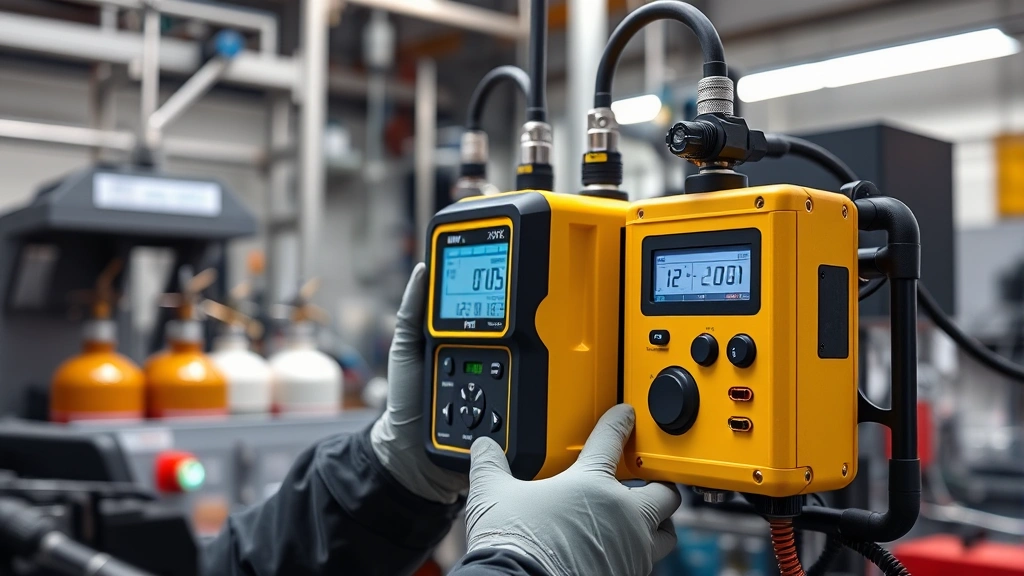
The XNX gas detector is a sophisticated monitoring system designed to detect multiple hazardous gases simultaneously. This technology utilizes electrochemical sensors, catalytic bead sensors, and infrared sensors depending on the specific gases being monitored. The XNX platform represents a significant advancement in gas detection safety, offering real-time monitoring capabilities that help prevent industrial accidents and environmental releases.
Gas detectors like the XNX serve critical functions in industries ranging from petrochemical processing to wastewater treatment facilities. They monitor for toxic substances including carbon monoxide, hydrogen sulfide, oxygen depletion, and combustible gases. Accurate detection prevents worker exposure to lethal concentrations and helps organizations maintain compliance with OSHA regulations and environmental protection standards.
Understanding sensor technology helps explain why calibration is non-negotiable. Each sensor type responds differently to gas concentrations, requiring specific calibration protocols. The XNX’s modular design allows customization for different industrial environments, making it versatile but also demanding precise calibration to maintain accuracy across varied applications.
Calibration Fundamentals and Why They Matter
Calibration is the process of adjusting your gas detector to ensure it reads accurately against known gas concentrations. Without proper calibration, your detector might miss dangerous gas levels or produce false alarms, both scenarios creating workplace hazards and potential environmental compliance violations. Regular calibration maintains the detector’s reliability and extends its operational lifespan.
The importance of calibration extends beyond workplace safety. When industrial facilities fail to detect gas leaks due to uncalibrated equipment, environmental contamination occurs. Methane leaks from natural gas infrastructure, for example, contribute significantly to climate change. Proper gas monitoring and management through calibrated detectors helps prevent these environmental impacts while reducing operational costs.
Regulatory agencies require documented calibration schedules. The EPA and OSHA mandate that facilities maintain calibration records demonstrating compliance with detection standards. These requirements protect workers and create accountability for environmental stewardship. Organizations that prioritize calibration demonstrate commitment to both employee wellbeing and environmental responsibility.
Sensor drift occurs naturally over time as sensors age and environmental factors influence their response. Calibration corrects this drift, realigning the detector’s readings with actual gas concentrations. In 2020, industry standards emphasize more frequent calibration intervals for critical applications, recognizing that environmental monitoring requires heightened precision.
Step-by-Step Calibration Procedure
Pre-Calibration Preparation
Before beginning calibration, verify that your XNX detector is functioning normally. Check the display for error messages and ensure all sensors are responsive. Document the current readings and environmental conditions including temperature and humidity, as these factors influence sensor performance. Allow the detector to stabilize at room temperature for at least 30 minutes before calibration.
Gather certified calibration gas cylinders matching your detector’s sensor configuration. Using expired or uncertified gases produces inaccurate calibration results. Store calibration gases in a cool, dry location away from direct sunlight. Verify that gas cylinder pressure remains within acceptable ranges; depleted cylinders yield unreliable calibration.
Accessing Calibration Mode
The XNX detector enters calibration mode through its menu system. Consult your specific model’s documentation, as procedures vary slightly. Generally, you’ll navigate to Settings or Maintenance menus using the detector’s control buttons. Some models require entering a security code to access calibration functions, protecting against accidental adjustments.
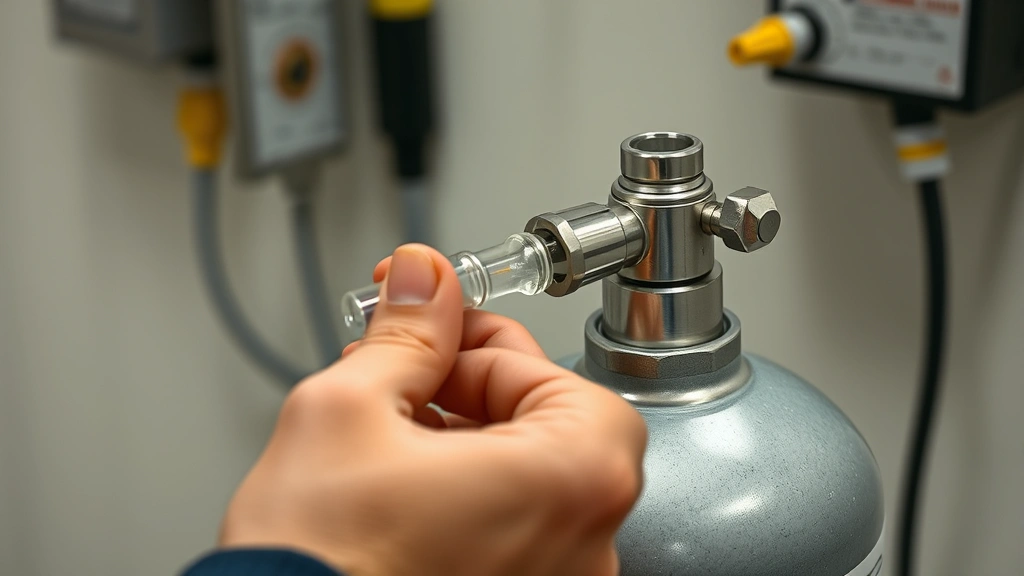
Connect the calibration gas supply to the detector’s sampling inlet using appropriate tubing and fittings. Ensure all connections are secure to prevent gas leakage, which wastes calibration gas and creates environmental emissions. Allow gas to flow for the time specified in your detector’s manual, typically 30-60 seconds, to purge old air from the sensor chamber.
Performing Zero Calibration
Zero calibration establishes the baseline reading when no target gas is present. Expose the detector to clean, dry air or nitrogen gas. The detector should read zero or near-zero for all sensors. If readings deviate significantly, the sensors may require cleaning or replacement. Record the zero calibration values in your maintenance log.
Span Calibration Process
Span calibration uses known concentration gases to verify sensor accuracy across the detection range. Introduce the calibration gas at the specified concentration for the required duration. The detector should read the expected value for that gas concentration. If readings deviate beyond acceptable tolerances (typically ±5%), adjust the calibration settings according to your detector’s procedures.
Different sensors require different calibration gases. Oxygen sensors might use 20.9% oxygen air mixture, while combustible gas sensors use specific hydrocarbon mixtures. Toxic gas sensors require certified standards for hydrogen sulfide, carbon monoxide, or other monitored substances. Using incorrect calibration gases produces invalid results and compromises detector reliability.
Documentation and Completion
Record all calibration results, including timestamps, gas concentrations used, sensor readings, and any adjustments made. This documentation proves compliance with regulatory requirements and creates a historical record of detector performance. Note environmental conditions and any anomalies observed during calibration.
After completing calibration, exit calibration mode and verify the detector functions normally. Perform a quick operational test using a small amount of target gas to confirm proper operation. Return calibration gas cylinders to secure storage and ensure proper ventilation if calibration occurred indoors.
Quality Assurance and Verification
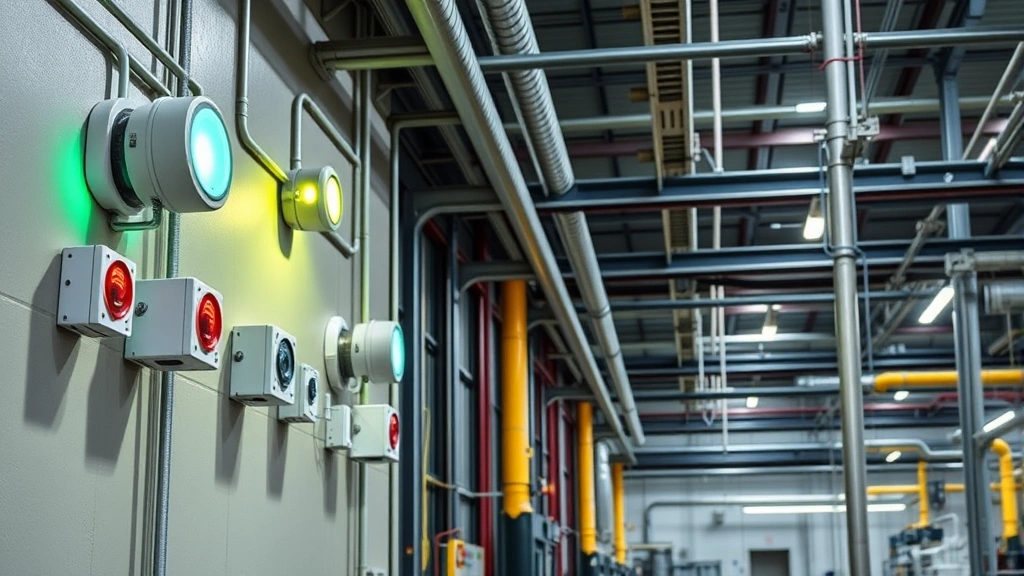
Beyond basic calibration, quality assurance protocols verify that your detector maintains accuracy between scheduled calibrations. Bump testing involves exposing the detector to a small concentration of target gas to confirm sensor responsiveness. While less comprehensive than full calibration, bump testing provides quick verification that sensors haven’t completely failed.
Many facilities implement weekly bump testing for critical detectors, with full calibration occurring monthly or quarterly depending on usage intensity. This layered approach catches sensor degradation early, preventing catastrophic failures. Organizations committed to sustainable energy solutions recognize that reliable gas detection prevents environmental incidents that undermine sustainability goals.
Environmental factors significantly impact detector accuracy. Temperature fluctuations, humidity extremes, and atmospheric pressure changes influence sensor response. Quality assurance programs account for these variables, implementing environmental controls where possible and adjusting calibration intervals based on operating conditions.
Third-party calibration services provide independent verification of detector accuracy. These certified laboratories maintain traceable standards and provide documentation accepted by regulatory agencies. For critical applications, periodic third-party verification supplements in-house calibration, ensuring maximum confidence in detection reliability.
Sustainability and Environmental Considerations
Gas detector calibration directly supports environmental sustainability by enabling facilities to detect and prevent leaks of hazardous substances. Methane detection prevents greenhouse gas emissions that accelerate climate change. Volatile organic compound detection prevents air pollution. Proper calibration maximizes these environmental protection benefits.
Calibration practices themselves have environmental implications. Calibration gas cylinders represent resource consumption and transportation emissions. Efficient calibration procedures minimize gas waste. Some facilities implement calibration gas recovery systems capturing unused gas instead of venting it to atmosphere. These practices align with reducing environmental footprint principles.
The EPA’s environmental monitoring standards increasingly emphasize continuous detection and documentation. Advanced detectors with digital logging capabilities support this transition, enabling facilities to demonstrate environmental compliance more effectively. Proper calibration ensures these monitoring systems provide reliable data supporting environmental stewardship.
Organizations using natural gas systems benefit significantly from proper detector calibration. Detecting small leaks before they become major incidents prevents both environmental contamination and wasted energy resources. Integrated monitoring systems combining calibrated detectors with energy management practices optimize both safety and sustainability.
Common Calibration Mistakes to Avoid
Using Expired or Uncertified Calibration Gas
Calibration gas deteriorates over time, with concentration accuracy decreasing as cylinders age. Always verify gas certification dates and expiration information. Using expired gas produces invalid calibration results, potentially leaving your facility with a false sense of security while detectors drift out of specification. Maintain a calibration gas inventory system tracking expiration dates.
Skipping Environmental Stabilization
Temperature and humidity significantly affect sensor response. Failing to allow detectors to stabilize at room temperature before calibration introduces errors. Environmental chambers or climate-controlled calibration areas eliminate these variables, improving calibration accuracy. Never calibrate detectors immediately after moving them from extreme temperature conditions.
Improper Sensor Maintenance
Contaminated sensors yield inaccurate calibration results. Dust, moisture, and chemical residues interfere with sensor function. Regular cleaning using appropriate methods specified in your detector manual maintains sensor integrity. Some sensors require replacement if contamination persists despite cleaning efforts.
Inadequate Documentation
Regulatory compliance depends on comprehensive calibration records. Failing to document calibration activities, results, and adjustments creates liability and prevents demonstrating regulatory compliance. Implement systematic documentation procedures, whether using paper logs or digital management systems, ensuring all calibration activities are recorded.
Ignoring Sensor-Specific Requirements
Different sensor types require different calibration approaches. Attempting to calibrate oxygen sensors using combustible gas standards, for example, produces meaningless results. Study your detector’s specifications thoroughly, understanding each sensor’s unique calibration requirements and procedures.
Maintenance Schedule and Best Practices
Establishing Calibration Intervals
Industry standards recommend calibration frequency based on detector type and application severity. Continuous-use detectors in hazardous environments typically require monthly calibration. Intermittent-use detectors might calibrate quarterly. Safety-critical applications demand more frequent intervals. Document your facility’s specific calibration schedule based on these factors and regulatory requirements.
Implementing Preventive Maintenance
Beyond calibration, regular maintenance extends detector lifespan and reliability. Visual inspections identify physical damage or sensor degradation. Sensor replacement intervals vary by type; electrochemical sensors typically require replacement every 2-3 years regardless of calibration status. Catalytic bead sensors last longer but require more frequent cleaning.
Training and Competency
Personnel performing calibration must understand detector operation, sensor technology, and safety procedures. Comprehensive training ensures consistent calibration quality and reduces errors. Certification programs validate competency, providing documentation of trained personnel. Regular refresher training keeps staff current with evolving standards and best practices.
Digital Management Systems
Modern calibration management software tracks detector locations, maintenance history, and upcoming calibration dates. These systems generate automated reminders, produce regulatory compliance reports, and maintain centralized documentation. Digital systems improve accountability and prevent missed calibrations that compromise safety.
Supplier Partnerships
Establishing relationships with reliable calibration gas suppliers and service providers ensures access to certified materials and expert support. Qualified suppliers provide properly documented gases, maintain inventory of necessary standards, and offer technical consultation for complex applications. These partnerships support consistent calibration quality across your facility.
FAQ
How often should I calibrate my XNX gas detector?
Standard practice recommends monthly calibration for continuous-use detectors in hazardous environments. Facilities with less frequent usage might extend intervals to quarterly. Regulatory requirements and manufacturer specifications should guide your specific schedule. Higher-risk applications justify more frequent calibration to maintain maximum safety margins.
Can I perform calibration myself or should I hire professionals?
Many facilities train internal personnel to perform routine calibration, reducing costs and improving responsiveness. However, complex applications, third-party verification requirements, or initial setup often benefit from professional calibration services. A hybrid approach—in-house routine calibration supplemented by professional verification—provides cost-effective reliability.
What causes detector drift between calibrations?
Sensor aging, temperature fluctuations, exposure to contaminants, and humidity changes all contribute to drift. Some drift is inevitable; calibration corrects accumulated drift and realigns readings with actual gas concentrations. Maintaining stable environmental conditions and implementing preventive maintenance slows drift rates.
How do I know if my calibration gas is still valid?
Check cylinder labels for certification dates and expiration information. Most calibration gases remain stable for 2-5 years if properly stored in cool, dry conditions. Cylinders exposed to temperature extremes or physical damage may degrade faster. When in doubt, contact your gas supplier for current validity confirmation.
What should I do if calibration results are out of specification?
First, verify that you used correct calibration gas and followed proper procedures. If results remain out of specification, the sensor may require cleaning or replacement. Document the out-of-specification condition, remove the detector from service, and contact technical support or your service provider for troubleshooting and repair.
Are there environmental regulations governing gas detector calibration?
Yes. OSHA regulations require calibration of gas detection equipment used for atmospheric monitoring. The EPA establishes air quality monitoring standards that include detector accuracy requirements. These regulations ensure that environmental monitoring provides reliable data supporting public health protection.
Can calibration procedures differ between detector models?
Yes, significantly. While fundamental principles remain consistent, specific procedures, menu navigation, calibration gas requirements, and acceptable tolerances vary by model. Always consult your specific detector’s manual before calibrating. Manufacturer documentation ensures you follow correct procedures and use appropriate standards.


