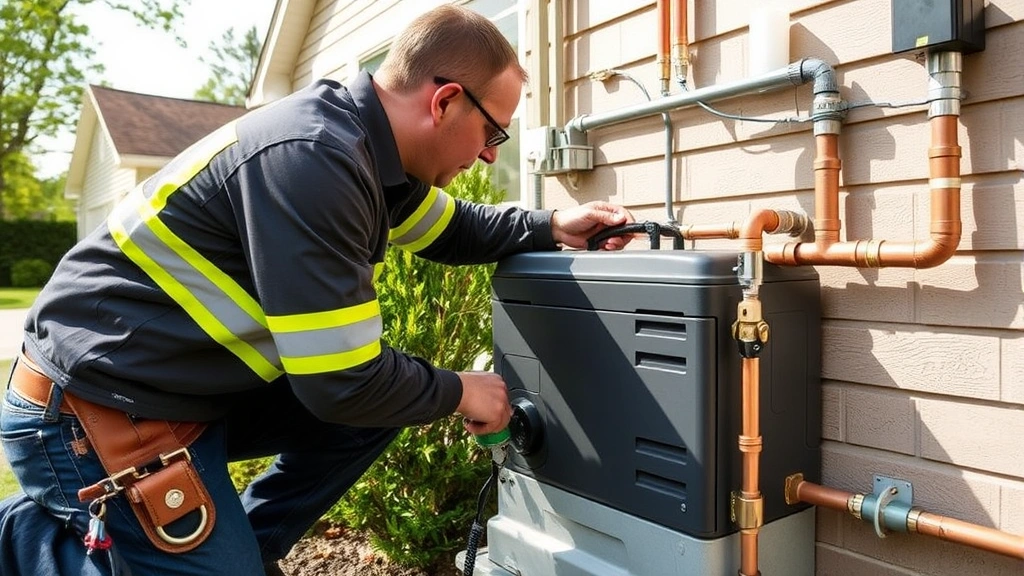
A 24kW Generac generator is a powerful backup power solution for residential and small commercial properties, capable of powering essential systems during outages. However, the performance and safety of your generator depend significantly on proper gas line sizing. Installing an incorrectly sized gas line can lead to inadequate fuel delivery, reduced generator output, safety hazards, and potential damage to the unit. This comprehensive guide explores everything you need to know about selecting the right gas line size for your 24kW Generac generator.
The gas line size for a 24kW Generac generator is typically a 1-inch (25mm) copper or steel line, though specific requirements depend on factors such as line length, gas type, inlet pressure, and local building codes. Undersizing the gas line restricts fuel flow, causing the generator to underperform or shut down during peak demand. Oversizing unnecessarily increases installation costs without providing additional benefits. Understanding these specifications ensures your generator operates at full capacity while maintaining safety and compliance with regulations.
Understanding 24kW Generac Generator Gas Requirements
A 24kW Generac generator represents the upper range of residential backup power solutions, delivering substantial electricity during grid failures. These units require consistent fuel supply to maintain their rated output. The fuel consumption rate for a 24kW Generac typically ranges from 45-50 gallons per day at full load, though this varies based on the specific model and load conditions.
Natural gas and propane are the two primary fuel options for 24kW generators. Natural gas provides continuous supply through utility lines, eliminating refueling concerns, while propane offers portability through tank storage. Each fuel type has different pressure requirements and flow characteristics that influence gas line sizing decisions. Natural gas systems typically operate at lower pressures (4-7 inches of water column for residential delivery), whereas propane systems often require higher pressures and different line materials.
Understanding your generator’s fuel consumption specifications is essential before determining gas line size. Generac provides detailed technical documentation with BTU (British Thermal Unit) requirements and fuel flow rates. A 24kW unit burning natural gas at full capacity requires approximately 86-92 cubic feet per hour, which directly impacts the minimum gas line diameter needed to deliver adequate fuel without pressure drop.
Gas Line Sizing Standards and Specifications
The most common gas line size for 24kW Generac generators is 1-inch diameter copper or steel tubing, though some installations may require 1.25-inch lines depending on circumstances. The industry standard, established by the American Gas Association (AGA) and referenced in the International Fuel Gas Code (IFGC), uses sizing tables based on:
- Gas type (natural gas or propane)
- Line length in feet
- Pressure drop allowed (typically 0.3 inches of water column maximum)
- BTU/hour fuel requirement
- Inlet pressure at the generator
For a 24kW generator requiring approximately 86,000-92,000 BTU/hour, a 1-inch line accommodates distances up to 100 feet with acceptable pressure drop. Beyond 100 feet, you may need to increase to 1.25-inch diameter to maintain proper fuel delivery. The EPA recognizes proper fuel system installation as critical for generator efficiency and emissions compliance.
Copper tubing is preferred for natural gas applications due to its corrosion resistance and durability, while black steel pipe offers a cost-effective alternative. Propane systems often use different materials due to the fuel’s chemical properties. Never use aluminum or PVC piping for gas delivery, as these materials are unsuitable for fuel applications and violate building codes.
Factors Affecting Gas Line Size Selection
Distance from fuel source to generator is the primary factor determining gas line size. The longer the run, the greater the pressure drop across the line, necessitating larger diameter tubing to maintain adequate fuel flow. A 50-foot run from your natural gas meter to the generator may use 1-inch tubing, while a 150-foot installation might require 1.25-inch or even 1.5-inch diameter.
Elevation changes along the gas line route affect pressure dynamics, particularly in hilly terrain. Gas lines running uphill experience additional resistance, potentially requiring size increases. Local building codes and utility company requirements also influence sizing decisions. Many jurisdictions have specific regulations regarding minimum line sizes, pressure regulators, and safety shutoff valves that supersede manufacturer recommendations.
The inlet pressure specification for your 24kW Generac generator typically ranges from 5-7 inches of water column for natural gas. If your utility delivers gas at lower pressures, you may need a larger line to compensate. Propane systems often require higher inlet pressures (10-12 inches of water column), which affects sizing calculations differently than natural gas.
Ambient temperature fluctuations impact gas density and flow characteristics. In colder climates, gas becomes denser, affecting flow rates. Sizing calculations should account for your region’s temperature extremes. Additionally, if your installation includes multiple appliances drawing from the same gas line, total BTU requirements increase, potentially necessitating larger diameter tubing.
For sustainable energy solutions, consider how your backup power system integrates with renewable energy sources. Hybrid systems combining generators with solar panels or wind turbines may have different fuel requirements than standalone generators.
Installation Best Practices and Safety Considerations
Professional installation of your 24kW Generac gas line system is strongly recommended and often required by local codes. Licensed plumbers or gas fitters understand local regulations, pressure requirements, and safety protocols that DIY installations may overlook. Improper installation risks gas leaks, inadequate generator performance, and safety hazards.
All gas lines require proper support with straps or clamps every 4-6 feet to prevent sagging and potential damage. The line should slope slightly downward (1/8 inch per 10 feet) toward the gas source to allow condensation and liquid withdrawal. Underground gas lines must be buried at least 18 inches deep in most jurisdictions and protected with warning tape or markers.
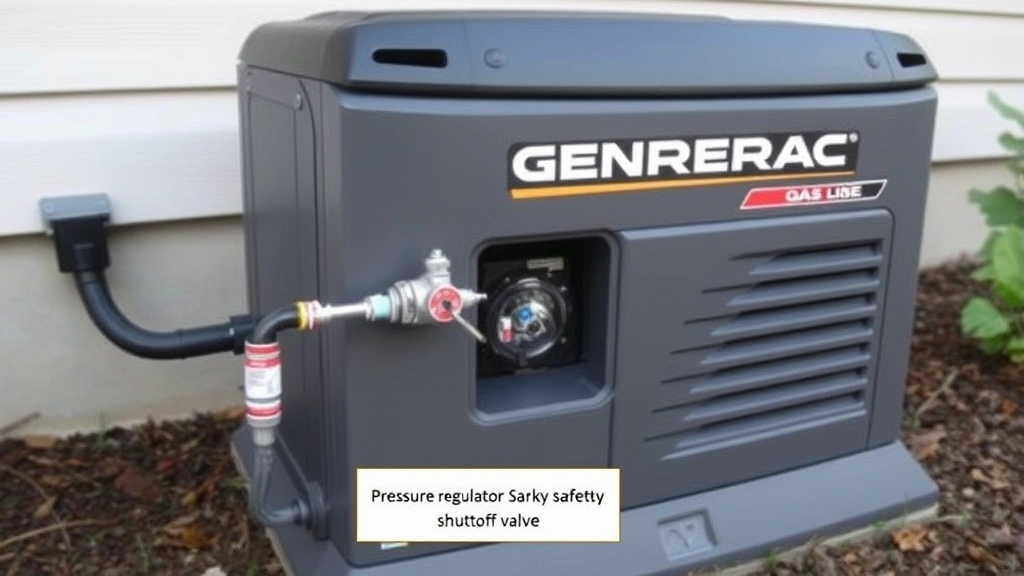
Pressure regulators are essential components that maintain consistent fuel delivery at the generator inlet. A high-quality regulator prevents pressure fluctuations that could damage the generator or reduce efficiency. Safety shutoff valves should be installed at accessible locations to allow quick fuel supply interruption during emergencies or maintenance.
All connections require proper sealing with thread sealant tape or pipe dope rated for gas applications. Teflon tape is standard for metal pipe threads, while some professionals prefer pipe dope for superior sealing. Never use plumber’s putty or caulk for gas connections, as these materials degrade over time and create safety hazards.
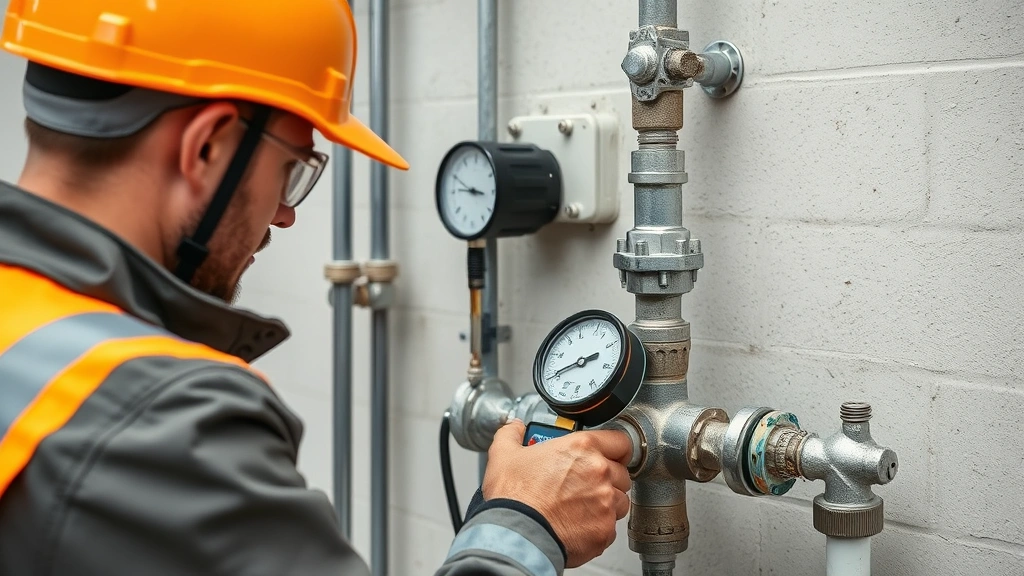
After installation, a qualified technician must perform a pressure test to verify the system holds pressure without leaks. Soap solution applied to all connections reveals even small leaks through bubble formation. Professional leak detection equipment provides additional verification. Most jurisdictions require third-party inspection before the system operates.
When planning your installation, evaluate whether energy efficiency measures could reduce your backup power needs, potentially allowing smaller gas lines and lower fuel consumption.
Sustainable Energy Alternatives to Consider
While 24kW Generac generators provide reliable backup power, exploring complementary sustainable energy options can reduce overall fuel consumption and environmental impact. Electric vehicle charging infrastructure and home battery systems represent emerging alternatives for residential energy storage.
Solar battery backup systems combined with grid-tied solar panels offer renewable energy generation and storage without fossil fuel consumption. During grid outages, solar systems with battery storage provide power from accumulated renewable energy. While initial costs exceed traditional generators, lifetime fuel savings and environmental benefits make solar attractive for many homeowners. A hybrid approach combining solar storage with a smaller generator provides both renewable energy benefits and reliable backup power.
The U.S. Department of Energy offers resources comparing backup power technologies and their environmental impacts. Hydrogen fuel cell generators represent emerging technology with zero emissions, though widespread residential availability remains limited.
Propane generators present a middle-ground sustainable option compared to diesel or gasoline units. Propane burns cleaner than petroleum fuels and produces fewer emissions. For properties with existing propane systems, generator integration simplifies installation and fuel management.
Green technology innovations continue advancing backup power solutions. Smart generators with automatic load management reduce fuel consumption by powering only essential systems during outages. Some models include weatherproofing and sound dampening that minimize environmental disturbance.
Maintenance and Longevity of Gas Lines
Proper maintenance extends gas line lifespan and ensures continued safe operation. Annual inspections by qualified technicians identify corrosion, loose connections, or damage before problems develop. Copper lines should be inspected for green patina or pinhole leaks, which indicate corrosion requiring professional attention.
Protecting gas lines from physical damage preserves system integrity. Avoid driving over buried lines or allowing heavy equipment to contact exposed tubing. In areas where ground shifting occurs, flexible connectors near the generator accommodate movement without stressing rigid piping.
Seasonal preparation maintains system readiness. Before winter, verify the regulator functions properly and connections remain tight. Cold temperatures can cause condensation inside gas lines, potentially blocking fuel flow. Proper slope and drainage prevent liquid accumulation that impairs generator operation.
When performing generator maintenance, have a qualified technician verify gas line pressure and flow. Low pressure indicates leaks or regulator issues requiring professional repair. Never attempt to repair gas lines yourself, as improper repairs create serious safety hazards.
Documentation of all installation work, inspections, and maintenance creates a service record valuable for future reference or property sales. Keep manufacturer documentation, pressure test results, and inspection reports organized and accessible.
For comprehensive information about backup power systems and energy management, explore additional resources addressing residential power solutions and sustainability practices.
Environmental considerations extend beyond fuel consumption to include proper disposal of old gas lines during replacement. Copper and steel materials are recyclable, reducing landfill waste. Work with licensed contractors who follow environmental protocols for material handling and disposal.
FAQ
What size gas line do I need for a 24kW Generac generator?
A 1-inch diameter copper or steel gas line is standard for 24kW Generac generators when the line runs up to 100 feet. For longer distances, 1.25-inch diameter may be necessary. Specific requirements depend on gas type, inlet pressure, and local codes. Consult your Generac documentation and local authorities for precise specifications.
Can I use a smaller gas line to save money?
Undersizing gas lines reduces fuel delivery, causing generator underperformance or failure during peak demand. The cost savings from smaller pipe are minimal compared to replacement costs for a failed generator. Professional sizing ensures reliable operation and safety compliance.
How deep should buried gas lines be installed?
Most jurisdictions require gas lines buried at least 18 inches deep with warning tape or markers. Check local building codes for specific depth requirements in your area. Proper burial protects lines from physical damage and meets code requirements.
What pressure should my 24kW Generac gas line maintain?
Natural gas systems typically maintain 5-7 inches of water column inlet pressure at the generator. Propane systems often require 10-12 inches. A quality regulator maintains consistent pressure. Your Generac manual specifies exact requirements for your model.
How often should gas lines be inspected?
Annual professional inspections identify potential issues before they develop into problems. After installation, a pressure test verifies system integrity. Any visible corrosion, loose connections, or suspected leaks warrant immediate professional inspection.
Can I install a gas line myself?
Most jurisdictions require licensed professionals for gas line installation due to safety and code requirements. DIY installation risks gas leaks, inadequate sizing, and code violations. Professional installation ensures safety, compliance, and reliable generator operation.


