Eco-Friendly Cooking: 36 Inch Gas Cooktop Insights
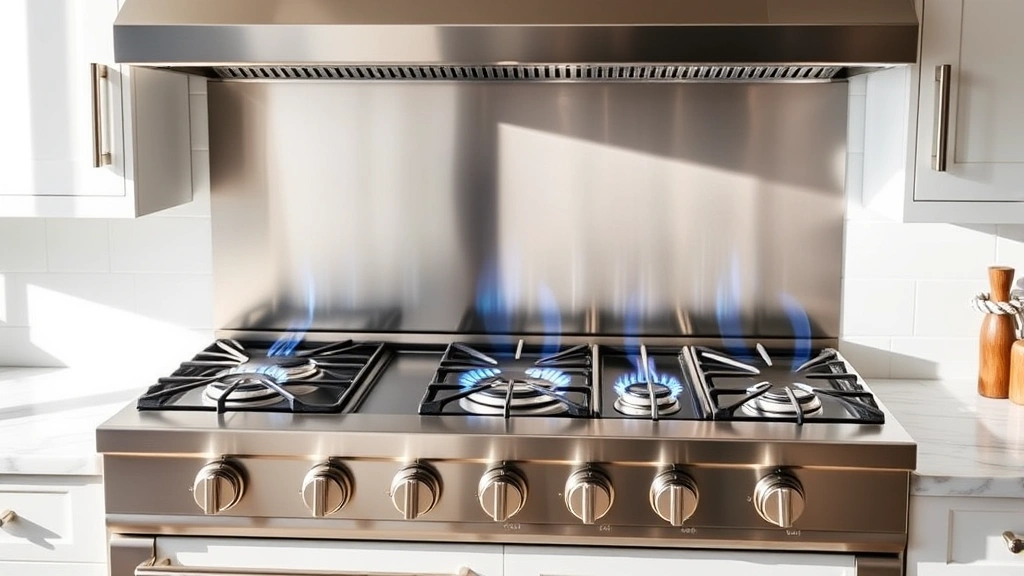
The kitchen is often called the heart of the home, and choosing the right cooking appliances plays a significant role in both culinary success and environmental responsibility. A 36 inch gas cooktop represents a substantial investment in your cooking infrastructure, making it essential to understand how this choice impacts your household’s sustainability profile. Modern gas cooktops have evolved considerably, offering features that balance performance with eco-conscious design principles that align with broader efforts to reduce household energy consumption.
In today’s climate-conscious world, homeowners increasingly seek appliances that deliver exceptional functionality without compromising environmental values. The 36 inch gas cooktop has emerged as a popular choice for those wanting professional-grade cooking capabilities in a residential setting. However, understanding the environmental implications, efficiency metrics, and sustainable cooking practices associated with this appliance category is crucial for making informed purchasing decisions that support both your culinary ambitions and planetary health.
Understanding 36 Inch Gas Cooktop Environmental Impact
The environmental footprint of a 36 inch gas cooktop extends beyond its operational efficiency to encompass manufacturing processes, fuel sourcing, and end-of-life disposal considerations. Natural gas combustion produces carbon dioxide and water vapor as primary byproducts, though at lower emission rates compared to some alternatives. Understanding these impacts helps homeowners contextualize their cooking choices within broader sustainable energy solutions for household operations.
Gas cooktops offer immediate heat delivery and precise temperature control, which can actually reduce cooking time and therefore overall energy consumption. The efficiency of gas flames means less wasted heat compared to electric coil alternatives, translating to approximately 70-75% energy efficiency for gas cooking versus 65-70% for traditional electric methods. However, this advantage becomes less pronounced when comparing modern induction cooktops, which achieve 80-90% efficiency rates through electromagnetic heating technology.
The source of natural gas matters significantly for environmental impact assessment. Natural gas extracted through conventional drilling has different sustainability implications than biogas produced from renewable sources. Progressive utilities increasingly incorporate renewable natural gas into their supply networks, improving the environmental profile of existing gas appliances. Homeowners should investigate their local utility’s renewable energy initiatives to better understand their cooktop’s true carbon footprint.
Energy Efficiency Standards and Ratings
The U.S. Environmental Protection Agency (EPA) and Department of Energy (DOE) establish efficiency standards that guide cooktop manufacturing and consumer purchasing decisions. While gas cooktops aren’t subject to the same stringent federal efficiency regulations as refrigerators or dishwashers, manufacturers voluntarily pursue efficiency improvements that benefit both consumers and the environment. Understanding these standards empowers informed decision-making when selecting a natural gas cooktop for your kitchen.
Modern 36 inch gas cooktops incorporate several efficiency-enhancing features that reduce energy waste. Sealed burners prevent heat loss and spill containment, while improved ignition systems eliminate the need for continuous pilot lights that historically wasted considerable gas. Electronic ignition systems use minimal electricity to create spark ignition, reducing overall energy consumption compared to standing pilot systems that burned fuel continuously regardless of cooking activity.
When evaluating efficiency specifications, look for cooktops featuring:
- Sealed burner design that contains heat and prevents debris accumulation
- Electronic ignition systems that eliminate wasteful pilot lights
- Adjustable flame height control enabling precise heat matching to cookware size
- Simmer settings that maintain low-temperature cooking without excess fuel consumption
- Heavy-duty grates designed for durability and long-term use
Comparing Gas to Alternative Cooking Technologies
The cooking appliance landscape has expanded dramatically in recent years, offering homeowners multiple options for consideration. Understanding how a 36 inch gas cooktop compares to alternatives like induction, electric coil, and hybrid systems provides essential context for sustainability-focused purchasing decisions. Each technology presents distinct environmental tradeoffs related to energy source, efficiency, and lifecycle impacts.
Induction cooktops represent the most energy-efficient cooking technology currently available for residential use, converting approximately 85-90% of electrical energy into direct heat transfer to cookware. This efficiency advantage significantly reduces operational energy consumption compared to gas alternatives. However, induction technology requires compatible ferromagnetic cookware and represents a higher upfront investment, potentially limiting adoption among budget-conscious consumers. Additionally, the electricity powering induction cooktops depends on regional grid composition—areas relying on renewable energy sources enjoy substantially lower environmental impacts than regions dependent on fossil fuel generation.
Electric coil and smooth-top electric cooktops fall between gas and induction in efficiency rankings, typically achieving 65-75% energy conversion rates. These options offer compatibility with existing cookware and moderate pricing but lack the precise temperature control that professional cooks and sustainability-conscious home chefs appreciate. Hybrid cooktop systems combining gas and induction burners appeal to homeowners seeking flexibility, though they typically command premium pricing.
The environmental impact of your cooking choice ultimately depends on multiple factors including local electricity grid composition, natural gas sourcing practices, cooking frequency, and cooking method preferences. Homeowners in regions with high renewable electricity penetration may find induction technology more sustainable, while those in areas with abundant renewable natural gas supply might optimize their environmental profile through a high-efficiency gas cooktop.
According to research from the U.S. Department of Energy, cooking appliance selection significantly impacts household energy consumption patterns and should align with individual cooking practices and regional energy infrastructure characteristics.
Sustainable Features to Look For
When shopping for a 36 inch gas cooktop aligned with sustainability principles, specific features distinguish environmentally responsible models from standard options. These design elements directly reduce energy consumption, minimize environmental impact, and often enhance cooking performance simultaneously.
Burner Configuration and Power Output
Examine burner arrangement and power specifications carefully. Cooktops featuring variable burner sizes—including smaller simmer burners rated at 5,000-7,000 BTU—enable better heat matching to cookware and cooking tasks. This prevents unnecessary fuel consumption when preparing delicate sauces or warming plates. Conversely, high-output burners rated at 15,000+ BTU provide professional-grade performance for searing and rapid boiling while maintaining efficiency through precise flame control.
Ventilation Efficiency
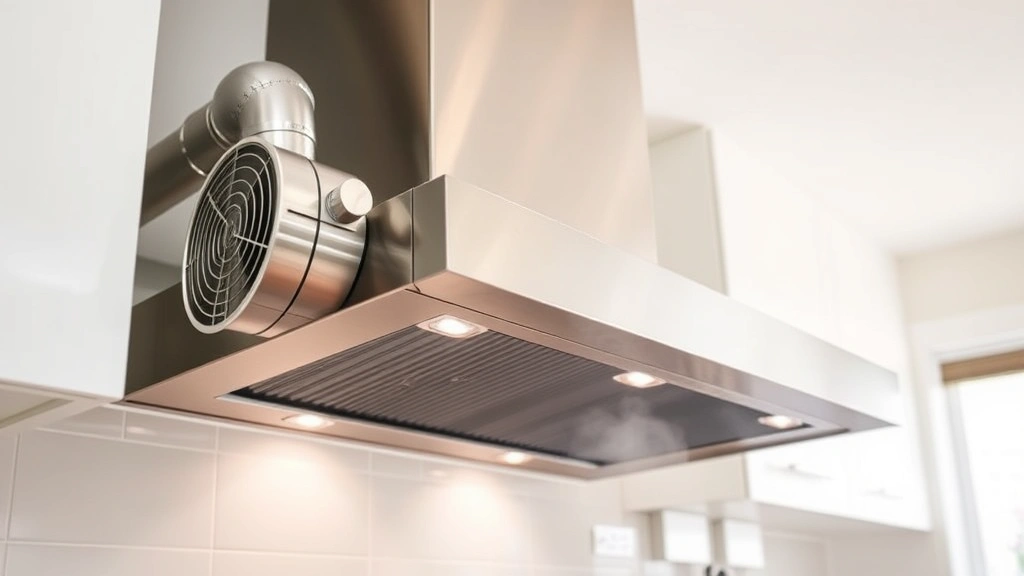
Proper ventilation systems prevent indoor air quality degradation while minimizing energy waste. Modern range hoods equipped with variable-speed fans adjust airflow based on cooking intensity, reducing unnecessary electricity consumption compared to single-speed systems. Downdraft ventilation integrated into cooktop designs offers space-saving alternatives to overhead hoods while maintaining effective pollutant removal.
Construction Materials and Durability
Premium materials like stainless steel and cast iron grates enhance durability, extending appliance lifespan and reducing lifecycle environmental impacts. Cooktops designed for component replacement—such as interchangeable grates and individual burner modules—facilitate repair rather than replacement, supporting circular economy principles. This approach aligns with green technology innovations emphasizing longevity and repairability.
Certification Programs
Look for ENERGY STAR certification or equivalent environmental designations indicating third-party verification of efficiency claims. Some manufacturers participate in ENERGY STAR certification programs, demonstrating commitment to environmental responsibility. Additionally, research manufacturer sustainability reports revealing corporate environmental policies and supply chain transparency initiatives.
Optimizing Cooking Practices for Reduced Emissions
Appliance selection represents only one component of sustainable cooking; operational practices significantly influence environmental impact. Homeowners can optimize their 36 inch gas cooktop’s sustainability profile through intentional cooking techniques and behavioral adjustments that reduce fuel consumption and environmental footprint.
Cookware Selection Matters
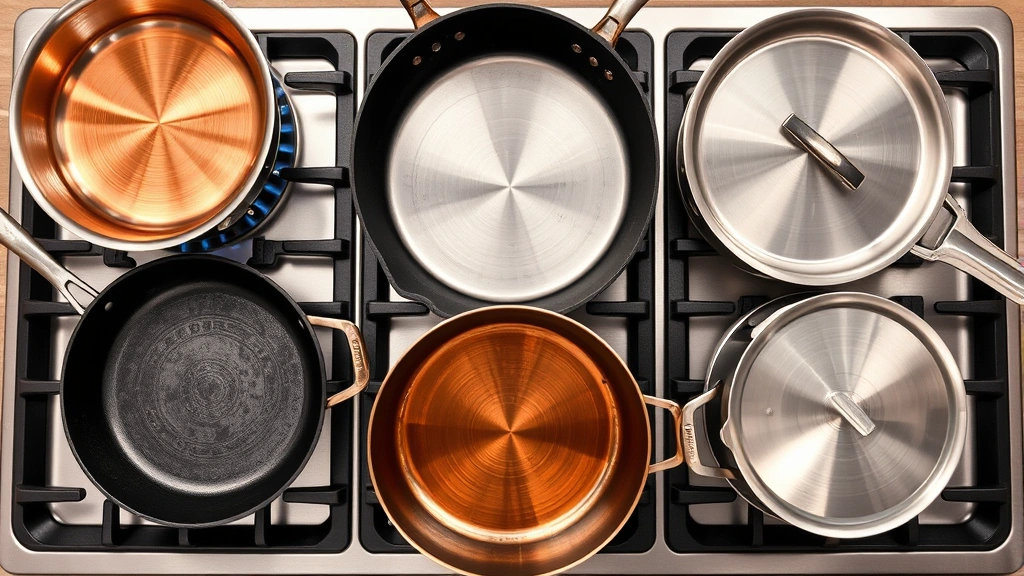
Heavy-bottomed cookware with flat surfaces maximizes contact with gas flames, improving heat transfer efficiency and reducing cooking time. Copper-bottomed pans and stainless steel cookware with aluminum cores conduct heat effectively, enabling lower flame settings while maintaining cooking performance. Conversely, thin, warped cookware creates gaps between flame and pan bottom, wasting heat and extending cooking duration unnecessarily.
Matching Flame to Cookware Size
Adjusting flame height so flames contact only the cookware base prevents heat waste around pan edges. Many home cooks maintain excessive flame levels from habit rather than necessity, consuming unnecessary fuel. Modern 36 inch gas cooktops with improved flame control enable precise adjustment, allowing cooks to reduce flame once food reaches desired temperature, maintaining heat without excess fuel consumption.
Utilizing Lids and Covers
Covering pots and pans dramatically reduces cooking time by retaining heat and moisture. Covered cookware reaches boiling temperature 25-30% faster than uncovered alternatives, consuming proportionally less fuel. This simple practice represents one of the most impactful behavioral adjustments for reducing gas consumption during everyday cooking.
Batch Cooking and Meal Planning
Planning meals to maximize cooktop utilization reduces overall cooking frequency and fuel consumption. Batch cooking multiple dishes simultaneously across multiple burners or sequential cooking sessions improves efficiency compared to scattered cooking throughout the day. This approach also reduces electricity consumption associated with frequent appliance startup and preheating cycles.
Maintaining Equipment
Regular cleaning of burner ports prevents blockages that reduce flame efficiency and increase fuel consumption. Accumulated food debris and mineral deposits from hard water compromise burner performance, requiring higher flame settings to achieve desired cooking temperatures. Annual professional maintenance ensures optimal performance and prevents efficiency degradation over time.
Installation and Ventilation Considerations
Proper installation of a 36 inch gas cooktop directly impacts both operational efficiency and environmental sustainability. Professional installation ensures optimal gas line sizing, appropriate ventilation, and compliance with building codes that protect indoor air quality and household safety.
Gas Line Infrastructure
Undersized gas lines restrict fuel flow, forcing burners to operate at reduced capacity and extending cooking times unnecessarily. Properly sized gas lines enable efficient fuel delivery, supporting the cooktop’s design specifications and environmental performance. Professional installers assess existing infrastructure and upgrade lines when necessary, optimizing system performance.
Ventilation System Design
Gas cooking produces nitrogen dioxide and carbon monoxide as combustion byproducts, necessitating effective ventilation for indoor air quality maintenance. However, aggressive ventilation systems can waste conditioned air, increasing heating and cooling energy consumption. Modern ventilation designs balance pollutant removal with energy efficiency through variable-speed fans and demand-controlled systems that adjust airflow based on cooking activity intensity.
Properly designed ventilation systems should remove cooking pollutants while minimizing conditioned air loss. Under-ventilation compromises indoor air quality, while over-ventilation wastes energy and increases HVAC system strain. Professional installation ensures ventilation capacity matches cooktop output specifications and room characteristics, optimizing both air quality and energy efficiency.
Kitchen Layout and Efficiency
Cooktop placement relative to windows, doors, and HVAC registers influences ventilation effectiveness and energy efficiency. Positioning cooktops away from direct window or door proximity prevents draft interference with flame stability and ventilation performance. Proximity to HVAC returns should be minimized to prevent ventilation system interference with heating and cooling operations.
Long-Term Sustainability and Durability
Evaluating a 36 inch gas cooktop’s sustainability requires considering its entire lifecycle—from manufacturing through decades of use to eventual recycling or disposal. Quality construction and manufacturer support directly impact environmental responsibility by extending appliance lifespan and reducing replacement frequency.
Manufacturing Footprint
Premium cooktops manufactured by companies prioritizing sustainable production methods, renewable energy use in facilities, and responsible supply chain management present lower environmental impact than mass-produced alternatives. Researching manufacturer sustainability initiatives reveals corporate commitment to environmental responsibility beyond product marketing claims. Many leading appliance manufacturers publish detailed sustainability reports documenting carbon reduction targets, renewable energy adoption, and waste minimization initiatives.
Longevity and Repairability
Cooktops designed for longevity through durable materials and component replaceability extend usable lifespan significantly. Manufacturers offering readily available replacement parts—including burners, grates, control knobs, and ignition systems—enable repair rather than replacement, reducing waste and environmental impact. Compare warranty periods and parts availability across models to identify options supporting long-term use.
End-of-Life Considerations
When cooktops eventually reach end-of-service life, recycling infrastructure availability influences environmental outcomes. Stainless steel, aluminum, and cast iron components possess significant material value and recycling potential. Research local recycling facilities accepting large appliances and confirm their ability to properly process gas cooktops, preventing landfill disposal of valuable materials.
The EPA’s appliance recycling guidance provides resources for responsible end-of-life management, helping homeowners minimize environmental impact during appliance disposal phases.
Cost-Benefit Analysis of Eco-Friendly Models
Investing in a high-efficiency 36 inch gas cooktop involves upfront cost considerations balanced against long-term operational savings and environmental benefits. Understanding this financial equation helps homeowners make purchasing decisions aligned with both budget constraints and sustainability objectives.
Upfront Investment Comparison
Premium eco-friendly gas cooktops typically command 15-30% price premiums compared to basic models, reflecting enhanced materials, improved efficiency features, and manufacturer sustainability commitments. A standard 36 inch gas cooktop might cost $800-1,200, while premium models featuring sealed burners, electronic ignition, and superior construction materials range from $1,000-1,800. This price differential varies significantly based on brand reputation, aesthetic finishes, and included features.
Operational Cost Savings
Improved efficiency translates to measurable natural gas consumption reductions over the appliance’s operational lifetime. Homeowners cooking frequently may realize $50-150 annual savings through reduced fuel consumption, though actual savings depend on local natural gas rates, cooking frequency, and cooking methods employed. Over a 15-year cooktop lifespan, cumulative savings could reach $750-2,250, partially offsetting higher initial investment costs.
Environmental Value Beyond Financial Returns
While financial calculations focus on tangible cost savings, environmental benefits possess significant value extending beyond household budget considerations. Reduced natural gas consumption directly decreases carbon emissions contributing to climate change. Choosing durable, repairable cooktops reduces manufacturing waste associated with frequent appliance replacement cycles. These environmental benefits, while difficult to quantify financially, support broader sustainability objectives and contribute to planetary health.
For homeowners prioritizing environmental responsibility alongside financial prudence, purchasing a high-quality 36 inch gas cooktop designed for longevity and efficiency represents sound investment strategy. The combination of reduced operational costs, minimized replacement frequency, and lower environmental impact creates compelling justification for premium pricing in many household situations.
Consult Consumer Reports for detailed product testing and long-term reliability assessments comparing specific cooktop models and manufacturers, supporting data-driven purchasing decisions.
Frequently Asked Questions
What is the most eco-friendly cooking appliance option?
Induction cooktops achieve the highest energy efficiency at 85-90%, making them the most energy-efficient cooking technology for most households. However, environmental sustainability depends on regional electricity grid composition and renewable energy penetration. High-efficiency gas cooktops remain competitive in areas with renewable natural gas infrastructure or abundant conventional natural gas supplies.
How can I reduce emissions from my 36 inch gas cooktop?
Optimize emissions through matched cookware sizing, using lids on pots and pans, maintaining proper flame height, and regular equipment maintenance. Batch cooking and meal planning maximize cooktop utilization efficiency. These behavioral adjustments can reduce fuel consumption by 15-25% without appliance replacement.
Do sealed burners actually improve efficiency?
Yes, sealed burners prevent heat loss and spill containment, improving flame efficiency and reducing fuel consumption compared to open burners. Sealed designs also facilitate easier cleaning and prevent debris accumulation that compromises burner performance over time.
What should I look for in a sustainable gas cooktop?
Prioritize sealed burners, electronic ignition systems, variable flame control, heavy-duty materials, manufacturer sustainability commitments, and repairability features. Consider ENERGY STAR certification or equivalent third-party environmental designations indicating verified efficiency claims.
How long do quality 36 inch gas cooktops typically last?
Well-maintained premium gas cooktops often function reliably for 15-20 years or longer. High-quality construction materials, professional installation, and regular maintenance significantly extend appliance lifespan. Component replaceability enables continued operation even as individual parts require replacement.
Is natural gas cooking harmful to indoor air quality?
Gas combustion produces nitrogen dioxide and carbon monoxide that can accumulate indoors without proper ventilation. Effective range hood ventilation systems remove these pollutants, maintaining indoor air quality. Modern demand-controlled ventilation systems balance air quality protection with energy efficiency.
Can I upgrade my existing gas cooktop for better efficiency?
Rather than replacing entire cooktops, homeowners can sometimes upgrade individual components like burner modules or grates to newer, more efficient designs. Contact manufacturers about compatibility and available upgrade options. For significant efficiency improvements, complete replacement may prove more cost-effective than partial upgrades.


