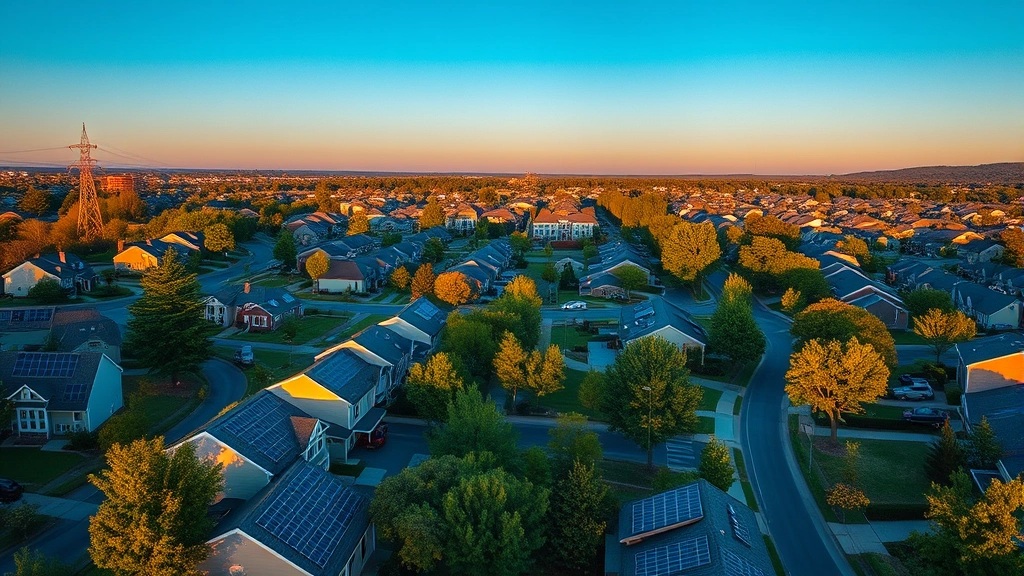
Baltimore Gas & Electric: Sustainability Tips for Conscious Customers
Baltimore Gas & Electric (BGE) serves nearly 1.3 million customers across Maryland and Washington D.C., making it one of the region’s largest energy providers. As environmental concerns grow and energy costs rise, BGE customers increasingly seek ways to reduce their carbon footprint while managing utility expenses. Whether you’re a longtime BGE customer or new to the service area, understanding how to optimize your energy consumption is essential for both your wallet and the planet.
This comprehensive guide explores practical sustainability strategies tailored specifically for BGE customers, from understanding your energy bills to implementing home efficiency improvements. We’ll also cover how to access BGE customer support resources and navigate their sustainability programs designed to help you transition toward cleaner energy solutions.
Understanding BGE’s Sustainability Programs
Baltimore Gas & Electric has committed to significant environmental goals, including reducing greenhouse gas emissions and transitioning toward cleaner energy sources. As a BGE customer, you have access to several sustainability programs designed to support your energy-saving efforts while contributing to broader environmental objectives.
BGE’s Clean Energy Program offers customers the opportunity to power their homes with renewable energy sources. By enrolling in this program, you can support wind and solar energy generation across the region. This initiative allows you to make a tangible environmental impact without requiring expensive home modifications. The program works by directing a portion of your energy consumption toward renewable sources, effectively increasing demand for clean energy development.
The utility also provides rebates and incentives for customers who upgrade to energy-efficient appliances and systems. These financial incentives reduce the upfront cost of sustainability improvements, making it more accessible for households at various income levels. Understanding these programs is the first step toward meaningful energy conservation.
For those interested in sustainable energy solutions, BGE’s website offers detailed information about available programs. Alternatively, you can contact BGE customer service to discuss which programs best suit your household’s needs and budget.
Energy Efficiency Audits and Assessments
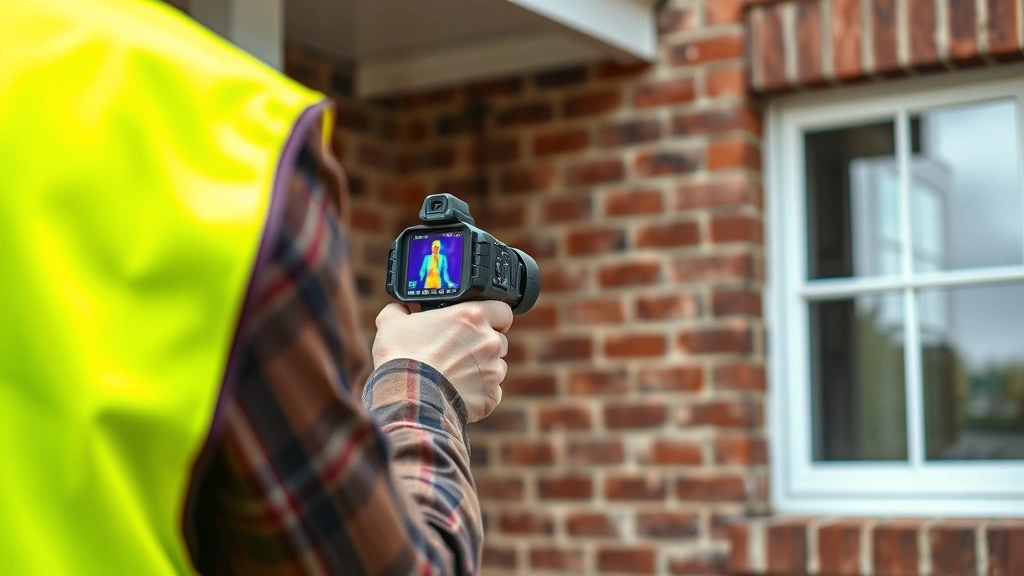
One of the most valuable resources BGE offers is the energy audit program. A professional energy audit identifies specific areas where your home loses energy, whether through poor insulation, air leaks, outdated windows, or inefficient heating and cooling systems. These audits provide a detailed roadmap for improvement, helping you prioritize investments based on potential savings.
During a typical BGE energy audit, technicians examine:
- Insulation levels in attics, walls, and basements
- Air sealing opportunities around windows, doors, and penetrations
- HVAC system efficiency and performance
- Water heater condition and temperature settings
- Appliance age and efficiency ratings
- Lighting systems and opportunities for LED upgrades
The audit report includes estimated energy savings for each recommended improvement, allowing you to calculate return on investment. Many customers find that implementing audit recommendations pays for itself within five to seven years through reduced energy bills. For low-income households, BGE may offer free or subsidized audits through their weatherization assistance programs.
Scheduling an audit is straightforward—contact BGE customer service to inquire about availability in your area and eligibility for any assistance programs. The investment in this assessment typically costs between $200-400, but the savings often exceed this amount annually.
Smart Thermostat Implementation
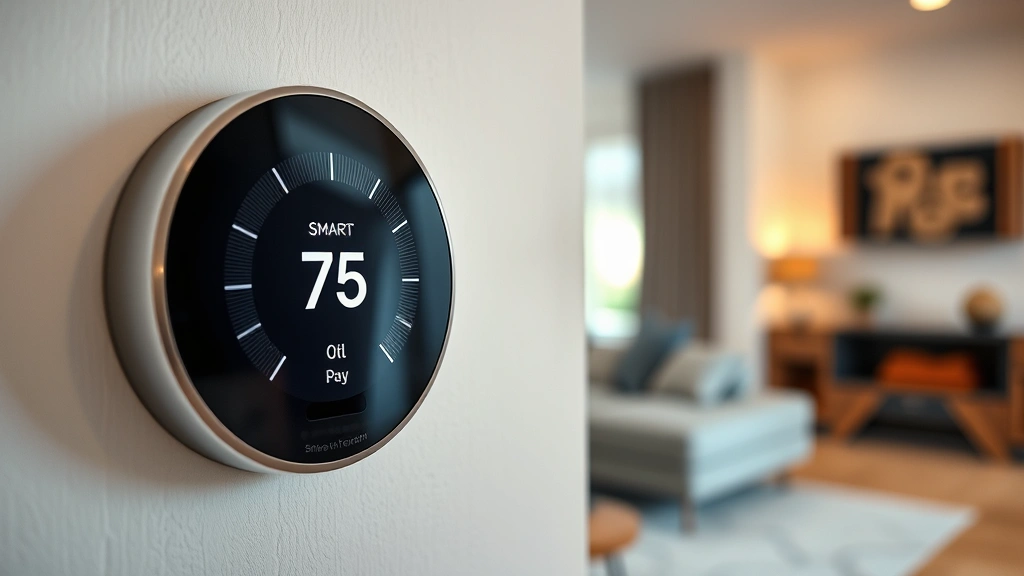
Smart thermostats represent one of the highest-impact sustainability upgrades available to BGE customers. These devices learn your household’s temperature preferences and adjust heating and cooling automatically, reducing energy waste while maintaining comfort. Studies show that smart thermostat users save an average of 10-15% on heating and cooling costs annually.
When selecting a smart thermostat, consider models compatible with BGE’s demand response programs. These programs allow the utility to slightly adjust your thermostat during peak demand periods, reducing strain on the grid while earning you bill credits. This technology benefits both your finances and regional energy stability.
Installation is typically simple for homeowners with basic technical skills, though professional installation is recommended for older HVAC systems. Many smart thermostat manufacturers offer rebates when purchased through your utility provider, further reducing costs. Popular options include Nest, Ecobee, and Honeywell Home devices, each with varying features and price points.
Beyond the thermostat itself, implementing smart scheduling practices maximizes savings. Programming lower temperatures during winter nights and higher temperatures during summer days when you’re away from home creates significant cumulative savings. Many smart thermostats allow remote control via smartphone apps, enabling adjustments even when you’re traveling.
Renewable Energy Options
BGE offers several pathways to renewable energy adoption, ranging from simple program enrollment to rooftop solar installation. Understanding these options helps you choose the sustainability approach that aligns with your environmental values and financial situation.
The BGE Clean Energy Program allows you to support renewable energy generation without installing solar panels. Enrollment percentages range from 25% to 100% of your electricity consumption, with corresponding bill increases reflecting the premium cost of renewable energy. While this option requires no upfront investment, it provides less direct environmental benefit than on-site generation.
For customers interested in advantages of electric vehicles, solar installation becomes particularly valuable. Home solar systems can power both your household and an electric vehicle, creating a comprehensive clean energy strategy. BGE offers information about qualified solar installers and may provide incentives for residential solar projects through state and federal programs.
Community solar programs present another option for renters or homeowners unable to install rooftop systems. These shared solar facilities generate power distributed among multiple subscribers, allowing participation in renewable energy generation without physical infrastructure requirements.
Interested in learning more about advantages of natural gas as a transitional fuel? Natural gas produces fewer emissions than coal or oil while serving as a bridge toward fully renewable energy systems. BGE continues transitioning its fuel mix toward cleaner sources, making it a reasonable choice during the energy transition period.
Seasonal Efficiency Tips
Energy consumption patterns vary dramatically across seasons in the Baltimore region. Tailoring your sustainability practices to seasonal conditions maximizes savings year-round while reducing unnecessary energy waste.
Winter Efficiency: During heating season, maintain thermostat temperatures between 68-70°F during occupied hours and lower during sleep and away periods. Each degree reduction saves approximately 3% on heating costs. Seal air leaks around windows and doors using weatherstripping or caulk. Ensure attic insulation meets current standards—most Baltimore homes benefit from R-38 to R-60 attic insulation depending on existing conditions. Use window coverings to trap heat: open south-facing curtains during sunny days and close them at night.
Summer Efficiency: During cooling season, set thermostats to 78°F or higher when home and 85°F when away. Use ceiling fans to circulate cool air, allowing higher thermostat settings while maintaining comfort. Close blinds during the hottest parts of the day to prevent solar heat gain. Run large appliances like dishwashers and laundry machines during early morning or evening hours when outdoor temperatures are lower and cooling load is reduced. Consider taking shorter showers with cooler water to reduce water heating demand.
Spring and Fall: These transitional seasons offer opportunities for preventive maintenance. Have HVAC systems professionally serviced before peak heating and cooling seasons. Replace air filters monthly during heavy-use periods. Check and repair any air leaks discovered during seasonal transitions.
Water Heating Optimization
Water heating typically accounts for 15-25% of household energy consumption, making optimization particularly valuable. BGE customers have several strategies to reduce water heating energy use and associated costs.
Lowering water heater temperature from the standard 140°F to 120°F reduces energy consumption while maintaining adequate hot water for most household needs. This adjustment prevents scalding risks for children and elderly residents while saving approximately 5-10% of water heating energy annually. The change requires only adjusting the thermostat dial on your water heater.
Insulating hot water pipes reduces heat loss as water travels from the heater to fixtures. Pipe insulation foam sleeves cost $10-20 and install in minutes, preventing heat loss that would otherwise require reheating water. Insulating the water heater tank itself provides similar benefits, particularly for older units.
High-efficiency water heaters—including tankless, heat pump, and solar models—consume 25-50% less energy than conventional units. While upfront costs are higher, utility rebates and long-term savings justify the investment. Tankless water heaters provide hot water on-demand without maintaining a heated tank, making them ideal for households with moderate hot water consumption. Heat pump water heaters extract heat from surrounding air, operating efficiently even in cold climates.
Reducing hot water consumption directly impacts energy use. Installing low-flow showerheads and faucet aerators limits water temperature loss while reducing consumption. Simple behavioral changes—taking shorter showers, washing clothes in cold water, and fixing leaks promptly—accumulate into significant savings.
Appliance Upgrades and ENERGY STAR
Household appliances represent significant energy consumption opportunities. ENERGY STAR certified appliances use 10-50% less energy than standard models while providing equivalent or superior performance. BGE customers should prioritize upgrades for appliances with longest operating hours: refrigerators, water heaters, HVAC systems, and washing machines.
When replacing appliances, compare EnergyGuide labels that display estimated annual operating costs. While ENERGY STAR models cost more upfront, reduced operating costs justify the premium within 5-10 years for most appliances. Federal tax credits and BGE rebates further offset upfront expenses.
Refrigerators: Modern ENERGY STAR refrigerators use approximately 40% less energy than 1990s models. Proper maintenance—cleaning condenser coils annually and maintaining proper temperature (37-38°F)—maximizes efficiency for existing units.
Washing Machines: Front-load and ENERGY STAR certified machines use 40% less water and 25% less energy than conventional top-loaders. The superior cleaning performance and reduced detergent requirements provide additional benefits beyond energy savings.
Dishwashers: Modern dishwashers use less water and energy than hand-washing dishes. ENERGY STAR models use as little as 3 gallons per cycle compared to 27 gallons for hand-washing. Running full loads and using air-dry settings maximizes savings.
For detailed information about what natural gas smells like and safety considerations, consult BGE’s safety resources. Proper appliance maintenance ensures safe operation and optimal efficiency.
Behavioral Changes for Sustainability
Beyond infrastructure upgrades, daily behavioral changes create substantial energy savings. These modifications require minimal investment while delivering immediate results.
Phantom Load Reduction: Electronics consume power even when switched off, accounting for 5-10% of residential electricity use. Using power strips to completely disconnect devices when not in use—televisions, computer equipment, phone chargers, and kitchen appliances—eliminates this waste. Smart power strips automatically cut power to devices after detecting inactivity.
Lighting Optimization: LED bulbs consume 75% less energy than incandescent bulbs while lasting 25+ times longer. Complete LED conversion costs $50-100 but delivers payback within 1-2 years through reduced electricity and replacement costs. Motion sensors in infrequently used areas prevent unnecessary lighting.
Laundry Efficiency: Washing clothes in cold water saves energy spent heating water. Modern detergents work effectively in cold water, and cold washing prevents color fading and fabric damage. Air-drying clothes eliminates dryer energy consumption—the second-most energy-intensive household appliance after refrigerators.
Cooking Efficiency: Using appropriately-sized cookware on burners, covering pots to retain heat, and using microwaves or convection ovens for small meals reduces cooking energy. Keeping oven doors closed during cooking prevents heat loss that extends cooking time and increases energy consumption.
Explore environmental sustainability examples for additional behavioral modifications applicable to your household.
Contacting BGE Support and Resources
Implementing sustainability improvements often requires professional guidance and information about available programs. BGE provides multiple channels for customer support and sustainability information.
Baltimore Gas & Electric Customer Service: For general inquiries, billing questions, and program information, contact BGE’s main customer service line at 1-888-685-0123. This number provides access to representatives who can discuss sustainability programs, rebates, and efficiency upgrades. Representatives can also schedule energy audits and provide referrals to qualified contractors.
BGE’s website (bge.com) offers comprehensive information about available programs, including Clean Energy enrollment, rebate programs, and efficiency resources. The online account portal allows customers to monitor real-time energy consumption, identify usage patterns, and track progress toward sustainability goals.
Energy Audit Scheduling: Contact BGE to schedule a professional energy audit. Representatives can determine your eligibility for subsidized or free audits through assistance programs. The audit process typically takes 2-3 hours and requires scheduling an appointment with availability varying by season.
Rebate and Incentive Information: BGE maintains updated lists of available rebates for appliance upgrades, HVAC improvements, insulation, and other efficiency measures. Current rebate amounts and eligibility requirements are available on the BGE website or by contacting customer service.
Community Programs: BGE offers community workshops and educational events about energy efficiency and sustainability. These events provide opportunities to learn from experts, ask questions, and connect with other environmentally-conscious customers.
For broader sustainability information, visit the SustainWise Hub Blog for comprehensive articles about environmental practices and sustainable living.
FAQ
What is the Baltimore Gas & Electric customer service number?
The main BGE customer service number is 1-888-685-0123. This line provides access to representatives who can assist with billing inquiries, sustainability program information, energy audit scheduling, and other customer service needs. Representatives are available during business hours, and you can also access account information through the online portal at bge.com.
How much can I save by implementing these sustainability tips?
Savings vary based on current energy consumption, home characteristics, and implemented improvements. On average, BGE customers who complete energy audits and implement recommended measures save 15-30% on energy bills annually. Individual results depend on factors including home age, insulation levels, climate control settings, and appliance efficiency. Professional audits provide personalized savings estimates for your specific situation.
Does BGE offer financial assistance for sustainability improvements?
Yes, BGE provides multiple financial assistance programs including rebates for appliance upgrades, HVAC improvements, insulation, and renewable energy installation. Low-income customers may qualify for free or subsidized energy audits and weatherization assistance. Contact BGE customer service to determine your eligibility for available programs.
Can I install solar panels on my home as a BGE customer?
Yes, BGE customers can install residential solar systems. The utility provides information about qualified installers and may offer incentives through state and federal programs. BGE also offers net metering, allowing customers to receive credits for excess solar energy fed back to the grid. Contact BGE for information about solar incentives and interconnection requirements.
What is BGE’s Clean Energy Program?
The BGE Clean Energy Program allows customers to support renewable energy generation by enrolling in renewable energy percentages ranging from 25% to 100%. Participants receive a higher electricity rate reflecting the premium cost of renewable energy, but their consumption directly supports wind and solar development in the region. Enrollment can begin online or by contacting customer service.
How often should I schedule a BGE energy audit?
Most customers benefit from energy audits every 5-10 years, or whenever major home modifications are considered. If you’ve recently completed efficiency improvements, an audit verifies that changes achieved expected savings. For older homes with significant energy consumption, more frequent audits may identify additional opportunities. Discuss audit frequency with BGE representatives based on your home’s specific characteristics.
Are smart thermostats compatible with BGE systems?
Most modern smart thermostats are compatible with BGE systems, particularly those supporting demand response programs. Compatibility depends on your existing HVAC equipment and the specific thermostat model. BGE provides information about compatible devices and may offer rebates for qualified purchases. Consult with BGE or a qualified HVAC technician before purchasing to ensure compatibility.
What external resources support sustainability efforts?
Several authoritative organizations provide sustainability guidance and information. The U.S. Environmental Protection Agency (EPA) Energy Resources offers comprehensive information about home energy efficiency and renewable energy. The ENERGY STAR Program provides appliance efficiency ratings and rebate information. The American Council for an Energy-Efficient Economy (ACEEE) publishes research on energy efficiency practices. The Solar Energy Industries Association (SEIA) provides solar installation information and incentive details. The World Resources Institute offers climate and sustainability research supporting informed decision-making.


