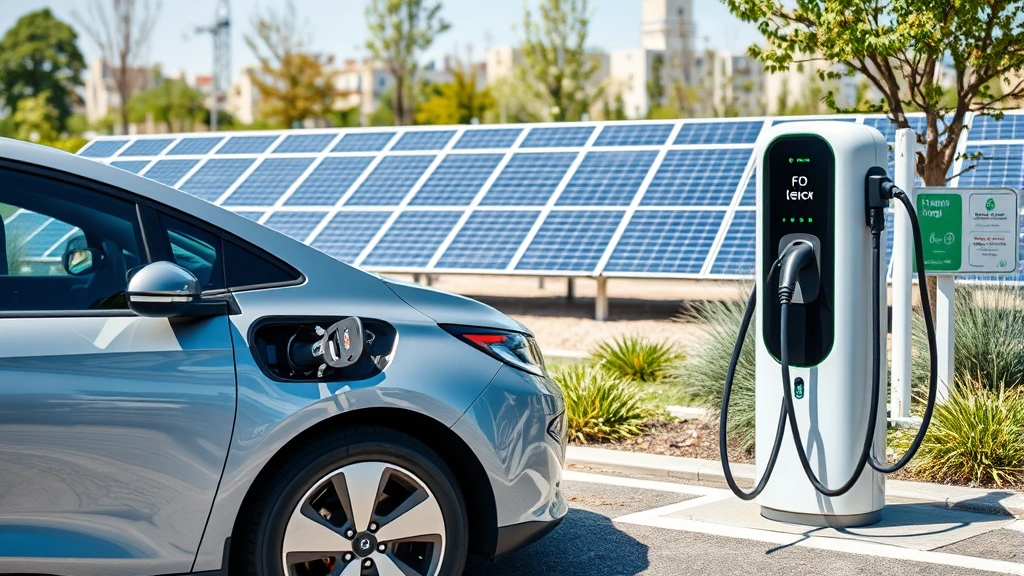
Are Electric Cars Greener? Study Insights
The transition to electric vehicles represents one of the most significant shifts in transportation sustainability, yet a critical question remains: are electric cars truly greener than their gasoline counterparts? Recent scientific studies and lifecycle analyses provide compelling evidence that electric vehicles (EVs) significantly reduce environmental impact when compared to traditional internal combustion engine vehicles. However, the answer is nuanced and depends on multiple factors including electricity grid composition, vehicle manufacturing processes, and driving patterns.
Understanding whether electric cars are genuinely greener requires examining the complete picture—from raw material extraction through manufacturing, operation, and eventual recycling. This comprehensive analysis reveals that while EVs do produce emissions, their overall environmental footprint is substantially lower than conventional vehicles in most regions, particularly as electrical grids continue to incorporate more renewable energy sources.
The urgency of this question cannot be overstated. Transportation accounts for approximately 27% of greenhouse gas emissions in the United States alone, making vehicle choices a critical component of personal and collective climate action. By exploring recent research findings and practical considerations, we can better understand how electric vehicle adoption contributes to meaningful environmental progress.
Lifecycle Emissions: The Complete Picture
When evaluating whether electric cars are greener, we must consider their entire lifecycle rather than just operational emissions. A comprehensive lifecycle assessment (LCA) examines environmental impacts across four primary stages: manufacturing, transportation, use, and end-of-life recycling. According to research from the Environmental Protection Agency (EPA), electric vehicles demonstrate significantly lower lifetime emissions compared to gasoline vehicles, even when accounting for manufacturing impacts.
Studies consistently demonstrate that despite higher initial manufacturing emissions, EVs offset this burden within 15,000 to 30,000 miles of driving, depending on regional electricity sources. In regions with cleaner grids powered by renewable energy, this breakeven point occurs even sooner. The Union of Concerned Scientists found that electric vehicles produce roughly half the lifetime emissions of comparable gasoline vehicles across most of North America.
The comprehensive nature of lifecycle analysis reveals that while manufacturing an EV battery requires significant energy and resources, the operational phase—where EVs excel—comprises the majority of a vehicle’s environmental impact over its lifespan. This fundamental advantage becomes increasingly pronounced as vehicles accumulate miles, making the initial manufacturing investment worthwhile from an environmental perspective.
Manufacturing and Battery Production
Battery production represents the most energy-intensive phase of electric vehicle manufacturing, accounting for approximately 30-40% of total manufacturing emissions. The extraction and processing of lithium, cobalt, nickel, and other critical minerals required for battery cells demand considerable energy and can create localized environmental challenges. However, technological advances continue to improve battery manufacturing efficiency and reduce the environmental footprint of mineral extraction.
Modern battery manufacturing facilities increasingly operate on renewable energy sources, significantly reducing emissions. Companies are investing in more sustainable mining practices and developing alternative battery chemistries that require fewer problematic materials. The shift toward sustainable energy solutions in manufacturing represents a crucial pathway for improving EV sustainability credentials.
When compared to the cumulative energy required to extract, refine, and transport petroleum for a gasoline vehicle over its lifetime, battery production impacts become more proportionate. A gasoline vehicle requires continuous fuel extraction and processing throughout its operational life, whereas an EV’s primary resource-intensive phase occurs during manufacturing. This distinction is fundamental to understanding why advantages of electric vehicles extend beyond simple tailpipe emissions reduction.
Recent studies from the International Energy Agency indicate that battery production emissions have declined by approximately 61% since 2010, with further improvements expected as manufacturing scales and technologies mature. This trajectory suggests that future electric vehicles will demonstrate even more favorable environmental profiles than current models.

Grid Electricity Composition Matters
The environmental benefit of electric vehicles fundamentally depends on the electricity grid’s composition. In regions where electricity generation relies heavily on renewable sources—such as wind, solar, and hydroelectric power—EVs provide maximum environmental advantages. Conversely, in areas where fossil fuels dominate electricity generation, the environmental benefits diminish, though EVs still typically outperform gasoline vehicles.
The good news is that electrical grids worldwide are rapidly transitioning toward cleaner energy sources. According to the International Energy Agency, renewable energy sources accounted for nearly 30% of global electricity generation in 2023, with projections showing continued growth. This trend means that electric vehicles purchased today will become progressively cleaner throughout their operational lifespan as grids decarbonize.
Even in regions with carbon-intensive grids, electric vehicles remain advantageous because grid electricity generation is more efficient than combustion engines. A centralized power plant can convert fuel to electricity at 40-60% efficiency, whereas internal combustion engines achieve only 20-30% efficiency. This efficiency advantage, combined with the ability to leverage future grid improvements, provides compelling reasons to transition to electric vehicles now.
Understanding whether natural gas is renewable or nonrenewable provides context for why transitioning from fossil fuel vehicles remains critical. Even if some electricity comes from natural gas, the overall system efficiency and potential for grid decarbonization make EVs a superior choice from a long-term environmental perspective.
Operational Emissions and Real-World Performance
During the operational phase, electric vehicles produce zero direct tailpipe emissions, eliminating local air pollution and greenhouse gas emissions at the point of use. This immediate benefit extends beyond climate considerations to encompass public health. Studies demonstrate that transitioning to electric vehicles could prevent thousands of premature deaths annually by reducing air pollution in urban areas.
The operational efficiency of electric vehicles far exceeds that of gasoline vehicles. Electric motors convert 77% of electrical energy into mechanical energy, compared to only 12-30% for internal combustion engines. This efficiency translates to significantly lower energy consumption per mile traveled, reducing overall environmental impact regardless of electricity grid composition.
Real-world performance data from millions of EV owners confirms that electric vehicles deliver consistent environmental benefits across diverse driving patterns and climates. Even in cold weather conditions where battery efficiency decreases, EVs maintain substantial advantages over gasoline vehicles. Cold-weather testing shows that while EV range may decrease by 20-40%, the per-mile environmental benefit remains significant.
Battery Recycling and Second-Life Applications
Battery recycling represents an emerging frontier in EV sustainability, with potential to dramatically improve environmental profiles. Current recycling technologies recover 90-95% of battery materials, including valuable metals like cobalt, nickel, and lithium. As recycling infrastructure expands and technologies improve, closed-loop battery production could become standard, significantly reducing future mining requirements.
Beyond recycling, second-life battery applications offer substantial environmental benefits. EV batteries retain 70-80% capacity after vehicle retirement, making them suitable for stationary energy storage applications. These repurposed batteries can support grid stabilization, renewable energy integration, and backup power systems, extending environmental value far beyond the vehicle’s operational life.
The circular economy potential of EV batteries contrasts sharply with gasoline vehicle fuel systems, which offer minimal reuse opportunities. This fundamental difference positions electric vehicles as part of a sustainable future where materials circulate efficiently rather than being extracted and discarded in linear fashion.
Economic and Environmental Benefits
Beyond environmental considerations, electric vehicles offer compelling economic advantages that align with sustainability goals. Lower operational costs—including reduced fuel and maintenance expenses—make EVs increasingly cost-competitive with gasoline vehicles. When total cost of ownership is calculated over a vehicle’s lifetime, EVs often prove economically superior, particularly as battery prices continue declining.
Government incentives and subsidies in many regions further improve EV economics, making them accessible to broader populations. These policy supports recognize the critical role vehicle electrification plays in climate change mitigation. By exploring advantages of natural gas in context, we understand why transitioning away from all fossil fuel vehicles—including natural gas—remains necessary for achieving climate targets.
The economic case for EVs strengthens as battery technology improves and manufacturing scales. Battery costs have declined by approximately 89% since 2010, and further reductions are anticipated. This price trajectory makes electric vehicles increasingly attractive from both environmental and financial perspectives, accelerating adoption rates across consumer segments.
Future Outlook for EV Sustainability
The future of electric vehicle sustainability appears increasingly promising as technologies advance and supporting infrastructure expands. Emerging solid-state batteries promise higher energy density, faster charging, and reduced material requirements compared to current lithium-ion technology. These innovations could enhance EV environmental performance while addressing current limitations around charging time and range anxiety.
Charging infrastructure expansion represents another critical factor in EV sustainability optimization. As public charging networks grow and fast-charging capabilities improve, EV adoption accelerates, multiplying environmental benefits across transportation sectors. Smart charging systems that optimize charging during renewable energy generation periods can further enhance grid sustainability.
The integration of electric vehicles with broader sustainable energy solutions creates synergistic environmental benefits. Vehicle-to-grid technology enables EVs to serve as mobile energy storage units, supporting grid stability and renewable energy integration. This bidirectional relationship between vehicles and electricity systems represents a transformative opportunity for sustainable energy infrastructure.
Exploring environmental sustainability examples demonstrates how electric vehicle adoption fits into comprehensive climate action strategies. Individual vehicle choices aggregate into meaningful systemic change, particularly when supported by policy frameworks and infrastructure investment.
Research from the Carbon Brief indicates that as electrical grids continue decarbonizing, the environmental advantage of existing EVs automatically improves without any action required from vehicle owners. This inherent advantage positions electric vehicles as increasingly valuable climate solutions over time.
FAQ
Are electric cars truly greener than gasoline cars?
Yes, comprehensive lifecycle analyses consistently demonstrate that electric vehicles produce substantially lower lifetime emissions than gasoline vehicles, even when accounting for manufacturing impacts. In most regions, EVs offset their higher manufacturing emissions within 15,000-30,000 miles of driving and continue accumulating environmental benefits throughout their operational life.
What about the environmental cost of battery production?
While battery manufacturing is energy-intensive, battery production emissions have declined 61% since 2010 and continue improving. When compared to the cumulative environmental cost of petroleum extraction, refining, and transportation for gasoline vehicles throughout their lifetime, battery production impacts become proportionate. Additionally, battery recycling and second-life applications extend environmental value significantly.
Do electric cars help if the electricity grid uses fossil fuels?
Yes, electric vehicles remain environmentally superior to gasoline vehicles even in regions with carbon-intensive grids. Centralized power generation achieves 40-60% efficiency compared to 20-30% for combustion engines. Furthermore, as grids transition toward renewable energy, existing EVs automatically become cleaner without requiring any modifications, unlike gasoline vehicles.
How long do EV batteries last?
Modern EV batteries typically retain 70-80% capacity after 200,000-300,000 miles of driving, with many lasting the entire vehicle lifespan. After vehicle retirement, these batteries can serve 10-15 additional years in stationary energy storage applications, extending their environmental value significantly beyond automotive use.
What’s the environmental impact of mining lithium and cobalt?
While mining these materials creates localized environmental challenges, technological advances and improved practices continue reducing impacts. Battery recycling will eventually minimize future mining requirements through closed-loop production. Additionally, the concentrated environmental impact of mining is offset by the distributed benefits of millions of vehicles eliminating daily emissions.
Should I wait for better battery technology before buying an EV?
No. While battery technology continues improving, environmental benefits begin immediately upon purchase. The sooner you transition to an EV, the greater cumulative environmental benefit over the vehicle’s lifetime. Future grid decarbonization will further improve your vehicle’s environmental profile automatically, making current purchases increasingly valuable.


