
Are Tums Eco-Friendly? A Green Review of Antacid Sustainability
Antacids like Tums are ubiquitous in medicine cabinets across North America, with millions of people reaching for these tablets daily to combat heartburn, indigestion, and gas-related discomfort. But as environmental consciousness grows, consumers increasingly ask critical questions about the products they consume—including whether their go-to remedies align with sustainable practices. This comprehensive green review examines Tums from multiple sustainability angles, exploring manufacturing processes, packaging, ingredient sourcing, and whether this popular antacid truly lives up to eco-friendly standards.
Understanding whether Tums can help with gas requires first recognizing how the product works and what environmental impact that mechanism carries. The antacid effectiveness comes from calcium carbonate, which neutralizes stomach acid and can provide temporary relief from bloating and gas symptoms. However, the sustainability question extends far beyond efficacy—it encompasses the entire product lifecycle, from raw material extraction through disposal.
What Are Tums and How Do They Address Gas
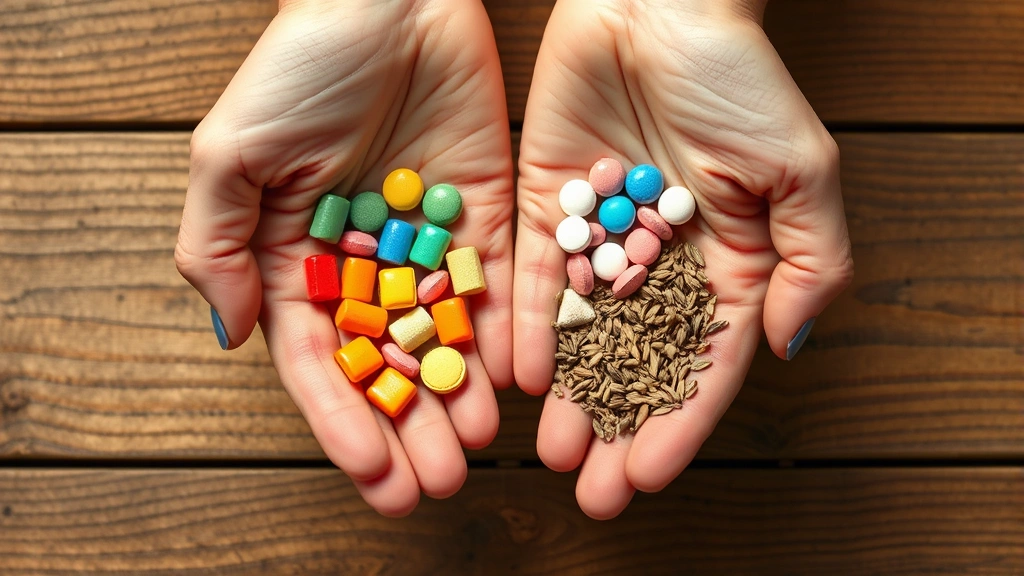
Tums antacids contain calcium carbonate as their primary active ingredient, which chemically neutralizes hydrochloric acid in the stomach. When stomach acid becomes excessive, it creates an environment conducive to bloating, belching, and gas production. By raising the pH level in the stomach, Tums helps reduce acid-related irritation and can minimize gas symptoms in some individuals. The product comes in various formulations, including original strength, extra strength, and ultra strength variants, each containing different concentrations of calcium carbonate.
The mechanism behind how Tums helps with gas involves both direct acid neutralization and indirect symptom relief. When acid irritates the stomach lining, it can trigger increased gas production and bloating sensations. By reducing acidity, Tums alleviates these secondary symptoms. However, it’s important to note that Tums doesn’t prevent gas production itself—it addresses the acidic environment that exacerbates gas-related discomfort. For comprehensive digestive health, many sustainability-minded consumers explore complementary approaches like reducing your environmental footprint in all lifestyle choices, including dietary adjustments that minimize gas formation naturally.
Key active ingredient: Calcium carbonate (35.4% to 42% depending on formulation). Additional components: Dextrose, talc, mineral oil, corn starch, glyceryl monostearate, povidone, and various colorants. Each ingredient carries its own environmental and ethical considerations during extraction, processing, and manufacturing.
Manufacturing and Environmental Impact
The production of Tums involves multiple manufacturing stages, each with distinct environmental implications. Calcium carbonate, the core ingredient, is extracted through mining limestone and chalk deposits. This extraction process generates significant environmental concerns, including habitat disruption, water consumption, and carbon emissions from mining operations and transportation. Pfizer, the manufacturer of Tums, operates numerous facilities worldwide, and the cumulative energy demands of producing millions of tablets annually contribute measurably to industrial carbon footprints.
Manufacturing facilities require substantial energy inputs for tablet compression, coating, and packaging operations. According to EPA sustainability guidelines, pharmaceutical manufacturing ranks among energy-intensive industrial sectors. The chemical processing required to refine calcium carbonate and combine it with binding agents, flowing agents, and colorants demands thermal energy, often sourced from fossil fuels in conventional facilities. Modern pharmaceutical plants increasingly adopt renewable energy sources, but the extent of Tums manufacturing facilities utilizing wind, solar, or hydroelectric power remains limited in publicly available sustainability reports.
Water usage represents another critical environmental metric in antacid production. Pharmaceutical manufacturing typically requires substantial water for cooling systems, processing, and quality control testing. Water contamination risks exist when processing chemical compounds, though regulated pharmaceutical facilities must comply with stringent wastewater treatment standards. The intersection of these manufacturing realities with genuine sustainable energy solutions remains an ongoing challenge for the industry.
Carbon emissions from production: While Pfizer publishes corporate sustainability reports, specific emissions data for Tums production lines isn’t publicly disaggregated. However, the pharmaceutical sector averages approximately 5-7 kg of CO2 per kilogram of product manufactured, suggesting a single Tums tablet generates roughly 0.5-0.8 grams of CO2 during production.
Packaging Sustainability Analysis
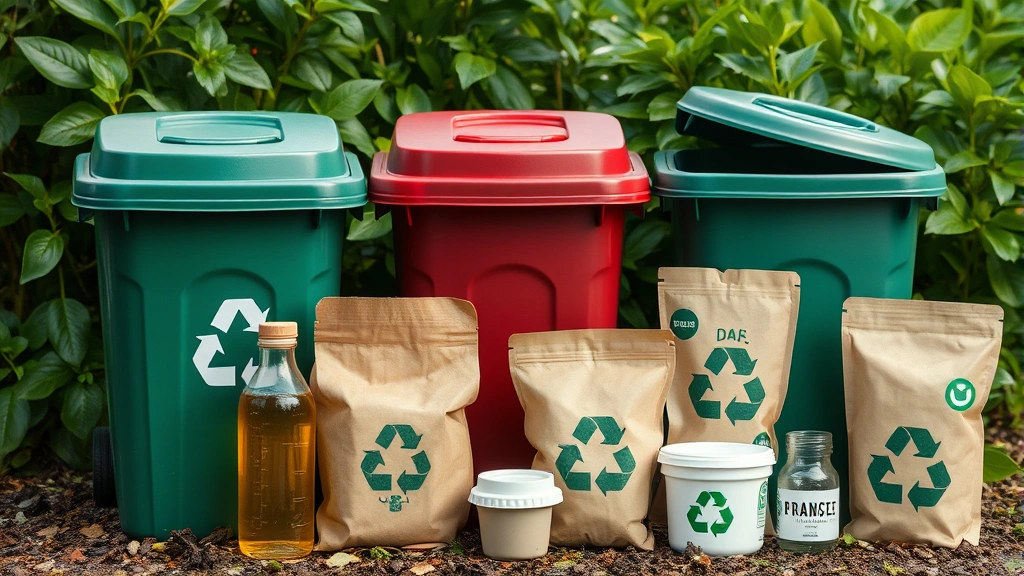
Tums packaging presents a mixed sustainability picture. Traditional Tums bottles utilize plastic (typically polyethylene terephthalate or PET), which is recyclable but requires consumer participation in proper disposal. The iconic antacid roll format uses aluminum foil backing with plastic film, presenting additional recycling complexity since these materials are bonded together. Separating foil from plastic requires specialized facilities, and most consumers dispose of these combined packages in regular trash, resulting in landfill accumulation.
The environmental cost of packaging often exceeds the cost of the product itself when measured by weight and material impact. A single Tums container might contain 150 tablets but generates packaging waste that persists in ecosystems for decades. Aluminum, while infinitely recyclable, requires significant energy to produce initially—approximately 95% more energy than recycled aluminum. Pfizer has made commitments toward reducing packaging, but progress remains incremental compared to some competitors in the consumer health space.
Recent Tums packaging iterations have incorporated slightly higher recycled content percentages, though exact specifications vary by region and product line. The brand has not yet committed to compostable or completely biodegradable packaging alternatives, which represent the most environmentally progressive options currently available. Comparing Tums’ packaging sustainability to alternatives reveals that many eco-conscious consumers must choose between pharmaceutical effectiveness and packaging impact—a tension that underscores the broader challenge of sustainable healthcare products.
Ingredient Sourcing and Ethical Concerns
Beyond manufacturing processes, ingredient sourcing raises important sustainability and ethical questions. Calcium carbonate sourcing involves mining operations that can impact local ecosystems, water resources, and indigenous communities. While Pfizer maintains supplier standards, transparency regarding specific mining locations and environmental compliance practices remains limited in publicly available documentation.
Talc, present in many Tums formulations, has faced increasing scrutiny regarding both health and environmental concerns. Mining talc generates dust and particulate emissions affecting air quality in surrounding regions. Additionally, talc mining can disturb geological formations and create long-term landscape alterations. The ethical sourcing of talc becomes particularly important when considering that mining communities often experience disproportionate environmental burden relative to economic benefits.
Corn starch, another component, raises questions about agricultural sustainability. Depending on sourcing, corn production might involve conventional monoculture farming with associated pesticide use, water depletion, and soil degradation. Conversely, organic or regeneratively-sourced corn represents a more sustainable alternative, though Tums doesn’t specify sourcing practices for this ingredient. The broader agricultural systems supporting pharmaceutical ingredient supply chains deserve greater transparency and accountability.
Mineral oil, derived from petroleum refining, represents a fossil fuel-dependent ingredient. As the world transitions toward renewable energy and reduced fossil fuel dependency, the continued inclusion of petroleum-derived ingredients in consumer health products exemplifies the persistence of carbon-intensive supply chains. Exploring whether natural gas advantages extend to pharmaceutical manufacturing reveals that even seemingly cleaner energy alternatives still perpetuate fossil fuel dependency rather than advancing toward truly renewable systems.
Comparing Eco-Friendly Alternatives
For consumers prioritizing environmental impact alongside digestive health, several alternatives merit consideration. Natural antacids utilizing plant-based ingredients, including ginger, fennel, and slippery elm, offer gas relief with minimal environmental footprint. These botanicals can be sourced from sustainable suppliers and packaged in compostable materials, though efficacy varies compared to pharmaceutical-grade calcium carbonate.
Probiotics and fermented foods represent another category of eco-friendly alternatives for gas management. Supporting digestive health through beneficial bacteria reduces reliance on antacids altogether. Sustainably-sourced fermented vegetables, kombucha, and probiotic supplements from ethical manufacturers minimize environmental impact while potentially addressing root causes of excessive gas production. This preventive approach aligns with broader green technology innovations philosophy of addressing problems upstream rather than managing symptoms downstream.
Calcium carbonate antacids from smaller manufacturers prioritizing sustainability represent another option. Some brands source calcium carbonate from sustainably-managed limestone operations and utilize recyclable or compostable packaging. While these products might cost more, the environmental premium reflects true sustainability commitments rather than greenwashing.
Lifestyle modifications offer the most eco-friendly approach to gas management. Dietary adjustments reducing foods that trigger gas production, stress management practices improving digestive function, and eating pattern modifications create systemic improvements without pharmaceutical intervention. This holistic approach eliminates packaging waste, manufacturing emissions, and ingredient sourcing concerns entirely, representing the ultimate in sustainable gas relief.
Corporate Sustainability Commitments
Pfizer, as a multinational pharmaceutical corporation, has published sustainability commitments addressing environmental impact, responsible sourcing, and climate goals. The company pledges to achieve net-zero greenhouse gas emissions by 2050, with interim targets for 2030. However, these commitments apply to the entire Pfizer portfolio, and disaggregated sustainability metrics specific to Tums production remain unavailable to consumers.
The company has committed to reducing plastic packaging and increasing recycled content, though timelines and specific targets for consumer health products like Tums lack specificity. Pfizer also publishes responsible sourcing standards for suppliers, including environmental compliance requirements and labor practice standards. However, third-party verification of compliance and transparency regarding enforcement mechanisms remain limited.
Comparing Pfizer’s sustainability initiatives to smaller pharmaceutical manufacturers reveals disparities in transparency and ambition. Larger corporations benefit from economies of scale that could enable rapid sustainability improvements, yet bureaucratic structures sometimes slow implementation. Conversely, smaller manufacturers often demonstrate greater agility in adopting sustainable practices, though they may lack resources for comprehensive environmental management systems.
Consumers interested in supporting pharmaceutical companies demonstrating genuine sustainability leadership can research corporate environmental reports, third-party certifications, and independent sustainability ratings. Organizations like the Sustainalytics platform provide comparative environmental performance data for major corporations, enabling informed purchasing decisions aligned with personal sustainability values.
Consumer Actions for Greener Choices
Making sustainable choices regarding antacid use requires intentional decision-making across multiple dimensions. First, consumers should honestly assess whether antacid use represents necessary symptom management or habitual over-the-counter medication. Reducing consumption through dietary modifications and lifestyle changes automatically minimizes environmental impact. Evaluating whether advantages of electric vehicles and other sustainability measures extend equally to personal healthcare choices reveals that comprehensive environmental responsibility encompasses all consumer decisions.
When antacid use remains necessary, consumers can prioritize eco-friendly alternatives through several strategies. Research manufacturers’ sustainability commitments and request transparency regarding ingredient sourcing and manufacturing practices. Support brands demonstrating genuine environmental accountability through third-party certifications and transparent reporting. Properly recycle or compost packaging materials according to local waste management guidelines, understanding that individual recycling efforts remain insufficient without systemic change in packaging design.
Advocating for pharmaceutical industry sustainability improvements represents another crucial consumer action. Contacting manufacturers requesting sustainable packaging alternatives, engaging with corporate sustainability initiatives, and supporting policy changes promoting pharmaceutical industry environmental accountability creates collective pressure for systemic change. Consumer demand directly influences corporate decision-making, and sustainability-conscious purchasing patterns signal market preferences that manufacturers increasingly recognize.
Exploring preventive health approaches addresses gas and indigestion at root causes rather than managing symptoms pharmacologically. Dietary experimentation identifying personal trigger foods, stress management practices supporting digestive health, eating slowly and mindfully, and staying adequately hydrated represent foundational approaches reducing reliance on antacids. These behavioral modifications cost nothing environmentally and often improve overall health outcomes beyond symptom relief.
Documentation of personal antacid use patterns helps identify whether consumption reflects genuine medical need or habit. Many people use antacids prophylactically before meals or stress, when dietary modifications might prevent symptoms entirely. Tracking when antacids prove necessary versus discretionary enables informed decisions about actual consumption requirements versus habitual overuse.
Frequently Asked Questions
Can Tums help with gas symptoms?
Yes, Tums can provide temporary relief from gas-related discomfort by neutralizing excess stomach acid that exacerbates bloating and belching. However, Tums doesn’t prevent gas production itself—it addresses the acidic environment that intensifies gas-related symptoms. For persistent gas issues, identifying dietary triggers and making dietary modifications typically proves more effective long-term than relying on antacids.
Are Tums bottles recyclable?
Yes, Tums plastic bottles are typically made from PET (polyethylene terephthalate) and are accepted in most curbside recycling programs. However, the foil-backed roll format presents recycling challenges since bonded foil and plastic require specialized separation processes. Check local recycling guidelines, as some facilities cannot process foil-backed pharmaceutical packaging.
What’s the most eco-friendly antacid alternative?
Lifestyle modifications preventing gas production represent the most eco-friendly approach. For pharmaceutical alternatives, natural antacids containing ginger, fennel, or slippery elm sourced from sustainable suppliers and packaged in compostable materials offer lower environmental impact than conventional Tums. Probiotics and fermented foods supporting digestive health provide another sustainable option.
Does Pfizer publish detailed sustainability reports for Tums?
Pfizer publishes corporate sustainability reports addressing the entire company portfolio, but disaggregated environmental data specific to Tums production isn’t publicly available. Consumers interested in detailed environmental impact metrics should contact Pfizer directly requesting product-specific sustainability information.
What ingredients in Tums raise environmental concerns?
Calcium carbonate mining impacts local ecosystems and water resources. Talc mining generates air pollution and landscape disruption. Mineral oil represents fossil fuel-dependent ingredients. Corn starch may come from conventionally-farmed sources using pesticides and water-intensive practices. These ingredients collectively contribute to Tums’ environmental footprint.
How can consumers advocate for more sustainable antacids?
Contact manufacturers requesting sustainable packaging, support brands demonstrating environmental commitment, participate in corporate sustainability feedback initiatives, and engage with policy advocacy promoting pharmaceutical industry environmental responsibility. Consumer demand directly influences corporate sustainability priorities and innovation investment.
Is it better to use natural antacids or lifestyle modifications?
Lifestyle modifications represent the most effective long-term approach, addressing gas root causes rather than managing symptoms. Dietary adjustments, stress management, and eating pattern modifications often eliminate antacid need entirely. When pharmaceutical intervention remains necessary, natural antacids offer lower environmental impact than conventional options.


