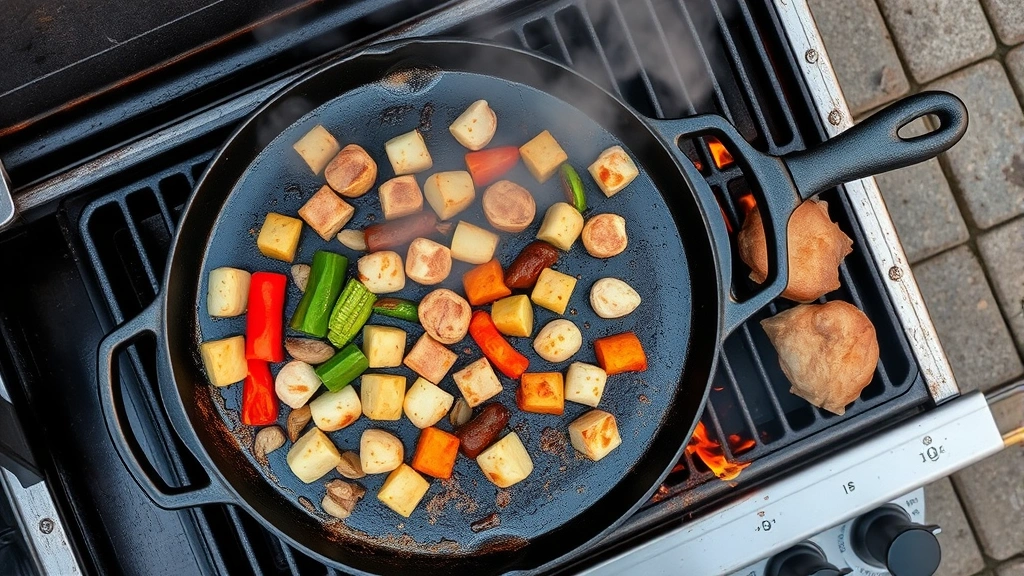
Perfect Cast Iron Griddle for Gas Grill: Chef’s Choice Guide
Cast iron griddles have become the gold standard for outdoor cooking enthusiasts, particularly when paired with gas grills. Their exceptional heat retention, durability, and versatility make them indispensable tools for any serious cook. Whether you’re searing vegetables, cooking pancakes for a crowd, or preparing fajitas, a quality cast iron griddle transforms your gas grill into a multi-functional cooking powerhouse. This comprehensive guide explores everything you need to know about selecting, using, and maintaining the perfect cast iron griddle for your gas grill setup.
The intersection of traditional cast iron cookware and modern gas grilling represents an elegant solution for outdoor cooking. Cast iron’s ability to distribute heat evenly and maintain consistent temperatures complements the precise control offered by gas grills. Unlike charcoal alternatives, gas grills provide cleaner, more efficient fuel options, making them an increasingly popular choice for environmentally conscious homeowners. When combined with a quality cast iron griddle, you create a cooking system that maximizes fuel efficiency while delivering restaurant-quality results.
Why Cast Iron Griddles Excel on Gas Grills
Cast iron griddles represent one of the most sustainable cooking investments you can make. Unlike disposable or short-lived cookware, a quality cast iron griddle can last generations with proper care. The material’s thermal properties create an ideal partnership with gas grills, which offer precise temperature control and immediate heat adjustment. Cast iron acts as a thermal buffer, distributing heat evenly across its surface and preventing hot spots that plague other griddle materials.
The synergy between cast iron and gas grills stems from fundamental physics. Gas burners generate intense, direct heat that cast iron absorbs and redistributes uniformly. This characteristic makes cast iron griddles superior for cooking delicate items like fish or thin-sliced vegetables that would otherwise burn unevenly. Additionally, cast iron’s dark surface absorbs and retains radiant heat, creating a cooking environment that mimics traditional flat-top ranges found in professional kitchens.
From a sustainability perspective, choosing cast iron aligns with reducing your environmental footprint through durable goods. Cast iron griddles require no replacement parts, batteries, or electrical components. They’re manufactured from abundant, recyclable materials and can be refurbished indefinitely. This longevity directly contrasts with modern non-stick griddles that degrade within years and contribute to landfill waste.
Sizing Your Cast Iron Griddle Correctly
Selecting the appropriate size cast iron griddle depends on your specific grill dimensions and cooking needs. Most quality griddles range from 16 to 20 inches in width, designed to fit standard gas grill cooking grates. Before purchasing, measure your grill’s cooking surface and account for burner placement. The griddle should rest on the grates with adequate airflow around its edges to ensure proper heat circulation.
Consider your typical cooking volume when determining griddle size. Smaller griddles (14-16 inches) work well for couples or small families, offering sufficient space for 4-6 servings. Medium griddles (17-18 inches) accommodate family dinners and small gatherings. Larger griddles (19-20 inches) suit frequent entertainers and those cooking for groups regularly. Remember that a griddle covering your entire grill surface restricts heat control and airflow, so leaving 2-3 inches of exposed grate on each side is ideal.
Weight is another critical sizing consideration. Cast iron’s density means larger griddles can weigh 20-30 pounds. Ensure your grill’s frame can support this weight comfortably. Most modern gas grills accommodate cast iron griddles without issue, but older models may require reinforcement or alternative placement strategies.
Material Quality and Construction Standards
Not all cast iron is created equal. Two primary types dominate the market: vintage smooth-finish cast iron and modern textured cast iron. Vintage pieces, often sourced from estate sales or antique dealers, feature exceptionally smooth cooking surfaces that develop superior non-stick properties over time. These griddles, manufactured before the 1950s primarily, represent the pinnacle of cast iron craftsmanship and command premium prices.
Modern cast iron griddles manufactured by reputable companies offer excellent value and consistent quality. Brands like Lodge, Field Company, and Smithey produce griddles meeting exacting standards. Modern pieces feature slightly textured surfaces that season effectively while requiring less maintenance than vintage counterparts. The manufacturing process ensures uniform thickness throughout, promoting even heat distribution.
When evaluating cast iron griddles, inspect for manufacturing defects such as cracks, warping, or uneven surfaces. Run your hand across the cooking surface to assess smoothness. Check the underside for proper gate construction and weight distribution. Purchase from established retailers or verified sellers offering return policies, ensuring you receive undamaged merchandise.
The environmental impact of fuel sources extends to cooking equipment durability. By selecting quality cast iron griddles built to last, you reduce the cumulative environmental cost of replacing inferior products repeatedly.
Heat Distribution and Performance Metrics
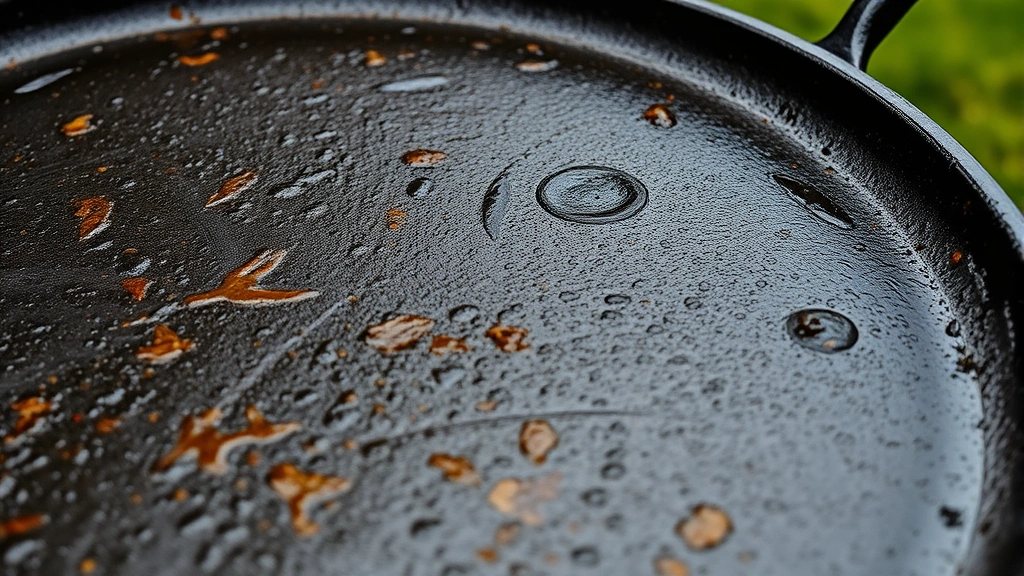
Cast iron’s thermal conductivity makes it exceptional for achieving consistent cooking temperatures. The material conducts heat at approximately 50 watts per meter-Kelvin, considerably higher than stainless steel but lower than copper. This balanced conductivity prevents rapid temperature fluctuations while avoiding excessive heat concentration in localized areas.
When placed on gas grill grates, a cast iron griddle reaches optimal cooking temperature within 10-15 minutes. The mass of the iron absorbs heat from burners below and radiates it across the entire surface. This thermal stability means you can maintain precise cooking temperatures without constant adjustment, reducing fuel consumption and improving cooking consistency.
Professional chefs prefer cast iron griddles for searing applications because the material retains sufficient heat even when cold food contacts the surface. This property prevents the temperature drop that occurs with thinner materials, ensuring proper browning and flavor development through the Maillard reaction. The griddle’s ability to recover quickly to optimal temperatures makes it ideal for batch cooking, where multiple items require sequential preparation.
Cast iron griddles also excel at temperature gradients. By adjusting burner settings, you can create zones of varying temperatures on a single griddle. This capability enables simultaneous cooking of items requiring different heat levels—searing proteins on high-heat areas while gently warming vegetables in cooler zones.
Seasoning and Maintenance Protocols
Proper seasoning transforms cast iron into naturally non-stick cookware without toxic coatings. Seasoning involves applying thin layers of oil and heating them until they polymerize, creating a protective barrier. This process builds over time through regular cooking and intentional seasoning sessions.
For new cast iron griddles, begin with thorough cleaning using hot water and a stiff brush to remove manufacturing residue. Dry completely with paper towels or cloth. Apply a thin, even coat of high-smoke-point oil (vegetable, canola, or grapeseed oil work well) using a cloth. Wipe away excess oil until the surface appears almost dry—excess oil creates sticky, gummy buildup rather than protective seasoning.
Bake the oiled griddle on your gas grill at 400-450°F for 30-60 minutes. The heat polymerizes the oil, creating a durable coating. Remove the griddle (using heat-proof gloves), allow it to cool, and repeat this process 3-4 times to establish a solid seasoning foundation. Each cooking session adds to the seasoning, gradually developing deeper, darker patina.
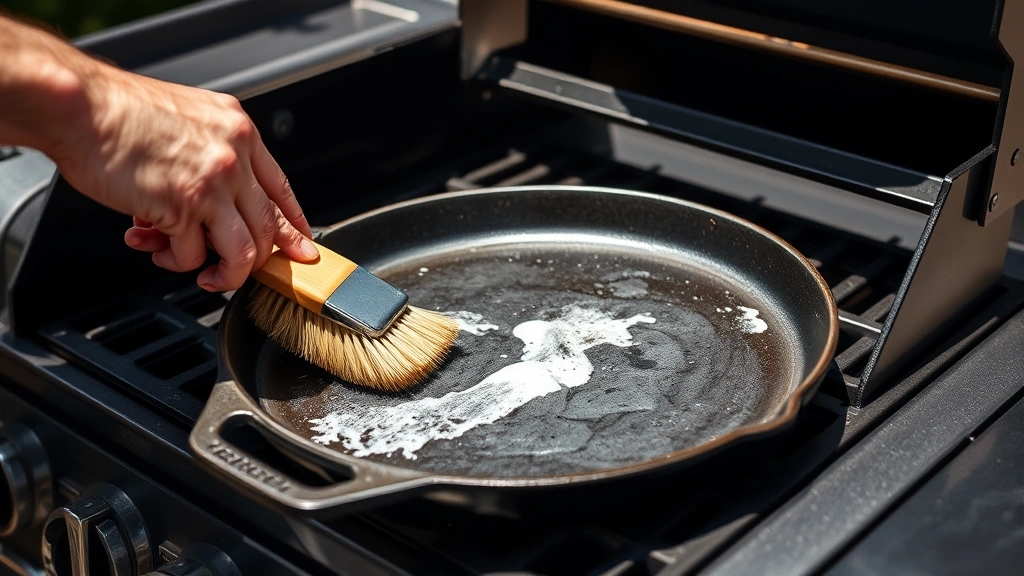
Maintenance between uses is straightforward. While the griddle is still warm (but safe to handle), scrape away food debris using a grill brush or steel scraper. Wipe clean with paper towels. For stubborn residue, apply coarse salt and scrub with an oiled cloth—the salt acts as an abrasive without damaging the seasoning. Never use soap, as it strips away protective oils. Store the griddle in a dry location; moisture promotes rust.
Seasonal deep cleaning involves heating the griddle on your grill, scrubbing thoroughly with a grill brush, and applying a fresh coat of oil. This maintenance routine keeps your griddle in peak condition indefinitely, embodying the sustainability principle of caring for quality tools.
Top Features for Gas Grill Compatibility
When selecting a cast iron griddle specifically for gas grills, certain features enhance compatibility and performance. Griddles with sloped surfaces on one or two sides facilitate easy food removal and sauce draining. The slope directs juices and excess oil toward collection areas, preventing pooling and promoting even cooking.
Handles are essential for safety and maneuverability. Quality griddles feature sturdy handles positioned to allow secure gripping with heat-proof gloves. Some griddles incorporate handles on both short ends, enabling easier removal from hot grill grates. Handles should be proportioned to the griddle’s weight and your physical capability—oversized griddles with small handles create hazardous situations.
Flat bottoms are crucial for gas grills. Griddles must sit flush against grates to ensure proper heat contact. Warped or uneven bottoms create air gaps that compromise heat distribution and stability. Before purchasing, inspect the griddle’s underside for flatness by placing it on a flat surface and checking for rocking or gaps.
Thickness consistency throughout the griddle ensures uniform heat distribution. Quality griddles maintain consistent thickness from edges to center, preventing warping and hot spots. Thicker griddles (approximately 3/8 inch) provide superior heat retention and durability compared to thinner alternatives.
The connection between sustainable cooking practices and efficient equipment becomes evident when examining griddle features. Properly designed griddles maximize heat transfer efficiency, reducing overall fuel consumption and environmental impact.
Cooking Techniques and Best Practices
Cast iron griddles enable cooking techniques impossible on traditional grill grates. Flat surfaces accommodate delicate items like fish fillets, eggs, and pancakes that would fall through standard grates. The consistent heat makes griddles ideal for stir-frying, allowing you to prepare Asian-inspired dishes outdoors with authentic wok-like heat distribution.
Proper preheating is essential for optimal results. Heat your griddle for 10-15 minutes on medium-high heat before cooking. Test temperature readiness by sprinkling water droplets on the surface—they should dance and evaporate immediately, indicating sufficient heat. This preheating ensures even cooking and proper browning through the Maillard reaction.
Oil application technique significantly impacts results. Use minimal oil—just enough to prevent sticking. Excessive oil creates smoke and uneven cooking. For high-heat searing, apply oil immediately before adding food. For lower-temperature cooking, apply oil during preheating so it polymerizes slightly, creating a non-stick surface.
Batch cooking on griddles requires patience and proper sequencing. Start with items requiring the highest heat and longest cooking time. As items finish, push them to cooler zones and add new items to hot areas. This workflow maximizes griddle utility and ensures nothing overcooks while waiting for other items to complete.
Temperature management is critical. Most gas grills allow independent burner control, enabling creation of temperature zones. Utilize these capabilities by running some burners on high while others remain on medium, creating distinct cooking areas. This approach dramatically expands the range of foods you can prepare simultaneously.
Environmental Impact and Sustainability
Selecting a cast iron griddle represents a conscious choice toward sustainable living. Cast iron production requires iron ore, limestone, and coke—abundant, widely available materials. The manufacturing process, while energy-intensive initially, distributes across decades of use, making the per-use environmental cost minimal.
Unlike non-stick cookware containing perfluorinated compounds (PFOA and PTFE), cast iron griddles pose no chemical concerns. These synthetic coatings degrade over time, releasing particles into food and the environment. Cast iron’s natural seasoning eliminates this risk entirely, making it a healthier choice for your family and the planet.
The longevity factor cannot be overstated. A single cast iron griddle used for 50+ years represents one purchase versus dozens of inferior griddles requiring replacement every 3-5 years. This durability dramatically reduces manufacturing waste, transportation emissions, and landfill contributions. Each cast iron griddle purchased is an investment in reducing consumption and waste.
Gas grills themselves offer environmental advantages when compared to charcoal alternatives. The EPA recognizes natural gas as a cleaner-burning fuel producing fewer emissions and particulates than charcoal. Pairing gas grills with efficient cast iron griddles optimizes this environmental benefit by reducing fuel consumption through superior heat distribution and retention.
Consider the sourcing of your cast iron griddle. Supporting manufacturers committed to responsible production practices amplifies your positive impact. Many quality griddle manufacturers operate facilities with environmental certifications and sustainable practices. Research company commitments to resource conservation and ethical labor practices before purchasing.
Proper maintenance and care extend your griddle’s lifespan indefinitely. By treating your cast iron griddle as a long-term investment rather than a disposable item, you align your cooking practices with sustainable principles. Teach family members proper care techniques, ensuring the griddle can pass to future generations—the ultimate expression of sustainable consumption.
FAQ
Can I use any cast iron griddle on a gas grill?
Most cast iron griddles work on gas grills, but compatibility depends on size and your grill’s design. Measure your cooking surface and ensure the griddle fits with adequate clearance. Check weight limits if your grill has a removable cooking surface. Vintage griddles may require adaptation to fit modern grill grate spacing.
How long does seasoning take on a cast iron griddle?
Building initial seasoning takes 3-4 intentional applications (approximately 2-3 hours total time). However, seasoning continues improving with every cooking session. Most griddles develop excellent non-stick properties within 2-4 weeks of regular use. Full seasoning maturity occurs over months and years of consistent use.
What’s the best oil for seasoning cast iron griddles?
High-smoke-point oils work best: vegetable, canola, grapeseed, or avocado oil. Avoid butter, olive oil, or coconut oil—they smoke at lower temperatures and create sticky buildup. Apply oils very thinly; thick applications result in gummy, uneven seasoning rather than protective patina.
Can I use soap to clean my cast iron griddle?
Modern dish soaps are gentler than historical versions and won’t completely strip seasoning if used occasionally. However, hot water and a brush are preferable for regular cleaning. Reserve soap for occasional deep cleaning when heavy residue accumulates. Always dry thoroughly and apply a light oil coating after washing.
How do I prevent rust on my cast iron griddle?
Moisture causes rust, so thorough drying after cleaning is essential. Store your griddle in a dry location, ideally indoors during off-season months. Apply a light oil coating before extended storage. If rust develops, scrub with a steel wool pad and re-season the affected area.
What temperature should I preheat my cast iron griddle to?
Most cooking requires preheating to 350-450°F, depending on your recipe. Delicate foods like fish need 350-375°F, while searing proteins requires 425-450°F. Allow 10-15 minutes for full preheating. Test readiness by observing water droplet behavior—they should dance and evaporate immediately.
Can cast iron griddles handle acidic foods?
Acidic foods (tomatoes, vinegar, citrus) can strip seasoning if cooked for extended periods. Use these foods occasionally without concern, but avoid prolonged acidic cooking. Always re-season lightly after cooking acidic dishes. Well-seasoned griddles resist acid better than poorly seasoned ones.
Is cast iron heavy for a gas grill?
Cast iron griddles weigh 20-30 pounds depending on size. Most modern gas grills handle this weight easily, but older models may require reinforcement. Verify your grill’s weight capacity before purchasing. Proper placement distributes weight evenly across grate supports.


