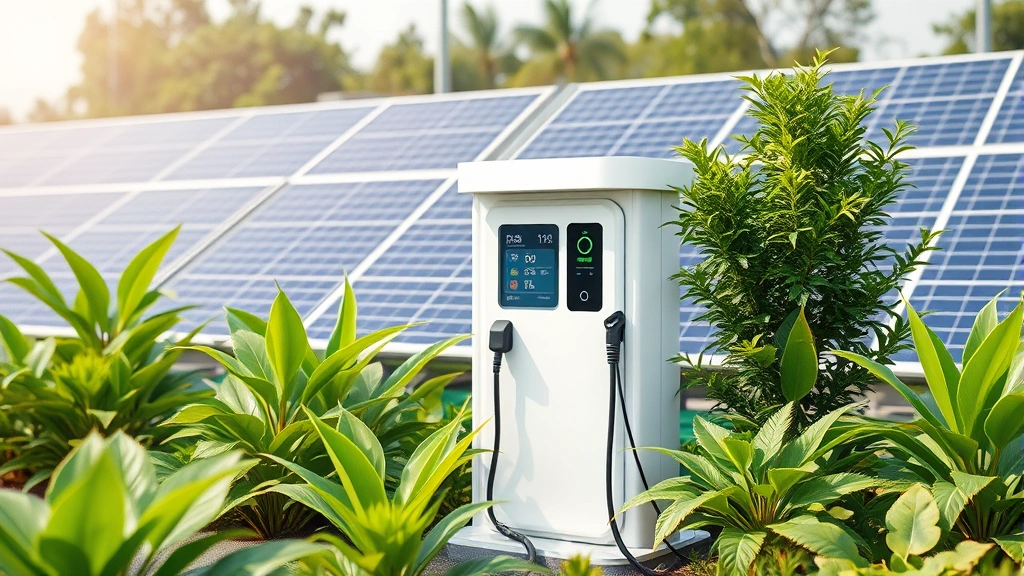
Are Electric Cars Greener? Expert Insights on EV Environmental Impact
The shift toward electric vehicles represents one of the most significant transportation transformations of our time. As climate concerns intensify and governments worldwide implement stricter emissions regulations, electric cars have emerged as the primary solution to reduce transportation-related carbon footprints. However, the question remains: are electric cars truly greener than their gasoline counterparts? This comprehensive analysis examines the lifecycle environmental impact of electric vehicles, comparing them across manufacturing, operation, and end-of-life stages.
Understanding whether electric vehicles deliver genuine environmental benefits requires looking beyond the showroom. While zero tailpipe emissions sound compelling, the complete picture involves examining electricity grid composition, battery production processes, resource extraction, and long-term sustainability metrics. Industry experts, environmental researchers, and automotive manufacturers continue debating the nuances of EV sustainability, making this topic essential for informed consumer decisions and policy development.
The Complete Lifecycle Analysis of Electric Vehicles
Evaluating whether electric vehicles are truly greener requires comprehensive lifecycle assessment (LCA) methodology. This approach examines environmental impacts across four distinct phases: raw material extraction, manufacturing, operational use, and end-of-life recycling. Industry experts from the Environmental Protection Agency emphasize that understanding total environmental burden provides clearer insights than focusing solely on tailpipe emissions.
Research from leading sustainability organizations demonstrates that electric vehicles typically offset their higher manufacturing emissions within 1-3 years of operation, depending on regional electricity grid composition. This breakeven point represents the critical threshold where cumulative environmental benefits surpass the initial production burden. For consumers considering the switch from conventional vehicles, understanding this timeline proves essential for making environmentally responsible decisions.
The comprehensive analysis reveals that electric vehicles powered by renewable energy sources achieve significantly lower lifetime emissions than vehicles powered by fossil fuel-dependent grids. However, even in regions relying on coal and natural gas for substantial portions of electricity generation, electric vehicles still demonstrate environmental advantages over conventional combustion engines when accounting for superior operational efficiency.
Manufacturing Impact and Battery Production
Battery manufacturing represents the most energy-intensive component of electric vehicle production. Modern lithium-ion batteries require careful sourcing of materials including lithium, cobalt, nickel, and manganese. The extraction and processing of these minerals consume significant energy and water resources, raising legitimate environmental concerns about mining operations and their impacts on local ecosystems.
According to research published by environmental organizations studying electric vehicle sustainability metrics, battery production accounts for approximately 30-40% of total manufacturing emissions. However, technological improvements continue reducing these impacts. Battery manufacturers increasingly implement closed-loop recycling systems, renewable energy integration in production facilities, and more efficient extraction techniques that minimize environmental damage.
The automotive industry has made substantial progress improving battery efficiency while reducing material requirements. Newer generation batteries pack more energy density with fewer raw materials, directly decreasing mining impacts and manufacturing emissions. Companies investing in green technology innovations transforming our future demonstrate commitment to reducing production footprints through process optimization and sustainable sourcing practices.
Manufacturing facilities increasingly relocate to regions with renewable energy infrastructure. This strategic decision significantly reduces production emissions, accelerating the environmental payback period for electric vehicles. As manufacturing consolidates in renewable-powered regions, the environmental advantage of electric vehicles over conventional vehicles continues expanding.
Grid Electricity Sources and Regional Variations
The environmental benefit of electric vehicles directly correlates with regional electricity grid composition. In regions powered predominantly by renewable energy sources like hydroelectric, wind, and solar installations, electric vehicles deliver exceptional environmental performance. Conversely, regions relying heavily on coal-fired power plants present more modest environmental advantages, though electric vehicles still outperform conventional vehicles due to superior operational efficiency.
Detailed analysis from the National Renewable Energy Laboratory demonstrates that electric vehicles reduce emissions by 50-70% in renewable-heavy grids compared to conventional vehicles. In coal-dependent regions, emission reductions range from 30-40%, still representing significant environmental improvements. As electricity grids worldwide transition toward renewable energy infrastructure, the environmental advantages of electric vehicles multiply exponentially.
Understanding regional grid composition helps consumers accurately assess their personal environmental impact when considering electric vehicle adoption. For those seeking sustainable energy solutions at home, pairing electric vehicle ownership with residential renewable energy systems creates optimal environmental outcomes. This combined approach maximizes carbon reduction while providing energy independence.
The grid modernization trend accelerates environmental benefits for electric vehicle owners. Battery storage systems, smart grid technologies, and distributed renewable energy generation create increasingly efficient electricity networks. These infrastructure improvements directly enhance the environmental value proposition for electric vehicle adoption across all regions.

Operational Emissions Comparison
During operational phases, electric vehicles demonstrate clear environmental superiority over conventional combustion engines. Electric motors convert approximately 77% of electrical energy into mechanical power, compared to just 12-30% efficiency in internal combustion engines. This dramatic efficiency difference means electric vehicles require substantially less energy to travel equivalent distances.
A typical electric vehicle produces zero direct emissions during operation, eliminating local air pollution that traditional vehicles generate through combustion processes. This benefit proves particularly significant in urban environments where air quality directly impacts public health. Cities implementing how to reduce your environmental footprint initiatives recognize electric vehicles as cornerstone solutions for improving air quality and reducing environmental burden.
Over a vehicle’s typical 150,000-200,000 mile lifespan, electric vehicles generate dramatically fewer emissions than equivalent gasoline vehicles, even accounting for electricity generation. Studies consistently demonstrate 50-70% lifetime emission reductions for electric vehicles compared to conventional vehicles. These substantial reductions represent millions of metric tons of avoided carbon dioxide emissions as electric vehicle adoption accelerates globally.
The operational advantage extends beyond carbon emissions. Electric vehicles eliminate tailpipe pollutants including nitrogen oxides, particulate matter, and volatile organic compounds that contribute to respiratory diseases and environmental degradation. From public health perspectives, electric vehicle adoption represents one of the most effective strategies for reducing transportation-related pollution.
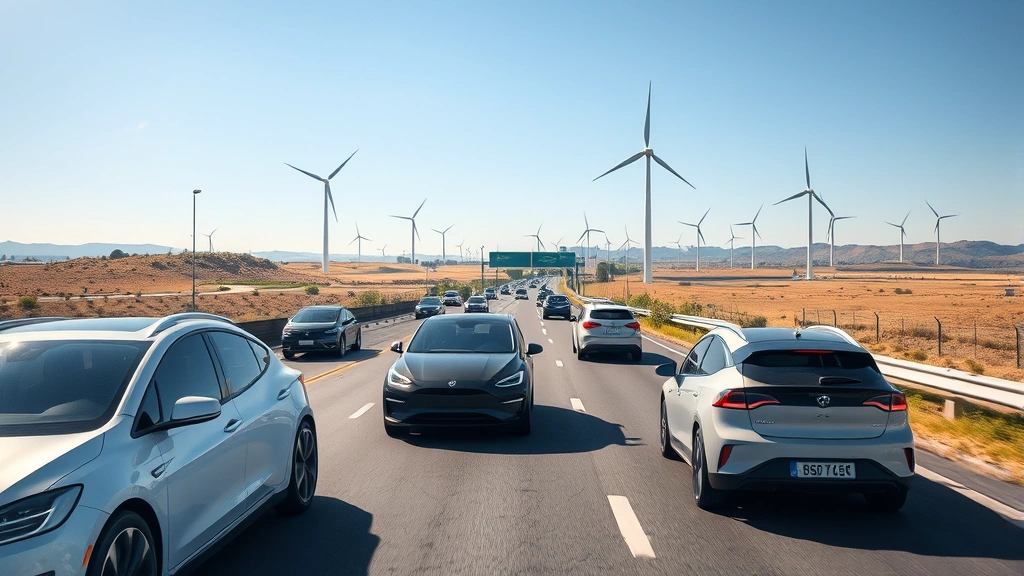
Battery Recycling and Circular Economy
End-of-life battery management represents a crucial component of electric vehicle sustainability. Modern lithium-ion batteries retain 70-80% capacity after typical vehicle lifespans, enabling second-life applications in stationary energy storage systems. This extended utility significantly amplifies the environmental value of battery production investments.
Battery recycling technologies continue advancing, recovering 90-95% of valuable materials including lithium, cobalt, nickel, and copper. These recovered materials re-enter manufacturing cycles, reducing mining demands and associated environmental impacts. Establishing robust recycling infrastructure represents a cornerstone of sustainable electric vehicle development.
The emerging circular economy approach to battery management creates closed-loop systems that minimize waste and maximize resource efficiency. Companies pioneering advantages of electric vehicles sustainability recognize battery recycling as essential for long-term environmental viability. Investment in recycling infrastructure today ensures tomorrow’s electric vehicles achieve even greater environmental benefits through material recovery.
Regulatory frameworks increasingly mandate battery recycling and second-life applications, ensuring responsible end-of-life management. The EPA provides comprehensive guidance on lithium-ion battery recycling, supporting development of standardized processes that maximize environmental benefits while recovering valuable resources.
Cost-Benefit Analysis for Consumers
From financial perspectives, electric vehicles increasingly demonstrate superior long-term value propositions compared to conventional vehicles. While upfront purchase prices remain higher, operational cost savings through reduced fuel expenses and minimal maintenance requirements typically offset premium costs within 5-7 years for average drivers.
Electricity costs per mile traveled typically represent 60-70% savings compared to gasoline fuel costs. Combined with minimal maintenance requirements due to simpler drivetrain mechanics, electric vehicles deliver substantial lifetime cost savings. These financial benefits align with environmental advantages, making electric vehicle adoption economically rational for environmentally conscious consumers.
Government incentives including tax credits, rebates, and preferential registration fees further improve economic viability for electric vehicle adoption. These programs accelerate transition timelines while making environmentally responsible choices more accessible across income levels. Consumers researching SustainWise Hub Blog articles discover comprehensive guidance on leveraging available incentives for electric vehicle purchases.
Total cost of ownership analyses consistently demonstrate economic advantages for electric vehicles over conventional vehicles across various driving patterns and regional electricity rates. As battery costs continue declining and charging infrastructure expands, economic advantages further favor electric vehicle adoption.
Future Improvements and Emerging Technologies
Solid-state battery technology promises revolutionary improvements in energy density, charging speeds, and manufacturing efficiency. These next-generation batteries will dramatically reduce material requirements while enabling faster charge times and extended range capabilities. Commercialization of solid-state batteries within the next 5-10 years will substantially enhance electric vehicle environmental performance.
Advances in battery chemistry focus on eliminating cobalt and reducing nickel requirements, addressing primary environmental and ethical concerns associated with current manufacturing practices. Research into sodium-ion and lithium-iron-phosphate technologies demonstrates viability of cobalt-free alternatives with comparable performance characteristics and reduced environmental impact.
Renewable energy infrastructure expansion directly amplifies electric vehicle environmental benefits. As solar, wind, and hydroelectric generation increase globally, electric vehicles become progressively greener. This positive feedback loop ensures electric vehicle environmental advantages accelerate as energy infrastructure transitions toward sustainability.
Emerging autonomous electric vehicle technologies promise additional efficiency improvements through optimized routing, reduced energy consumption, and shared mobility models. When combined with renewable energy systems, autonomous electric fleets represent potentially transformative solutions for sustainable transportation infrastructure.
For those exploring energy alternatives, understanding advantages of natural gas provides context for comparing various fuel options. While natural gas offers certain advantages for specific applications, electric vehicles continue demonstrating superior environmental performance across most transportation scenarios.
FAQ
Are electric cars truly zero-emission vehicles?
Electric vehicles produce zero tailpipe emissions during operation, but their total environmental impact depends on electricity grid composition. In regions powered by renewable energy, electric vehicles approach true zero-emission status. In fossil fuel-dependent grids, electric vehicles still reduce emissions by 30-70% compared to conventional vehicles due to superior efficiency.
How long until an electric vehicle’s production emissions are offset?
Typically, electric vehicles offset manufacturing emissions within 1-3 years of operation, depending on regional electricity grid composition and driving patterns. This relatively short payback period demonstrates that electric vehicles deliver environmental benefits throughout their operational lifespans.
What happens to electric vehicle batteries at end-of-life?
Modern batteries retain sufficient capacity for second-life applications in stationary energy storage systems. After this extended use, batteries enter recycling processes recovering 90-95% of valuable materials. These recovered materials reduce future mining demands and associated environmental impacts.
Are electric vehicles more expensive than conventional vehicles?
While upfront purchase prices remain higher, electric vehicles typically deliver superior lifetime value through reduced fuel and maintenance costs. Government incentives further improve economic viability, making electric vehicles financially competitive with conventional vehicles across most scenarios.
What about mining impacts for battery materials?
Battery material mining creates legitimate environmental concerns requiring responsible practices. Industry improvements including closed-loop recycling, renewable energy integration, and alternative battery chemistries continue reducing mining impacts. Emerging technologies promise further reductions in material requirements and environmental burden.
Do electric vehicles work in cold climates?
Modern electric vehicles perform well in cold climates, though cold temperatures temporarily reduce range by 20-40%. Preconditioning features and improved battery thermal management continue enhancing cold-weather performance. For most cold-climate users, electric vehicles remain practical and environmentally superior to conventional vehicles.


