E310 vs E325 Gas Grill: Which is the Eco-Conscious Choice?
When selecting a gas grill for your outdoor cooking space, the decision between the E310 and E325 models extends beyond simple price comparisons. Both grills represent significant investments in your home’s outdoor infrastructure, and understanding their environmental implications, efficiency ratings, and long-term sustainability impact is crucial for eco-conscious consumers. This comprehensive analysis examines every aspect of these popular Napoleon grills to help you make an informed decision that aligns with your values and lifestyle.
The grilling industry has evolved considerably, with manufacturers increasingly focusing on fuel efficiency and reduced emissions. Whether you’re a casual weekend griller or someone who entertains frequently, the choice between these two models will influence your household’s energy consumption and environmental footprint for years to come. We’ll explore the technical specifications, performance metrics, durability factors, and sustainability considerations that set these grills apart.
Key Specifications Comparison
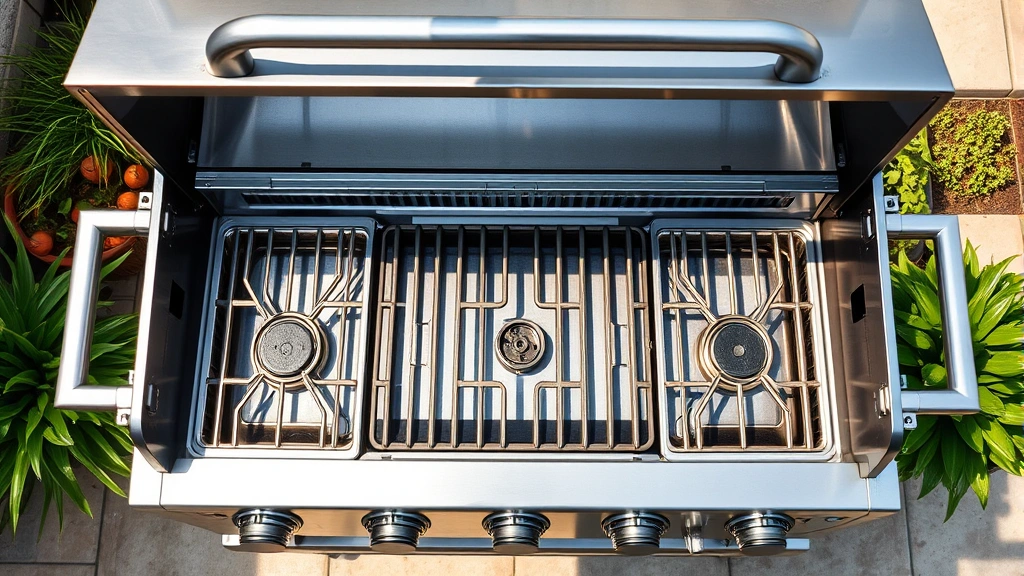
The E310 and E325 are both part of Napoleon’s Prestige line, yet they differ in several important ways. The E310 features a cooking area of 440 square inches with three stainless steel main burners, while the E325 expands to 550 square inches of cooking space with four main burners. Understanding these baseline differences helps establish the foundation for your decision-making process.
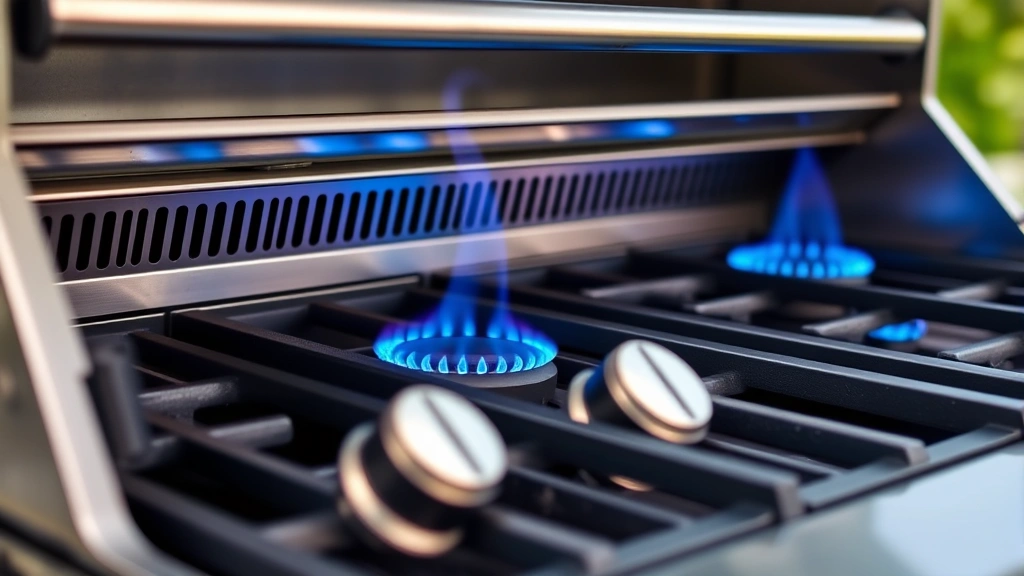
The E310 produces approximately 38,000 BTU (British Thermal Units) of heat output across its three burners, offering 12,667 BTU per burner. The E325, conversely, generates around 48,000 BTU total with four burners producing 12,000 BTU each. While the E325 provides more total heat output, both models maintain relatively consistent BTU distribution, which contributes to more even cooking temperatures across the grill surface. This consistency is particularly important for fuel efficiency, as uneven heat distribution can lead to wasted energy and longer cooking times.
Both models include a side burner, which adds versatility for warming sauces or preparing side dishes without monopolizing main grill space. The E310’s side burner produces 12,000 BTU, while the E325 matches this output. This feature becomes especially relevant when considering your overall energy consumption during entertaining, as side burners can reduce the need to use your kitchen stove simultaneously.
Cooking Surface Areas:
- E310: 440 square inches main cooking area
- E325: 550 square inches main cooking area
- Difference: 110 additional square inches (25% increase)
The additional cooking space on the E325 proves valuable for larger gatherings, but it also means more surface area requiring heat, which impacts overall fuel consumption. For smaller households or those entertaining fewer people, the E310’s more compact design may offer superior efficiency.
Heating Performance and Efficiency
Fuel efficiency represents a cornerstone of sustainable grilling practices. When evaluating the E310 versus E325, understanding how each model utilizes propane or natural gas is essential. The E310’s smaller cooking surface requires less energy to reach target temperatures, potentially translating to lower fuel consumption for typical cooking sessions.
Modern gas grills employ infrared technology and improved insulation to maximize heating efficiency. Both the E310 and E325 feature stainless steel construction that helps retain heat effectively. The E310’s more compact chamber means less air volume to heat, providing faster preheat times—typically reaching 500°F in approximately 10-12 minutes. The E325 requires slightly longer preheat periods due to its larger volume, though the difference is marginal.
Temperature consistency across the cooking surface directly impacts food quality and cooking time. Uneven heating forces cooks to move food frequently, extending overall cooking duration and wasting fuel. Both models incorporate Napoleon’s proven burner design that distributes heat evenly, minimizing hot and cold spots. Independent testing by Consumer Reports has validated the superior heat distribution of Napoleon’s premium lines compared to budget alternatives.
For those interested in understanding broader energy consumption patterns, exploring advantages of natural gas provides context for why natural gas grills remain popular among sustainability-focused consumers compared to charcoal alternatives. Natural gas produces approximately 30% fewer emissions than charcoal grilling when considering the complete lifecycle.
The E310’s efficiency advantage becomes most apparent during shoulder-season cooking when you’re grilling in cooler temperatures. Its smaller volume heats more quickly and maintains temperature with less fuel input. Conversely, the E325 excels during high-volume entertaining scenarios where maximizing cooking capacity reduces the number of cooking sessions needed.
Build Quality and Durability
Durability directly correlates with sustainability—a grill that lasts 15-20 years produces far less environmental impact than one requiring replacement every 5-7 years. Both the E310 and E325 employ premium materials designed for longevity, but subtle differences exist in their construction approaches.
The E310 features a 304-grade stainless steel cooking box with a powder-coated steel exterior. This combination provides excellent corrosion resistance in most climates. The E325 upgrades to a heavier-gauge 304-grade stainless steel construction throughout, offering enhanced durability in harsh coastal environments or areas with significant temperature fluctuations.
Cast iron grates appear on both models, providing superior heat retention and distinctive grill marks. However, cast iron requires regular seasoning and maintenance to prevent rust—a consideration for long-term ownership. Both models include stainless steel flavorizer bars that protect the burners while distributing heat and vaporizing drippings for added flavor.
The warranty coverage reflects manufacturer confidence in durability. The E310 typically includes a 10-year warranty on the firebox and 5 years on other components. The E325 extends these warranties, offering 15-year firebox coverage and 10 years on burners, suggesting Napoleon’s assessment of the E325’s superior build quality. Extended warranties reduce replacement frequency, supporting sustainability goals.
Replacement parts availability represents another durability consideration. Both models benefit from Napoleon’s extensive parts network, but the E325’s popularity means marginally better availability for specialty components. This accessibility ensures you can maintain your grill indefinitely rather than discarding it when specific parts fail.
Environmental Impact Assessment
The most significant environmental consideration for gas grills involves fuel consumption over their operational lifespan. A typical household using their grill 2-3 times weekly will consume 20-30 pounds of propane annually, or approximately 240-360 pounds over a 12-year ownership period.
The E310’s smaller cooking surface and lower total BTU output suggests reduced annual fuel consumption, potentially saving 15-20% propane compared to the E325 for equivalent cooking frequency. Over 12 years, this translates to roughly 50-70 fewer pounds of propane burned, reducing your household’s carbon emissions by approximately 0.5-0.7 metric tons of CO₂ equivalent.
However, this calculation becomes more complex when considering actual usage patterns. If the E325’s additional capacity reduces cooking sessions—for instance, enabling you to cook for 12 people in one session rather than two separate sessions—the efficiency advantage diminishes or reverses. Larger gatherings cooked simultaneously prove more efficient than smaller, repeated sessions.
To reduce your overall environmental footprint while grilling, consider reviewing practical strategies in our guide on how to reduce your environmental footprint. This includes optimizing grill usage patterns and combining entertaining events to maximize efficiency.
Emissions considerations extend beyond carbon dioxide. Natural gas combustion produces water vapor, carbon dioxide, and minimal particulate matter compared to charcoal. Both models meet current EPA emissions standards, though neither produces measurable air quality impacts in residential settings. The EPA’s air quality resources provide comprehensive information about residential emissions standards.
Material sourcing and manufacturing impacts also merit consideration. Both grills utilize primarily recyclable materials—stainless steel, cast iron, and aluminum. At end-of-life, approximately 95% of grill components can be recycled, minimizing landfill impact. The E310’s smaller size means marginally fewer raw materials in its construction, though this difference proves negligible compared to operational fuel consumption impacts.
Cost Analysis and Value
Initial purchase price typically ranges from $600-$900 for the E310 and $900-$1,400 for the E325, though prices vary by retailer and seasonal promotions. This 30-50% price premium for the E325 warrants careful analysis of whether the additional features justify the investment.
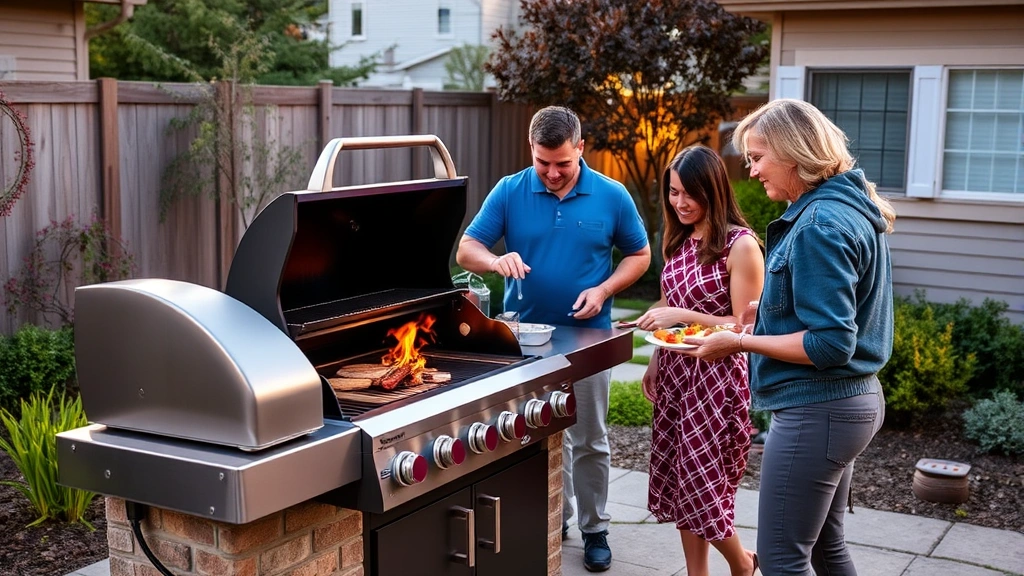
For households entertaining frequently or cooking for larger groups, the E325’s superior capacity delivers genuine value. The ability to cook for 10-12 people simultaneously eliminates the need for multiple cooking sessions, reducing total fuel consumption and preparation time. This scenario favors the E325 despite its higher initial cost.
Conversely, smaller households or those grilling primarily for 2-6 people find superior value in the E310. Its lower purchase price, reduced fuel consumption, and adequate cooking capacity make it the more economical choice over a 10-year ownership period. Total cost of ownership—including initial purchase, propane consumption, maintenance, and repairs—likely favors the E310 for light-to-moderate users.
Long-term value considerations include resale potential. Both models maintain strong secondary market demand, typically retaining 40-50% of original purchase value after 5-7 years. The E325’s higher initial price means greater absolute resale value, though percentage retention remains comparable.
Financing options vary by retailer. Some offer 0% financing for 12-24 months on purchases over $500, effectively reducing the cost differential between models. This financing availability can influence the decision calculus, potentially making the E325 more accessible financially despite higher upfront cost.
Cooking Versatility Features
Beyond basic grilling, both models offer features that enhance versatility and encourage outdoor cooking as an alternative to indoor kitchen use. Reduced reliance on kitchen appliances—particularly energy-intensive ovens—contributes to household sustainability goals.
The E310 includes a rotisserie-ready bracket, allowing optional rotisserie attachment for cooking whole chickens or roasts. The E325 similarly supports rotisserie cooking. This feature enables cooking methods that distribute heat more efficiently than traditional grilling, as rotating items cook more evenly with less temperature adjustment required.
Both models feature Jetfire ignition systems providing reliable, one-touch starting without matches or lighters. This seemingly minor feature improves efficiency by eliminating failed ignition attempts that waste propane. Modern ignition systems prove far more reliable than older models, reducing frustration and fuel waste.
Temperature control precision varies slightly between models. The E310 features three independent burner controls, while the E325’s four burners allow zone cooking—maintaining different temperatures simultaneously for different food types. This capability enables efficient cooking of proteins, vegetables, and grains at their optimal temperatures without requiring separate cooking sessions.
The side burners on both models transform your grill into an outdoor kitchen extension. Warming sauces, preparing vegetable medleys, or heating water for pasta reduces reliance on your indoor stove, providing energy savings and improved outdoor entertaining experiences. For those exploring broader sustainable energy solutions, our article on sustainable energy solutions contextualizes how outdoor cooking fits into comprehensive household energy strategies.
Maintenance Requirements
Grill longevity depends significantly on consistent maintenance practices. Both models require similar care, though some differences exist in maintenance intensity and costs.
Seasonal maintenance includes thoroughly cleaning grates, inspecting burners for debris, and checking gas connections for leaks. The E310’s smaller grate surface requires less cleaning time, translating to marginal labor savings. Both models benefit from propane tank inspection annually—checking for rust, ensuring proper connections, and verifying tank functionality.
Cast iron grate maintenance proves essential for both models. Seasoning grates after cleaning prevents rust and improves non-stick properties. This simple process involves coating grates with high-temperature cooking oil and heating the grill briefly. Skipping this maintenance leads to rust requiring grate replacement—an unnecessary waste of materials and money.
Grease management differs slightly between models. The E325’s larger cooking surface produces more grease accumulation, requiring more frequent drip tray emptying and cleaning. Both models include removable drip trays facilitating easy cleaning, but the E325 demands more frequent attention. This maintenance difference proves minor but worth considering for those preferring minimal upkeep.
Burner inspection should occur annually. Check for spider webs, debris, or corrosion that might obstruct gas flow. Both models’ burners are easily accessible for cleaning. The E325’s additional burner means slightly more inspection area but follows identical procedures.
For insights into fuel storage and maintenance, our guide on does gas go bad provides valuable information about propane storage best practices. Proper tank storage extends propane shelf life and ensures consistent fuel quality throughout the grilling season.
Rust prevention represents the most critical maintenance consideration. Both models resist corrosion effectively, but coastal environments or areas with significant moisture require more vigilant care. Covering your grill during off-season storage dramatically extends component lifespan, preventing rust and material degradation that would otherwise necessitate premature replacement.
FAQ
Which model is better for small families?
The E310 proves ideal for households of 2-6 people. Its 440-square-inch cooking area accommodates typical family meals efficiently, and lower fuel consumption aligns with reduced usage frequency. The smaller investment also appeals to budget-conscious buyers.
Should I choose the E325 for frequent entertaining?
Yes, the E325’s 550-square-inch capacity and four burners excel for groups of 8-12 people. Cooking for larger gatherings simultaneously proves more efficient than multiple cooking sessions, justifying the higher purchase price if you entertain regularly.
What’s the typical lifespan of these grills?
With proper maintenance, both models typically last 12-20 years. The E325’s heavier-gauge construction and extended warranty suggest potential for longer lifespan, though actual durability depends more on maintenance consistency than model choice.
How much propane will I use annually?
Average usage of 2-3 times weekly consumes 20-30 pounds annually. The E310 likely uses 15-20% less propane than the E325, though actual consumption depends on cooking temperature, duration, and frequency rather than burner count alone.
Can I use natural gas instead of propane?
Both models are available in natural gas versions, though conversion between fuel types requires professional modification. Natural gas offers convenience and eliminates tank management but typically costs more than propane where both options are available.
Which grill heats faster?
The E310 reaches target temperatures 1-2 minutes faster due to its smaller cooking chamber volume. For practical purposes, both models achieve cooking temperature within 10-15 minutes, a negligible difference in real-world scenarios.
Are replacement parts readily available?
Both models benefit from Napoleon’s extensive parts network. The E325’s greater popularity may offer marginally better parts availability, but neither model presents sourcing challenges for standard replacement components like grates or burners.
How do these compare to charcoal grills environmentally?
Natural gas grills produce approximately 30% fewer lifecycle emissions than charcoal grilling. Gas grills also offer superior temperature control, reducing cooking time and fuel consumption compared to charcoal’s longer heat-up periods and inconsistent temperature management.


