
Eagle Gas: Sustainable Fuel Solution?
Eagle Gas has emerged as a noteworthy player in the energy sector, particularly for those seeking cleaner fuel alternatives. As global energy demands continue to rise and climate concerns intensify, understanding whether Eagle Gas truly represents a sustainable fuel solution requires examining its composition, environmental impact, and role within the broader landscape of sustainable energy solutions. This comprehensive analysis explores the facts, benefits, and limitations of Eagle Gas as an environmentally responsible energy choice.
The transition from traditional fossil fuels to cleaner energy sources remains one of the most pressing challenges of our time. Eagle Gas positions itself as a bridge fuel—a transitional option that reduces emissions while maintaining the infrastructure familiarity of conventional fuel systems. However, determining its true sustainability credentials requires examining multiple dimensions: environmental impact, carbon footprint, production methods, and how it compares to other renewable and alternative fuels currently available in the market.
What is Eagle Gas?
Eagle Gas represents a refined fuel product designed to deliver energy with reduced environmental impact compared to conventional gasoline and diesel. The product typically combines natural gas components with advanced additives that enhance combustion efficiency and reduce harmful emissions. Understanding the advantages of natural gas is essential to comprehending Eagle Gas’s positioning in the fuel market.
The fuel is engineered specifically for vehicles and equipment designed to run on compressed natural gas (CNG) or liquefied natural gas (LNG) systems. Eagle Gas emphasizes purity standards and quality control measures that exceed industry regulations, ensuring consistent performance across diverse applications. The product appeals particularly to fleet operators, municipal transportation systems, and environmentally conscious consumers seeking to minimize their environmental footprint without sacrificing vehicle performance or range.
Eagle Gas’s formulation includes advanced detergents and lubricity improvers that protect engine components while optimizing combustion processes. This technical approach distinguishes it from standard natural gas offerings and reflects a commitment to both environmental performance and engine longevity. The product’s development emerged from extensive research into fuel chemistry and emissions reduction technologies.

Environmental Impact and Emissions Profile
The environmental sustainability of Eagle Gas depends significantly on its emissions profile compared to traditional petroleum-based fuels. Natural gas, the primary component of Eagle Gas, produces approximately 25-30% fewer carbon dioxide emissions than gasoline when burned in internal combustion engines. This reduction represents a meaningful step toward climate goals, though it falls short of zero-emission solutions.
When combusted, Eagle Gas releases lower quantities of nitrogen oxides (NOx) and particulate matter compared to diesel fuel. These pollutants contribute to air quality degradation and respiratory health problems in urban environments. The reduced NOx emissions from Eagle Gas make it particularly valuable for cities implementing stricter air quality standards. Additionally, unburned hydrocarbon emissions decrease significantly with proper Eagle Gas combustion, reducing ground-level ozone formation.
However, the sustainability equation becomes more complex when examining the entire lifecycle of Eagle Gas production, from extraction through distribution. Natural gas extraction through hydraulic fracturing (fracking) raises environmental concerns regarding groundwater contamination, methane leakage, and land disruption. Methane, a potent greenhouse gas with approximately 80 times the warming potential of carbon dioxide over a 20-year period, represents a critical consideration in overall climate impact assessment.
The distribution infrastructure for Eagle Gas also influences its environmental profile. Leakage during transportation and storage can release methane into the atmosphere, partially offsetting emissions benefits achieved during combustion. Modern infrastructure improvements have reduced these losses, but they remain a relevant factor in comprehensive sustainability evaluation. EPA greenhouse gas emissions data provides detailed information about methane’s climate impact and current regulatory efforts.
Production and Processing Methods
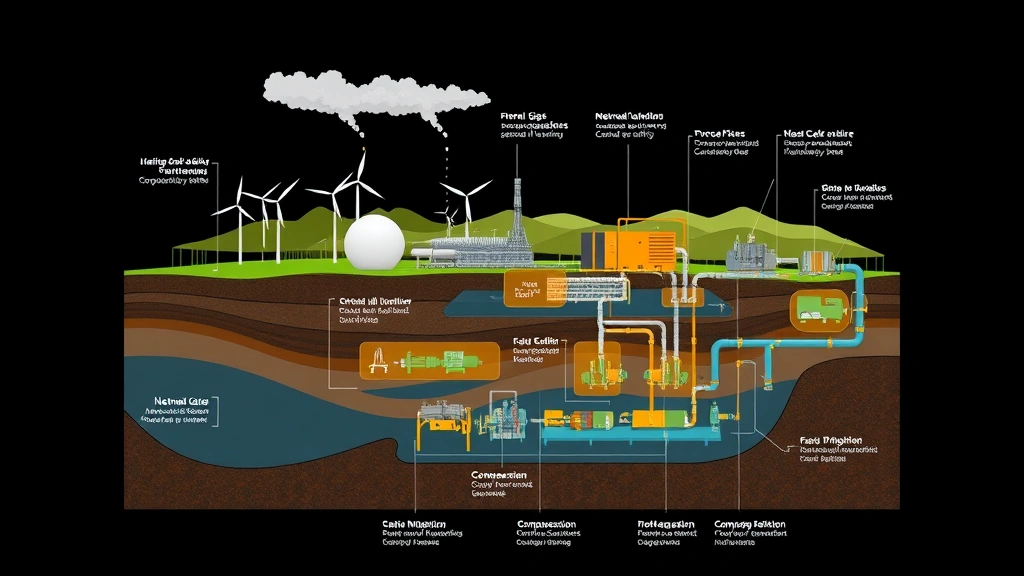
Eagle Gas production involves sophisticated processing to extract, purify, and condition natural gas for vehicle fuel applications. The extraction phase begins with identifying natural gas deposits and developing wells. Conventional extraction from existing natural gas fields represents the primary source, though some Eagle Gas suppliers incorporate biogas—methane derived from organic waste decomposition—into their product mix.
Once extracted, crude natural gas undergoes extensive processing to remove water vapor, sulfur compounds, carbon dioxide, and other contaminants that could damage engines or reduce fuel quality. This purification process demands significant energy investment, representing a hidden sustainability cost often overlooked in simplified environmental comparisons. The processing infrastructure itself requires capital investment and ongoing maintenance, contributing to the overall economic and environmental footprint.
Compression and liquefaction represent the next critical steps in Eagle Gas preparation. Vehicles designed for Eagle Gas typically operate on either compressed natural gas (CNG) at pressures around 3,600 PSI or liquefied natural gas (LNG) stored at extremely low temperatures. The compression or liquefaction process requires substantial energy, typically derived from the electrical grid. The carbon intensity of this grid energy directly impacts Eagle Gas’s overall sustainability profile.
Some progressive Eagle Gas producers have begun incorporating renewable energy into their processing facilities, powering compression operations with wind or solar electricity. This advancement significantly improves the fuel’s environmental credentials, transforming it from a fossil fuel with modest emissions benefits into a more genuinely sustainable option. International Energy Agency research on natural gas and climate provides comprehensive analysis of production efficiency improvements and decarbonization pathways.
Comparing Eagle Gas to Other Fuel Options
Evaluating Eagle Gas’s sustainability requires contextualizing it within the broader spectrum of available fuel and energy options. Compared to conventional gasoline, Eagle Gas demonstrates clear environmental advantages through reduced carbon emissions and improved air quality impacts. This comparison favors Eagle Gas for current transportation needs where immediate fleet electrification remains impractical.
When compared to diesel fuel, Eagle Gas similarly shows emissions reductions, particularly regarding particulate matter and NOx pollution. Heavy-duty vehicles, including trucks and buses, represent applications where Eagle Gas offers substantial environmental benefits over diesel alternatives. Many municipalities have successfully transitioned public transit fleets to Eagle Gas, achieving measurable air quality improvements in urban centers.
The comparison becomes more complex when evaluating Eagle Gas against electric vehicles (EVs) and renewable energy sources. Modern battery electric vehicles produce zero tailpipe emissions and increasingly operate on renewable electricity, making them superior to Eagle Gas from a direct emissions perspective. However, the transition to complete vehicle electrification faces challenges including charging infrastructure limitations, battery production environmental costs, and the time required for fleet turnover. Eagle Gas bridges this gap during the transition period.
Hydrogen fuel cells represent another emerging alternative with potentially superior environmental profiles. Hydrogen combustion produces only water as a byproduct, offering zero-emission operation. However, hydrogen production currently relies heavily on natural gas reforming, creating substantial carbon emissions upstream. Green hydrogen, produced through electrolysis powered by renewable electricity, remains expensive and underdeveloped at scale. Eagle Gas currently offers more practical implementation than hydrogen for most applications.
Biofuels and sustainable aviation fuels (SAF) represent additional alternatives worthy of consideration. These fuels leverage biological carbon cycles, potentially achieving carbon neutrality or even carbon negativity when produced from waste biomass. However, biofuel availability remains limited, production costs remain high, and competition with food production creates ethical considerations. Eagle Gas, by contrast, benefits from established infrastructure and proven scalability.
Infrastructure and Accessibility
The practical sustainability of any fuel depends substantially on infrastructure availability and consumer accessibility. Eagle Gas benefits from an expanding but still limited network of fueling stations across North America and Europe. This infrastructure development represents significant capital investment, but expansion remains slower than charging infrastructure for electric vehicles.
For fleet operators and municipal transportation systems, Eagle Gas infrastructure presents a viable option. Many cities have established centralized fueling facilities specifically designed for natural gas vehicles, making Eagle Gas adoption straightforward for organized fleets. This advantage makes Eagle Gas particularly attractive for public transit agencies, refuse collection services, and other operations with dedicated vehicle bases.
Individual consumers face greater accessibility challenges with Eagle Gas. Unlike gasoline stations found at virtually every intersection, Eagle Gas fueling requires deliberate planning and route selection. This infrastructure limitation restricts Eagle Gas adoption among private vehicle owners, concentrating its practical benefits within fleet applications. However, continued investment in public fueling infrastructure gradually improves accessibility and consumer convenience.
The infrastructure advantage of Eagle Gas compared to emerging alternatives like hydrogen cannot be overstated. Hydrogen refueling stations remain extremely limited, with only a few hundred operational worldwide. Charging networks for electric vehicles, while expanding rapidly, still face challenges in rural and underserved communities. Eagle Gas infrastructure, though modest compared to gasoline stations, exceeds both hydrogen and charging alternatives in many regions, particularly in areas with established natural gas distribution networks.
Economic Viability and Cost Considerations
Sustainability encompasses economic dimensions alongside environmental performance. Eagle Gas typically costs less than conventional gasoline on a per-mile basis, offering compelling economic incentives for fuel cost reduction. Fleet operators can achieve substantial operational savings by transitioning to Eagle Gas, particularly when fuel prices spike due to global petroleum market volatility.
The initial capital investment in Eagle Gas vehicles exceeds that of conventional gasoline vehicles, with natural gas engine systems requiring specialized engineering and manufacturing. This price premium has gradually decreased as production volumes increase and technology matures. For fleet operators planning 5-10 year vehicle lifecycles, the fuel savings typically offset the higher purchase price, creating positive economic returns alongside environmental benefits.
Government incentives and tax credits further improve Eagle Gas economic viability in many jurisdictions. Federal and state programs provide rebates for natural gas vehicle purchases and fueling infrastructure development. These incentives recognize the environmental and air quality benefits of Eagle Gas adoption while supporting market development during the technology maturation phase. U.S. Department of Energy natural gas vehicles information details current incentive programs and economic analyses.
Maintenance cost advantages further strengthen Eagle Gas economic performance. Natural gas engines operate more cleanly than gasoline engines, reducing carbon buildup and extending engine life. Oil change intervals can be extended, and spark plugs last longer, reducing ongoing operational expenses. These advantages accumulate over vehicle lifespans, contributing to total cost of ownership benefits that support widespread adoption.
Future Potential and Technological Advancements
The future sustainability profile of Eagle Gas depends on technological improvements and energy system evolution. Renewable natural gas (RNG), produced from organic waste including landfill gas, agricultural residues, and wastewater treatment, represents a significant advancement. RNG-based Eagle Gas can achieve near-zero net carbon emissions when produced from waste streams that would otherwise decompose and release methane naturally.
Integration with green technology innovations transforming our future offers pathways toward enhanced sustainability. Advanced engine technologies, including hybrid-electric powertrains combining natural gas engines with battery systems, promise improved efficiency and reduced emissions. These innovations maximize the benefits of Eagle Gas while minimizing environmental drawbacks.
Carbon capture and storage (CCS) technologies may eventually enable Eagle Gas production with net negative carbon emissions. If natural gas processing facilities capture CO2 produced during extraction and processing, permanently storing it underground, Eagle Gas could transform from a bridge fuel into a genuinely low-carbon energy source. While currently expensive and limited in scale, CCS technology improvements may make this approach economically viable within the next decade.
The broader energy transition toward renewable electricity and distributed energy systems will likely reshape Eagle Gas’s role. As renewable electricity becomes increasingly abundant and affordable, powering vehicle fleets through battery electric technology becomes increasingly attractive. Eagle Gas may ultimately occupy a specialized niche, particularly for heavy-duty applications and regions where electrification faces technical or economic barriers.
Understanding the fundamental definition of sustainability helps contextualize Eagle Gas within long-term energy strategy. True sustainability requires meeting present energy needs without compromising future generations’ ability to meet theirs. Eagle Gas partially achieves this goal through emissions reductions, but transitional nature requires complementary strategies including electrification, renewable energy expansion, and energy efficiency improvements.
FAQ
Is Eagle Gas truly a sustainable fuel solution?
Eagle Gas represents a partial sustainability solution offering meaningful emissions reductions compared to gasoline and diesel. However, it functions as a transition fuel rather than a permanent solution. While producing 25-30% fewer carbon emissions and significantly reducing air pollutants, Eagle Gas still relies on fossil fuel extraction and processing. True sustainability emerges when Eagle Gas incorporates renewable natural gas or when electric vehicle technology becomes universally accessible and economically viable.
How does Eagle Gas impact air quality?
Eagle Gas significantly improves local air quality by reducing nitrogen oxides, particulate matter, and volatile organic compounds compared to traditional fuels. These reductions directly benefit public health, particularly in urban areas where air pollution contributes to respiratory diseases and cardiovascular problems. Cities implementing Eagle Gas transitions in public transportation have documented measurable air quality improvements within months of fleet conversion.
What is the carbon footprint of Eagle Gas production?
The carbon footprint encompasses extraction, processing, compression/liquefaction, and distribution. While combustion produces relatively low emissions, upstream processes add approximately 15-25% to the total lifecycle carbon footprint depending on energy sources and operational efficiency. Renewable energy powered processing facilities can reduce this significantly, potentially making Eagle Gas competitive with electric vehicles when powered by renewable electricity.
Can Eagle Gas vehicles achieve the same performance as gasoline vehicles?
Modern Eagle Gas vehicles deliver comparable performance, including acceleration, top speed, and range. Some drivers report slightly reduced acceleration due to energy density differences, but engineering improvements continue narrowing this gap. For fleet applications, performance equivalence makes Eagle Gas a practical alternative without operational compromises.
What is the availability of Eagle Gas fueling infrastructure?
Eagle Gas fueling infrastructure varies by region. North America has approximately 1,500-2,000 public fueling stations, concentrated in urban areas and along major transportation corridors. Europe has similar or slightly better availability. While limited compared to gasoline stations, infrastructure expands continuously as demand increases. Fleet operators with centralized fueling facilities enjoy superior availability compared to individual consumers.
Are there safety concerns with Eagle Gas vehicles?
Eagle Gas vehicles undergo identical safety testing as conventional vehicles and meet all regulatory standards. The pressurized storage systems include multiple safety features including pressure relief valves and leak detection systems. Insurance companies recognize Eagle Gas vehicles as equally safe, and accident statistics show no increased risk compared to gasoline vehicles. Modern manufacturing ensures robust and reliable safety systems.
How do Eagle Gas vehicles handle winter weather?
Modern Eagle Gas vehicles perform reliably in cold weather conditions. Fuel conditioning systems prevent gas hydrate formation that could block fuel lines, and engine designs accommodate temperature variations. Northern regions including Canada and Scandinavia successfully operate Eagle Gas vehicle fleets year-round, demonstrating reliable cold-weather performance. Drivers may experience slightly reduced winter range, similar to electric vehicle performance degradation in cold conditions.
What government incentives support Eagle Gas adoption?
Many jurisdictions offer tax credits, rebates, and grants for natural gas vehicle purchases and fueling infrastructure development. Federal programs in the United States provide incentives ranging from $1,000-$10,000 depending on vehicle type. State and local programs often supplement federal incentives. Fleet operators may qualify for additional incentives recognizing air quality benefits and climate impact reductions. Specific incentive availability varies by location and changes periodically as policy priorities shift.


