Is Frigidaire Gas Range Eco-Friendly? Comprehensive Sustainability Insights
When it comes to kitchen appliances, the environmental impact of your choices extends far beyond the initial purchase. Frigidaire gas ranges have been a staple in American kitchens for decades, but as sustainability concerns grow, homeowners increasingly ask whether these appliances align with eco-conscious living. Understanding the environmental footprint of a Frigidaire gas range requires examining its efficiency ratings, energy consumption, manufacturing processes, and how it compares to alternative cooking technologies.
The answer isn’t straightforward. While gas ranges offer certain advantages over electric alternatives, they present distinct environmental trade-offs that every conscious consumer should evaluate. This comprehensive guide explores whether a Frigidaire gas range fits within your sustainability goals and what alternatives might better serve your environmental objectives.
Understanding Gas Range Efficiency Standards
Gas ranges don’t carry the same energy efficiency labels as refrigerators or dishwashers, which makes evaluating their environmental performance particularly challenging. The U.S. Department of Energy hasn’t established mandatory efficiency standards for residential gas ranges, unlike many other appliances. This regulatory gap means manufacturers aren’t required to meet specific performance benchmarks, creating variability across different models and brands.
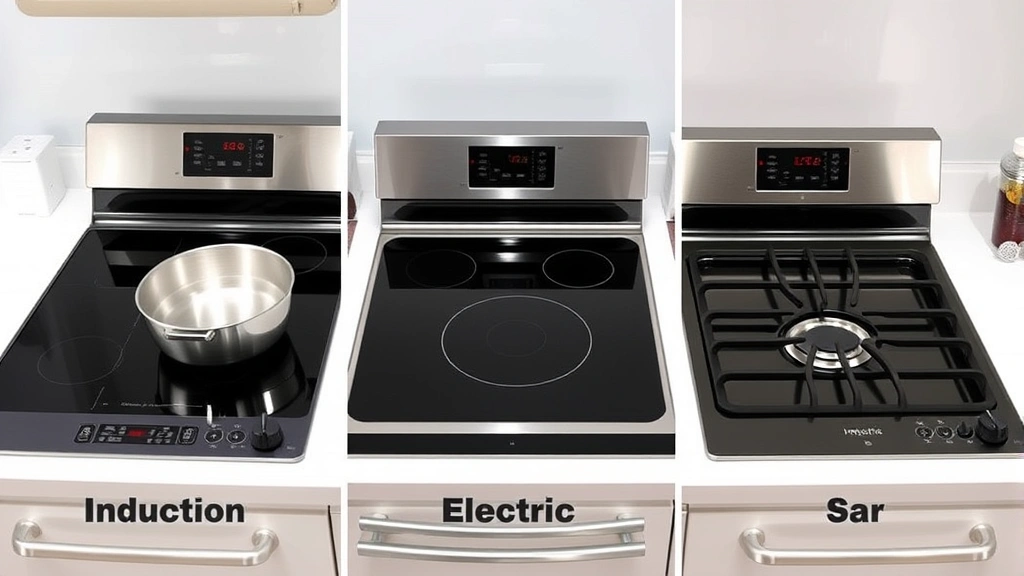
Frigidaire gas ranges, like most models on the market, vary in their actual efficiency. The efficiency of a gas range depends primarily on how effectively it converts fuel energy into usable heat for cooking. Modern Frigidaire models typically achieve 40-50% efficiency, meaning roughly half of the energy consumed escapes as waste heat. This compares unfavorably to electric resistance cooktops at 65-75% efficiency and induction cooktops at 80-90% efficiency.
The lack of standardized efficiency metrics makes it difficult for consumers to make informed decisions based on environmental impact. However, certain features indicate better efficiency: sealed burners that prevent heat loss, improved insulation in the oven cavity, and ignition systems that eliminate the need for pilot lights. When evaluating a Frigidaire gas range, look for these features to maximize efficiency within the gas cooking category.

Environmental Impact of Natural Gas Combustion
The most significant environmental concern with any gas range, including Frigidaire models, stems from burning natural gas itself. Natural gas combustion produces carbon dioxide, a primary greenhouse gas contributing to climate change. According to the EPA’s greenhouse gas emissions overview, residential natural gas consumption accounts for approximately 6% of total U.S. greenhouse gas emissions.
Beyond carbon dioxide, gas combustion releases other pollutants that affect indoor air quality. Nitrogen dioxide (NO2) and formaldehyde can accumulate in kitchens lacking proper ventilation, potentially causing respiratory issues, particularly in children and individuals with asthma. The EPA identifies indoor air quality as a critical environmental health concern, and gas cooking contributes measurably to indoor pollution.
Methane leakage presents another environmental concern often overlooked by consumers. Natural gas is primarily methane, a greenhouse gas approximately 25-28 times more potent than carbon dioxide over a 100-year period. Leaks throughout the supply chain—from extraction to delivery to your home—represent significant environmental losses. While your individual gas range doesn’t leak, choosing gas appliances increases demand for natural gas infrastructure, perpetuating methane leakage throughout the system.
Adopting principles of sustainability means considering these broader supply chain impacts, not just direct appliance efficiency. Every gas appliance you choose reinforces dependence on fossil fuel infrastructure.
Frigidaire Gas Range Features and Eco-Credentials
Frigidaire, a brand owned by Electrolux, manufactures gas ranges with varying environmental credentials. The company has made efforts to improve efficiency and reduce environmental impact, though their commitment to sustainability varies by product line. Some Frigidaire gas range models include features that marginally improve environmental performance:
- Sealed burners that prevent spills from reaching heating elements and reduce heat loss around burner areas
- Convection ovens that circulate hot air more efficiently, potentially reducing cooking time and energy consumption
- Electronic ignition eliminating continuous pilot light consumption, saving approximately 40% of oven energy in some models
- Improved insulation in oven cavities to retain heat and reduce fuel waste
- Self-cleaning features that improve efficiency by maintaining optimal heating element performance
However, Frigidaire doesn’t prominently market environmental certifications or sustainability achievements for their gas ranges. Unlike some kitchen appliance categories, gas ranges rarely achieve ENERGY STAR certification because the program hasn’t developed stringent efficiency criteria for this category. This absence of certification doesn’t necessarily indicate poor environmental performance—it simply reflects regulatory gaps in how we measure gas cooking efficiency.
When evaluating a specific Frigidaire model, check whether it includes these efficiency-enhancing features and compare its specifications against competitors. The most environmentally responsible gas range is one with the highest possible efficiency features, though even the best gas model carries inherent environmental drawbacks compared to electric alternatives.
Comparing Gas Ranges to Electric and Induction Alternatives
To genuinely assess whether a Frigidaire gas range is eco-friendly, you must compare it against available alternatives. The environmental profile changes dramatically when you consider electric and induction cooktops, which increasingly represent the more sustainable choice for most households.
Electric Resistance Cooktops: Traditional electric coil or smooth-top electric ranges convert approximately 65-75% of electrical energy into cooking heat. While this exceeds gas range efficiency, the environmental benefit depends entirely on your electricity grid’s carbon intensity. In regions powered primarily by renewable energy, electric cooking becomes substantially more sustainable. In coal-heavy regions, the advantage diminishes but typically remains positive.
Induction Cooktops: These represent the most efficient cooking technology available, converting 80-90% of electrical energy into heat. Induction uses magnetic fields to heat cookware directly rather than heating a surface that transfers heat to food. This superior efficiency, combined with precise temperature control and faster cooking times, makes induction the environmentally optimal choice when powered by renewable electricity. The drawback is higher upfront cost and the requirement for magnetic cookware.
The broader context involves sustainable energy solutions for your home. If you’re planning kitchen renovations, consider whether installing solar panels or upgrading to renewable energy sources might accompany switching from gas to electric cooking. This integrated approach maximizes environmental benefits.
For most households in regions with increasingly clean electricity grids, switching from a Frigidaire gas range to an induction cooktop represents the single most impactful kitchen upgrade for reducing environmental footprint. The efficiency advantages compound when you factor in grid decarbonization—as electricity becomes cleaner, your induction cooktop automatically becomes more sustainable without any changes to your appliance.
Manufacturing and Lifecycle Considerations
Environmental impact assessment requires examining the entire product lifecycle, not just operational efficiency. Manufacturing a Frigidaire gas range involves extracting raw materials, processing steel and other components, assembling the appliance, packaging, and shipping—all energy-intensive processes.
Gas ranges are relatively durable appliances, often lasting 15-20 years with proper maintenance. This extended lifespan partially offsets manufacturing impacts by distributing environmental costs across many years of use. Conversely, the long lifespan means your cooking method choice affects your household’s environmental profile for decades. Choosing gas today locks you into fossil fuel dependency for years, while choosing electric or induction positions your kitchen for future sustainability improvements as electricity grids decarbonize.
Frigidaire manufactures ranges in various locations, and manufacturing practices vary regarding waste management, energy efficiency, and worker conditions. The company doesn’t publish comprehensive sustainability reports detailing lifecycle environmental impacts, making it difficult to assess manufacturing-phase environmental performance specifically.
When considering purchase decisions, recognize that manufacturing impacts represent only 10-15% of a cooking appliance’s total lifecycle environmental cost. The remaining 85-90% comes from operational energy consumption over its lifespan. This reality emphasizes that choosing the most efficient cooking technology available matters more than any other manufacturing consideration.
Cost-Benefit Analysis for Eco-Conscious Homeowners
Environmental sustainability and economic practicality often intersect when making appliance decisions. A Frigidaire gas range typically costs $400-$1,200, depending on features and capacity. Comparable electric ranges cost $500-$1,500, while quality induction ranges start around $1,000 and extend to $3,000 or more.
The operating cost difference depends on local natural gas and electricity prices. In areas where natural gas is inexpensive, gas cooking carries lower operational costs despite inferior efficiency. However, this economic advantage ignores environmental externalities—the climate and health costs aren’t reflected in your gas bill.
Over a 15-year range lifespan, an induction cooktop powered by renewable energy or a clean electricity grid typically costs less to operate than a gas range, even accounting for higher upfront purchase price. The payback period varies by region but often ranges from 5-10 years. After that point, you’re saving money while reducing environmental impact—the ideal outcome for eco-conscious homeowners.
Consider how to reduce your environmental footprint through appliance choices as part of a comprehensive sustainability strategy. Upgrading from gas to induction cooking represents one of the highest-impact changes available to residential consumers, comparable to switching to electric vehicles or installing solar panels.
Tips for Reducing Your Gas Range Environmental Impact
If you currently own a Frigidaire gas range or plan to purchase one, several strategies minimize environmental impact while using this appliance:
- Maximize oven efficiency: Preheat only when necessary, use residual heat by turning off the oven before food finishes cooking, and keep the oven door closed during cooking to prevent heat loss.
- Use appropriately sized burners: Match pot and pan sizes to burner dimensions to prevent heat loss and wasted energy around cookware edges.
- Install a range hood with ventilation: Proper ventilation removes indoor air pollutants from gas combustion while maintaining home comfort. Look for ENERGY STAR certified range hoods that balance ventilation with efficiency.
- Maintain your appliance: Clean burners regularly to ensure optimal performance, as mineral deposits reduce efficiency. Service the ignition system promptly to prevent pilot light waste.
- Plan for transition: If replacing your range soon, prioritize induction or electric models. If your current range functions well, continue using it rather than replacing a functional appliance prematurely—manufacturing a new appliance carries environmental costs that might exceed continuing to use an existing one.
- Offset gas consumption: Consider purchasing carbon offsets through verified programs to neutralize your gas range’s climate impact while saving toward an upgrade.
- Improve overall kitchen efficiency: Pair your range with sustainability blog insights about efficient cookware, pressure cookers, and meal planning strategies that reduce overall cooking energy consumption.
These practical steps don’t transform a gas range into an eco-friendly appliance, but they meaningfully reduce its environmental impact while you use it. They also represent stepping stones toward eventually transitioning to more sustainable cooking technologies.
FAQ
Are Frigidaire gas ranges better for the environment than older models?
Modern Frigidaire gas ranges include efficiency improvements like electronic ignition and better insulation compared to older models, making them somewhat more efficient. However, the fundamental environmental challenge—burning fossil fuel—remains unchanged. Newer models represent incremental improvements rather than transformative sustainability solutions.
Can I make my gas range more eco-friendly with modifications?
Limited modifications can enhance efficiency, such as installing a reflective barrier behind the range to redirect heat forward or using diffuser plates under cookware. However, these marginal improvements cannot overcome the fundamental efficiency limitations of gas cooking compared to induction technology.
Is natural gas from renewable sources available?
Renewable natural gas (RNG) produced from organic waste exists but represents a tiny fraction of the natural gas market. Most gas ranges run on conventional natural gas from fossil fuel extraction. RNG availability varies dramatically by region, and even when available, it typically costs more than conventional gas.
How does a Frigidaire gas range compare to professional chef ranges?
Professional-grade gas ranges prioritize cooking performance over efficiency, often consuming more energy than residential models. For eco-conscious consumers, professional ranges are less sustainable choices despite their culinary advantages.
Should I replace my functional gas range to switch to induction?
This depends on your range’s age and condition. If it functions well and will serve for many more years, continuing to use it while planning a future transition to induction may carry lower lifecycle environmental impact than manufacturing a replacement immediately. However, if your range requires expensive repairs or performs poorly, replacement with an induction model becomes more justified environmentally.
What’s the environmental impact of the electricity powering an induction range?
Induction cooktops powered by renewable energy or from grids with clean electricity sources offer substantial environmental benefits over gas. Even in regions with mixed electricity sources, induction typically produces lower lifetime emissions than gas cooking. As electricity grids decarbonize, existing induction cooktops automatically become cleaner without modification.
Do any gas range manufacturers offer sustainability certifications?
Few residential gas range manufacturers pursue environmental certifications, as industry standards remain underdeveloped. Some commercial kitchen equipment manufacturers emphasize efficiency, but the residential market lacks equivalent certification programs for gas cooking appliances.


