Why Is My Gas Flame Orange? Safety Tips and What It Means
If you’ve noticed your gas cooker flame has turned orange instead of the typical blue, you’re right to pay attention. The color of your gas flame is actually a direct indicator of combustion efficiency and can reveal important information about your appliance’s health and safety. An orange or yellow gas flame isn’t just a cosmetic issue—it can signal incomplete combustion, which affects both your cooking efficiency and indoor air quality. Understanding what causes this color change and how to address it is essential for maintaining a safe, efficient kitchen.
Gas flames should ideally burn blue, which indicates complete combustion of natural gas or propane. When your gas cooker flame turns orange, yellow, or red, it typically means something is interfering with the proper fuel-to-air ratio. This could range from minor issues like dust accumulation to more serious problems requiring professional attention. In this comprehensive guide, we’ll explore the causes of orange gas flames, the safety implications, and practical steps you can take to restore your cooker to optimal performance while maintaining your home’s environmental and health standards.
What Does an Orange Gas Flame Mean?
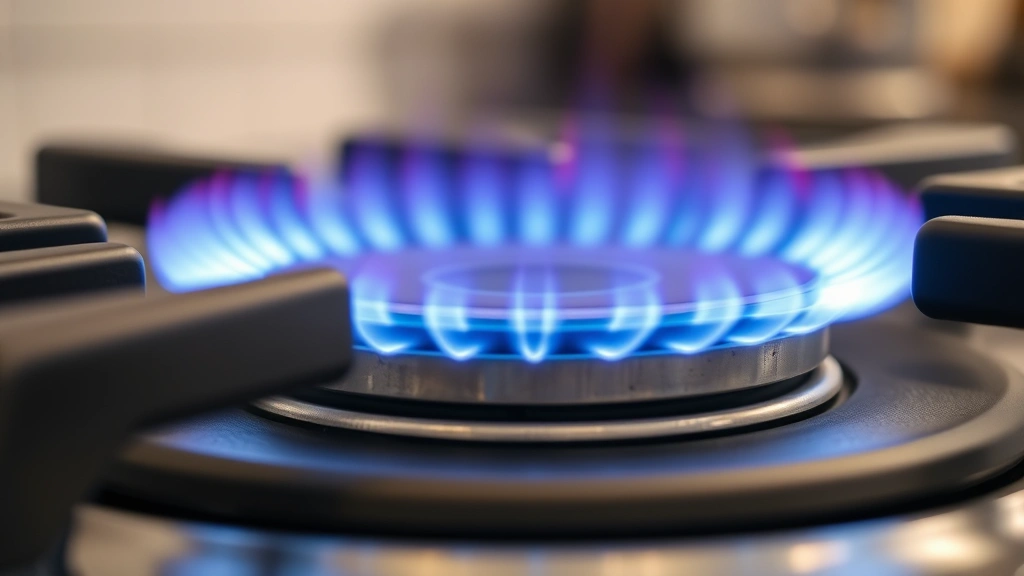
A gas flame’s color tells you about the chemical reaction happening at the burner. When natural gas or propane burns completely with adequate oxygen, it produces a blue flame with a temperature of around 3,000 degrees Fahrenheit. This blue color comes from the excited carbon dioxide molecules created during complete combustion. An orange or yellow flame indicates incomplete combustion, meaning not all the fuel is burning efficiently. This happens when there’s insufficient oxygen mixing with the gas before ignition.
The orange coloration comes from incandescent solid particles—primarily carbon monoxide and unburned carbon particles—that haven’t fully oxidized. While a slight orange tint at the flame’s base is sometimes normal, a predominantly orange flame across the entire burner is a sign that your cooker needs attention. This inefficiency means you’re not getting maximum heat output from your fuel, and you’re potentially releasing more emissions than necessary. Understanding this distinction helps you determine whether you’re dealing with a minor adjustment or a more serious maintenance issue.
The relationship between flame color and combustion efficiency directly impacts your home’s energy consumption. When your gas cooker operates inefficiently, you’re wasting fuel and money while simultaneously increasing your household’s carbon footprint. This makes addressing orange flames not just a safety concern but also an environmental responsibility. Proper combustion efficiency is a key component of sustainable home energy management.
Common Causes of Orange Flames
Several factors can cause your gas cooker flame to turn orange. The most common culprit is inadequate air supply to the burner. Gas cookers require a precise mixture of fuel and oxygen for complete combustion. When air vents become blocked or restricted, the combustion process becomes incomplete, resulting in that orange hue. This can happen gradually as dust, grease, and cooking debris accumulate around the burner area.
Another frequent cause is burner head misalignment. The burner head sits on top of the gas tube and has small ports that allow air and gas to mix properly. If the burner head shifts slightly—which can happen from regular use, cleaning, or accidental bumps—the air/fuel mixture becomes unbalanced. Even a small displacement can noticeably change your flame color. This is particularly common in older gas cookers or those that have been recently cleaned.
Dust and debris accumulation in the burner ports is perhaps the easiest problem to diagnose and fix. Over time, cooking dust, flour particles, and grease can clog the tiny air holes in your burner head. This restricts oxygen flow and prevents proper mixing. Similarly, moisture or condensation around the burner can interfere with combustion, though this is less common and usually temporary.
Fuel quality issues can also contribute to orange flames. If you’re using bottled propane, impurities or additives can affect combustion. With natural gas, supply line issues or pressure problems from your utility provider, though rare, can impact the fuel-to-air ratio. Some regions also add odorants to natural gas for safety purposes, and these can occasionally affect flame color slightly.
Additionally, burner design and age matter significantly. Older gas cookers may have designs that are more susceptible to flame discoloration. Newer models with sealed burners typically provide better air/fuel mixing and maintain blue flames more consistently. If you’re considering upgrading, exploring the advantages of natural gas appliances can help you choose more efficient models.
Safety Risks and Health Concerns
While an orange gas flame might seem like a minor cosmetic issue, it carries genuine safety and health implications that shouldn’t be ignored. The primary concern is carbon monoxide (CO) production. Incomplete combustion generates carbon monoxide, a colorless, odorless gas that’s toxic in high concentrations. Your kitchen should have adequate ventilation to safely disperse any CO produced, but an orange flame suggests elevated CO generation that increases risk, especially if ventilation is compromised.
Carbon monoxide poisoning symptoms include headaches, dizziness, weakness, nausea, confusion, and chest pain. In severe cases, it can be fatal. While your kitchen isn’t a closed room like a garage (where CO poisoning is most dangerous), prolonged exposure to elevated CO levels from an inefficient gas cooker is still a legitimate health concern, particularly for vulnerable populations like children, elderly people, and those with respiratory conditions.
Reduced cooking efficiency is another consequence. An orange flame produces less heat than a blue flame, meaning your cooking takes longer and uses more gas. This is both economically wasteful and environmentally problematic. Over the course of a year, inefficient burners can waste significant amounts of fuel, directly increasing your household’s energy footprint. This connects to broader environmental sustainability examples showing how home efficiency matters.
There’s also the risk of heat damage to cooker components. Incomplete combustion can cause uneven heating and may damage the burner head, cooktop surface, or surrounding materials over time. The hotter, more concentrated flames from improper combustion can warp metal components and reduce your cooker’s lifespan.
Furthermore, orange flames indicate your cooker isn’t operating at manufacturer specifications. This can void warranties and may create liability issues if accidents occur. From an insurance perspective, maintaining proper appliance function is important. Most homeowner insurance policies expect you to maintain appliances in safe, working condition.
How to Fix an Orange Gas Flame
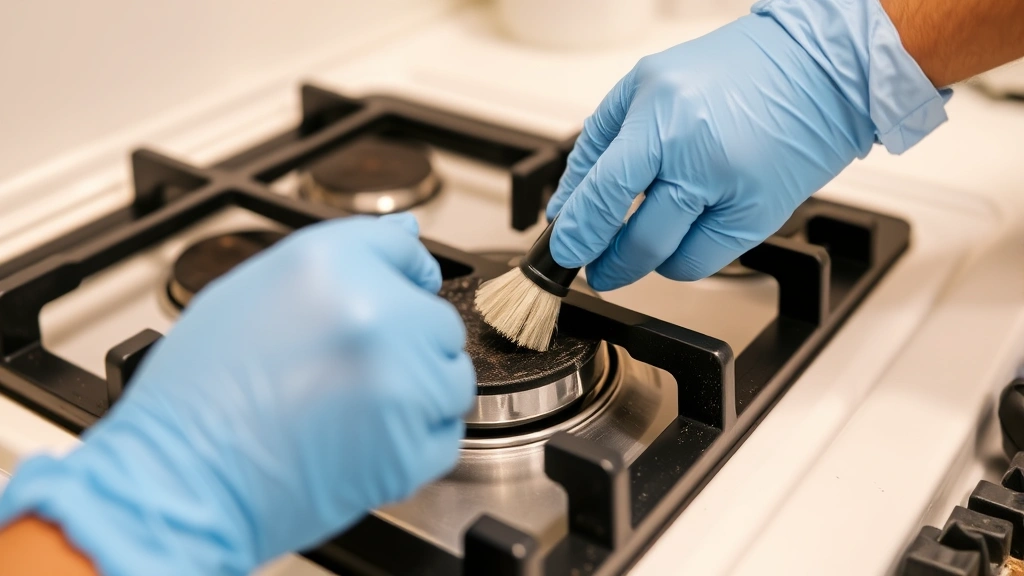
Before calling a professional, you can attempt several straightforward fixes for orange gas flames. Start with cleaning—this resolves many cases. Turn off your gas cooker and let it cool completely. Remove the burner caps and grates if possible. Using a small brush (an old toothbrush works well) or a pipe cleaner, gently clean the burner ports. These tiny holes are where air enters to mix with gas. Remove any visible dust, debris, or grease. Be gentle to avoid enlarging or damaging the ports.
Next, check burner head alignment. The burner head should sit flush and centered on the gas tube. If it’s shifted, gently realign it. Most burner heads simply lift off and can be repositioned. Ensure it’s seated evenly all around. After cleaning and realigning, turn the gas back on and observe the flame. It should be predominantly blue with perhaps a small orange base.
Inspect air vents around your cooker. Make sure nothing is blocking the air supply to the burner area. Move any objects, wipe away dust, and ensure adequate air circulation around the cooker. This is especially important if your cooker is in a corner or against a wall where air circulation might be restricted.
Check for moisture around the burner area. If you’ve recently cleaned the cooker or there’s condensation, dry the area thoroughly with a clean cloth. Moisture can temporarily interfere with ignition and combustion, though it usually resolves on its own.
For natural gas users, verify that your gas supply valve is fully open. Sometimes partially closed valves reduce gas pressure and affect the fuel-to-air ratio. Check the valve on your gas line—it should be parallel to the pipe when fully open.
Document your observations. Note which burners are affected (all or just one?), how long the orange flame has been occurring, and whether you’ve noticed any changes in cooking performance. This information is valuable if you need to contact a professional. Take photos of the flame color if possible.
Maintenance Tips for Optimal Performance
Regular maintenance prevents orange flames and keeps your gas cooker running efficiently. Monthly cleaning should be part of your routine. After each cooking session, wipe down the burner area. Once monthly, do a more thorough cleaning of the burner heads and ports. This prevents dust and grease accumulation that causes many flame color issues.
Use a cooker hood or range hood when cooking to remove cooking vapors and help maintain proper air supply to your burners. Good ventilation is essential for both safety and burner performance. Ensure your hood is functioning properly and clean its filters regularly—clogged filters reduce ventilation effectiveness.
Avoid using your cooker as a heat source for your home. Running burners continuously without cooking can cause temperature fluctuations and condensation that affect burner performance. Use your cooker exclusively for cooking purposes.
Keep the cooker area clear of clutter and obstacles. Ensure nothing blocks air vents or restricts air circulation around the appliance. This includes keeping cabinets above the cooker clear and ensuring adequate space on sides.
Have your cooker professionally serviced annually if you use it frequently. A professional can inspect internal components, clean hard-to-reach areas, check gas pressure, and identify potential issues before they become problems. This is especially important for older cookers.
Monitor flame color regularly. Get to know what your normal flame looks like. If you notice changes, address them promptly rather than waiting. Early intervention is easier and safer than letting problems develop.
Consider upgrading to a modern cooker if yours is over 15 years old. Newer models incorporate green technology innovations that improve efficiency, safety, and flame stability. Modern sealed-burner designs are less prone to orange flames and provide better fuel efficiency.
Keep your cooker’s manual accessible. It contains manufacturer-specific information about proper operation, maintenance schedules, and troubleshooting. If you’ve lost your manual, many manufacturers provide digital versions online.
When to Call a Professional
While many orange flame issues are DIY-fixable, certain situations require professional intervention. Call a professional if:
- Cleaning and realignment don’t resolve the orange flame
- Multiple burners are affected
- You notice a strong gas smell beyond the normal odorant
- The flame won’t stay lit or ignites inconsistently
- You hear unusual noises from the cooker
- You suspect a gas leak (smell, hissing sound)
- The cooker is still under warranty
- You’re uncomfortable performing any inspection or cleaning
A qualified gas appliance technician has specialized tools to measure gas pressure, check for leaks, and diagnose internal issues you can’t see. They can also verify that your cooker meets safety standards and operates at manufacturer specifications. This is particularly important for renters—contact your landlord or property management rather than attempting repairs yourself, as you may not be responsible for maintenance costs and unauthorized repairs could create liability issues.
Safety should always take priority. If you’re uncertain about anything, it’s better to call a professional than risk a potentially dangerous situation. The cost of a service call is minimal compared to the potential risks of improper gas appliance operation.
When selecting a professional, choose someone certified to work with gas appliances. Ask for references, verify licensing, and ensure they carry appropriate insurance. Many utility companies can recommend certified technicians, and this is often a reliable way to find qualified professionals.
Sustainable Cooking Alternatives
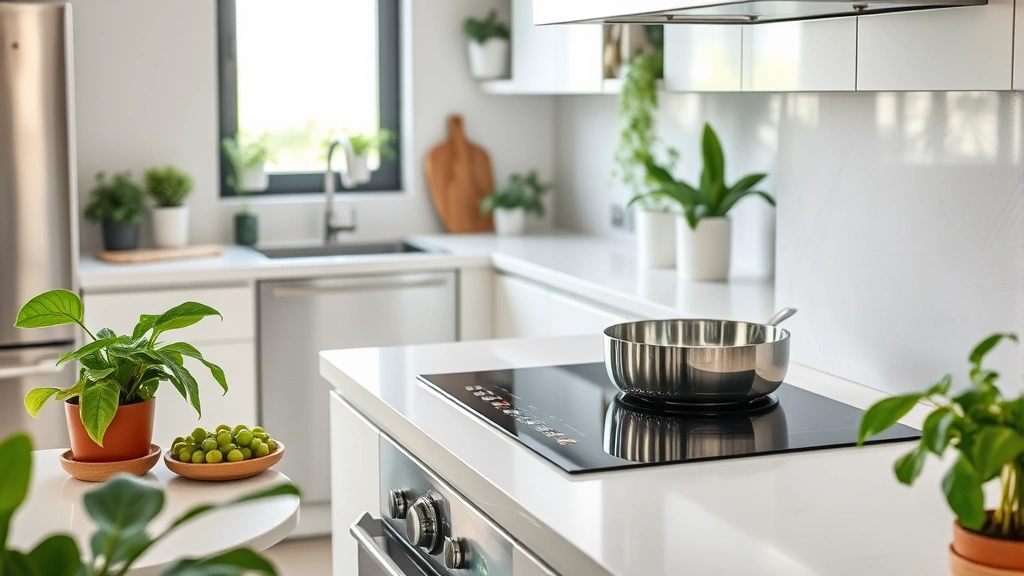
If you’re experiencing persistent issues with your gas cooker or considering alternatives, exploring different cooking methods aligns with sustainability goals. Induction cooktops are increasingly popular and offer several advantages: they’re highly efficient (about 90% of energy goes to heating food), they heat faster than gas, and they’re safer since the cooktop itself doesn’t get hot. They produce no emissions and integrate well with renewable energy sources like solar power.
Electric coil and smooth-top electric cookers are more affordable than induction and still eliminate gas combustion concerns. While slightly less efficient than induction, they’re still reliable and safe. Many people appreciate the familiar cooking feel of electric cooktops.
Hybrid cookers that combine gas and electric burners offer flexibility. You can use gas for certain cooking tasks while benefiting from electric’s safety and consistency for others. This is an excellent middle-ground option if you love gas cooking but want additional safety features.
Consider also that advantages of electric vehicles extend to home appliances too. As electrical grids become increasingly powered by renewable energy, electric cooking becomes progressively more sustainable. In regions with high renewable energy penetration, electric cooking is now the most eco-friendly option.
If you do continue using gas, ensure your cooker operates efficiently by maintaining it properly. An efficiently operating gas cooker is more sustainable than an inefficient electric alternative. The key is optimization—whether that’s fixing your orange flame issue or upgrading when replacement is due.
For more information on sustainable home energy practices, explore our comprehensive guide on sustainable energy solutions. Making informed choices about your cooking equipment contributes to your overall household sustainability.
FAQ
Is an orange gas flame dangerous?
An orange flame indicates incomplete combustion and increased carbon monoxide production. While not immediately life-threatening in a well-ventilated kitchen, it’s not safe to ignore. Prolonged exposure to elevated CO levels is harmful, especially for children and elderly people. Address the issue promptly.
Can I cook with an orange flame?
Technically yes, but you shouldn’t. Orange flames are less efficient, produce less heat, and generate more emissions. Your food takes longer to cook, you waste gas, and you’re exposing yourself to unnecessary CO. Fix the issue before continuing regular cooking.
Why is only one burner orange?
If only one burner is affected, it’s likely a localized issue with that specific burner head—probably dust/debris in the ports or misalignment. Clean that burner thoroughly and realign the head. If all burners are affected, the problem is more likely a gas pressure or air supply issue affecting the entire cooker.
How do I know if my gas cooker has a gas leak?
Natural gas has a distinctive rotten egg smell added as a safety odorant. If you smell this strong odor (beyond the normal faint smell), suspect a leak. Also listen for hissing sounds near connections. If you suspect a leak, don’t use the cooker, open windows for ventilation, and call your gas utility’s emergency line immediately.
Can I fix an orange flame myself?
Many cases can be resolved with cleaning and burner head realignment. However, if these steps don’t work, professional service is necessary. Never attempt to disassemble internal cooker components or adjust gas pressure yourself—this requires specialized training and tools.
How often should I clean my gas burners?
Clean burner heads monthly during regular kitchen cleaning. Do a more thorough cleaning of ports and vents every 3-6 months depending on your cooking frequency. If you cook daily, lean toward the shorter timeframe.
What’s the ideal gas flame color?
Ideally, gas flames should be predominantly blue with perhaps a small yellow or orange tip at the very base. The blue indicates complete combustion. If more than the base is orange or yellow, there’s a problem requiring attention.
Will a professional service fix my orange flame?
Most likely yes. A professional can clean components you can’t easily access, check gas pressure, verify proper air supply, and identify any mechanical issues. If your cooker is repairable, they’ll fix it. If not, they can recommend replacement options.
How much does it cost to fix an orange gas flame?
Service call costs vary by location and technician, typically ranging from $100-$200 for diagnosis and simple fixes. If parts need replacement, costs increase. However, this is usually less expensive than operating an inefficient cooker long-term, and it’s worth the investment for safety and efficiency.
Can orange flames damage my cooker?
Yes, over time. The hotter, less-controlled combustion from orange flames can warp burner heads, damage cooktop surfaces, and stress internal components. This reduces your cooker’s lifespan and may eventually require expensive repairs or replacement.


