Are Gas Depots Sustainable? Industry Insights and Environmental Impact
Gas depots serve as critical infrastructure for fuel storage and distribution across regional and national networks. However, their sustainability credentials remain hotly debated among environmental advocates, industry professionals, and policymakers. This comprehensive analysis examines whether gas depots can align with modern sustainability standards while meeting energy demands in an increasingly climate-conscious world.
The question of gas depot sustainability isn’t simply binary. Rather, it encompasses multiple dimensions: environmental impact, operational efficiency, regulatory compliance, and the role these facilities play within broader energy transition strategies. Understanding these nuances helps stakeholders make informed decisions about infrastructure investment and energy sourcing.

Understanding Gas Depots and Their Purpose
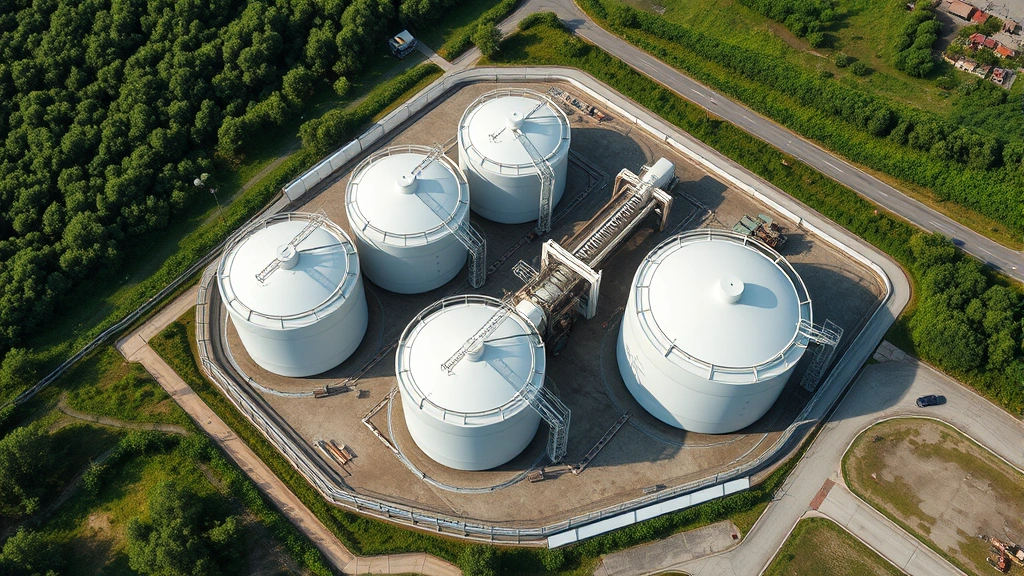
A gas depot represents a specialized facility designed for the storage, handling, and distribution of gaseous fuels, primarily liquefied petroleum gas (LPG) and compressed natural gas (CNG). These depots function as intermediary nodes within energy supply chains, receiving fuel from production or refinement sources and distributing it to end-users, retailers, and industrial consumers.
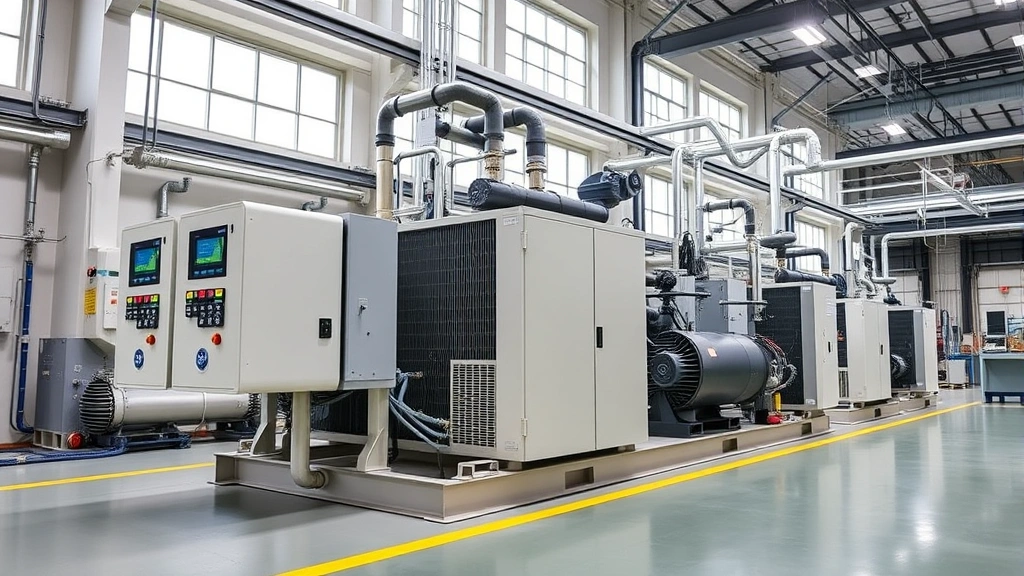
The infrastructure typically includes pressurized storage tanks, safety equipment, loading/unloading systems, and quality control laboratories. Gas depots exist at various scales, from small regional facilities serving local communities to large industrial complexes supplying metropolitan areas. Their operational significance cannot be overstated—they enable the last-mile delivery of energy to millions of households and businesses worldwide.
When evaluating whether gas depots align with sustainability principles, we must consider their role within the broader sustainable energy solutions framework. While fossil fuel infrastructure traditionally conflicts with net-zero ambitions, modern gas depots increasingly incorporate efficiency measures and serve transitional energy needs during the shift toward renewable sources.
Environmental Impact Assessment
The environmental footprint of gas depots extends across multiple dimensions: land use, water consumption, soil and groundwater contamination risks, and atmospheric emissions. A comprehensive sustainability assessment must examine each factor objectively.
Land Use Considerations: Gas depots require dedicated space for storage facilities, safety buffer zones, and operational infrastructure. While they occupy considerably less land than renewable energy installations like solar farms or wind parks per unit of energy stored, their concentrated nature can impact local ecosystems. Strategic site selection in already-developed industrial areas minimizes habitat disruption.
Water Impact: Modern gas depots consume water for cooling systems and safety protocols, though consumption remains relatively modest compared to thermal power plants. Facilities employing closed-loop cooling systems substantially reduce water withdrawal from local sources, representing a meaningful sustainability improvement.
Spill and Contamination Risks: Historical gas depot incidents have caused groundwater contamination and soil degradation. Contemporary facilities employ multiple containment barriers, real-time monitoring systems, and emergency response protocols that significantly reduce these risks. Understanding how to reduce your environmental footprint applies equally to industrial operators investing in prevention infrastructure.
The Environmental Protection Agency establishes stringent regulations governing storage tank standards, leak detection, and remediation requirements. Facilities achieving compliance demonstrate commitment to environmental stewardship, though critics argue regulations remain insufficient for true sustainability.
Emissions and Carbon Footprint
Quantifying the carbon footprint associated with gas depots requires distinguishing between operational emissions and supply-chain emissions. This distinction fundamentally shapes sustainability narratives around these facilities.
Operational Emissions: Direct emissions from gas depot operations remain relatively modest—primarily fugitive emissions from storage tanks, loading operations, and equipment leaks. Modern facilities equipped with vapor recovery systems, leak detection technology, and maintenance protocols can minimize these emissions to negligible levels. Some advanced depots achieve near-zero operational emissions through comprehensive containment and recovery systems.
Supply-Chain Emissions: The carbon intensity of stored fuel—whether natural gas, LPG, or other hydrocarbons—represents the dominant emissions factor. Gas depots themselves don’t produce these emissions; rather, they distribute products whose combustion generates greenhouse gases downstream. This distinction matters critically: a gas depot’s sustainability cannot be assessed in isolation from the fuel source and end-use applications.
The Intergovernmental Panel on Climate Change recognizes that natural gas produces approximately 50% fewer carbon emissions than coal when combusted for electricity generation. In this context, efficient gas depot infrastructure supporting natural gas distribution represents a transitional improvement, even if not a permanent solution to climate change.
However, methane leakage—a potent greenhouse gas with 28-34 times the warming potential of CO2 over a century—represents a critical concern. Depots must maintain rigorous methane detection and repair programs to justify claims of environmental responsibility. The Methane Emissions Inventory provides detailed tracking of leakage across energy infrastructure.
Progressive gas depot operators now measure and report scope 1, 2, and 3 emissions according to Greenhouse Gas Protocol standards, demonstrating transparency and accountability in carbon management.
Safety and Regulatory Standards
Safety directly correlates with sustainability. A facility that experiences catastrophic failures, explosions, or major leaks imposes severe environmental costs regardless of operational efficiency. Modern gas depots operate under comprehensive regulatory frameworks ensuring worker safety and community protection.
Regulatory Framework: In the United States, the Pipeline and Hazardous Materials Safety Administration (PHMSA) establishes standards for pressure vessel design, maintenance, and operation. The Occupational Safety and Health Administration (OSHA) mandates worker protection protocols. These regulations, while sometimes criticized as insufficient by environmental advocates, substantially reduce accident risks compared to unregulated facilities.
Safety Technology: Contemporary gas depots employ multiple redundant safety systems: pressure relief valves, emergency shutdown mechanisms, automated leak detection, real-time monitoring, and comprehensive emergency response plans. These technologies prevent incidents that would create genuine environmental disasters.
Community Awareness: Many jurisdictions require depots to maintain buffer zones and notify nearby residents of potential hazards. This transparency enables communities to assess risks and hold operators accountable for safety maintenance.
The relationship between safety and principles of sustainability becomes evident when recognizing that environmental protection requires preventing catastrophic releases, maintaining ecosystem integrity, and protecting human health.
Technological Innovations
The sustainability profile of gas depots improves substantially through technological advancement. Several innovations deserve particular attention:
Vapor Recovery Systems: These technologies capture hydrocarbon vapors that would otherwise escape to the atmosphere during loading and unloading operations. Recovery systems condense vapors back into liquid form, preventing emissions while recovering valuable product. Modern depots achieve recovery rates exceeding 95%, representing significant environmental improvement.
Leak Detection and Repair (LDAR) Programs: Advanced infrared cameras and ultrasonic detection equipment identify leaks before they become significant. Quarterly or biannual inspections coupled with rapid repair protocols minimize fugitive emissions. Some facilities employ continuous monitoring systems providing real-time leak detection.
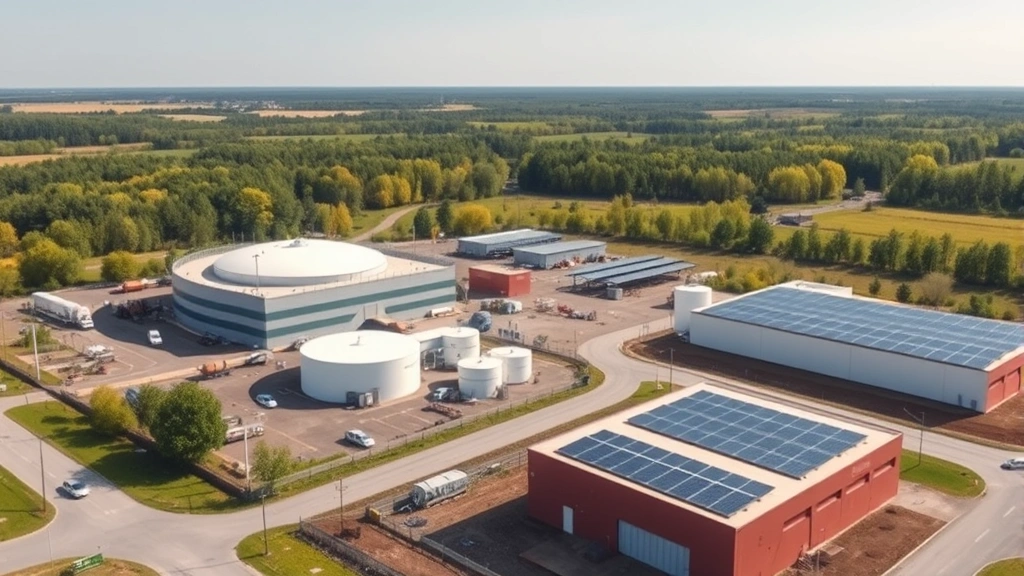
Renewable Energy Integration: Progressive gas depots increasingly power operations using renewable electricity. Solar panels on facility rooftops, wind energy contracts, or grid renewable energy purchasing reduce operational carbon footprints. This integration demonstrates how advantages of natural gas as a transition fuel can be maximized when paired with renewable energy infrastructure.
Digital Infrastructure: IoT sensors, artificial intelligence, and data analytics optimize depot operations, reducing energy consumption, improving safety responses, and enabling predictive maintenance. These technologies decrease operational waste while enhancing efficiency.
Carbon Capture Technologies: Emerging carbon capture, utilization, and storage (CCUS) technologies offer potential for gas depots to become carbon-neutral facilities. While still developing, these innovations could fundamentally reshape sustainability assessments of fossil fuel infrastructure.
Comparison with Alternative Energy Infrastructure
Assessing gas depot sustainability requires comparative analysis against infrastructure supporting alternative energy sources. This contextualization prevents misleading conclusions.
Renewable Energy Storage: Battery storage facilities supporting renewable energy integration require rare earth mining, manufacturing energy-intensity, and eventual recycling infrastructure. While battery technology improves continuously, current systems cannot match the energy density and long-term stability of gas storage. Gas depots provide seasonal and multi-year energy storage capabilities that batteries cannot currently replicate economically.
Hydrogen Infrastructure: Future hydrogen economy infrastructure will require storage and distribution networks similar to gas depots. Current hydrogen production relies heavily on natural gas reforming, making existing gas depot infrastructure potentially valuable for hydrogen transition. Rather than obsolescence, gas depots may transform into hydrogen distribution hubs.
Nuclear Facilities: Nuclear power plants require uranium mining, enrichment, and waste management infrastructure with distinct sustainability trade-offs. While producing zero operational emissions, nuclear infrastructure creates long-term radioactive waste challenges that gas depots avoid.
Coal Infrastructure: Compared to coal-based energy systems, gas depots supporting natural gas distribution represent substantially lower environmental impact. Coal mining devastates landscapes, coal combustion produces substantial emissions and particulate pollution, and coal ash creates long-term contamination risks—all exceeding gas depot impacts.
This comparative analysis suggests that gas depots, while imperfect, represent reasonable transitional infrastructure within broader energy system decarbonization strategies.
Future of Gas Depots in Energy Transition
The sustainability future of gas depots depends fundamentally on broader energy transition trajectories. Several scenarios merit consideration:
Declining Role with Electrification: If transportation and heating sectors transition rapidly toward electrification powered by renewables, gas depot demand may decline substantially. In this scenario, existing facilities might serve niche applications (industrial heat, backup power) while new construction slows significantly. This transition aligns with aggressive climate goals but requires massive infrastructure investment in electricity generation and distribution.
Hydrogen Transition: Alternative scenarios envision gas depots transforming into hydrogen distribution infrastructure. Since hydrogen production can utilize renewable electricity through electrolysis, gas depot networks could support low-carbon hydrogen economy development. This pathway leverages existing infrastructure while enabling decarbonization.
Biogas and Biomethane Integration: Gas depots can distribute renewable biogas produced from organic waste decomposition and agricultural residues. Blending biomethane into natural gas networks reduces fossil fuel dependence while utilizing existing distribution infrastructure. This circular economy approach maximizes sustainability value from gas depot networks.
Hybrid Energy Systems: Advanced energy systems combining renewable electricity, energy storage, and gas infrastructure offer flexibility and resilience. Gas depots supporting distributed energy resources may prove essential for achieving reliable, affordable, decarbonized energy systems. This systems-level perspective recognizes gas depots as components within complex solutions rather than standalone facilities.
Understanding the latest sustainability insights from SustainWise Hub helps stakeholders navigate these evolving energy landscapes and make informed decisions about infrastructure investment.
FAQ
Are gas depots required to reduce emissions?
Regulatory requirements vary by jurisdiction. The EPA requires monitoring and reporting of emissions from certain facilities, while some regions impose specific emission reduction targets. Progressive operators voluntarily adopt more stringent standards exceeding regulatory minimums, recognizing competitive and reputational advantages in sustainability-conscious markets.
Can gas depots achieve net-zero operations?
While operational emissions from gas depots themselves can approach zero through renewable energy powering, vapor recovery systems, and leak prevention, the fuel stored remains carbon-intensive. True net-zero would require carbon offsetting or transition toward zero-carbon fuels like hydrogen. Some operators pursue net-zero operational targets even as supply-chain emissions remain significant.
What makes a gas depot sustainable?
Sustainability encompasses multiple factors: minimized operational emissions through technology and renewable energy; rigorous safety and environmental compliance; transparent reporting and community engagement; investment in efficiency improvements; and strategic positioning within broader energy transition frameworks. No single factor determines sustainability; comprehensive approaches prove most credible.
How do gas depots compare environmentally to coal facilities?
Gas depots supporting natural gas distribution produce substantially lower environmental impact than coal infrastructure. Natural gas combustion generates approximately 50% fewer emissions than coal, and gas depots themselves involve minimal mining impact compared to coal extraction. However, both represent fossil fuel systems requiring transition toward renewables for long-term climate stability.
Will gas depots become obsolete?
Complete obsolescence remains unlikely in near-term scenarios. Even aggressive climate pathways typically envision natural gas playing some role through 2050, particularly in industrial applications and backup power. However, the scale of gas depot infrastructure may decline substantially as electrification and hydrogen economy development progress. Existing facilities may transform their purpose rather than disappear entirely.
How can communities ensure gas depot sustainability?
Communities can establish monitoring programs, require regular emissions reporting, mandate technology upgrades, enforce strict safety standards, and engage in transparent dialogue with operators. Supporting operators investing in sustainability improvements while holding non-compliant facilities accountable creates market incentives for environmental responsibility.