Eco-Friendly Gas Options for Mowers: Expert Tips for Sustainable Lawn Care
Maintaining a healthy lawn doesn’t have to come at the expense of environmental responsibility. When it comes to gas for lawn mower selection, homeowners face an increasingly important decision that impacts both their carbon footprint and air quality in their neighborhoods. Traditional gasoline-powered mowers contribute significantly to household emissions, with a single mower producing as much pollution in one hour as driving a car for several days. Fortunately, the landscape of lawn care fuel options has evolved dramatically, offering eco-conscious property owners multiple sustainable alternatives that don’t compromise on performance or reliability.
This comprehensive guide explores the most environmentally responsible gas options available for lawn mowers today, including conventional alternatives, biofuels, and the transition toward electric solutions. Whether you’re a seasoned gardener looking to upgrade your equipment or a new homeowner seeking sustainable practices from the start, understanding these options will help you make an informed decision that aligns with your environmental values.
Understanding Traditional Lawn Mower Fuel and Its Environmental Impact
The environmental consequences of conventional gasoline-powered lawn mowers are often underestimated by casual users. Small engines, including those found in lawn mowers, lack the sophisticated emissions control systems present in modern vehicles. According to the EPA’s Small Engines Division, a gas-powered lawn mower produces volatile organic compounds (VOCs) and nitrogen oxides that contribute to ground-level ozone formation and air quality degradation. Over a typical mowing season, a single residential lawn mower can emit as much pollution as a new passenger car driven approximately 11,000 miles.
Beyond air pollution, conventional gasoline contains additives and produces carbon dioxide emissions that contribute to climate change. The combustion of fossil fuels in lawn mowers releases greenhouse gases that accumulate in the atmosphere, exacerbating global warming trends. Additionally, improper fuel storage and disposal create soil and water contamination risks in residential areas. Understanding these impacts is the first step toward making more responsible fuel choices for your lawn care equipment.
When exploring sustainable energy solutions, lawn care represents an often-overlooked opportunity for meaningful environmental improvement. The collective impact of millions of residential mowers operating inefficiently across North America presents a significant opportunity for positive change through better fuel selection and equipment choices.
Ethanol-Blended Gasoline: A Step Toward Sustainability
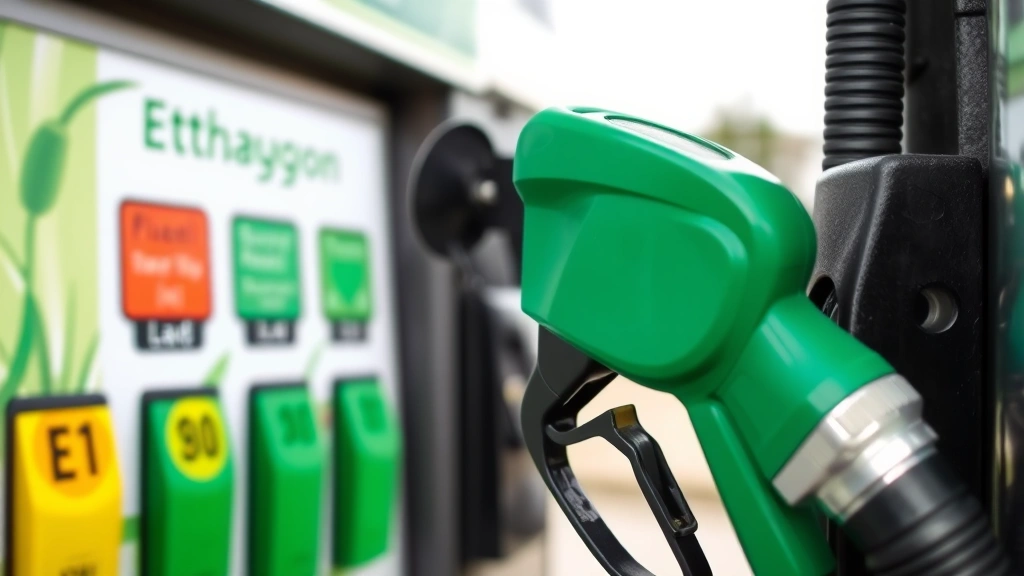
Ethanol-blended gasoline, commonly available as E10 (10% ethanol, 90% gasoline) or E15 (15% ethanol), represents the most widely accessible eco-friendly fuel option for existing lawn mowers. Ethanol is a renewable fuel produced from corn, sugarcane, or cellulosic materials, making it a domestically produced alternative to petroleum-based gasoline. The renewable energy content reduces dependence on fossil fuels and decreases net carbon emissions when considering the entire production lifecycle.
E10 fuel is compatible with virtually all lawn mowers manufactured after 2000 and requires no engine modifications. The ethanol component burns more cleanly than pure gasoline, producing fewer harmful emissions and reducing environmental impact. Many states have mandated ethanol blending in gasoline, making E10 the standard fuel at most pumps nationwide. However, it’s essential to check your mower’s manual before using E15, as some older or smaller engines may not be optimized for higher ethanol concentrations.
The benefits of ethanol-blended fuel extend beyond environmental considerations. Ethanol acts as a natural octane booster, potentially improving engine performance and fuel efficiency in compatible mowers. Additionally, the renewable nature of ethanol supports agricultural communities and reduces the economic volatility associated with petroleum price fluctuations. However, ethanol can absorb water more readily than pure gasoline, making proper fuel storage crucial—a topic we’ll explore in detail later in this guide.
Research from the U.S. Department of Energy’s Alternative Fuels Data Center indicates that widespread adoption of ethanol blends could reduce transportation sector emissions by approximately 2.3 million tons annually, demonstrating the cumulative impact of renewable fuel choices across multiple applications.
Premium and Top-Tier Gasoline for Cleaner Emissions
While not necessarily more sustainable in origin, premium and top-tier gasoline options can significantly reduce emissions from lawn mowers when standard fuel isn’t available. Top-tier gasoline, offered by major brands like Shell, Chevron, and Costco, contains enhanced detergents mandated by the EPA Tier 3 Gasoline Regulations, which help maintain cleaner engine combustion and reduce particulate emissions. These detergents prevent fuel injector and intake valve deposits, ensuring more efficient fuel burning and lower overall emissions.
Premium gasoline typically contains fewer sulfur compounds and aromatic hydrocarbons than regular fuel, contributing to cleaner combustion in small engines. For lawn mowers, using premium fuel can result in easier starting, more consistent performance, and reduced emissions—though at a higher cost. The decision to use premium fuel should be based on your mower’s manual recommendations and the availability of more sustainable alternatives in your area.
It’s important to distinguish between premium fuel’s octane rating and its environmental benefits. Higher octane doesn’t automatically mean cleaner emissions; instead, the enhanced detergent packages and refined composition provide environmental advantages. For those unable to access renewable fuel options immediately, selecting top-tier premium fuel represents a practical interim step toward reducing your mower’s environmental footprint.
Biodiesel and Renewable Fuel Options
Biodiesel represents an increasingly viable option for diesel-powered lawn mowers and equipment, though most residential mowers use gasoline engines. Biodiesel is produced from renewable resources like vegetable oils, animal fats, or used cooking oil, making it a genuinely sustainable fuel alternative. When blended with petroleum diesel (typically B20, containing 20% biodiesel), it reduces emissions and supports circular economy principles by utilizing waste products.
For those with diesel-powered equipment, biodiesel offers substantial environmental advantages. It biodegrades more readily than petroleum diesel, reducing soil and water contamination risks from spills. Biodiesel also improves engine lubricity, potentially extending equipment lifespan. However, biodiesel can be more challenging to source for small equipment, and some older engines may require modifications for optimal performance with higher biodiesel blends.
Advanced biofuels, including cellulosic ethanol and advanced biodiesel, represent the frontier of sustainable fuel technology. These fuels are produced from non-food agricultural waste, algae, or other renewable sources, offering environmental benefits without competing with food production. As technology advances and infrastructure develops, these options will become increasingly accessible to residential users. Learning about environmental sustainability examples demonstrates how emerging fuel technologies contribute to broader climate solutions.
The sustainability profile of any biofuel depends significantly on production methods and transportation distances. Locally produced biofuels with low carbon footprints offer superior environmental benefits compared to fuel transported across vast distances. When evaluating biodiesel or advanced biofuel options, research the fuel’s origin and production process to ensure genuine environmental improvement.
Transitioning to Electric and Battery-Powered Mowers
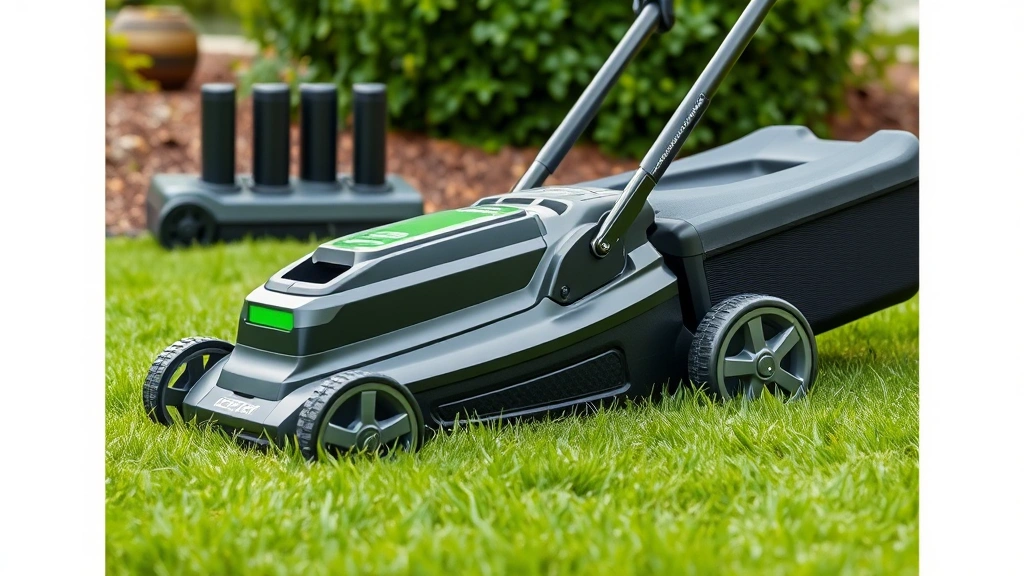
The most environmentally responsible approach to lawn care involves transitioning away from gas-powered equipment entirely. Electric and battery-powered lawn mowers represent the future of sustainable lawn maintenance, eliminating direct emissions, reducing noise pollution, and requiring minimal maintenance compared to traditional mowers. Modern lithium-ion battery technology has advanced significantly, with commercial-grade cordless mowers now matching or exceeding the runtime and cutting performance of gas-powered alternatives.
Battery-powered mowers offer numerous advantages beyond environmental benefits. They require no fuel purchasing, mixing, or storage—eliminating the hassles and safety concerns associated with gasoline. Starting is instantaneous; there’s no pull-cord frustration or seasonal tune-ups. Maintenance is dramatically simplified, with no spark plugs, air filters, or oil changes. Over a mower’s lifetime, electric models typically cost less to operate despite higher initial purchase prices. The noise reduction also creates a more pleasant mowing experience and respects neighborhood tranquility.
Understanding the full environmental impact of electric mowers requires considering electricity sources. In regions powered by renewable energy sources, electric mowers provide near-zero operational emissions. Even in areas relying on conventional grid electricity, battery-powered mowers produce fewer lifetime emissions than gas-powered alternatives due to superior efficiency. Charging during off-peak hours when renewable energy generation is higher further improves environmental outcomes.
For property owners with larger lawns, dual-battery systems and fast-charging technology address runtime concerns effectively. Premium brands now offer mowers with 60+ minute runtimes on a single charge, sufficient for most residential properties. As you explore advantages of electric vehicles, many principles apply directly to electric lawn equipment—reduced emissions, lower operational costs, and decreased environmental impact.
The transition to electric mowers also supports broader climate goals. According to environmental organizations like the Center for Climate and Energy Solutions, widespread adoption of battery-powered lawn equipment could prevent millions of tons of annual emissions while reducing air pollution in residential neighborhoods where families and children spend significant time outdoors.
Proper Fuel Selection and Storage Best Practices
Regardless of which fuel option you select for your gas-powered mower, proper storage and handling practices are essential for environmental protection and equipment longevity. Gasoline should be stored in approved containers away from heat sources, direct sunlight, and areas accessible to children or pets. Never store fuel indoors or in living spaces; outdoor storage in well-ventilated areas minimizes fire and health risks.
Fuel degradation is a critical concern, particularly for seasonal equipment like lawn mowers. Gasoline oxidizes over time, forming varnish and gum deposits that clog fuel systems and degrade engine performance. For mowers used seasonally, fuel stabilizers extend storage life and prevent costly repairs. Alternatively, using fresh fuel at the beginning of each season ensures optimal performance and reduces emissions from incomplete combustion caused by stale fuel.
When selecting gas for lawn mower storage containers, choose those specifically designed for fuel storage with tight-sealing caps that prevent evaporation and contamination. Keep detailed records of fuel purchase dates and use older fuel first to maintain freshness. Never dispose of gasoline down drains or in regular trash; instead, take unused fuel to hazardous waste collection facilities or authorized recycling centers. Proper disposal prevents environmental contamination and protects groundwater resources.
For those transitioning to electric equipment, proper battery storage practices are equally important. Store batteries in cool, dry locations and charge them according to manufacturer specifications. Most modern lithium-ion batteries have built-in management systems preventing overcharging and maintaining health during extended storage periods. Responsible battery disposal through manufacturer take-back programs ensures valuable materials are recovered and recycled appropriately.
The relationship between fuel quality and emissions extends beyond just environmental impact. Lower-quality fuel with inconsistent composition produces more variable emissions and requires engines to work harder, accelerating wear and reducing efficiency. Investing in quality fuel, whether conventional, ethanol-blended, or premium options, ultimately reduces both environmental footprint and long-term maintenance costs.
Maintenance Tips for Optimal Mower Performance
Proper maintenance directly impacts fuel efficiency and emissions reduction, making it an essential component of eco-friendly lawn care. Regular tune-ups ensure engines operate at peak efficiency, burning fuel completely and producing minimal emissions. Basic maintenance tasks include checking and replacing spark plugs, cleaning or replacing air filters, and keeping fuel injectors clean through quality fuel selection and additives.
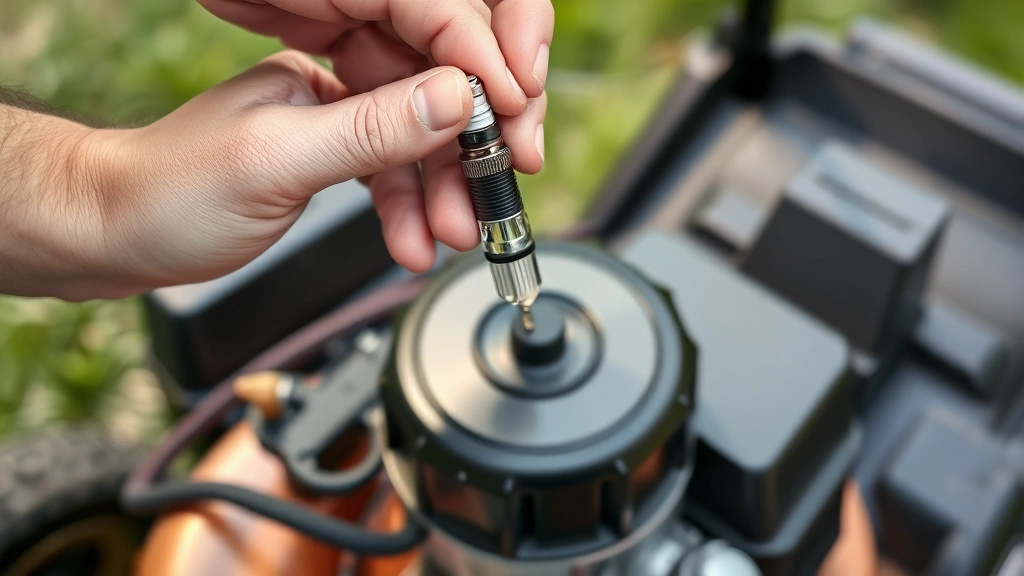
Air filter maintenance deserves particular attention, as clogged filters force engines to run rich (burning excess fuel), increasing emissions and reducing efficiency. Inspect air filters monthly during the mowing season and replace them when visibly dirty. Similarly, spark plug condition directly affects combustion efficiency; worn plugs create incomplete fuel burning and higher emissions. Replacing spark plugs annually or according to manufacturer recommendations maintains optimal performance.
Oil changes, though less frequent than in automobiles, remain crucial for small engine health. Clean oil reduces internal friction and heat generation, allowing engines to operate more efficiently. Check oil levels before each use and change oil according to manufacturer specifications, typically every 50-100 hours of operation. Dispose of used oil responsibly at recycling centers rather than pouring it down drains or into soil.
Blade sharpness significantly impacts fuel efficiency and cutting quality. Dull blades require engines to work harder, consuming more fuel and producing greater emissions while creating ragged grass cuts that stress plants. Sharp blades cut cleanly with less engine strain, reducing fuel consumption and emissions. Have blades professionally sharpened or sharpen them yourself at least annually, or more frequently with heavy use.
Seasonal winterization and spring preparation prevent fuel degradation and ensure reliable starting. Before storing mowers for extended periods, either drain fuel completely or add stabilizers to prevent varnish formation. Clean underneath the mower deck to prevent grass buildup that increases weight and fuel consumption. Proper storage practices extend equipment lifespan while maintaining environmental responsibility year-round.
Regular maintenance also extends equipment lifespan, reducing the environmental impact of manufacturing replacement mowers. A well-maintained mower can operate effectively for 10+ years, whereas neglected equipment may fail within 3-5 years. From a lifecycle perspective, investing time in maintenance provides significant environmental benefits alongside economic savings.
FAQ
What’s the best eco-friendly gas for lawn mowers?
The most environmentally responsible approach involves transitioning to electric or battery-powered mowers, which eliminate direct emissions entirely. For those continuing with gas-powered equipment, ethanol-blended E10 fuel offers excellent sustainability benefits while maintaining compatibility with nearly all mowers. Premium top-tier gasoline provides cleaner emissions through enhanced detergent packages. The best choice depends on your specific mower model, local fuel availability, and long-term sustainability goals.
Can I use E15 fuel in my lawn mower?
E15 fuel compatibility depends on your mower’s age and engine specifications. Most mowers manufactured after 2012 can safely use E15, but older models may only be approved for E10. Always consult your mower’s manual before using fuel blends higher than E10, as incompatibility can cause engine damage. The EPA provides detailed guidance on ethanol blend compatibility for various small engines.
How does ethanol-blended fuel affect mower performance?
Ethanol-blended fuel typically improves mower performance through its octane-boosting properties, promoting smoother combustion and easier starting. However, ethanol’s hygroscopic nature means it absorbs water more readily than pure gasoline. This requires proper storage in sealed containers away from moisture. When stored correctly, E10 fuel performs excellently in lawn mowers while reducing environmental impact.
Are electric mowers suitable for large lawns?
Modern electric mowers with dual-battery systems and fast-charging technology effectively handle large residential properties. Most commercial-grade cordless mowers offer 60+ minute runtimes, sufficient for lawns up to one acre. For properties larger than one acre, robotic mowers or professional services may be more practical, though these typically use electric power as well.
What should I do with old gasoline?
Never dispose of gasoline in regular trash, drains, or soil. Instead, take unused fuel to hazardous waste collection facilities, recycling centers, or authorized fuel retailers that accept used gasoline. Many communities organize hazardous waste collection events seasonally. Proper disposal prevents environmental contamination and protects groundwater resources from fuel contamination.
How often should I replace my mower’s spark plugs?
Replace spark plugs annually or according to your mower’s manual specifications, typically every 50-100 hours of operation. Regular spark plug replacement maintains combustion efficiency, reduces emissions, and ensures reliable starting. Worn spark plugs increase fuel consumption and produce higher emissions, making this simple maintenance crucial for environmental responsibility.
Does fuel quality really impact emissions?
Absolutely. Higher-quality fuel with consistent composition and enhanced detergents burns more completely, producing fewer emissions and reducing engine strain. Top-tier gasoline from major brands contains EPA-mandated detergents that maintain cleaner combustion. Poor-quality fuel leads to incomplete burning, increased emissions, and accelerated engine wear—making quality fuel selection an important sustainability factor.


