
Gas vs Electric Dirt Bikes: Comprehensive Eco Impact Analysis
The debate between gas powered dirt bikes and electric alternatives has intensified as environmental consciousness grows among outdoor enthusiasts. While traditional gas-powered models have dominated the off-road market for decades, electric dirt bikes are rapidly gaining traction with improvements in battery technology, performance capabilities, and charging infrastructure. Understanding the true environmental impact of each option requires examining emissions, resource extraction, operational efficiency, and lifecycle considerations that extend far beyond simple fuel comparisons.
This comprehensive analysis explores the ecological footprint of both technologies, helping riders make informed decisions that align with their environmental values. Whether you’re a weekend trail enthusiast or serious competitor, the choice between gas and electric has profound implications for air quality, wildlife habitats, noise pollution, and climate change mitigation efforts in off-road environments.
Emissions and Air Quality Impact
Gas powered dirt bikes emit significant quantities of nitrogen oxides (NOx), particulate matter, and volatile organic compounds (VOCs) that contribute to ground-level ozone formation and respiratory health problems. A single gas dirt bike can produce emissions equivalent to 8-10 cars per hour during operation, according to research from the EPA’s air quality monitoring. These pollutants accumulate in confined riding areas, affecting both riders and nearby communities.
The combustion process in two-stroke engines—common in gas powered dirt bikes—is particularly problematic because they burn oil mixed with fuel, releasing unburned hydrocarbons directly into the atmosphere. Four-stroke engines improve efficiency somewhat, but still produce harmful tailpipe emissions. In contrast, electric dirt bikes generate zero direct emissions during operation, making them substantially cleaner in terms of air quality impact at the point of use.
However, the electricity powering electric bikes originates from the grid, which may rely on fossil fuel power plants depending on your region. In areas with renewable energy sources like wind, solar, or hydroelectric power, the emissions advantage becomes overwhelming. Even in regions with mixed energy grids, electric dirt bikes typically produce 50-70% fewer emissions over their operational lifetime compared to gas-powered equivalents.
Fuel Sources and Resource Extraction
Understanding the upstream environmental costs of fuel sources reveals critical differences between these technologies. Natural gas and petroleum extraction involve extensive drilling operations that disrupt ecosystems, contaminate groundwater, and contribute to methane leakage—a greenhouse gas 28-34 times more potent than carbon dioxide over a 100-year period.
Gasoline production requires refining crude oil, a process consuming enormous amounts of water and energy while generating toxic byproducts. The extraction, transportation, and refining of fossil fuels collectively account for approximately 30% of total lifecycle emissions from gas powered dirt bikes before they even reach the rider. Oil spills during extraction and transport create environmental disasters affecting marine and terrestrial ecosystems for decades.
Electric dirt bikes rely on electricity generated through increasingly diverse sources. In 2024, the U.S. electric grid includes approximately 23% renewable energy, with this percentage growing annually. Battery production requires mining lithium, cobalt, and other minerals—a legitimate environmental concern—but these materials are recyclable and required only once per bike, unlike the continuous fuel consumption of gas models. Responsible mining practices and battery recycling programs are expanding rapidly to address these concerns.
The transition toward sustainable energy solutions directly benefits electric dirt bike owners, as grid decarbonization automatically reduces the emissions associated with charging without any changes to the vehicle itself. Gas powered dirt bikes cannot benefit from such improvements.
Operational Efficiency and Performance
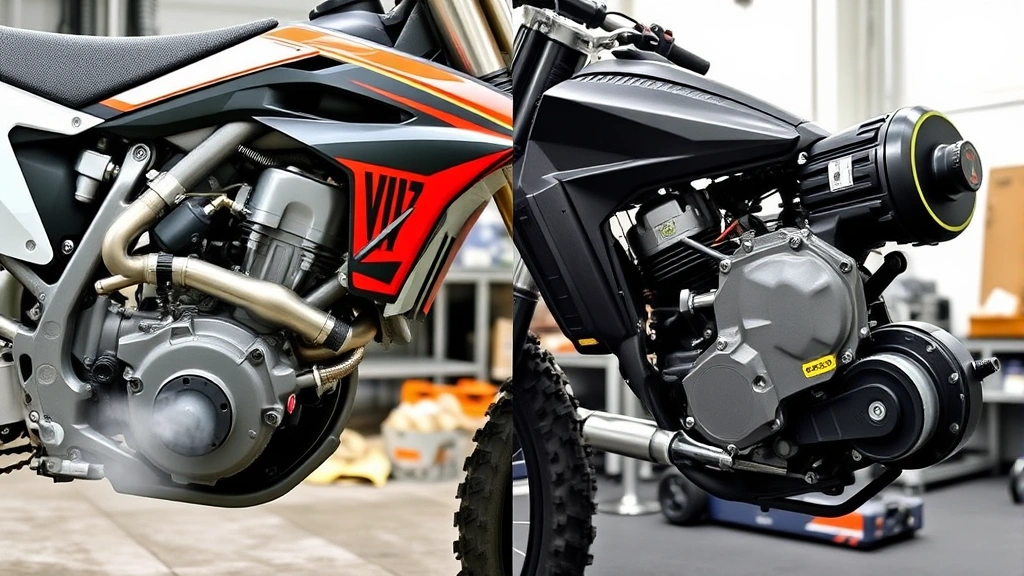
Electric motors operate at 85-90% efficiency, converting electrical energy directly into mechanical power with minimal waste heat. Gas engines achieve only 20-30% thermal efficiency, losing most fuel energy as heat through the exhaust and cooling systems. This fundamental physics advantage means electric dirt bikes require significantly less energy input to achieve equivalent performance.
A gas powered dirt bike consumes approximately 1-2 gallons per hour during typical riding, while an electric equivalent requires charging energy equivalent to 0.3-0.5 gallons of gasoline. This efficiency advantage translates directly to reduced environmental impact and lower operational costs. Electric motors also provide instant torque delivery, enabling lighter, more nimble bikes that reduce soil compaction and trail damage compared to heavier gas-powered models.
Battery technology advances have dramatically improved electric dirt bike range and performance. Modern lithium-ion batteries provide 30-60 miles of riding per charge, sufficient for most recreational sessions. Charging times have decreased to 4-6 hours for standard chargers and 1-2 hours with fast-charging systems. Electric vehicles increasingly demonstrate advantages in performance metrics, with electric dirt bikes now matching or exceeding gas-powered counterparts in acceleration and hill-climbing ability.
The reduction in moving parts—electric motors have no oil changes, spark plugs, air filters, or transmission fluid—minimizes maintenance requirements and prevents fluid leaks that contaminate soil and water sources. This operational simplicity reduces long-term environmental impact from maintenance-related waste and chemical pollution.
Noise Pollution Effects
Gas powered dirt bikes generate 96-110 decibels of noise during operation, comparable to a chainsaw or lawn mower. This noise pollution disrupts wildlife communication, breeding patterns, and sleep cycles for animals across large areas. Studies show that off-road vehicle noise causes behavioral changes in birds, mammals, and insects up to 1-2 miles from riding areas, affecting ecosystem functioning and biodiversity.
Electric dirt bikes operate at 60-75 decibels, roughly equivalent to normal traffic or conversation levels. This dramatic noise reduction enables extended riding hours without disturbing communities adjacent to trails, allows for riding in more areas with noise restrictions, and significantly reduces stress on wildlife. The ability to ride quietly preserves the natural soundscape that many outdoor enthusiasts seek when venturing into wilderness areas.
The noise advantage of electric models particularly benefits public lands management, as many trail systems near residential areas face pressure to restrict or eliminate off-road vehicle access due to noise complaints. Electric dirt bikes offer a path forward that accommodates both recreation and community quality of life, potentially expanding trail access rather than restricting it.
Lifecycle and Manufacturing Impact
A complete environmental assessment must examine manufacturing emissions, material sourcing, product lifespan, and end-of-life disposal. Gas powered dirt bikes typically weigh 200-250 pounds and require less material-intensive manufacturing, but this advantage is offset by their shorter operational lifespans and higher fuel consumption over time.
Electric dirt bikes weigh 150-200 pounds due to battery integration and lighter component design. Manufacturing emissions are higher per bike due to battery production—approximately 2-4 tons of CO2 equivalent per battery unit. However, this upfront manufacturing carbon debt is recovered within 6-12 months of typical riding through operational emission reductions. After this break-even point, every additional month of riding extends the environmental advantage.
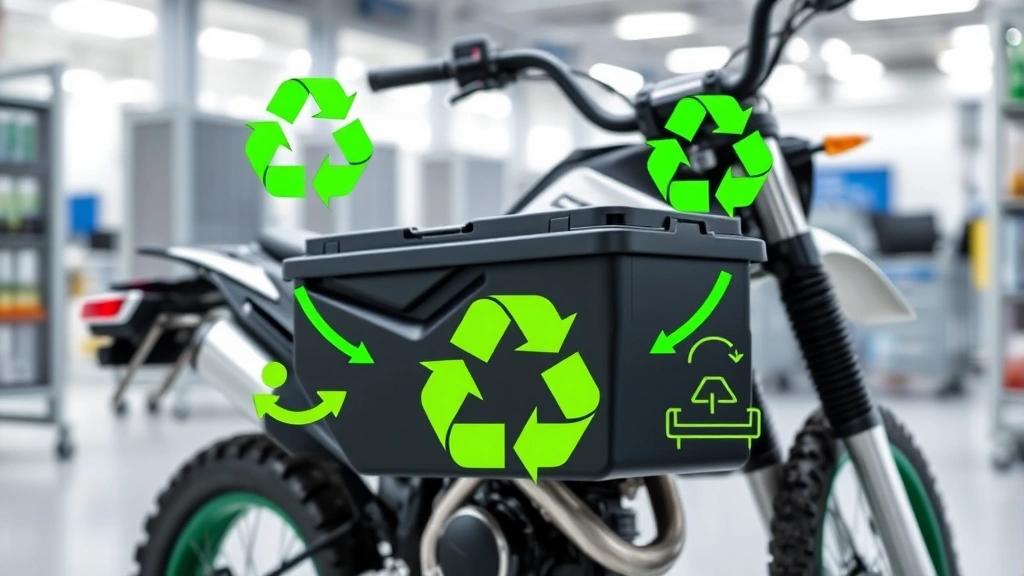
Battery lifespan has improved substantially, with modern lithium-ion systems retaining 80-90% capacity after 1,000+ charge cycles, equivalent to 30,000-60,000 miles of riding. When batteries eventually reach end-of-life, they enter recycling streams recovering 90%+ of materials for reuse in new batteries or other applications. Second-life applications extend battery utility further—used dirt bike batteries power stationary energy storage systems before final recycling.
Gas powered dirt bikes operate for 5-10 years typically, consuming 500-1,500 gallons of fuel during their lifetime. Each gallon burned releases approximately 20 pounds of CO2 and produces additional air pollutants. Total lifecycle emissions for gas models frequently exceed 50,000 pounds of CO2 equivalent when manufacturing, fuel production, and combustion are combined.
Electric dirt bikes with proper maintenance function for 10-15 years, with battery replacement extending operational life further. Lifecycle analysis from peer-reviewed environmental studies demonstrates that electric dirt bikes produce 60-75% lower total lifecycle emissions compared to gas-powered alternatives, even when accounting for battery manufacturing in regions with moderate renewable energy penetration.
Cost Considerations and Accessibility
Electric dirt bikes currently cost $3,000-8,000, compared to $2,000-5,000 for comparable gas models, creating an initial purchase barrier. However, lifecycle cost analysis reveals compelling economics. Gas bikes require regular maintenance—oil changes ($30-50 every 5 hours), spark plug replacements, air filter cleaning, and seasonal tune-ups costing $200-400 annually. Fuel costs average $15-25 per riding session.
Electric bikes require minimal maintenance beyond tire care and brake pads, costing $50-100 annually. Charging costs depend on local electricity rates, typically $1-3 per full charge, substantially lower than fuel expenses. Over 10 years of regular riding, total ownership costs are comparable or lower for electric models despite higher initial purchase prices.
Accessibility concerns are legitimate—not all riders can afford premium electric models, and rural areas may lack charging infrastructure. However, the market is rapidly expanding with affordable options emerging from manufacturers like Segway and established brands introducing budget-friendly models. Public charging networks are expanding, and home charging installation is increasingly affordable and accessible.
Green technology innovations continue transforming accessibility across recreational equipment sectors. Used electric dirt bike markets are developing, improving affordability for budget-conscious buyers. Government incentives in some regions provide rebates or tax credits for electric recreational vehicles, improving accessibility further.
Future Trends in Off-Road Technology
The off-road recreational vehicle industry is undergoing rapid transformation driven by environmental regulations, consumer preferences, and technological advancement. California’s air quality regulations already restrict gas-powered off-road vehicles in many areas, creating regulatory tailwinds for electric alternatives. Other states are considering similar restrictions, accelerating market transition.
Battery technology advances promise 40% energy density improvements within five years, extending range to 80-100 miles per charge while reducing costs 20-30%. Solid-state batteries under development will further improve performance and safety. Charging infrastructure expansion will soon enable riders to access public charging networks comparable to automotive infrastructure.
Motor efficiency improvements and regenerative braking systems will enhance energy recovery, extending range and reducing charging requirements. Multi-battery systems may enable modular configurations where riders swap depleted batteries for charged units, eliminating charging time constraints.
Hybrid systems combining small gas engines with electric motors offer transitional solutions, though they ultimately cannot match pure electric efficiency advantages. Similar hybrid debates in other sectors show that pure electric solutions ultimately dominate as technology matures.
Industry consolidation will likely accelerate, with established motorcycle manufacturers investing heavily in electric dirt bike development. This investment signals long-term market confidence and will drive innovation, cost reduction, and expanded model availability.
FAQ
What is the actual environmental impact difference between gas and electric dirt bikes?
Electric dirt bikes produce 60-75% lower lifecycle emissions than gas-powered models, even accounting for battery manufacturing. The emissions advantage increases in regions with higher renewable energy penetration and grows over the bike’s operational lifetime as grid electricity becomes cleaner.
Are electric dirt bikes really quiet enough to make a difference?
Yes—electric models operate at 60-75 decibels compared to 96-110 decibels for gas bikes. This 30-35 decibel reduction represents a massive improvement in noise pollution, affecting wildlife and community noise levels significantly. The quieter operation enables riding in more locations and at more times without disturbing others.
How long does it take to break even on the higher purchase price of electric dirt bikes?
Most riders break even within 5-7 years when comparing total ownership costs including fuel, maintenance, and repairs. Riders in areas with low electricity costs or those with high annual riding hours achieve break-even faster. Over 10-year ownership periods, electric models typically cost less overall.
What happens to electric dirt bike batteries at end of life?
Modern lithium-ion batteries are 90%+ recyclable, with materials recovered for reuse in new batteries or other applications. Second-life applications extend battery utility by powering stationary energy storage systems. Responsible recycling programs are expanding rapidly, ensuring environmental protection throughout battery lifecycles.
Can I charge an electric dirt bike at home?
Yes—standard 110-volt household outlets provide charging capability, though charging times extend to 8-10 hours. Installing a 220-volt charger reduces charging time to 4-6 hours and is increasingly affordable. Most riders charge overnight, making home charging convenient for regular use.
Do electric dirt bikes perform as well as gas-powered models?
Modern electric dirt bikes match or exceed gas-powered performance in acceleration, hill-climbing, and overall rideability. Electric motors provide instant torque delivery, creating responsive handling that many riders prefer. Range limitations for extended backcountry riding remain, but recreational riding distances are well within electric capabilities.
Are there government incentives for purchasing electric dirt bikes?
Some states and municipalities offer rebates or tax credits for electric recreational vehicles. Incentive programs vary by location and change regularly. Checking with local environmental agencies and manufacturer websites reveals current incentive availability in your area.
How does battery weight affect electric dirt bike handling?
Modern electric dirt bikes actually weigh less overall than comparable gas models despite battery integration, thanks to lighter component design and eliminated gas engine complexity. The lower weight improves handling, acceleration, and trail performance in many riding conditions.


