
Gas vs Electric Water Heater: Comprehensive Pros and Cons Guide
Choosing between a gas or electric water heater is one of the most impactful decisions homeowners make for their energy consumption and household budget. Water heating accounts for approximately 17-21% of residential energy use, making this choice significant for both your utility bills and environmental impact. Understanding the fundamental differences, advantages, and disadvantages of each option empowers you to select the system that best aligns with your home’s needs, climate, and sustainability goals.
This comprehensive guide examines both technologies side-by-side, exploring efficiency ratings, operating costs, environmental considerations, installation requirements, and long-term value. Whether you’re replacing an aging unit or building a new home, the information here will help you make an informed decision that balances comfort, affordability, and ecological responsibility.
How Gas and Electric Water Heaters Work
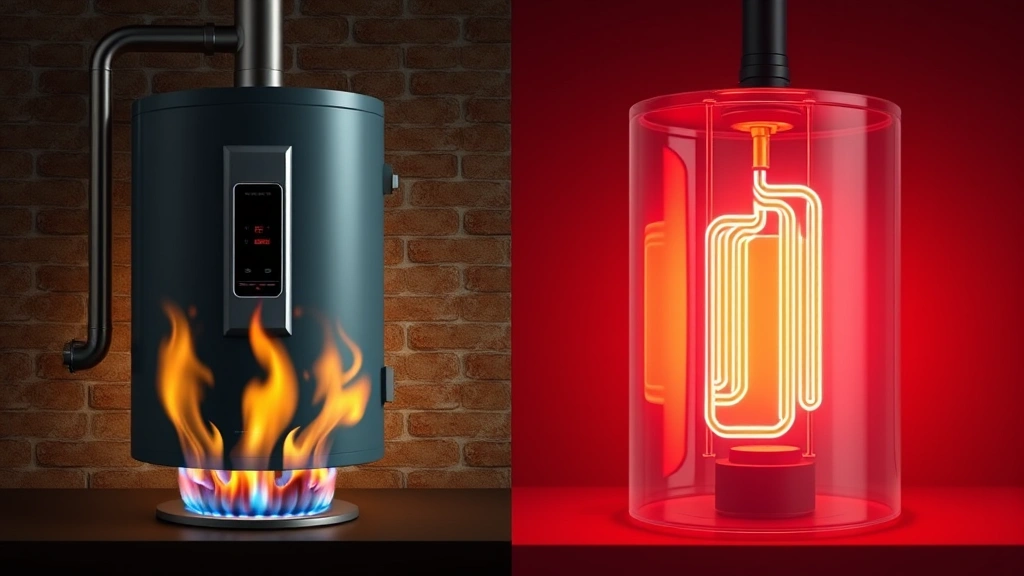
Understanding the basic mechanics of each system helps clarify why they perform differently. Gas water heaters use a burner beneath the tank to heat water directly. Natural gas or propane ignites in a combustion chamber, and the resulting heat transfers through the tank’s base. A thermostat maintains your desired temperature, and a flue vents combustion byproducts outside. This straightforward process has been refined over decades, making gas systems reliable and predictable.
Electric water heaters operate using one or two electric heating elements submerged directly in the water tank. When you demand hot water, electricity flows through these resistive elements, which heat up and transfer thermal energy to surrounding water. The thermostat cycles the heating elements on and off to maintain set temperature. This direct immersion method differs fundamentally from gas combustion, influencing efficiency, response time, and operational characteristics.
Newer heat pump water heaters represent a hybrid approach, using electricity to move heat from surrounding air into water rather than generating heat directly. While beyond this article’s scope, understanding traditional electric systems provides foundation knowledge for evaluating all electric options. Explore sustainable energy solutions to learn about emerging water heating technologies.
Energy Efficiency Comparison
Efficiency ratings reveal how effectively each system converts fuel into usable hot water. The Energy Star program and DOE establish standardized testing procedures that allow direct comparisons.
Gas water heater efficiency typically ranges from 60-85%, depending on model and age. Older units may perform closer to 60%, while modern high-efficiency models approach 85%. This seemingly lower percentage reflects combustion losses—heat escaping through the flue and tank surface. Despite this, gas systems remain popular because natural gas pricing often makes them economically attractive despite lower thermal efficiency.
Electric water heater efficiency reaches 90-99% because all electrical energy converts to heat with minimal loss. No combustion byproducts escape, and no flue is needed. This superior efficiency explains why electric systems generate less wasted energy per unit of heat produced. However, the electricity powering these heaters may originate from less efficient power plants, a consideration when evaluating true environmental impact.
For homeowners seeking maximum efficiency, tankless water heaters offer compelling advantages. Tankless electric models achieve 98-99% efficiency by heating water only when needed, eliminating standby losses. Tankless gas units reach 85-90% efficiency. While higher upfront costs exist, reduced energy consumption over time justifies consideration for sustainability-focused households.
The EPA recommends checking the Energy Factor (EF) label on all water heaters. Higher EF values indicate better efficiency. When comparing models, prioritize EF ratings alongside type selection to optimize performance.
Operating Costs and Expenses
While electric heaters demonstrate superior efficiency, operating costs depend on local energy pricing—a critical factor homeowners often overlook. This is where the gas or electric water heater decision becomes genuinely complex.
Natural gas costs typically range from $0.50-$1.50 per therm (100,000 BTU), though prices fluctuate seasonally and regionally. In areas with abundant natural gas infrastructure, fuel costs remain relatively stable and competitive. A household using 40 gallons daily might spend $20-40 monthly on gas water heating, translating to $240-480 annually.
Electricity costs average $0.10-$0.20 per kilowatt-hour nationally, but vary significantly by region. Hawaii and California pay substantially more, while Louisiana and Oklahoma pay considerably less. An electric water heater for the same 40-gallon daily usage might cost $30-60 monthly, or $360-720 annually, depending on local rates. In high-electricity-cost regions, this difference becomes substantial over years.
Total cost of ownership extends beyond fuel expenses. Gas systems typically cost $500-1,500 installed, while electric units range $300-1,200. However, gas installation often requires venting infrastructure and professional inspection, potentially adding $500-1,500. Electric installation is usually simpler if adequate circuits exist, potentially costing $200-800. Over a 10-15 year lifespan, these installation differences matter less than cumulative operating expenses.
Calculate your specific scenario: multiply daily hot water usage by heating requirements, then apply local energy rates. Most utility companies provide historical usage data that enable precise projections. This personalized analysis trumps generic comparisons.
Explore how to reduce your environmental footprint for strategies minimizing water heating energy consumption regardless of fuel type.
Environmental Impact Analysis
Environmental considerations extend beyond operational efficiency to encompass full lifecycle impacts, energy sources, and carbon footprints. This holistic perspective reveals nuanced differences between gas and electric systems.
Direct emissions from gas water heaters include carbon dioxide, methane, and nitrogen oxides released during combustion. A typical household gas water heater generates approximately 1-2 tons of CO2 annually. Additionally, natural gas extraction and distribution involve methane leakage—a greenhouse gas 28-34 times more potent than CO2 over 100 years. These upstream emissions often exceed direct combustion impacts.
Electric water heaters produce zero direct emissions, but their environmental impact depends entirely on electricity grid composition. In regions powered primarily by renewable energy (California, Vermont, Washington), electric systems are substantially cleaner. In coal-heavy grids (West Virginia, Wyoming), electric water heaters may generate more emissions than efficient gas systems. Most U.S. grids are transitioning toward renewables, making this calculation increasingly favorable for electric systems over time.
The EPA’s greenhouse gas emissions calculator provides region-specific data for comparing your actual environmental impact based on local grid composition.
Water consumption differs subtly between systems. Gas units require minimal water for operation, though flue water loss occurs. Electric systems produce no combustion losses. For drought-conscious homeowners, this distinction matters less than overall water heating reduction strategies.
Manufacturing impacts are comparable between technologies. Both require steel tanks, insulation, and controls. Gas systems include burners and vents; electric systems include heating elements. Neither technology demonstrates clear manufacturing advantage.
The Natural Resources Defense Council advocates for electrification strategies that replace fossil fuel appliances with electric alternatives powered by renewable energy. This perspective supports long-term shifts toward electric systems as grids decarbonize.
Consider advantages of electric vehicles for parallel insights into how electrification supports climate goals when paired with renewable energy development.
Installation and Infrastructure Requirements
Practical installation considerations often determine which system makes sense for your specific home and situation.
Gas water heater installation requires several infrastructure elements. Your home must have natural gas supply lines or propane delivery capability. A venting system (flue or power vent) must safely exhaust combustion byproducts outdoors—either through existing chimneys or new ductwork. Many jurisdictions mandate professional installation by licensed technicians. Building codes require specific clearances from combustible materials and adequate fresh air supply for combustion. These requirements increase installation complexity and cost but ensure safe operation.
Electric water heater installation is generally simpler if your home has adequate electrical service. Most require either a 240-volt, 30-40 amp circuit (standard for modern homes) or 120-volt service for smaller units. Installation involves disconnecting the old heater, running appropriate wiring, and connecting supply/drain lines. Many homeowners can handle installation themselves, though hiring licensed electricians ensures code compliance. Power requirements are the primary consideration—homes with limited electrical capacity may need service upgrades.
Retrofit situations often favor electric systems. Replacing an electric heater with another electric unit requires minimal changes. Converting from gas to electric requires removing gas lines (or capping them) and potentially upgrading electrical service. Conversely, switching from electric to gas requires new gas line installation and venting infrastructure. These conversion costs can swing decisions toward maintaining existing fuel type despite potential long-term savings.
Consult natural gas news for updates on infrastructure changes affecting gas availability in your region.
Lifespan and Maintenance Requirements
Gas water heater lifespan typically extends 8-12 years with proper maintenance. Annual inspections should verify burner function, check for corrosion, and ensure venting operates safely. Sediment accumulation in the tank requires periodic flushing. The thermocouple and gas valve components may require replacement during the unit’s life. Regular maintenance extends lifespan toward the 15-year mark but involves ongoing costs.
Electric water heater lifespan averages 10-15 years, often exceeding gas systems with appropriate care. Heating elements may require replacement ($150-300) every 5-10 years depending on water hardness and usage patterns. Annual flushing prevents sediment buildup that reduces efficiency and damages elements. Electric systems require less specialized maintenance—homeowners can perform many tasks without professional help.
Water hardness dramatically affects longevity for both systems. Hard water deposits accumulate on heating surfaces, reducing efficiency and lifespan. Installing a water softener or using descaling treatments extends equipment life significantly. This consideration applies equally to gas and electric systems but becomes more critical in hard water regions.
Anode rod replacement is essential maintenance for tank-type heaters. These sacrificial rods corrode preferentially to tank steel, extending tank life. Replacing anode rods every 3-5 years costs $100-200 but prevents catastrophic tank failure. Many homeowners neglect this maintenance, leading to premature failure.
Performance and Recovery Speed
Real-world performance differences affect daily comfort and household satisfaction.
Gas water heater recovery rate typically ranges 40-60 gallons per hour. This means a 50-gallon tank can supply 40-60 gallons of hot water, then reheat another batch within one hour. For families with multiple showers or substantial hot water demand, this rapid recovery is invaluable. The powerful burner reheats water quickly compared to electric systems.
Electric water heater recovery rate is significantly slower—typically 15-35 gallons per hour depending on element wattage. A 50-gallon electric tank might deliver 50 gallons of hot water, requiring 2-3 hours for complete reheating. Large families often experience hot water depletion during peak usage periods. This performance gap is the primary reason many households prefer gas despite higher environmental concerns.
Larger tank capacity compensates for slower electric recovery. Installing a 75 or 80-gallon electric tank provides adequate hot water for most households even with slower recovery. This solution increases upfront costs but improves daily experience.
Tankless systems excel in recovery speed. Tankless electric units deliver unlimited hot water within minutes of demand. Tankless gas units provide even faster response. These advantages explain growing popularity despite higher initial investment.
FAQ
Is gas or electric water heater cheaper to operate?
Operating costs depend primarily on local energy prices. In regions with inexpensive natural gas, gas systems typically cost 30-50% less to operate annually. In high-electricity-cost areas or where gas is unavailable, electric systems may be comparable or cheaper. Calculate your specific scenario using local utility rates and household hot water usage. Most utility websites provide historical consumption data enabling accurate projections.
Which water heater is better for the environment?
The answer depends on your electricity grid’s composition. In regions powered by renewable energy, electric water heaters are substantially cleaner. In coal-heavy grids, efficient gas systems might produce fewer emissions. However, as grids transition toward renewables, electric systems become increasingly advantageous. Natural gas extraction involves methane leakage that amplifies climate impact beyond direct combustion emissions. Long-term environmental considerations generally favor electrification strategies.
How long do gas and electric water heaters last?
Gas water heaters typically last 8-12 years with proper maintenance, sometimes extending to 15 years. Electric systems often reach 10-15 years or longer. Lifespan depends heavily on water hardness, maintenance consistency, and usage patterns. Annual flushing and anode rod replacement significantly extend equipment life for both types.
Can I switch from gas to electric water heater?
Yes, but conversion involves infrastructure changes. You’ll need adequate electrical service capacity, potentially requiring a service upgrade ($1,000-3,000). Gas line removal or capping is necessary. Conversely, switching from electric to gas requires gas line installation and venting infrastructure. These conversion costs often justify maintaining your existing fuel type unless long-term savings clearly justify the investment.
What size water heater do I need?
Tank size depends on household size and usage patterns. A household of 2-3 people typically needs 40-50 gallons; 4-5 people require 50-75 gallons. Electric systems may benefit from larger tanks (75-80 gallons) to compensate for slower recovery. Tankless systems are sized by flow rate (gallons per minute) rather than capacity. Review your peak usage periods and hot water demand to select appropriate sizing.
Are tankless water heaters more efficient?
Yes, tankless systems eliminate standby losses that plague tank-type heaters. Tankless electric models achieve 98-99% efficiency; tankless gas reaches 85-90%. However, higher upfront costs ($1,500-3,500) require substantial utility savings to justify investment. Tankless systems excel for households with variable usage patterns and limited space constraints.
What’s the best water heater for a large family?
Large families with high hot water demand benefit from gas systems’ rapid recovery or oversized electric tanks (75-80 gallons). Tankless systems provide unlimited hot water but require adequate gas supply or electrical service. Consider peak usage periods—simultaneous showers, laundry, and dishwashing—when selecting capacity.
For comprehensive guidance on related appliance choices, explore gas or electric dryer analysis using similar decision frameworks. Visit SustainWise Hub Blog for additional sustainability topics.
The American Council for an Energy-Efficient Economy provides independent research on appliance efficiency and environmental impacts, offering resources for deeper investigation into water heating technologies.


