
Gas vs Electric Dryers: Eco-Impact Analysis
When it comes to household appliances, few decisions carry as much environmental weight as choosing between a gas or electric dryer. These machines run hundreds of times per year, consuming significant energy and contributing to your home’s carbon footprint. Understanding the ecological implications of each option empowers you to make a choice aligned with your sustainability values and household needs.
The dryer you select influences not just your monthly utility bills, but also your contribution to greenhouse gas emissions, water consumption during manufacturing, and long-term waste streams. This comprehensive analysis examines both technologies through an environmental lens, considering energy sources, operational efficiency, manufacturing impacts, and lifecycle costs to help you navigate this important decision.
Energy Source Comparison: Where Power Comes From
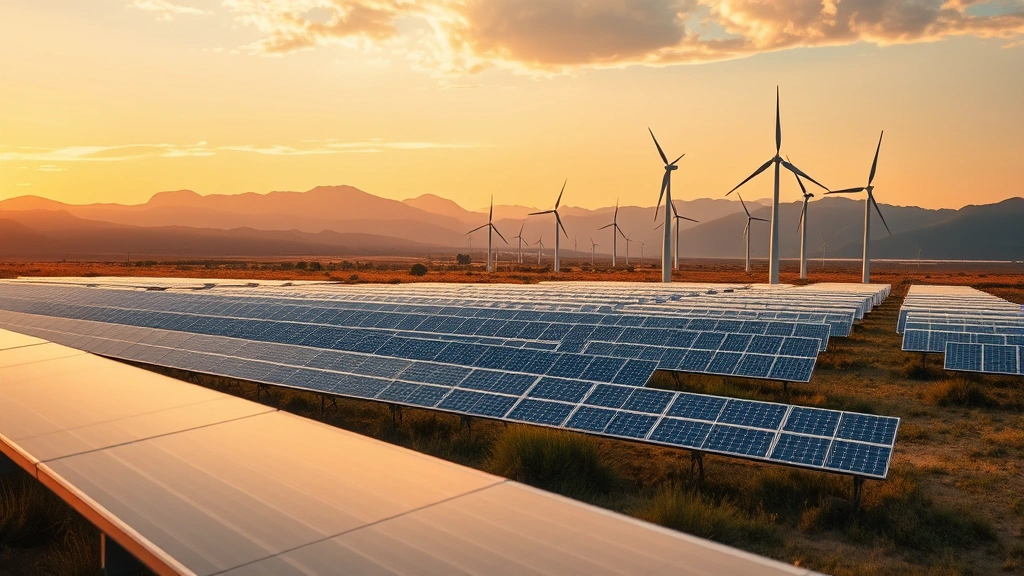
The fundamental distinction between gas and electric dryers lies in their energy source. Electric dryers consume electricity directly from your home’s grid, while gas dryers burn natural gas or propane to generate heat. This difference creates vastly different environmental profiles depending on where you live and how your regional electricity is generated.
Electric dryers convert approximately 90-95% of electrical energy into heat for drying clothes. Gas dryers, conversely, convert only 40-70% of the energy they consume into usable heat, with the remainder venting through exhaust. However, this apparent efficiency advantage requires context: the electricity powering electric dryers may come from renewable sources like wind or solar, or from fossil fuels like coal and natural gas. Natural gas is a fossil fuel that releases methane during extraction, processing, and transportation—a greenhouse gas roughly 28-34 times more potent than carbon dioxide over a century timeframe.
Understanding your regional sustainable energy solutions is crucial. If your grid relies heavily on renewable energy, electric dryers become significantly more environmentally favorable. Conversely, in regions dependent on fossil fuel power plants, the equation becomes more complicated. The EPA’s Electricity Grid information provides detailed breakdowns of your region’s energy composition.
Operating Efficiency and Real-World Performance
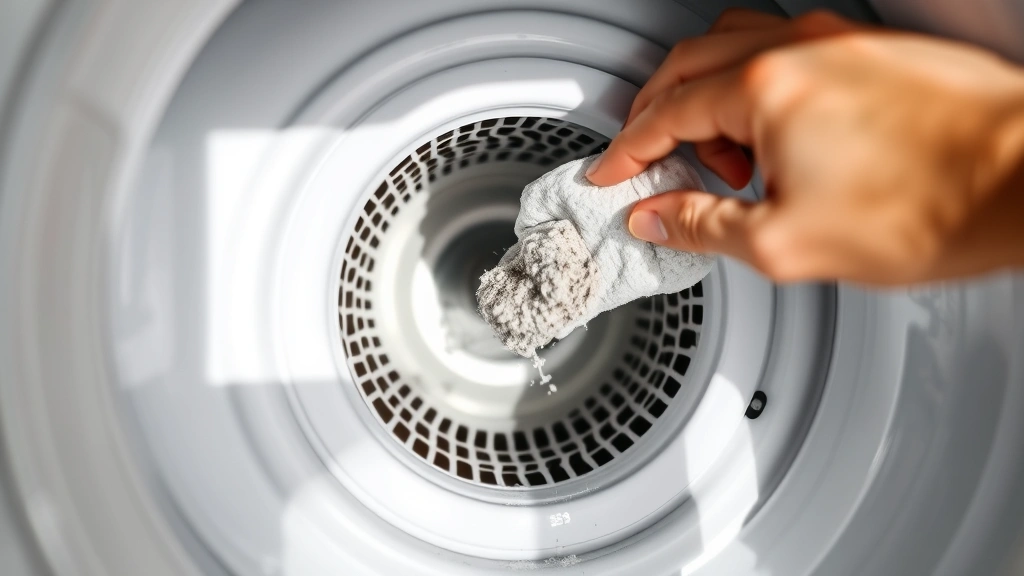
While gas dryers waste considerable heat through venting, they typically dry clothes faster than electric models. A gas dryer might complete a load in 30-40 minutes, whereas electric dryers often require 45-60 minutes. This speed differential affects total energy consumption per load—gas dryers use less total energy despite lower conversion efficiency, because they finish the job quicker.
Modern heat pump dryers represent an emerging technology that challenges both traditional options. These electric dryers use a compressor and refrigerant system to recycle exhaust heat, achieving 50-60% greater energy efficiency than conventional electric dryers. While expensive upfront ($800-1,500 versus $500-900 for standard electric), their operational savings can justify the investment over their lifespan.
Ventless electric dryers condense moisture instead of venting it outdoors, eliminating the energy loss associated with heated air exhaust. They require 20-30% less energy than vented electric dryers but take considerably longer to complete cycles. They also add humidity to your home, potentially requiring supplemental dehumidification in certain climates.
Carbon Emissions: Direct and Indirect
Direct emissions occur when gas dryers burn natural gas, releasing carbon dioxide and methane into the atmosphere. A typical gas dryer produces approximately 0.5-0.7 metric tons of CO2 annually, depending on usage frequency and regional natural gas carbon intensity.
Electric dryers produce zero direct emissions but generate indirect emissions based on your electricity grid’s composition. In regions with renewable-heavy grids (California, New York, parts of the Pacific Northwest), an electric dryer’s carbon footprint may be 50-75% lower than a gas dryer’s. In coal-dependent regions, the advantage narrows significantly—sometimes disappearing entirely. The Carbon Footprint Guide to Electricity Carbon Intensity provides state-by-state analysis.
Over a dryer’s 12-15 year lifespan, an electric dryer in a renewable-heavy region prevents roughly 3-5 tons of CO2 equivalent emissions compared to a gas model. In fossil fuel-heavy regions, this advantage might be only 0.5-1.5 tons. Heat pump electric dryers reduce emissions even further, potentially achieving 70-80% reductions compared to gas dryers regardless of regional grid composition.
Manufacturing and Environmental Cost
The environmental impact begins before you plug in or light the pilot. Manufacturing a dryer—whether gas or electric—requires mining raw materials, processing steel and aluminum, fabricating components, and assembling finished products. This embedded carbon, called “embodied carbon,” typically ranges from 0.5-1.5 metric tons of CO2 equivalent per appliance.
Gas dryers contain additional components (burner assembly, gas valve, ignition system) compared to electric models, potentially increasing their manufacturing footprint by 10-15%. However, this difference pales compared to operational emissions. A gas dryer’s manufacturing emissions are offset within 1-2 years of operation through its direct emissions alone.
Importantly, manufacturing a heat pump dryer requires more complex components and additional materials, creating embodied carbon 20-30% higher than conventional electric dryers. However, their superior operational efficiency recovers this manufacturing deficit within 3-4 years, ultimately delivering superior lifetime environmental performance.
Packaging, transportation, and retailer logistics add another 5-10% to the manufacturing footprint. Choosing appliances from local retailers or manufacturers can marginally reduce this component, though its impact remains minor compared to operational considerations.
Cost Analysis Over Appliance Lifetime
Electric dryers typically cost $50-200 less upfront than comparable gas models. However, operational costs tell a different story. In most U.S. regions, natural gas costs roughly one-third to one-half the price of electricity per unit of energy. This makes gas dryers cheaper to operate monthly, despite their lower efficiency.
A typical household running a dryer 5-6 times weekly might expect these annual costs: electric dryer ($150-250), gas dryer ($80-120), heat pump dryer ($60-100). Over 13 years, cumulative operating costs reach approximately $1,950-3,250 for electric, $1,040-1,560 for gas, and $780-1,300 for heat pump models. Adding purchase price creates total lifecycle costs favoring gas dryers by $300-600 in most regions, despite their environmental disadvantages.
However, this analysis assumes static energy prices. As climate policies increasingly incentivize renewable energy and carbon pricing mechanisms expand, electricity costs may rise while natural gas prices remain stable or decline. Conversely, carbon taxes or methane regulations could increase gas prices substantially. A 25-year perspective favors electric and heat pump dryers in most scenarios.
Exploring how to reduce your environmental footprint often involves accepting slightly higher upfront or operational costs for long-term planetary benefit.
Regional Considerations and Grid Mix
Your location fundamentally determines whether a gas or electric dryer proves more environmentally sound. States with renewable-dominant grids—including Vermont (99% renewable), Maine (70%), South Dakota (60%), and Washington (80%)—strongly favor electric dryers. Residents in these regions generate approximately 0.1-0.3 kg of CO2 per kilowatt-hour of electricity consumed.
Conversely, states relying on fossil fuel generation—particularly West Virginia, Kentucky, and Wyoming, where coal dominates—produce 0.8-1.2 kg of CO2 per kilowatt-hour. In these regions, gas dryers often present comparable or superior environmental profiles, assuming natural gas sourcing avoids excessive methane leakage.
The U.S. grid continues transitioning toward renewables, with solar and wind capacity increasing 15-20% annually. This trend means electric dryers become increasingly advantageous even in currently fossil-fuel-dependent regions. A dryer purchased today will operate predominantly on renewable energy by 2035-2040, making electric options a future-proof choice.
Understanding the advantages of natural gas in specific regional contexts requires examining local utility company data and state energy policies. Many utilities provide free online calculators estimating appliance carbon footprints based on regional generation sources.
Water Usage and Environmental Impact
Water consumption represents an often-overlooked environmental consideration. Electric dryers, particularly ventless and heat pump models, use minimal water during operation—only the moisture extracted from clothes, which returns to the environment as water vapor. Traditional vented electric dryers use no water operationally.
Gas dryers similarly use no water during operation. However, natural gas extraction, processing, and transportation consume substantial water resources. Natural gas production requires water for cooling, fracking fluid, and equipment cleaning. Estimates suggest 0.5-2 gallons of water consumed per thousand cubic feet of gas produced, depending on extraction methods.
For a household using a gas dryer 250 times annually, this translates to roughly 50-200 gallons of water embedded in the gas supply annually—an invisible but real environmental cost. In water-stressed regions like the Southwest, this consideration carries particular weight. Electric dryers powered by renewable sources avoid this embedded water consumption entirely.
Additionally, manufacturing water usage differs between technologies. Heat pump dryers require specialized refrigerants and copper components, increasing manufacturing water consumption by approximately 15-20% compared to conventional electric models. However, operational water savings over the dryer’s lifetime offset this difference by a factor of 10-20.
Maintenance, Repair, and Longevity
Gas dryers typically require professional installation involving gas line connections and venting considerations, adding $100-300 to initial costs. They need periodic cleaning of burner assemblies and ignition systems, requiring professional service every 3-5 years (approximately $150-250 per visit).
Electric dryers offer simpler installation—standard 240-volt outlet connections suffice—and require minimal maintenance beyond lint trap cleaning. When repairs are necessary, they’re generally less expensive than gas dryer repairs, partly because the technology is simpler.
Heat pump dryers introduce additional complexity, potentially requiring specialized technician knowledge. However, their robust construction and lack of burner components often extends lifespan beyond conventional models. Many manufacturers warrant heat pump dryers for 10 years, compared to 5-7 years for standard models.
Average dryer lifespan ranges from 12-15 years. Extending appliance life through proper maintenance and repair represents one of the most impactful sustainability strategies available. Choosing repairable designs and supporting independent repair technicians aligns with broader principles of sustainability emphasizing durability and resource conservation.
Making Your Decision
Selecting between a gas or electric dryer requires honest assessment of your priorities and circumstances. Environmental concerns shouldn’t exist in isolation from practical considerations like budget, regional energy composition, and household needs.
Choose an electric dryer if you: live in a region with renewable-heavy electricity generation, prioritize environmental impact above operational cost, plan to keep the appliance 12+ years, or lack existing gas connections. Standard electric dryers offer affordability with modest environmental benefits; heat pump models provide maximum sustainability for those with higher budgets.
Choose a gas dryer if you: live in a fossil fuel-dependent region, have limited upfront budget, already have gas infrastructure, or plan to move within 7-10 years. Gas remains a pragmatic choice in certain contexts, though its environmental advantage over electric diminishes yearly as grids decarbonize.
Regardless of choice, maximize environmental benefit through operational practices: vent-cleaning before each use, using moisture sensors to prevent over-drying, and running full loads whenever possible. These behaviors reduce energy consumption 10-15% regardless of fuel type.
Consider also that the SustainWise Hub Blog and similar resources provide updated information on emerging technologies and regional energy trends. Energy landscapes shift rapidly; information that’s current today may require revision within 2-3 years.
FAQ
Are heat pump dryers worth the extra cost?
Heat pump dryers cost $300-600 more upfront but save $60-100 annually in electricity. Over 13 years, they typically pay for themselves through operational savings, while delivering 50-60% lower environmental impact compared to conventional electric dryers. For environmentally conscious households with moderate budgets, they represent excellent value.
How much methane leakage affects gas dryer environmental impact?
Natural gas supply chains leak 1-2% of gas as methane during extraction, processing, and transportation. Methane’s global warming potential is 28-34 times higher than CO2 over 100 years. This leakage increases a gas dryer’s true carbon footprint by 15-25%, though quantifying regional leakage rates remains challenging due to limited monitoring infrastructure.
Can I switch from gas to electric dryer without rewiring?
Most homes require 240-volt circuits for electric dryers. If your home lacks this circuit, installation costs $500-2,000 depending on electrical panel capacity and distance from the panel. Gas dryer installation typically costs less ($100-300) but involves gas line work. Evaluate actual installation costs before deciding based on this factor alone.
Do ventless dryers work well in humid climates?
Ventless electric dryers add moisture to indoor air, creating challenges in humid regions. They’re best suited to dry climates or homes with mechanical dehumidification. In humid areas, vented electric or gas dryers remain preferable, though they require exterior venting that some apartments or condos prohibit.
What about propane dryers versus natural gas?
Propane dryers function identically to natural gas models but burn propane instead. Propane’s carbon footprint is slightly higher than natural gas (propane contains slightly more carbon per unit energy), though the difference is marginal—roughly 5-10%. Both fossil fuel options remain less environmentally favorable than electric alternatives powered by renewable energy.
Should I replace a working dryer with a newer model?
Replacing a functioning appliance generates substantial embodied carbon in manufacturing. Unless your current dryer is failing or costs exceed $400-600 annually to operate, continuing to use it typically proves more sustainable than replacing it. The environmental cost of manufacturing a new dryer exceeds operational savings for 3-5 years in most scenarios.
How do smart dryer features affect environmental impact?
Smart dryers with moisture sensors, app connectivity, and adaptive cycles reduce energy consumption 8-12% through more precise drying. They cost $100-200 more but pay for themselves within 2-3 years through reduced energy use. Environmental benefit comes from reduced over-drying, a significant source of wasted energy.
What’s the environmental impact of dryer sheet alternatives?
Single-use dryer sheets and liquid fabric softeners carry environmental costs (plastic waste, chemical pollution) separate from the dryer itself. Wool dryer balls, vinegar, or static-reducing alternatives reduce this secondary impact. This consideration applies regardless of gas versus electric choice but compounds the importance of selecting your primary dryer carefully.


