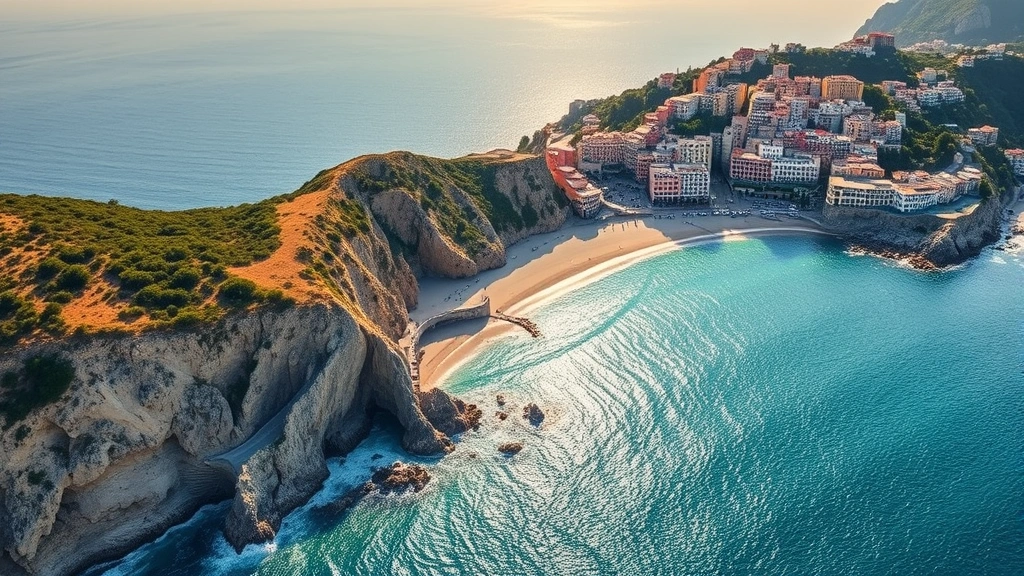
Eco-Friendly Travel Tips for Sorrento Visitors: Sustainable Exploration of Italy’s Coastal Paradise
Sorrento, perched dramatically on the Sorrentine Peninsula overlooking the Mediterranean Sea, represents one of Italy’s most breathtaking destinations. Yet this stunning coastal town attracts thousands of visitors annually, creating significant environmental pressures on its delicate ecosystems, local infrastructure, and air quality. As conscious travelers, we have a responsibility to explore this magnificent region while minimizing our ecological impact and supporting sustainable tourism practices.
Whether you’re planning a romantic getaway, a family vacation, or an adventure-filled retreat, understanding how to travel sustainably in Sorrento transforms your experience into something deeply meaningful. This comprehensive guide explores practical strategies for reducing your carbon footprint, supporting local communities, and discovering authentic experiences that honor the environment you’re visiting. From transportation choices to accommodation selections, every decision matters when it comes to protecting this Mediterranean jewel for future generations.

Sustainable Transportation Options in Sorrento
Transportation represents one of the largest contributors to travel-related carbon emissions. Fortunately, Sorrento and the surrounding Campania region offer numerous alternatives to traditional gasoline-powered vehicles. The SITA bus network efficiently connects Sorrento with Naples, Pompeii, Positano, and other major attractions using modern diesel and electric buses. These public transportation options significantly reduce per-passenger emissions compared to rental cars or taxis.
For those requiring vehicle rental, consider electric vehicle advantages before defaulting to conventional options. Several rental agencies in Sorrento now offer electric and hybrid vehicles that produce zero or minimal emissions. If you do require fuel, understanding local fuel station options becomes important for planning efficient routes and minimizing detours. While searching for gas stations near Maya Beach Resort Sorrento Italy, remember that consolidating trips and using public transit whenever possible remains the most sustainable approach.
The Circumvesuviana railway provides an excellent alternative for reaching nearby destinations like Pompeii, Herculaneum, and Naples. This historic railway line not only reduces emissions but also offers stunning views of Mount Vesuvius and the surrounding landscape. Additionally, ferries connect Sorrento to Capri, Positano, and the Amalfi Coast—a picturesque water-based alternative that eliminates road vehicle emissions entirely.
Walking and cycling represent the most sustainable transportation methods for exploring Sorrento’s charming centro storico (historic center). The town’s compact size makes pedestrian exploration feasible, and numerous bike rental services provide access to bicycles for longer excursions along coastal pathways. These active transportation modes offer health benefits while allowing intimate connection with local culture and landscapes.

Choosing Eco-Friendly Accommodations
Your accommodation choice profoundly impacts your travel footprint. Sorrento features several environmental sustainability examples in the hospitality sector, including hotels implementing comprehensive green initiatives. Look for certifications from recognized sustainability organizations such as Green Key, EU Ecolabel, or LEED certification when booking accommodations.
Eco-conscious hotels in Sorrento typically feature energy-efficient lighting systems, renewable energy sources including solar panels, water conservation technologies, and waste reduction programs. Many establishments source local organic foods for breakfast and restaurant services, supporting regional agriculture while reducing transportation emissions. When selecting lodging, prioritize smaller family-run establishments over large international chains, as these typically maintain lower environmental footprints and recirculate more revenue into local communities.
Consider staying in agriturismos—working farms offering guest accommodations—scattered throughout the Sorrentine Peninsula. These rural hospitality businesses provide authentic cultural experiences while supporting sustainable agricultural practices and preserving traditional landscapes. Many agriturismos produce their own wine, olive oil, and fresh produce, offering visitors direct connections to local food systems.
Guesthouses and bed-and-breakfasts generally require fewer resources than large resort facilities. These intimate accommodations often feature personalized service, local knowledge, and strong community connections. When booking, inquire about specific sustainability practices including renewable energy usage, waste management systems, water conservation measures, and local sourcing policies.
Supporting Local and Sustainable Dining
Sorrento’s culinary traditions celebrate Mediterranean ingredients and time-honored cooking methods. Choosing locally-owned restaurants featuring seasonal menus minimizes food transportation emissions while supporting local farmers and fishermen. Traditional dishes like pasta con le melanzane (eggplant pasta), scialatielli ai frutti di mare (fresh seafood pasta), and limoncello represent authentic regional flavors with minimal supply chain distances.
Visit local markets including the Sorrento farmers market to purchase fresh produce, artisanal cheeses, fresh-caught fish, and local specialties. These markets connect you directly with producers, eliminate packaging waste through reusable bag usage, and provide opportunities to learn about seasonal eating practices. Buying directly from vendors supports family businesses while reducing transportation-related carbon emissions associated with commercial supply chains.
When dining out, ask restaurant staff about ingredient sourcing. Many Sorrentine establishments proudly highlight local suppliers and seasonal availability. Restaurants featuring sustainable energy solutions in their operations demonstrate commitment to comprehensive environmental responsibility beyond food sourcing alone.
Reduce seafood consumption or choose sustainably-caught options certified by organizations like the Marine Stewardship Council (MSC). Mediterranean fish stocks face significant pressure from overfishing, making conscious seafood choices essential for ocean ecosystem protection. Ask servers about fish origin and fishing methods before ordering.
Low-Impact Activities and Experiences
Sorrento offers abundant activities that celebrate natural beauty without requiring motorized transportation or extractive resource use. Hiking trails throughout the Sorrentine Peninsula provide spectacular Mediterranean views while connecting visitors with coastal ecosystems. The Path of the Gods (Sentiero degli Dei) between Praiano and Positano ranks among Europe’s most scenic walks, offering breathtaking vistas while maintaining minimal environmental impact.
Swimming and snorkeling in designated marine areas allow direct ocean engagement while respecting fragile underwater ecosystems. Choose established swimming beaches rather than remote coves where human presence may disturb nesting sea turtles or other wildlife. Several marine protected areas around Sorrento offer guided snorkeling tours led by knowledgeable naturalists who educate visitors while ensuring responsible behavior.
Visit archaeological sites including Pompeii and Herculaneum using public transportation. These UNESCO World Heritage sites provide profound historical and cultural insights while supporting important conservation and research efforts. Purchasing tickets through official channels ensures funds support site maintenance and archaeological work.
Explore local artisan workshops creating traditional crafts including ceramics, woodworking, and textile production. These experiences support skilled craftspeople while celebrating cultural heritage. Many artisans welcome visitors to observe their creative processes, offering authentic cultural exchange without extractive tourism impacts.
Consider eco-tourism experiences including guided nature walks, birdwatching expeditions, and marine conservation volunteer opportunities. These activities deepen environmental appreciation while supporting conservation initiatives and local naturalist guides who depend on tourism revenue.
Practical Carbon Reduction Strategies
Understanding your overall trip carbon footprint enables informed decision-making. International flights represent significant emissions sources; offsetting flight emissions through verified carbon credit programs mitigates environmental impact. Organizations like Carbon Trust provide calculators and offset options for travel-related emissions.
Extend your stay to maximize environmental return on your travel investment. Longer visits amortize flight emissions across more vacation days while allowing deeper community engagement and reduced daily activity intensity. A two-week stay generates lower daily emissions than a three-day rushed trip despite identical flight impacts.
Consolidate daily activities to minimize transportation. Plan excursions geographically, grouping nearby destinations into single-day itineraries rather than scattered multi-day trips requiring repeated transit. This strategy reduces fuel consumption while allowing more leisurely exploration of individual locations.
Reduce energy consumption in accommodations by taking shorter showers, reusing towels, and minimizing heating/cooling system usage. While individual actions seem minor, collective guest behavior significantly impacts hotel resource consumption and operational emissions.
Avoid single-use plastics by carrying reusable water bottles, shopping bags, and food containers. Sorrento’s coastal location makes ocean plastic pollution particularly visible and impactful. Every plastic item avoided represents potential marine ecosystem protection.
Supporting Local Communities
Sustainable tourism benefits local populations through employment, revenue generation, and cultural preservation. Prioritize locally-owned businesses including restaurants, shops, accommodation, and tour operators over international chains. This approach ensures tourism revenue circulates within local economies rather than flowing to distant corporate headquarters.
Hire local guides for excursions and activities. Experienced local naturalists, historians, and cultural educators provide authentic insights while generating income supporting families and communities. These professionals often possess deep knowledge unavailable through commercial tour companies.
Purchase authentic handicrafts and artisanal products directly from creators. Avoid mass-produced “souvenirs” manufactured elsewhere; instead, seek unique items reflecting local traditions and supporting skilled craftspeople. These purchases become meaningful mementos while providing sustainable livelihoods.
Respect local customs and cultural norms. Learn basic Italian phrases, dress appropriately for religious sites, and demonstrate genuine interest in local traditions. This respectful engagement strengthens community relationships and enriches your experience beyond superficial tourism.
Support conservation organizations working to protect Sorrento’s natural heritage. Groups focused on marine ecosystem protection, coastal habitat preservation, and sustainable tourism development appreciate visitor donations and volunteer participation.
Sustainable Packing and Preparation
Thoughtful packing reduces luggage weight, decreasing fuel consumption during transport. Pack versatile clothing enabling multiple outfit combinations rather than single-use items. Neutral colors facilitate mixing and matching, extending wardrobe functionality across your stay.
Bring reusable water bottles, shopping bags, and food containers to eliminate single-use plastic dependence. Quality reusable items last years, dramatically reducing lifetime plastic consumption compared to disposable alternatives. Consider purchasing items locally if you travel frequently, distributing weight across multiple trips.
Include reef-safe sunscreen protecting coral ecosystems from chemical damage. Oxybenzone and octinoxate—common sunscreen ingredients—damage coral DNA and reproductive systems. Reef-safe formulations using zinc oxide or titanium dioxide protect skin without harming marine environments.
Pack a lightweight microfiber towel and quick-dry clothing reducing laundry frequency. Accommodation laundry services consume significant water and energy; minimizing washing loads decreases resource consumption and environmental impact.
Research how to reduce your environmental footprint through pre-trip planning. Understanding local environmental challenges, conservation priorities, and sustainable practice expectations prepares you for responsible travel decisions throughout your stay.
Frequently Asked Questions
What are the most sustainable ways to reach Sorrento from Naples Airport?
Public transportation options including trains, buses, and shared shuttle services minimize per-passenger emissions compared to rental cars or private transfers. The Circumvesuviana railway connects Naples directly to Sorrento, offering scenic views and reliable service. Bus services provide budget-friendly alternatives with comparable environmental benefits. Carpooling with other travelers further reduces individual carbon footprints.
Are electric vehicle rentals available in Sorrento?
Yes, several rental agencies now offer electric and hybrid vehicles. Availability varies seasonally, requiring advance booking during peak travel periods. Electric vehicles produce zero tailpipe emissions while eliminating fossil fuel dependence. Electric vehicle advantages include lower operating costs and reduced environmental impact compared to conventional gasoline or diesel options.
How can I find gas stations near Maya Beach Resort Sorrento Italy?
While fuel availability exists throughout the region, public transportation, walking, and cycling eliminate the need for personal vehicle fuel entirely. If vehicle rental proves necessary, consolidate trips and plan efficient routes minimizing fuel consumption. Consider natural gas advantages if vehicle options include alternative fuel vehicles, though public transit remains the most sustainable choice.
What certifications indicate genuinely eco-friendly accommodations?
Recognized certifications including Green Key, EU Ecolabel, LEED, and Travelife demonstrate verified sustainability commitments. These certifications require third-party audits and ongoing compliance with environmental standards. Research specific certification criteria to understand what practices each label represents and verify accommodations’ actual sustainability records.
How can I offset my flight emissions?
Reputable carbon offset programs channel contributions toward renewable energy projects, reforestation initiatives, and methane capture programs. Calculate flight emissions using online calculators from organizations like EPA Greenhouse Gas Emissions, then purchase verified carbon offsets from certified providers. Prioritize projects supporting climate solutions in developing nations and communities most vulnerable to climate impacts.
Are there volunteer opportunities supporting Sorrento’s conservation efforts?
Marine conservation organizations, habitat restoration projects, and cultural heritage preservation initiatives welcome volunteer participation from visitors. Contact local environmental organizations or search volunteer-tourism platforms for opportunities matching your interests and available time. Volunteering deepens environmental understanding while contributing meaningful conservation work.
What sustainable dining practices should I follow in Sorrento?
Choose locally-owned restaurants featuring seasonal menus emphasizing regional ingredients. Visit farmers markets for direct producer connections and waste-free shopping using reusable containers. Ask about ingredient sourcing and fishing methods for seafood items. Support establishments demonstrating comprehensive sustainable energy solutions and environmental management practices throughout their operations.
How can I minimize plastic waste during my Sorrento visit?
Carry reusable water bottles, shopping bags, and food containers eliminating single-use plastic dependence. Refuse plastic straws, bags, and packaging when possible. Purchase reef-safe sunscreen without harmful chemicals. Support businesses demonstrating plastic reduction commitments. Participate in beach cleanups or local environmental initiatives addressing plastic pollution affecting Mediterranean ecosystems.


