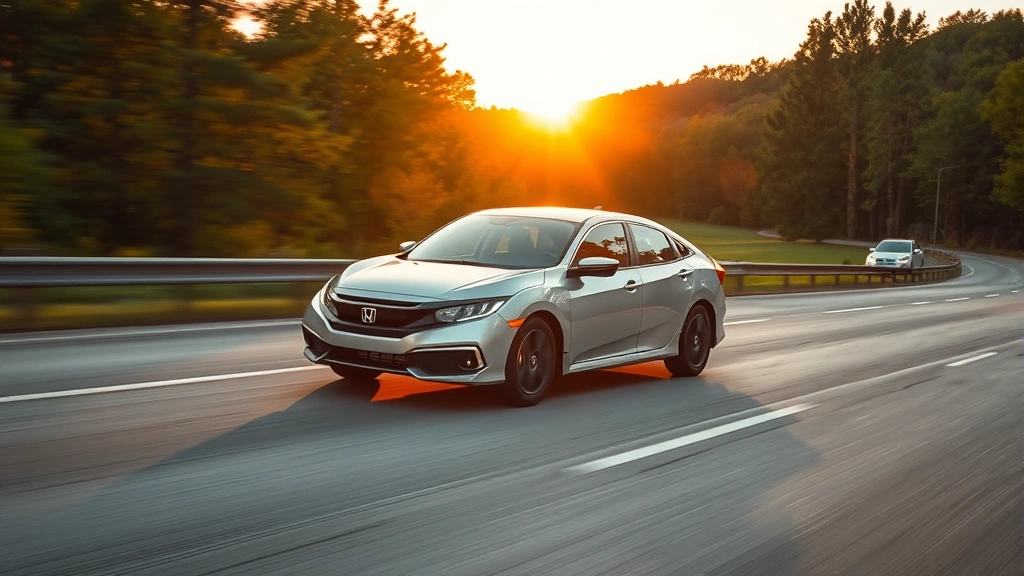
Honda Civic MPG: Is It Fuel-Efficient? Data Inside
The Honda Civic has long been synonymous with fuel efficiency and reliability in the compact car segment. Whether you’re a prospective buyer evaluating your next vehicle or an existing owner curious about your car’s performance, understanding the actual gas mileage figures can help you make informed decisions about your transportation choices. This comprehensive guide breaks down Honda Civic fuel efficiency across generations, driving conditions, and real-world scenarios.
With rising fuel costs and growing environmental concerns, fuel efficiency has become a critical factor in vehicle selection. The Honda Civic consistently ranks among the most efficient non-hybrid compact cars available, offering a practical balance between performance, affordability, and environmental responsibility. Let’s explore the actual numbers and what they mean for your wallet and carbon footprint.
Honda Civic MPG Ratings by Generation
The Honda Civic’s fuel efficiency has improved significantly over the decades as engine technology and aerodynamics have advanced. Current model year Civics deliver impressive EPA estimates that vary based on engine size, transmission type, and driving conditions.
2024 Honda Civic fuel economy ratings include:
- 2.0L Gas Engine (Manual Transmission): 31 city / 42 highway / 35 combined MPG
- 2.0L Gas Engine (CVT Transmission): 33 city / 42 highway / 37 combined MPG
- 1.5L Turbocharged (CVT): 32 city / 42 highway / 36 combined MPG
The 2023 model year delivered comparable figures, with the CVT-equipped models consistently outperforming their manual counterparts. Older generations, such as the 2015-2017 models, typically achieved 28-30 city and 36-38 highway MPG, demonstrating how modern engines and transmissions have enhanced efficiency.
Previous generation Civics (2006-2011) achieved approximately 25-27 city and 34-36 highway MPG, which was competitive for their era but shows substantial improvement in current vehicles. This progression reflects Honda’s commitment to reducing emissions and improving fuel economy as part of broader sustainable energy solutions in transportation.
Real-World Fuel Economy Performance
EPA ratings provide standardized estimates, but actual fuel economy depends heavily on individual driving habits and conditions. Many Civic owners report fuel efficiency figures that align closely with EPA estimates, though some achieve better results with careful driving techniques.
Highway Driving: Most owners experience fuel economy near or exceeding EPA highway estimates (40-42 MPG) when driving at consistent speeds on interstates. Highway driving allows engines to operate at optimal efficiency points, where fuel consumption is minimized.
City Driving: Urban driving typically yields slightly lower fuel economy than EPA city ratings, with many drivers reporting 25-30 MPG. Stop-and-go traffic, idling, and acceleration consume more fuel than highway driving. Cold starts and short trips before the engine reaches operating temperature further reduce efficiency.
Mixed Driving: Real-world combined driving usually produces results near the EPA combined estimate of 35-37 MPG for newer models. This assumes reasonable driving practices and proper vehicle maintenance.
A comprehensive study by fuel economy tracking websites indicates that 2020-2024 Civics average 36-38 MPG in mixed driving conditions when properly maintained. Driver behavior significantly impacts these figures—aggressive acceleration, excessive idling, and speeding can reduce fuel economy by 10-20 percent compared to moderate driving.
Factors Affecting Your Civic’s Gas Mileage
Several variables influence how efficiently your Honda Civic converts fuel to distance traveled. Understanding these factors empowers you to optimize your vehicle’s performance and reduce your environmental impact.
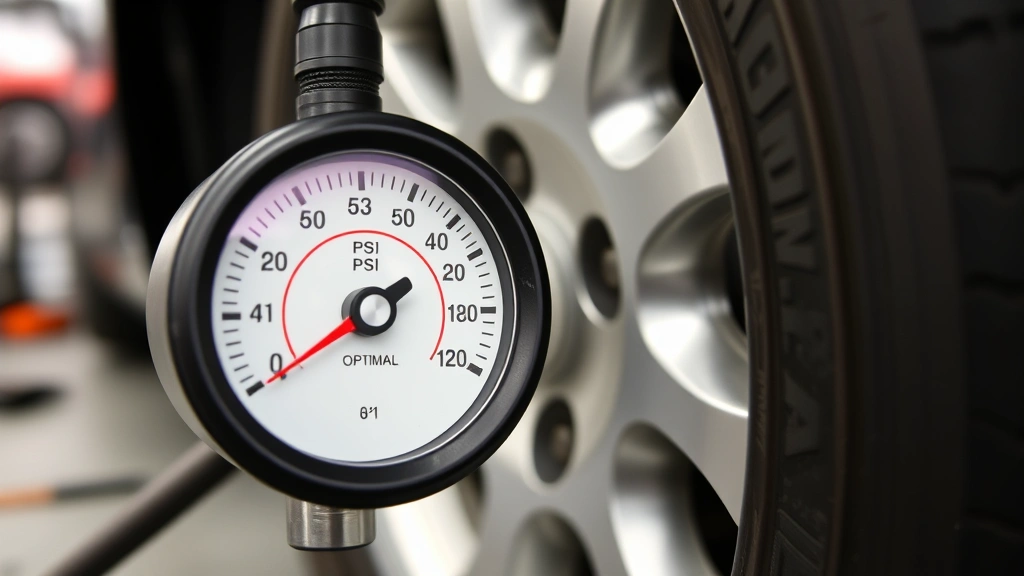
Tire Pressure and Condition: Underinflated tires create additional rolling resistance, forcing the engine to work harder and consume more fuel. Maintaining proper tire pressure (typically 32-36 PSI for Civics) can improve fuel economy by 3-5 percent. Regular tire rotation and alignment checks ensure even wear and consistent efficiency.
Engine Oil Quality: Using the manufacturer-recommended oil viscosity (typically 0W-20 or 5W-30) reduces engine friction and improves efficiency. Synthetic oils often provide better fuel economy than conventional options due to superior lubrication properties.
Air Filter Maintenance: A clean air filter allows optimal air intake and combustion. Clogged filters force the engine to work inefficiently, reducing fuel economy by 5-10 percent. Replacing air filters every 15,000-30,000 miles maintains peak performance.
Driving Speed and Habits: Fuel consumption increases exponentially at higher speeds. Driving at 55 MPH instead of 75 MPH can improve fuel economy by 10-15 percent. Smooth acceleration, avoiding jackrabbit starts, and maintaining steady speeds optimize efficiency.
Vehicle Load: Extra weight reduces fuel economy proportionally. Removing unnecessary cargo, roof racks, and carriers can improve MPG by 5-10 percent depending on the weight removed.
Weather and Temperature: Cold engines consume more fuel until reaching operating temperature. Winter driving typically yields 5-10 percent lower fuel economy than summer driving. Extreme heat can also reduce efficiency by increasing air conditioning demand.
Engine Carbon Buildup: Over time, carbon deposits accumulate in the combustion chamber, reducing efficiency. Regular fuel system cleaning or using high-quality gasoline with detergent additives helps maintain optimal performance. Many experts recommend professional fuel system cleaning every 50,000-100,000 miles.
Transmission Type and Efficiency Comparison
The transmission type significantly impacts fuel efficiency. Modern Civics offer choices between manual, continuously variable transmission (CVT), and in some markets, traditional automatic transmissions.
Continuously Variable Transmission (CVT): Most new Civics feature Honda’s CVT, which provides seamless power delivery and superior fuel economy compared to traditional automatics. CVTs maintain the engine at optimal RPM ranges for efficiency, resulting in 2-4 MPG improvements over manual transmissions in real-world driving. The 2024 Civic CVT achieves 37 combined MPG versus 35 combined for the manual.
Manual Transmission: While manual transmissions historically offered better fuel economy, modern CVTs have largely closed this gap. Manual transmission drivers must shift correctly to maintain efficiency—improper gear selection or late shifting can reduce fuel economy significantly. However, skilled manual drivers who optimize their shifting patterns can achieve competitive results.
Traditional Automatic: Older automatic transmissions (4-speed or 5-speed) were less efficient than CVTs and modern manuals. Newer 6-speed and 8-speed automatics improve efficiency but remain less common in current Civic lineups compared to CVT options.
For buyers prioritizing maximum fuel economy, CVT-equipped Civics represent the optimal choice, delivering the best balance of efficiency and ease of driving. This aligns with broader efforts to reduce your environmental footprint through transportation choices.
Maintenance Tips to Maximize Fuel Efficiency
Proper maintenance directly impacts fuel economy. Following Honda’s recommended service schedule and implementing these efficiency-focused practices keeps your Civic operating at peak performance.
Regular Oil Changes: Fresh, high-quality oil reduces engine friction and improves fuel economy. Change oil every 5,000-10,000 miles depending on oil type and driving conditions. Synthetic oils provide longer intervals and better efficiency.
Spark Plug Replacement: Worn spark plugs create incomplete combustion, reducing efficiency and increasing emissions. Replace spark plugs at manufacturer-recommended intervals (typically 30,000-100,000 miles depending on type) to maintain optimal combustion.
Fuel Filter Changes: Clean fuel filters ensure proper fuel delivery to the injectors. Clogged filters reduce efficiency and can damage the fuel system. Replace filters every 15,000-30,000 miles.
Wheel Alignment: Misaligned wheels create dragging resistance, increasing fuel consumption. Annual alignment checks prevent this efficiency loss and extend tire life.
Engine Tune-Ups: Professional tune-ups address timing, fuel pressure, and emission systems. Regular tune-ups at 30,000-60,000 mile intervals maintain optimal efficiency and performance.
Coolant System Maintenance: Clean coolant ensures proper engine temperature regulation. Overheating forces the engine to operate inefficiently. Flush and refill coolant per manufacturer specifications (typically every 2-3 years or 30,000 miles).
Battery Health: A weak battery forces the alternator to work harder, consuming extra fuel. Test battery voltage annually and replace batteries every 3-5 years to maintain optimal charging efficiency.
Honda Civic vs. Other Compact Cars
Comparing the Honda Civic’s fuel efficiency with competitors helps contextualize its performance in the compact car market.
Toyota Corolla: The Corolla achieves 31-33 city / 41-42 highway MPG with its 1.8L gas engine. These figures are comparable to the standard Civic, though the Corolla offers a hybrid version achieving 50+ MPG combined—significantly superior to any standard Civic variant.
Mazda3: Mazda’s compact car delivers 28-36 city / 36-44 highway MPG depending on engine and transmission. Higher-trim models with larger engines score slightly lower than comparable Civics.
Hyundai Elantra: The Elantra achieves 32-33 city / 41-43 highway MPG, matching or slightly exceeding Civic efficiency. Hyundai also offers hybrid and plug-in hybrid versions with superior fuel economy.
Volkswagen Jetta: The Jetta delivers 28-33 city / 38-41 highway MPG depending on engine choice. Diesel versions offer excellent highway efficiency (40+ MPG) but trade higher purchase prices for long-term fuel savings.
The Honda Civic ranks competitively among non-hybrid compact cars. However, if maximum fuel efficiency is your primary goal, advantages of electric vehicles or hybrid alternatives may provide superior long-term value and environmental benefits.
Hybrid and Electric Alternatives
While the standard Honda Civic delivers solid fuel efficiency, hybrid and electric technologies offer dramatically superior fuel economy and emissions reduction.
Honda Civic Hybrid (Previous Generation): Earlier Civic hybrid models achieved 40-44 combined MPG, significantly exceeding current standard Civics. However, Honda discontinued the Civic hybrid lineup, replacing it with the more advanced Honda Insight hybrid sedan.
Honda Insight Hybrid: The current Insight hybrid achieves 54-57 combined MPG, representing a 50+ percent improvement over standard Civics. The hybrid system captures braking energy and optimizes engine operation for maximum efficiency. While the Insight costs more upfront, fuel savings over the vehicle’s lifetime often offset the premium.
Honda e Electric Vehicle: The compact Honda e delivers 119-121 MPGe (miles per gallon equivalent) with a 131-mile range. For urban driving and daily commutes, the Honda e eliminates tailpipe emissions entirely. The EPA’s fuel economy website provides detailed electric vehicle efficiency comparisons.
Buyers prioritizing environmental impact should seriously consider hybrid or electric alternatives. The standard Civic represents a reasonable middle ground between cost and efficiency, but hybrid options provide substantially better long-term value for high-mileage drivers.
For comprehensive information on sustainable transportation options, explore our detailed guides on vehicle efficiency and environmental impact.
FAQ
What is the average Honda Civic MPG for 2024 models?
The 2024 Honda Civic achieves 33-37 combined MPG depending on engine and transmission. CVT models typically deliver 37 combined MPG, while manual transmission versions achieve 35 combined MPG. Highway driving yields 40-42 MPG, while city driving produces 31-33 MPG.
How can I improve my Honda Civic’s fuel economy?
Maintain proper tire pressure, use recommended oil viscosity, keep air filters clean, drive smoothly with steady speeds, remove unnecessary cargo, and follow the manufacturer’s maintenance schedule. These practices can improve fuel economy by 5-20 percent depending on current habits.
Does the Honda Civic get better gas mileage than the Toyota Corolla?
Fuel economy is comparable between standard Civic and Corolla models (35-37 combined MPG). However, the Toyota Corolla offers a hybrid version achieving 50+ combined MPG, which significantly exceeds any standard Civic variant. For maximum efficiency, hybrid or electric vehicles provide superior performance.
What factors most significantly impact Civic fuel economy?
Driving speed and habits have the largest impact—aggressive driving can reduce MPG by 20 percent or more. Tire pressure, engine maintenance, vehicle load, and weather conditions also substantially affect fuel consumption. Maintaining proper maintenance and adopting smooth driving techniques yields the greatest improvements.
Is the Honda Civic fuel-efficient compared to electric vehicles?
Standard Civics achieve approximately 35-37 combined MPG (25-30 MPGe equivalent). Electric vehicles like the Honda e deliver 119+ MPGe, representing 3-4 times greater efficiency. However, EVs require charging infrastructure and have higher upfront costs. The choice depends on driving patterns, budget, and environmental priorities.
How does transmission type affect Civic fuel economy?
CVT-equipped Civics achieve 2-4 MPG better fuel economy than manual transmission models in real-world driving. Modern CVTs optimize engine RPM for efficiency across varying driving conditions. Manual transmissions require skilled operation to match CVT efficiency, making CVTs the superior choice for most drivers prioritizing fuel economy.
Conclusion: The Honda Civic delivers competitive fuel efficiency in the compact car segment, achieving 35-37 combined MPG with modern powertrains and transmissions. Real-world performance depends heavily on driving habits, maintenance, and conditions, with careful drivers often exceeding EPA estimates. While the standard Civic provides solid efficiency, hybrid alternatives like the Honda Insight offer 50+ percent improvements for drivers willing to invest in advanced technology. Consider your driving patterns, budget, and environmental priorities when evaluating fuel efficiency alongside other vehicle factors. For those seeking maximum sustainability, exploring sustainable energy solutions in transportation—including hybrids and electric vehicles—provides superior environmental benefits.


