Gas Stations in the US: Latest Statistics and Sustainability Insights
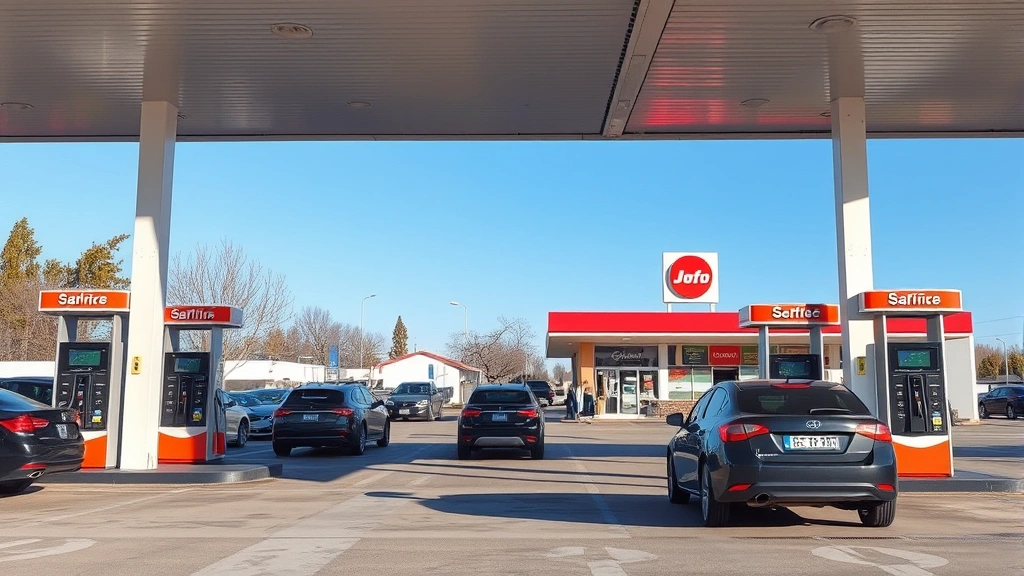
The United States has an extensive network of gas stations serving millions of drivers daily. As of 2024, understanding the scale and distribution of these fueling infrastructures is essential for both consumers and environmental advocates. This article explores the latest statistics on gas station numbers, their geographic distribution, and what these trends reveal about America’s evolving energy landscape.
With the rise of electric vehicles and sustainable transportation options, the traditional gas station industry faces unprecedented changes. Yet, for the foreseeable future, conventional fuel stations remain critical infrastructure. Let’s examine the data, trends, and implications for American drivers and our environment.
Current Number of Gas Stations in the US
According to the most recent data, there are approximately 150,000 to 155,000 gas stations operating across the United States. This figure represents a relatively stable market, though the composition and services offered at these stations continue to evolve. The National Association of Convenience Stores (NACS) and the U.S. Energy Information Administration (EIA) track these numbers closely, providing authoritative data for industry analysis.
These gas stations collectively serve over 280 million registered vehicles in America, making fuel distribution one of the nation’s most essential infrastructure networks. The average gas station operates with multiple fuel pumps, convenience stores, and increasingly, electric vehicle charging stations. Understanding this baseline number helps contextualize the broader conversation about energy consumption, sustainability, and the future of transportation in the United States.
The distribution of gas stations isn’t uniform across the country. Rural areas may have fewer stations but serve larger geographic territories, while urban centers feature dense concentrations of fuel retailers competing for market share. This variation reflects population density, driving patterns, and regional economic factors that shape the retail fuel landscape.
Geographic Distribution and Regional Variations
Gas station density varies significantly across different regions of the United States. Texas leads the nation with approximately 14,000 gas stations, followed by California with around 10,000 stations. These two states alone account for roughly 16% of all gas stations in America, reflecting their large populations and extensive highway networks.
The Midwest and Southeast also maintain substantial gas station networks, with states like Florida, Georgia, and Ohio hosting between 5,000 and 8,000 stations each. Western states show more variation, with Nevada and Montana featuring lower absolute numbers but higher per-capita station density due to their smaller populations spread across vast territories.
Rural and urban disparities reveal important patterns in fuel accessibility. Urban areas typically feature gas stations every 1-2 miles, while rural regions may have stations spaced 10-20 miles apart. This distribution reflects market economics—urban stations benefit from higher customer volume, while rural stations serve essential connectivity functions across less densely populated regions. Understanding these patterns is crucial for assessing fuel accessibility and planning sustainable energy infrastructure improvements.
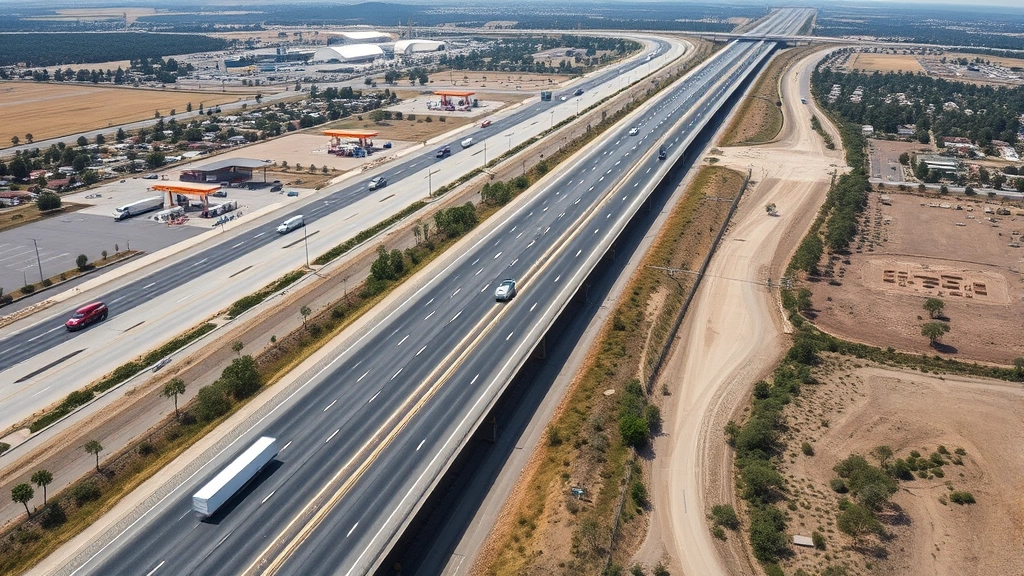
Interstate corridors show particularly high gas station concentrations, as travelers rely on convenient fueling options during long-distance journeys. Truck stops and travel centers along major highways represent a specialized segment of the gas station industry, offering extended services beyond basic fuel sales.
Industry Trends and Market Changes
The gas station industry has experienced significant consolidation over the past two decades. Major petroleum companies and convenience store chains now dominate the market, with the U.S. Energy Information Administration reporting that branded stations account for approximately 60% of all retail fuel locations. Independent operators continue to play important roles, particularly in rural and underserved markets.
Several notable trends are reshaping the gas station landscape:
- Convenience Store Integration: Most modern gas stations operate integrated convenience stores, with fuel sales often representing only 30-40% of total revenue. Merchandise sales, food services, and digital payment options have become increasingly important to station profitability.
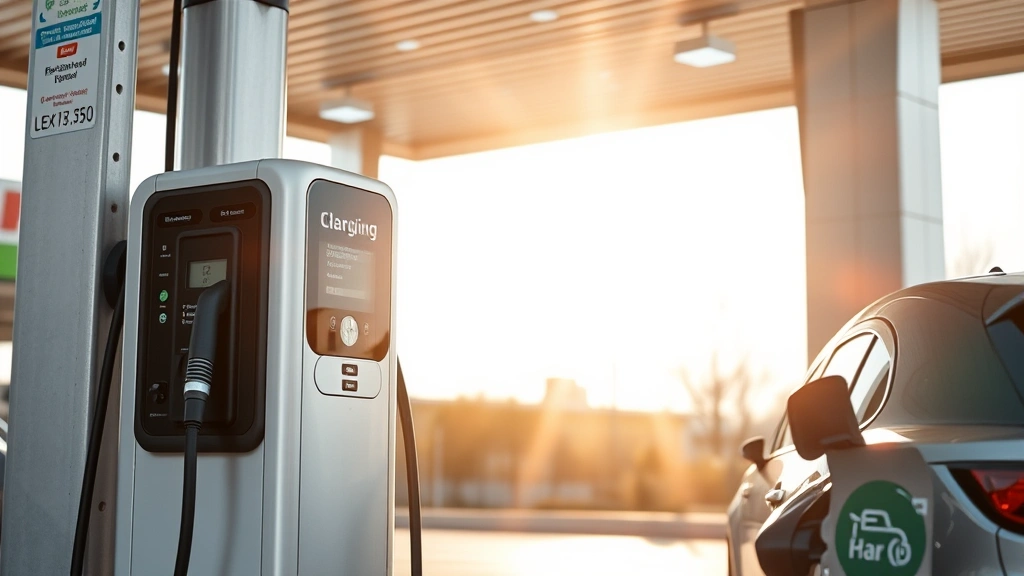
- Electric Vehicle Charging Infrastructure: Progressive gas station operators are installing EV charging stations alongside traditional pumps. This diversification strategy acknowledges the automotive industry’s shift toward electrification while maintaining customer relationships.
- Payment Technology Evolution: Digital payment systems, mobile apps, and contactless transactions have transformed how consumers interact with gas stations. This technological shift improves efficiency and customer experience.
- Premium Fuel Offerings: Many stations now offer multiple fuel grades and specialty options, including ethanol blends and premium gasoline, catering to diverse vehicle requirements.
The COVID-19 pandemic temporarily disrupted gas station operations and fuel consumption patterns, but the industry has recovered substantially. Current data shows fuel consumption returning to pre-pandemic levels, though long-term projections suggest gradual shifts as vehicle electrification accelerates.
Environmental Impact of Gas Station Infrastructure
Gas stations represent significant nodes in America’s carbon-intensive transportation network. Each station serves as a distribution point for fossil fuels that power vehicles responsible for approximately 27% of U.S. greenhouse gas emissions, according to the Environmental Protection Agency. Understanding the environmental implications of this infrastructure is essential for climate-conscious consumers.
Beyond direct fuel consumption, gas stations generate environmental impacts through:
- Storage Tank Leakage: Underground storage tanks at gas stations pose contamination risks to soil and groundwater. The EPA oversees strict regulations for tank maintenance and replacement to minimize these hazards.
- Volatile Organic Compound (VOC) Emissions: Fuel evaporation during pumping and storage releases VOCs that contribute to ground-level ozone formation and air pollution. Modern stations employ vapor recovery systems to capture these emissions.
- Land Use and Urban Sprawl: Gas stations occupy valuable urban real estate and often enable sprawling development patterns that increase transportation distances and fuel consumption.
- Stormwater Runoff Contamination: Petroleum residues and cleaning chemicals from station operations can contaminate stormwater runoff, affecting local water quality.
Environmentally conscious consumers can reduce their environmental footprint by supporting fuel-efficient vehicles, consolidating trips, and considering alternative transportation modes. Learning about fuel storage and handling best practices also minimizes waste and environmental harm.
The Transition to Alternative Fuels
The gas station industry faces a fundamental transformation as society transitions toward cleaner energy sources. Electric vehicles (EVs) represent the most significant alternative fuel trend, with EV sales growing approximately 40% annually in recent years. This shift necessitates substantial infrastructure investments in charging networks.
Alternative fuel options gaining traction include:
- Electric Vehicles (EVs): Battery electric vehicles eliminate tailpipe emissions entirely. The U.S. Department of Energy reports over 2.2 million EVs on American roads as of 2024, with numbers accelerating rapidly.
- Hydrogen Fuel Cell Vehicles: Though still limited in availability, hydrogen-powered vehicles produce zero emissions, with only water vapor released from exhaust. Infrastructure development remains in early stages.
- Biofuels: Ethanol blends and biodiesel represent renewable fuel alternatives derived from agricultural products. These fuels reduce lifecycle carbon emissions compared to pure petroleum.
- Natural Gas: Compressed natural gas (CNG) and liquefied natural gas (LNG) serve specific applications, particularly heavy-duty trucking, offering lower emissions than diesel.
Gas station operators increasingly recognize that diversifying into alternative fuel distribution represents essential business strategy. Many stations are installing charging infrastructure, positioning themselves as multi-fuel energy retailers rather than exclusively petroleum distributors. This transition ensures relevance as consumer preferences and regulatory requirements shift toward sustainability.
Understanding the advantages of electric vehicles helps consumers make informed transportation choices that align with environmental values. The long-term viability of traditional gas stations depends significantly on their ability to adapt to this evolving landscape.
Future Outlook for Gas Stations
Predicting the future of gas stations requires analyzing multiple converging trends. The International Energy Agency projects that electric vehicles could represent 50% of new car sales globally by 2035, fundamentally reshaping fuel demand. This transition will not happen uniformly across all regions or vehicle types, ensuring gas stations maintain relevance for decades, though in evolving forms.
Key factors influencing gas station futures include:
- Government Policy and Regulations: Federal and state incentives for EV adoption, fuel economy standards, and emissions regulations will accelerate the transition away from petroleum dependence.
- Technological Advancement: Improvements in EV battery technology, charging speed, and range will accelerate consumer adoption rates and reduce demand for traditional fuel.
- Infrastructure Investment: Public and private investments in EV charging networks and alternative fuel infrastructure will reshape the competitive landscape.
- Consumer Preferences: Growing environmental consciousness and preference for sustainable transportation options will drive market transformation.
- Economic Factors: Oil prices, electricity costs, and vehicle purchase prices will influence consumer decisions and industry profitability.
Gas station operators adapting successfully to these changes will likely emerge as diversified energy retailers, offering multiple fuel types and convenience services. Locations unable to adapt may face consolidation or closure. This transformation represents not merely an industry shift but a fundamental recalibration of how Americans access transportation energy.
For consumers interested in supporting sustainable energy solutions, exploring alternative vehicles and fueling options represents meaningful action. The SustainWise Hub blog offers comprehensive resources on transitioning to cleaner transportation choices and understanding the broader sustainability implications of consumer decisions.
FAQ
How many gas stations are in the United States?
As of 2024, there are approximately 150,000 to 155,000 gas stations operating across the United States. This number has remained relatively stable in recent years, though the services and fuel types offered continue to evolve.
Which state has the most gas stations?
Texas leads the nation with approximately 14,000 gas stations, followed by California with around 10,000 stations. These two states collectively account for roughly 16% of all gas stations in America.
How are gas stations distributed across the country?
Gas station distribution reflects population density and driving patterns. Urban areas feature stations every 1-2 miles, while rural regions may have stations spaced 10-20 miles apart. Interstate corridors maintain particularly high concentrations due to traveler demand.
What environmental impacts do gas stations create?
Gas stations contribute to environmental harm through fuel distribution, underground storage tank risks, volatile organic compound emissions, and stormwater contamination. However, many stations now employ modern technologies like vapor recovery systems to minimize these impacts.
Are gas stations installing electric vehicle chargers?
Yes, progressive gas station operators increasingly install EV charging infrastructure. This diversification strategy acknowledges the automotive industry’s electrification trend while maintaining customer relationships and revenue opportunities.
What is the future of gas stations in America?
Gas stations will likely evolve into diversified energy retailers offering multiple fuel types, including electricity for EVs and alternative fuels. While traditional fuel demand will decrease as electrification accelerates, gas stations will maintain relevance through adaptation and service diversification.
How can I reduce my environmental impact at gas stations?
Support fuel-efficient or electric vehicles, consolidate trips to minimize driving, maintain proper vehicle maintenance, and consider alternative transportation modes. Choosing stations that offer renewable fuel options and EV charging also supports sustainability.


