Gas Stations in the US: Latest 2023 Statistics and Sustainability Insights
The United States maintains one of the world’s most extensive gas station networks, with infrastructure deeply embedded in American transportation culture. As of 2023, understanding the current landscape of gas stations reveals critical insights into energy consumption patterns, economic trends, and the ongoing transition toward sustainable energy solutions. This comprehensive analysis explores how many gas stations operate across the nation, their distribution, operational challenges, and what these statistics mean for environmental sustainability.
The gas station industry continues to evolve as consumer preferences shift and environmental consciousness grows. Whether you’re curious about fuel storage, wondering does gas go bad, or interested in transitioning to cleaner transportation alternatives, the current state of America’s gas infrastructure provides essential context for these decisions. The numbers tell a story of an industry at an inflection point, balancing traditional fuel distribution with emerging alternative energy options.
Total Number of Gas Stations in 2023
As of 2023, the United States operates approximately 145,000 to 150,000 gas stations, making it the country with the highest density of fuel retail locations globally. This staggering number represents a slight decline from previous years, reflecting broader industry consolidation and changing consumer behaviors. The exact count varies depending on the source and how gas stations are classified, but industry analysts consistently report figures within this range.
These gas stations collectively serve over 280 million vehicles on American roads, averaging one gas station per 1,900 residents. This infrastructure represents decades of investment and strategic planning designed to ensure convenient fuel access across urban, suburban, and rural areas. The distribution of these stations has become increasingly important as the industry faces pressure to adapt to changing energy demands and environmental regulations.
The decline in total gas station numbers, while modest, signals significant shifts in the industry. Consolidation among major brands, automation of fuel pumps, and improved fuel efficiency in vehicles have all contributed to this gradual reduction. Additionally, the emergence of alternative fueling stations has begun reshaping how Americans think about fuel infrastructure entirely.
Geographic Distribution and Regional Variations
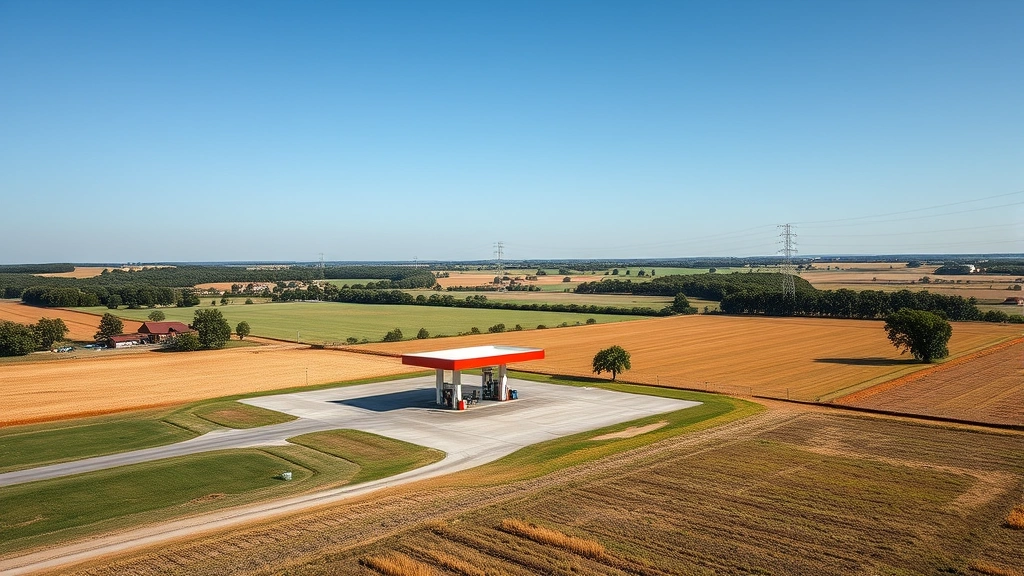
Gas station density varies dramatically across the United States, with significant differences between regions based on population density, driving patterns, and economic factors. Urban areas typically feature higher concentrations of gas stations, though modern convenience stores and fuel retailers have adapted to serve multiple purposes. Rural communities, conversely, often depend on fewer but strategically positioned stations to serve larger geographic areas.
Texas leads the nation with approximately 12,000 to 13,000 gas stations, followed by California, Florida, New York, and Pennsylvania. These populous states naturally require more fuel retail locations to meet consumer demand. However, when examining gas station density per capita, the picture becomes more nuanced, with some smaller states showing higher concentrations relative to their populations.
The Midwest maintains a robust gas station network supporting agricultural operations and interstate commerce. The Southeast has experienced growth in gas station numbers corresponding to population increases over the past two decades. Western states, particularly those with vast rural expanses, face unique challenges in maintaining convenient fuel access across sparsely populated regions.
Understanding these geographic patterns is crucial for anyone evaluating fuel options or considering how how long gas is good for in storage, especially in regions with limited fuel availability. Remote communities sometimes stockpile fuel, making knowledge about fuel degradation and proper storage essential.
Gas Station Ownership and Operations
The gas station industry encompasses various ownership structures, from major oil company branded stations to independent operators. The largest players include Shell, Chevron, ExxonMobil, BP, and Speedway, though these brands operate through both company-owned and franchised models. Independent gas stations account for a significant portion of the market, often offering competitive pricing and personalized service.
Approximately 60% of gas stations in America are independently owned and operated, while major oil companies control the remaining 40% through direct ownership or franchise agreements. This distribution reflects the industry’s evolution toward decentralization while maintaining brand recognition and standardized services. Many independent operators partner with fuel suppliers and convenience store networks to remain competitive.
Gas station operations have become increasingly sophisticated, incorporating digital payment systems, loyalty programs, and integrated convenience retail. The typical modern gas station generates revenue not only from fuel sales but also from convenience items, car washes, and service offerings. This diversification helps stations maintain profitability despite fuel price volatility and changing consumer habits.
Labor practices at gas stations have evolved significantly, with most locations now featuring self-service pumps exclusively in many states. Full-service options remain available in certain regions, particularly New Jersey and Oregon where regulations mandate attendant-operated pumping. Employment in the gas station sector has adjusted accordingly, with roles shifting toward customer service, maintenance, and management functions.
Industry Revenue and Economic Impact
The U.S. gas station industry generated approximately $500 billion in revenue during 2023, with fuel sales comprising the majority of this figure. However, convenience store sales have become increasingly important to station profitability, often accounting for 30-40% of total revenue. This shift reflects changing consumer behavior and the economic pressures facing fuel retailers.
Fuel margins have compressed significantly over the past decade, forcing gas stations to diversify revenue streams and improve operational efficiency. The average profit margin on gasoline sales ranges from 2-5%, making convenience items and ancillary services critical to financial viability. This economic reality has driven consolidation within the industry, as smaller operators struggle to compete with large chains offering sophisticated loyalty programs and convenience amenities.
Employment in the gas station sector directly affects over 500,000 Americans, with additional indirect employment in fuel distribution, supply chain management, and support services. The industry’s economic footprint extends throughout local communities, supporting property values, tax revenues, and business ecosystems. However, the sector faces pressure from automation and changing consumer preferences, potentially affecting future employment levels.
Gas station economics vary significantly based on location, brand affiliation, and operational model. Premium locations with high traffic volumes command higher property values and generate greater revenue per pump. Rural stations, while serving essential functions, often operate on tighter margins and face challenges competing with larger competitors in nearby towns.
Environmental Considerations and Sustainability Trends
Gas stations represent significant environmental concerns related to fuel storage, spillage risks, and underground tank management. The EPA regulates underground storage tanks containing petroleum products to prevent soil and groundwater contamination. Environmental liability from aging infrastructure remains a challenge, with thousands of sites requiring remediation and ongoing monitoring.
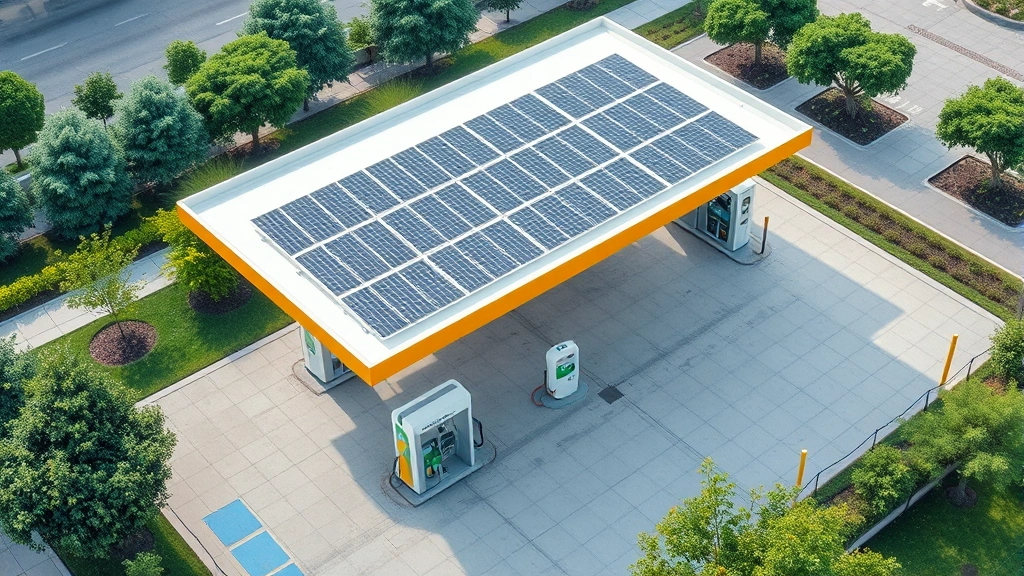
The carbon footprint associated with gas station operations extends beyond fuel sales to include facility operations, supply chain logistics, and convenience store energy consumption. Modern gas stations increasingly incorporate energy-efficient lighting, HVAC systems, and renewable energy sources to reduce their environmental impact. Some forward-thinking operators have installed solar panels and adopted electric vehicle charging capabilities alongside traditional fuel pumps.
Fuel spillage and vapor emissions from gas station operations contribute to air quality degradation and environmental contamination. Regulatory frameworks have tightened significantly, requiring advanced vapor recovery systems and secondary containment for storage tanks. These improvements, while increasing operational costs, have substantially reduced environmental hazards associated with fuel retail.
The transition toward advantages of electric vehicles directly impacts gas station environmental considerations. As EV adoption accelerates, fuel demand will decline, potentially reducing the number of operational stations and associated environmental risks. However, this transition period requires careful management to ensure sustainable infrastructure development.
Gas station operators are increasingly adopting sustainability practices aligned with corporate environmental goals and consumer expectations. These initiatives include waste reduction programs, recycling initiatives, and partnerships with environmental organizations. Some stations have begun offering sustainable fuels, including ethanol blends and biodiesel options, supporting how to reduce your environmental footprint.
The Rise of Electric Vehicle Infrastructure
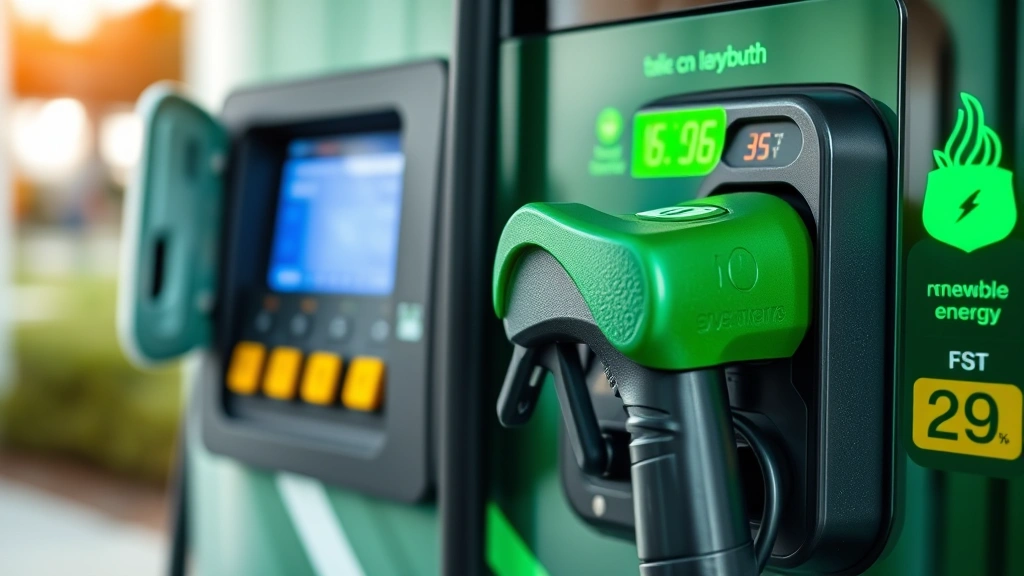
As electric vehicle adoption accelerates, the gas station industry faces unprecedented disruption. The number of public EV charging stations in the United States has grown exponentially, reaching over 50,000 locations by 2023, with projections indicating continued rapid expansion. This development fundamentally challenges the traditional gas station business model and forces industry adaptation.
Major oil companies have begun investing in EV charging infrastructure, recognizing the inevitability of transportation electrification. Shell, BP, and Chevron have announced substantial commitments to charging network development, positioning themselves for the energy transition. Some gas stations have already begun installing Level 2 and DC fast-charging equipment, creating hybrid fuel and energy retail locations.
The infrastructure required for EV charging differs significantly from traditional fuel distribution, requiring electrical grid upgrades and investment in charging technology. Charging times, while improving, remain longer than fuel fill-ups, potentially affecting station revenue models. However, the dwell time associated with charging creates opportunities for convenience retail and service offerings.
Government incentives and regulatory mandates are accelerating EV infrastructure development. The Biden administration’s EV charging initiatives have allocated substantial federal funding to expand charging networks, particularly in underserved rural and disadvantaged communities. These investments will reshape the landscape of fuel and energy retail across America.
Future Outlook for Gas Stations
The future of gas stations in America involves significant transformation rather than complete elimination. Industry analysts project continued gradual decline in station numbers as fuel demand decreases, but essential infrastructure will persist for decades. The transition period, expected to span 20-30 years, will determine which operators successfully adapt and thrive.
Gas stations positioned for long-term success are those incorporating diverse revenue streams and embracing energy transition realities. Hybrid stations offering both traditional fuel and EV charging represent an emerging model with strong growth potential. Additionally, stations emphasizing convenience retail, car services, and community engagement are better positioned to maintain relevance.
Technological innovation will continue reshaping gas station operations, including autonomous refueling systems, advanced payment technologies, and integrated energy management. These developments will improve efficiency, reduce operational costs, and enhance customer experience. Stations investing in digital transformation now will be better prepared for industry evolution.
Environmental remediation of aging gas station sites represents both a challenge and opportunity. Brownfield redevelopment programs offer potential for converting former fuel retail locations into community spaces, green infrastructure, or alternative uses. This transformation aligns with broader sustainability goals and urban regeneration initiatives.
The relationship between gas stations and consumers will continue evolving as transportation preferences shift. Understanding how SustainWise Hub Blog covers energy and sustainability topics can help individuals navigate these changes intelligently. Whether maintaining traditional vehicles or transitioning to electric options, informed decision-making about fuel and energy consumption remains essential.
FAQ
How many gas stations are currently operating in the United States?
As of 2023, approximately 145,000 to 150,000 gas stations operate across the United States, serving over 280 million vehicles. This number represents a slight decline from previous years due to industry consolidation and changing consumer behaviors.
Which state has the most gas stations?
Texas leads the nation with approximately 12,000 to 13,000 gas stations, followed by California, Florida, New York, and Pennsylvania. These populous states naturally require more fuel retail locations to meet consumer demand.
What percentage of gas stations are independently owned?
Approximately 60% of gas stations in America are independently owned and operated, while major oil companies control the remaining 40% through direct ownership or franchise agreements.
How much revenue does the U.S. gas station industry generate annually?
The U.S. gas station industry generated approximately $500 billion in revenue during 2023, with fuel sales comprising the majority of this figure and convenience store sales accounting for 30-40% of total revenue.
Are gas stations declining in number?
Yes, gas stations have experienced modest decline in recent years due to industry consolidation, improved vehicle fuel efficiency, and changing consumer preferences. This trend is expected to accelerate as electric vehicle adoption increases.
How are gas stations adapting to electric vehicle adoption?
Gas stations are adapting by installing EV charging equipment, creating hybrid fuel and energy retail locations, and diversifying revenue streams through enhanced convenience offerings. Major oil companies are investing significantly in charging infrastructure development.
What environmental regulations affect gas stations?
The EPA regulates underground storage tanks, vapor recovery systems, and secondary containment to prevent soil and groundwater contamination. Environmental liability from aging infrastructure remains a significant regulatory and financial concern.
What is the profit margin on gasoline sales?
The average profit margin on gasoline sales ranges from 2-5%, making convenience items and ancillary services critical to gas station financial viability and profitability.


