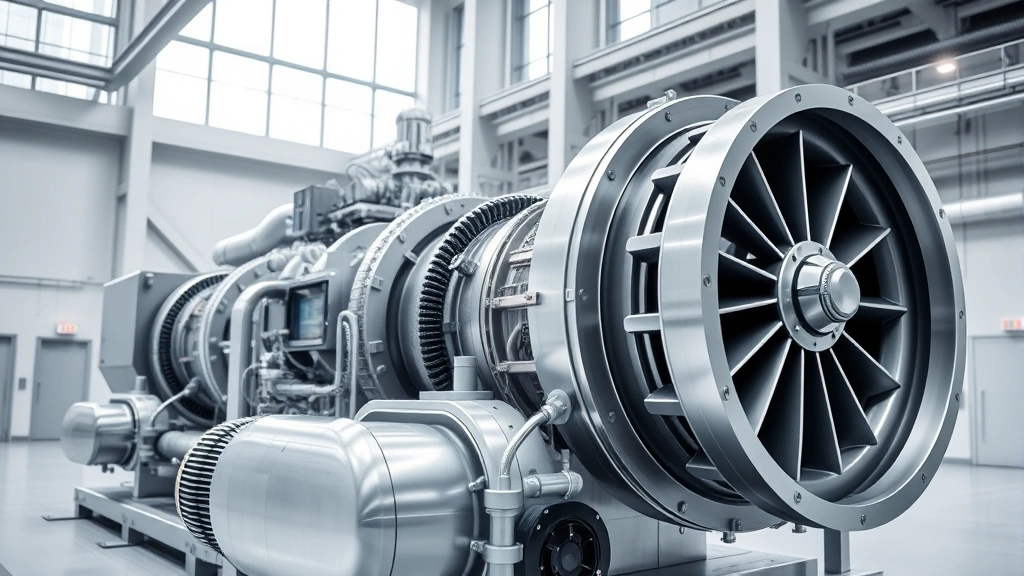
Jav Gas-201: Revolutionizing Clean Energy Solutions
The global energy landscape is undergoing a transformative shift as nations and industries worldwide seek alternatives to traditional fossil fuels. Among the most promising innovations emerging in this space is the Jav Gas-201, a cutting-edge clean energy technology designed to significantly reduce carbon emissions while maintaining energy efficiency. This breakthrough system represents a pivotal moment in our collective journey toward a more sustainable future, offering practical solutions for both industrial and residential applications.
The Jav Gas-201 operates on advanced principles that distinguish it from conventional energy systems, incorporating state-of-the-art combustion technology and emissions control mechanisms. As climate change accelerates and environmental regulations tighten globally, understanding this technology becomes essential for businesses, policymakers, and environmentally conscious consumers. This comprehensive guide explores how Jav Gas-201 is reshaping the clean energy sector and why it matters for our planet’s future.
Understanding Jav Gas-201 Technology
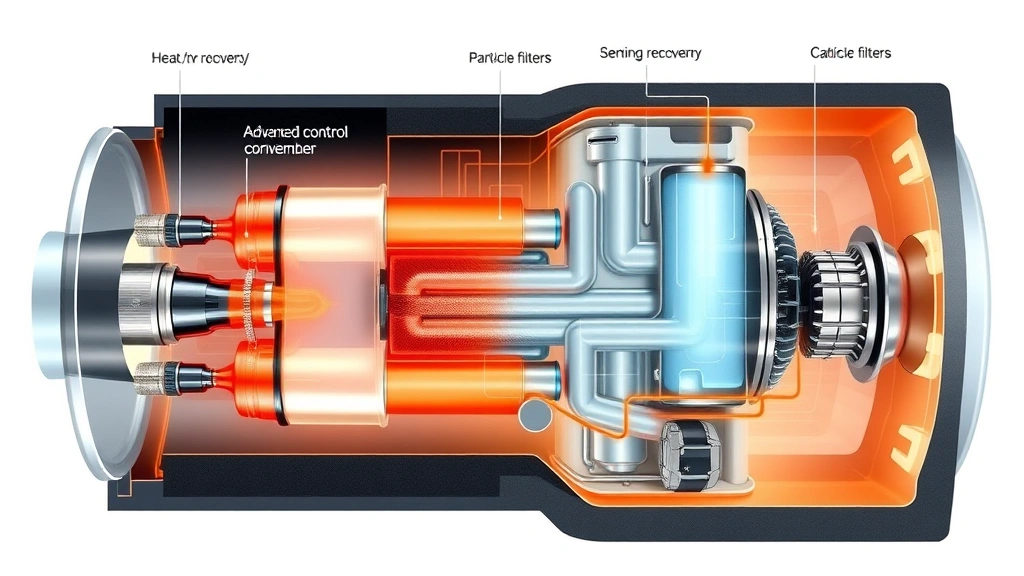
Jav Gas-201 represents a significant advancement in sustainable energy solutions, combining innovative engineering with environmental responsibility. This technology utilizes a proprietary combustion system that optimizes fuel consumption while dramatically reducing harmful emissions. Unlike traditional gas systems that release substantial amounts of nitrogen oxides and particulate matter, Jav Gas-201 incorporates multi-stage filtration and catalytic conversion processes.
The system’s core innovation lies in its hybrid approach, which integrates both advanced fuel processing and intelligent emission management. Developed through years of research and testing, Jav Gas-201 meets and often exceeds international environmental standards, including those set by the Environmental Protection Agency (EPA). The technology’s versatility allows it to function effectively across various operating conditions, from peak demand periods to partial load scenarios, maintaining consistent performance without sacrificing efficiency.
What sets Jav Gas-201 apart is its commitment to the principles of sustainability, which extend beyond mere emissions reduction. The system design incorporates durability, maintainability, and recyclability, ensuring that its environmental benefits persist throughout its operational lifespan. This holistic approach to sustainability demonstrates how modern energy technology can align economic viability with ecological responsibility.

How It Works: Technical Specifications
The operational mechanics of Jav Gas-201 involve a sophisticated series of processes that work in harmony to achieve superior performance. The system begins with precise fuel intake management, where incoming gas is analyzed and regulated through advanced sensors and control mechanisms. These sensors continuously monitor pressure, temperature, and composition, adjusting parameters in real-time to optimize combustion efficiency.
At the heart of the system lies the combustion chamber, engineered with specialized geometry that promotes complete fuel oxidation while minimizing hot-spot formation. This design reduces the production of nitrogen oxides (NOx), one of the most problematic air pollutants. The combustion process is followed by a sophisticated emission treatment stage, featuring:
- Selective catalytic reduction (SCR) technology that converts harmful NOx into harmless nitrogen and water
- Particulate filters that capture fine dust and contaminants before exhaust release
- Heat recovery systems that capture waste energy for secondary applications
- Real-time monitoring and diagnostics for continuous performance optimization
The system’s control architecture employs artificial intelligence algorithms that learn from operational patterns and adjust parameters predictively. This intelligent approach ensures that Jav Gas-201 maintains peak efficiency even as components age or external conditions change. The integration of IoT (Internet of Things) capabilities allows remote monitoring and diagnostics, enabling preventive maintenance that extends equipment lifespan and reduces unexpected downtime.
Environmental Benefits and Impact
The environmental advantages of Jav Gas-201 are substantial and measurable across multiple dimensions. Primary among these is the dramatic reduction in greenhouse gas emissions, with studies indicating reductions of up to 40% compared to conventional gas systems. This significant decrease directly contributes to mitigating climate change impacts and improving air quality in communities where the technology is deployed.
Beyond carbon reduction, Jav Gas-201 substantially decreases emissions of harmful pollutants that affect human health. Nitrogen oxides and particulate matter are linked to respiratory diseases, cardiovascular problems, and premature mortality. By reducing these pollutants by up to 90%, the technology provides immediate public health benefits, particularly in urban areas where air quality remains a critical concern. This reduction in air pollution also decreases healthcare costs and improves quality of life for vulnerable populations.
The water footprint of Jav Gas-201 is another important consideration. Unlike many energy generation methods, this system requires minimal water for cooling and processing, making it particularly valuable in water-stressed regions. Additionally, the technology’s efficiency means less overall energy waste, reducing the strain on natural resources and ecosystems. As part of a comprehensive strategy to reduce environmental footprint, Jav Gas-201 offers concrete, quantifiable benefits.
Research from organizations like the International Energy Agency (IEA) demonstrates that widespread adoption of technologies like Jav Gas-201 could contribute significantly to achieving global climate targets. The system’s ability to function as a bridge technology—providing reliable energy while transitioning toward fully renewable sources—makes it particularly valuable during this critical period of energy transformation.
Applications Across Industries
The versatility of Jav Gas-201 enables its application across diverse industrial and commercial sectors. In manufacturing facilities, the technology powers processes ranging from metal fabrication to chemical production, providing both the energy efficiency and emissions control that modern industries require. The system’s scalability allows it to serve everything from small workshops to large industrial complexes.
In the power generation sector, Jav Gas-201 systems can be integrated into existing infrastructure, either as standalone units or as components of hybrid systems combining multiple energy sources. This flexibility makes it attractive to utilities seeking to modernize aging facilities while maintaining grid reliability. The technology’s responsiveness to load changes makes it ideal for balancing renewable energy sources like wind and solar, which are inherently variable.
Commercial buildings, including hospitals, offices, and hospitality facilities, benefit from Jav Gas-201’s combination of efficiency and reliability. The system can provide both heating and electricity through combined heat and power (CHP) configurations, maximizing energy utilization and reducing operational costs. District heating systems increasingly incorporate this technology to serve multiple buildings efficiently.
Agricultural operations represent another important application area, where Jav Gas-201 can power irrigation systems, grain drying, and processing equipment while reducing the sector’s significant carbon footprint. In remote locations without access to electrical grids, the system provides a reliable, low-emission alternative to diesel generators, improving both economic viability and environmental outcomes for rural communities.
Comparison with Traditional Energy Sources
When evaluated against conventional energy systems, Jav Gas-201 demonstrates clear advantages across multiple metrics. Compared to coal-fired power plants, the technology produces dramatically lower emissions of carbon dioxide, sulfur dioxide, and particulates. While coal remains cheaper in some regions, the hidden costs of health impacts and environmental damage make Jav Gas-201 more economically efficient when externalities are considered.
Versus traditional natural gas systems, Jav Gas-201 achieves superior efficiency through advanced combustion and heat recovery technologies. While conventional systems typically achieve 35-40% thermal efficiency, Jav Gas-201 regularly exceeds 50% in CHP configurations. This efficiency advantage translates directly to lower fuel consumption and reduced operational costs over the system’s lifetime.
In comparison to renewable energy sources like solar and wind, Jav Gas-201 offers complementary advantages. While renewables produce zero emissions during operation, they depend on weather conditions and require energy storage solutions. Jav Gas-201 provides the dispatchable, reliable power that grids need, making it an essential component of balanced energy portfolios. The combination of renewables and Jav Gas-201 systems creates resilient, low-carbon energy infrastructure.
Relative to nuclear power, Jav Gas-201 avoids radioactive waste concerns and offers faster deployment timelines. However, nuclear provides baseload power without any emissions. The most practical approach involves deploying both technologies as complementary solutions within diverse energy systems that prioritize reliability and environmental protection.
Implementation and Installation
Successfully deploying Jav Gas-201 technology requires careful planning and professional installation. The initial assessment phase involves evaluating site conditions, existing infrastructure, and specific energy requirements. Engineers analyze fuel availability, space constraints, and connection points to existing systems, developing customized configurations that maximize performance and integration.
Installation procedures follow strict protocols developed through extensive field experience. The process typically involves:
- Site preparation including foundation work and utility connections
- Equipment delivery and positioning according to technical specifications
- Installation of emission control systems and monitoring equipment
- Connection to fuel supply lines with appropriate safety measures
- Integration with existing heating, cooling, and electrical systems
- Comprehensive testing and performance verification
- Staff training on operation and maintenance procedures
Post-installation support is crucial for optimal performance. Qualified technicians conduct regular inspections, perform preventive maintenance, and address any issues promptly. The system’s built-in diagnostics provide early warning of potential problems, enabling proactive service before failures occur. Many operators establish maintenance contracts that ensure continuous optimization and extend equipment lifespan.
Training personnel to operate Jav Gas-201 systems effectively is essential for achieving projected benefits. Operators learn to interpret system data, respond to alerts, and perform routine maintenance tasks. This human element, combined with the system’s intelligent automation, creates a synergistic approach that maximizes efficiency and reliability.
Cost-Benefit Analysis
The financial case for Jav Gas-201 investment considers both initial capital costs and long-term operational savings. While the upfront investment exceeds that of conventional systems, the superior efficiency and reduced fuel consumption generate returns relatively quickly. Most installations achieve payback periods of 5-8 years, after which the system operates at substantial profit for decades.
Energy cost savings represent the primary financial benefit. By consuming less fuel to produce equivalent energy, Jav Gas-201 reduces monthly utility expenses significantly. In industrial applications consuming large quantities of energy, these savings accumulate rapidly. A typical mid-sized facility might reduce energy costs by 25-35% through Jav Gas-201 deployment.
Additional financial benefits include reduced maintenance expenses due to the system’s advanced design and durability. The intelligent monitoring system prevents costly emergency repairs by identifying and addressing issues before they escalate. Many regions offer tax incentives, rebates, or grants for installing clean energy technology, further improving the financial proposition.
Beyond direct financial returns, organizations benefit from improved brand reputation, regulatory compliance, and employee satisfaction. Companies demonstrating commitment to green technology innovations attract environmentally conscious customers and investors, often commanding premium pricing for their products and services. These intangible benefits, while harder to quantify, contribute meaningfully to overall value creation.
Future Prospects and Development
The trajectory of Jav Gas-201 technology points toward continuous improvement and expanded capabilities. Research and development efforts focus on enhancing efficiency further, with prototype systems achieving efficiency levels exceeding 55% in CHP configurations. These advances will make the technology even more economically attractive while deepening its environmental benefits.
Integration with renewable energy systems represents a major development frontier. Future versions of Jav Gas-201 will feature enhanced flexibility to operate efficiently at varying output levels, making them ideal partners for wind and solar installations. Hybrid systems combining these technologies will provide communities with reliable, low-carbon energy portfolios.
Hydrogen compatibility is another significant development area. As hydrogen emerges as a clean fuel alternative, Jav Gas-201 systems are being adapted to burn hydrogen with minimal modifications. This capability positions the technology to serve as a bridge toward hydrogen-based energy economies, maintaining infrastructure investments while transitioning to fully renewable fuels.
Digital innovation will continue transforming how these systems operate and integrate with broader energy networks. Advanced artificial intelligence, machine learning, and predictive analytics will enable increasingly sophisticated optimization. Smart grid integration will allow Jav Gas-201 systems to respond dynamically to energy market conditions and grid requirements, maximizing both economic and environmental benefits.
Policy developments and climate commitments worldwide are creating favorable conditions for Jav Gas-201 adoption. As carbon pricing mechanisms, emissions regulations, and renewable energy mandates become more stringent, the economic advantage of low-emission technologies like Jav Gas-201 increases. The technology is positioned to play a crucial role in achieving net-zero emissions targets across multiple sectors.
FAQ
What makes Jav Gas-201 different from conventional gas systems?
Jav Gas-201 incorporates advanced combustion technology, multi-stage emission control, and intelligent monitoring systems that conventional systems lack. These features enable efficiency improvements of 25-35% and emission reductions of 40-90%, depending on the specific pollutant and comparison baseline.
How much can Jav Gas-201 reduce my energy costs?
Most facilities experience energy cost reductions of 25-35% through Jav Gas-201 deployment. The exact savings depend on facility size, current energy consumption patterns, local fuel and electricity prices, and operational optimization. A professional energy audit can provide facility-specific projections.
What is the typical lifespan of a Jav Gas-201 system?
Well-maintained Jav Gas-201 systems typically operate effectively for 20-25 years, with some installations exceeding 30 years. Regular maintenance and component replacement as needed ensure long operational life and continued performance optimization.
Can Jav Gas-201 be retrofitted into existing facilities?
Yes, Jav Gas-201 systems can often be integrated into existing infrastructure, though this requires professional assessment of site-specific conditions. Retrofitting is generally more complex than new installations but remains viable for most facilities.
What are the maintenance requirements for Jav Gas-201?
Maintenance includes regular inspections, filter replacements, catalyst element maintenance, and system diagnostics. Most facilities benefit from annual professional servicing and quarterly operator-performed checks. The system’s advanced diagnostics identify maintenance needs proactively.
How does Jav Gas-201 perform in cold climates?
Jav Gas-201 is engineered to operate effectively across wide temperature ranges, including harsh cold climates. Appropriate winterization measures, such as fuel line heating and insulation, ensure reliable operation in sub-zero conditions.
Is Jav Gas-201 compatible with renewable energy sources?
Absolutely. Jav Gas-201 systems complement renewable energy sources by providing dispatchable power when renewables are unavailable. Hybrid systems combining these technologies create resilient, low-carbon energy infrastructure.
What certifications and standards does Jav Gas-201 meet?
Jav Gas-201 meets or exceeds EPA standards, European Union emissions directives, and various international environmental regulations. The technology carries certifications from recognized standards bodies confirming performance claims and environmental compliance.
Are there government incentives for installing Jav Gas-201?
Many jurisdictions offer tax credits, rebates, or grants for clean energy technology installation. Incentive programs vary by location and change over time. Organizations should consult with local authorities and energy programs to identify available financial support.
What is the learning curve for operating Jav Gas-201 systems?
Most operators can master basic system operation within days of training. The intuitive control interface and automated functions minimize the complexity of day-to-day operation. Comprehensive operator manuals and technical support ensure smooth integration into facility operations.


