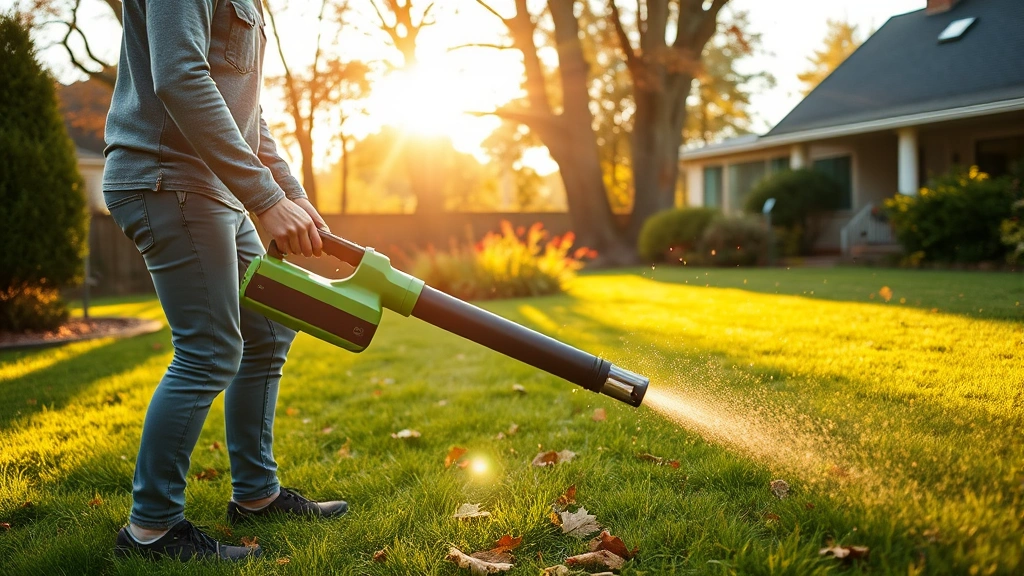
Gas Leaf Blowers: Eco-Friendly Alternatives?
Gas-powered leaf blowers have been a staple of yard maintenance for decades, offering convenience and power for clearing leaves, debris, and grass clippings. However, as environmental concerns grow and climate change accelerates, many homeowners and landscapers are questioning whether these noisy, emission-heavy machines align with sustainable living practices. The reality is that traditional gas leaf blowers present significant environmental challenges that warrant serious consideration of alternatives.
The debate surrounding gas leaf blowers extends beyond simple convenience—it touches on air quality, noise pollution, carbon emissions, and long-term environmental health. As part of our broader commitment to understanding what sustainability truly means, we must examine how our everyday choices impact the planet. This comprehensive guide explores the environmental impact of gas leaf blowers and presents practical alternatives to reduce your environmental footprint through smarter yard maintenance choices.

Environmental Impact of Gas Leaf Blowers
Gas-powered leaf blowers represent a surprising source of environmental degradation in residential and commercial settings. A single gas leaf blower operating for one hour produces emissions equivalent to driving a car for approximately 100 miles, according to research from the Environmental Protection Agency (EPA). This startling statistic reveals that what many consider a minor yard tool actually contributes meaningfully to air pollution and climate change.
The problem stems from the two-stroke engines commonly used in gas leaf blowers. These engines are notoriously inefficient, burning fuel incompletely and releasing unburned hydrocarbons directly into the atmosphere. Unlike automobiles, which are subject to strict emissions standards, leaf blowers have historically operated with minimal regulatory oversight. This regulatory gap means manufacturers have had little incentive to improve engine efficiency or reduce emissions.
Beyond carbon dioxide, gas leaf blowers emit volatile organic compounds (VOCs) and nitrogen oxides, which contribute to ground-level ozone formation and respiratory health problems. Communities with heavy landscaping activity often experience measurable spikes in air pollution during peak yard maintenance seasons, particularly affecting children, elderly residents, and people with asthma or other respiratory conditions.
Emissions and Air Quality Concerns
The air quality impact of gas leaf blowers extends far beyond the immediate user. A typical gas leaf blower produces approximately 800 times more nitrogen oxide emissions per gallon of fuel burned compared to modern automobiles. When multiplied across thousands of residential properties using these devices simultaneously, the cumulative effect becomes significant enough to impact regional air quality metrics.
The EPA has increasingly focused attention on small engine equipment, recognizing that lawn and garden equipment collectively contributes substantially to urban air pollution. Particulate matter stirred up by gas blowers—including dust, mold spores, and other allergens—can exacerbate existing health conditions and create new respiratory problems for vulnerable populations. This connects directly to broader conversations about reducing your environmental footprint in all aspects of daily life.
Additionally, gas blowers contribute to noise pollution, typically producing 80-90 decibels of sound—equivalent to standing near a busy highway. This acoustic pollution affects neighborhood quality of life, wildlife, and even human stress levels and sleep patterns. The combination of air and noise pollution makes gas leaf blowers particularly problematic in densely populated areas where multiple residents may be using them simultaneously.
Fuel spills during storage and refueling also represent an underappreciated environmental hazard. Gasoline that leaks from equipment or is improperly disposed of can contaminate groundwater and soil, affecting ecosystems and drinking water sources. Over a season, the cumulative impact of these spills across a community becomes environmentally significant.
Eco-Friendly Alternatives to Consider
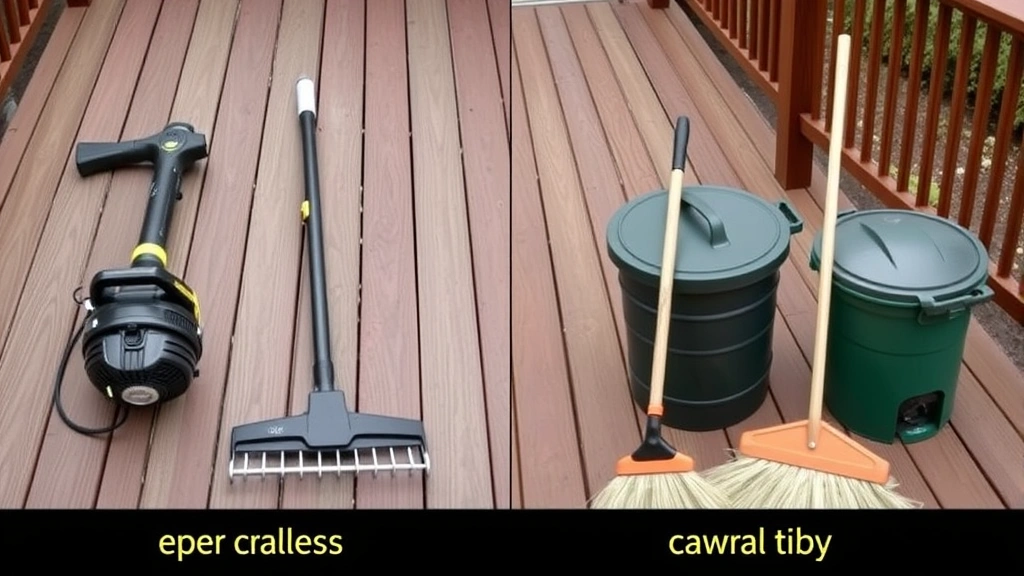
Fortunately, several practical alternatives exist for maintaining clean yards without relying on gas-powered equipment. These options range from low-tech solutions to cutting-edge green technology innovations transforming our future.
Manual Methods: The oldest and most sustainable approach involves using rakes, brooms, and other hand tools. While requiring more physical effort, these tools produce zero emissions, minimal noise, and provide exercise benefits. For smaller properties or regular maintenance, manual methods prove surprisingly efficient and meditative.
Mulching and Composting: Rather than blowing leaves away, many sustainable-minded homeowners leave leaves where they fall to decompose naturally. Leaves provide valuable nutrients to soil, support beneficial insects, and reduce the need for chemical fertilizers. This practice, called grasscycling, aligns with natural ecosystem processes and reduces waste.
Cordless Electric Blowers: Battery-powered leaf blowers have advanced dramatically in recent years, offering nearly gas-powered performance without emissions or noise pollution. Modern lithium-ion batteries provide sufficient runtime for most residential properties, and charging costs are negligible compared to fuel expenses.
Corded Electric Blowers: For properties with convenient outdoor outlets, corded electric blowers eliminate battery limitations entirely while maintaining zero emissions. They require no maintenance, produce minimal noise, and operate at lower cost than cordless alternatives.
Electric Leaf Blower Technology
Electric leaf blowers represent the most practical alternative for most homeowners seeking to eliminate gas-powered equipment from their yards. Understanding the technology helps in making informed purchasing decisions that align with your specific needs and environmental values.
Modern cordless leaf blowers use brushless motor technology, which is more efficient than traditional brush motors and delivers consistent power throughout the charge cycle. Battery capacity typically ranges from 2 to 6 amp-hours, with larger capacities providing longer runtimes at higher cost. Most residential properties can complete yard maintenance with a single charge, and interchangeable battery systems mean you can purchase additional batteries for extended work sessions.
The advantages of sustainable energy solutions like electric blowers extend beyond environmental benefits. They require virtually no maintenance—no spark plugs, air filters, or seasonal tune-ups. They start instantly without the frustrating pull-cord ritual. They’re quieter, allowing early morning or evening yard work without disturbing neighbors. And they eliminate the need to purchase, store, and dispose of gasoline, reducing household hazardous waste.
Battery technology continues improving rapidly, with newer models offering faster charging, longer lifespan, and improved cold-weather performance. Many manufacturers now offer warranties of 3-5 years on batteries, with typical lifespan extending 5-8 years of regular use. When batteries eventually require replacement, many can be recycled through manufacturer programs, preventing toxic materials from entering landfills.
Corded electric blowers, while requiring proximity to outdoor outlets, offer unlimited runtime and are ideal for properties where extension cords can reach work areas safely. They’re typically lighter than cordless models and often more affordable, making them excellent entry points for those transitioning from gas equipment.
Comparing Performance and Cost
When evaluating whether to switch from gas to electric leaf blowers, practical considerations matter alongside environmental factors. A comprehensive cost-benefit analysis reveals that electric alternatives offer compelling advantages.
Initial Purchase Cost: Quality cordless electric blowers typically range from $150-$400, while corded models cost $80-$250. Gas blowers range from $200-$600. If you already own tools using compatible battery systems, switching costs decrease significantly since you can use existing batteries and chargers.
Operating Costs: Charging a cordless blower costs approximately $0.50-$1.00 per season, compared to $50-$150 in gasoline for gas equivalents. Over a 10-year period, fuel savings alone justify switching to electric for most homeowners.
Maintenance Costs: Gas blowers require annual tune-ups, spark plug replacements, and seasonal maintenance totaling $50-$100 yearly. Electric blowers need virtually no maintenance, saving hundreds over their lifespan.
Performance Metrics: Modern electric blowers match or exceed gas models in air speed (90-180 mph) and volume (200-600 CFM), handling typical residential debris removal effectively. For professional landscapers managing large commercial properties, gas equipment may still offer advantages, but for homeowners, electric performance proves entirely adequate.
Noise Levels: Electric blowers operate at 60-75 decibels, roughly equivalent to normal conversation, compared to gas blowers at 80-100 decibels. This dramatic difference enables yard work during hours when gas equipment would violate noise ordinances or disturb neighbors.
Resale Value: As environmental consciousness increases, properties and communities with sustainable maintenance practices increasingly attract environmentally-minded buyers and renters. Demonstrating commitment to sustainable living practices through equipment choices may positively influence property values.
Making the Transition to Sustainable Yard Care
Transitioning from gas to electric leaf blowers doesn’t require an all-or-nothing approach. Many homeowners find success by gradually phasing in alternatives while identifying which methods work best for their specific situations.
Step 1: Assess Your Needs Evaluate your property size, yard complexity, and frequency of debris removal. Smaller properties or those requiring maintenance only a few times yearly may find manual methods or corded electric blowers perfectly adequate. Larger properties with frequent debris might justify cordless systems with multiple batteries.
Step 2: Consider Existing Equipment If you already own cordless tools using specific battery systems (DeWalt, Makita, Milwaukee, etc.), purchasing a blower using compatible batteries maximizes value and minimizes costs. Many manufacturers now offer blowers across their product lines specifically to encourage ecosystem adoption.
Step 3: Start with One Tool Begin by purchasing a single electric blower and using it for a full season. This approach lets you evaluate performance, understand your actual power needs, and build confidence before potentially replacing other gas equipment.
Step 4: Combine Methods The most sustainable approach often combines multiple techniques. Use electric blowers for regular maintenance, manual raking for final cleanup, and mulching to reduce overall debris. This diversified approach minimizes environmental impact while maintaining yard aesthetics.
Step 5: Engage Your Community Share your transition experience with neighbors and friends. Community adoption of sustainable practices amplifies environmental benefits and can influence local policy. Some municipalities now offer rebates or tax incentives for switching to electric yard equipment, so investigate local programs.
As you consider these changes, remember that transitioning to sustainable practices represents a journey rather than a destination. Each improvement in sustainable technology adoption, whether in yard maintenance or other areas, contributes meaningfully to environmental protection. The collective impact of millions of households making similar choices creates substantial positive change.
FAQ
Are electric leaf blowers powerful enough for wet leaves?
Modern electric blowers handle wet leaves effectively, though wet debris is heavier and moves slower than dry material. For consistently wet climates, corded models or high-capacity cordless systems perform best. However, many users find that allowing wet leaves to dry slightly before blowing produces better results regardless of equipment type.
How long do cordless leaf blower batteries last?
Quality lithium-ion batteries typically provide 5-8 years of regular use before capacity degrades noticeably. Most manufacturers warrant batteries for 3-5 years. Battery lifespan depends on charge cycles, storage conditions, and usage patterns. Proper care—avoiding complete discharge and extreme temperatures—extends battery life significantly.
Can I use the same batteries for multiple tools?
Yes, if tools share the same battery platform. Most major manufacturers design interchangeable batteries across their tool lines. This ecosystem approach provides flexibility and value, making it economical to build a complete cordless yard maintenance system over time.
What about noise restrictions in my area?
Many municipalities now regulate small engine equipment noise, with restrictions typically set at 75-85 decibels. Electric blowers almost universally comply with these standards, while gas equipment frequently violates them. Check local ordinances—you may find electric equipment required during certain hours or seasons.
Is switching to electric blowers really worth the investment?
For most homeowners, yes. When calculating total cost of ownership over 10 years—including purchase price, fuel, maintenance, and repairs—electric blowers prove significantly cheaper. Add environmental benefits, improved noise and air quality, and reduced effort, and the case becomes even stronger.
What should I do with my old gas leaf blower?
Many retailers accept trade-ins when purchasing new equipment. Donation programs, especially through landscaping schools or community organizations, may accept functional equipment. If the blower no longer works, contact local hazardous waste facilities about proper disposal of equipment containing fuel and oil.


