
Is a Linear Gas Fireplace Eco-Friendly? Facts Inside
Linear gas fireplaces have become increasingly popular in modern homes, offering a sleek aesthetic and convenient heating solution. However, as environmental consciousness grows, many homeowners are asking whether these contemporary heating fixtures align with eco-friendly living. The answer is nuanced and depends on several factors including energy efficiency, gas sourcing, usage patterns, and how they compare to alternative heating methods.
Understanding the environmental impact of linear gas fireplaces requires examining their operational efficiency, carbon footprint, and role within a broader home energy strategy. While they offer certain advantages over traditional wood-burning fireplaces, they present different sustainability challenges compared to electric or renewable heating alternatives. This comprehensive guide explores the scientific facts, environmental considerations, and practical insights to help you make an informed decision about whether a linear gas fireplace fits your sustainability goals.
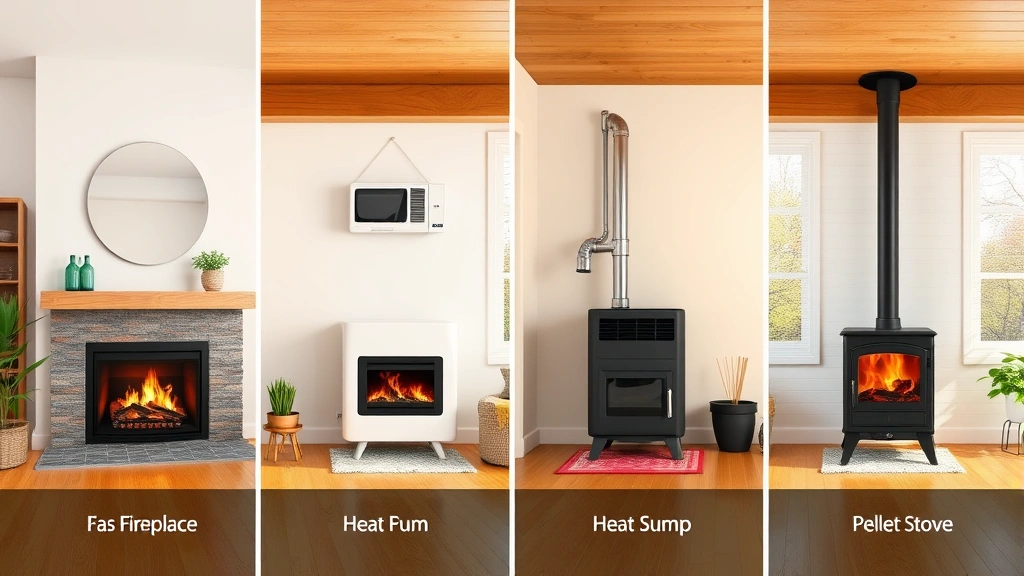
How Linear Gas Fireplaces Work
Linear gas fireplaces operate by burning natural gas or propane to generate heat and flame, creating a linear flame effect across the fireplace opening. Unlike traditional fireplaces with vertical chimneys, linear models are designed to fit modern architectural styles and can be installed in various orientations. The combustion process involves mixing fuel with oxygen, which produces heat, carbon dioxide, and water vapor.
The key components include a burner system, ignition mechanism, glass front panel, and often a blower system to distribute heat throughout the room. Modern linear gas fireplaces feature electronic ignition systems rather than pilot lights, which improves efficiency by eliminating continuous gas consumption. Many models include thermostats and remote controls, allowing users to regulate temperature and flame intensity precisely.
Understanding the definition of sustainability is essential when evaluating these appliances. A sustainable heating solution should minimize environmental harm while meeting practical heating needs efficiently. The combustion-based nature of gas fireplaces inherently produces greenhouse gases, which raises legitimate environmental concerns that deserve careful analysis.
Energy Efficiency and Heating Performance
Linear gas fireplaces typically achieve efficiency ratings between 70-90%, meaning that 70-90% of the fuel’s energy converts to usable heat. This is substantially higher than traditional wood-burning fireplaces, which operate at merely 10-30% efficiency. However, this efficiency figure requires context to understand its true environmental significance.
Modern linear gas fireplace models with sealed combustion systems perform better than older designs. Sealed combustion draws air from outside the home rather than from the living space, preventing heated interior air from escaping through the chimney. This design feature significantly improves overall home efficiency, as it doesn’t create the drafts common with traditional fireplaces.
The actual heating contribution depends on several variables: room size, insulation quality, how frequently you operate the fireplace, and whether you use it as primary or supplemental heating. For zone heating—warming specific rooms rather than the entire home—a linear gas fireplace can reduce overall energy consumption compared to heating unused spaces. This targeted heating approach aligns with how to reduce your environmental footprint through strategic energy management.
However, if a linear gas fireplace supplements adequate central heating, its environmental benefit diminishes or becomes negative. Running the fireplace while maintaining full home heating creates redundancy and waste. The sustainability equation depends entirely on how the fireplace fits into your comprehensive heating strategy.
Carbon Emissions and Environmental Impact
Natural gas combustion produces carbon dioxide, a primary greenhouse gas contributing to climate change. Burning one therm of natural gas (approximately 100,000 BTU) releases roughly 5.3 pounds of CO2. A linear gas fireplace operating for several hours daily during winter months can produce substantial cumulative emissions.
Beyond carbon dioxide, gas combustion generates other environmental concerns. Methane leakage during natural gas extraction, processing, and distribution represents a significant climate problem. Methane possesses global warming potential 28-34 times greater than CO2 over a 100-year period. According to the EPA’s greenhouse gas emissions overview, methane leakage from natural gas infrastructure accounts for a meaningful portion of overall emissions.
The environmental impact also depends on your regional electricity grid composition. In areas where electricity comes predominantly from renewable sources, electric heating alternatives present lower emissions than gas-based systems. Conversely, in regions relying heavily on fossil fuel power generation, the emissions advantage narrows considerably.
Indoor air quality represents another environmental health consideration. Gas combustion produces nitrogen dioxide and other pollutants, though properly vented systems minimize indoor exposure. Unvented or improperly vented gas fireplaces can degrade indoor air quality, creating health risks alongside environmental concerns.
Comparison with Other Heating Methods
Evaluating linear gas fireplaces requires comparing them against viable alternatives. Sustainable energy solutions encompass multiple approaches, each with distinct environmental profiles.
Electric Fireplaces
Electric fireplaces produce zero direct emissions and operate at nearly 100% efficiency since all electricity converts to heat. However, their environmental benefit depends on grid electricity sources. In regions with renewable-heavy grids, electric fireplaces are substantially more sustainable. They also offer superior safety profiles and require no venting or gas connections.
Wood-Burning Fireplaces
Traditional wood fireplaces operate at 10-30% efficiency and produce significant particulate matter and air pollution. However, sustainably harvested wood can be carbon-neutral if regrowth absorbs equivalent CO2. The practical reality is that most wood-burning fireplaces cause net environmental harm through low efficiency and pollution generation.
Heat Pumps and Central Heating
Modern heat pump technology delivers superior efficiency compared to gas heating, extracting environmental heat even in cold climates. When powered by renewable electricity, heat pumps represent the most sustainable heating approach. Central heating systems distributing warmth throughout homes eliminate the zone-heating advantage linear gas fireplaces might offer.
Pellet Stoves
Biomass pellet stoves burn compressed wood waste, potentially utilizing agricultural byproducts. They achieve 80-90% efficiency and can be carbon-neutral with sustainable sourcing. However, they require regular maintenance and produce more particulate emissions than gas systems.
Natural Gas vs. Propane Considerations
Linear gas fireplaces operate on either natural gas or propane, each presenting different environmental implications. Natural gas, delivered through underground pipelines, experiences methane leakage throughout the distribution system. Studies indicate 1-3% of natural gas escapes as methane during extraction and transport, significantly increasing its climate impact.
Propane, stored in tanks and delivered via truck, avoids pipeline leakage but requires frequent refilling and transportation. The transportation emissions for propane delivery create an additional carbon footprint not present with piped natural gas. Additionally, propane production often involves natural gas processing, creating upstream emissions.
Neither option presents a clearly superior environmental choice. Natural gas involves greater methane leakage risks, while propane requires carbon-intensive delivery logistics. The decision depends on local infrastructure, availability, and your specific circumstances.
Making Your Fireplace More Sustainable
If you own or plan to install a linear gas fireplace, several strategies enhance its environmental performance. First, choose models with sealed combustion systems that don’t depressurize your home. This design maintains heating efficiency and prevents conditioned air loss.
Second, use the fireplace strategically for zone heating rather than as supplemental heating alongside full home heating. If you’re heating a living room while maintaining a 68-degree whole-house temperature, you’re creating energy waste. Instead, lower the home thermostat and use the fireplace to warm occupied spaces.
Third, ensure proper maintenance including annual inspections and cleaning. A well-maintained fireplace operates more efficiently and safely. Dirty burners and blocked vents reduce performance and increase emissions.
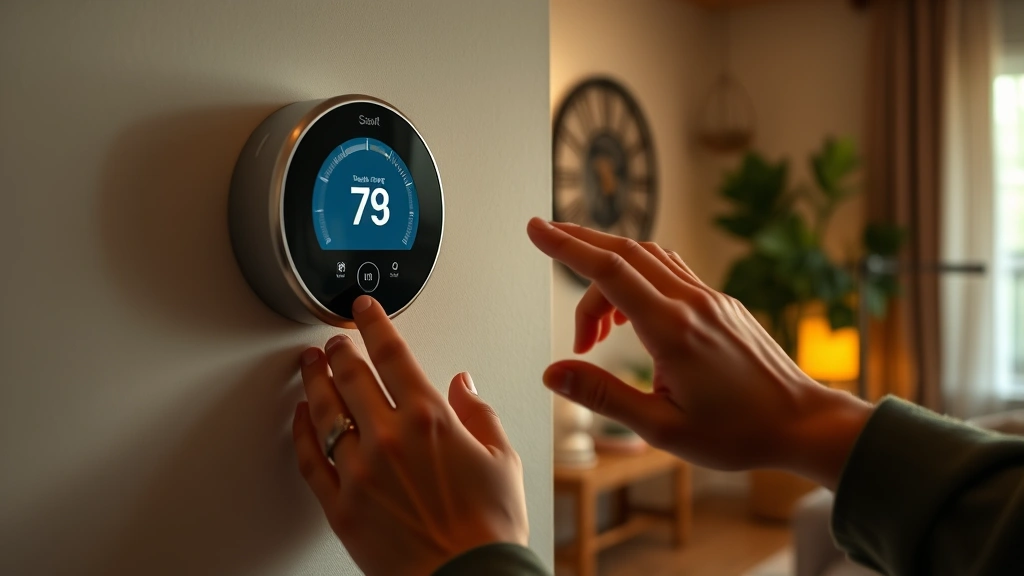
Fourth, install a programmable or smart thermostat to optimize your overall heating system. Coordinating fireplace use with central heating prevents redundancy and waste. Many modern fireplaces integrate with smart home systems for enhanced control.
Fifth, consider carbon offset programs to neutralize unavoidable emissions. Organizations offering verified carbon offsets allow you to fund renewable energy projects or reforestation initiatives equivalent to your fireplace’s emissions.
Alternatives to Linear Gas Fireplaces
Homeowners seeking ambiance without gas combustion have several attractive alternatives. Green technology innovations transforming our future include increasingly sophisticated electric fireplace designs that replicate flame effects convincingly without emissions or fuel consumption.
Electric Fireplace Inserts
These devices fit into existing fireplace openings, providing flame effects and heating without gas or venting requirements. Modern LED technology creates remarkably realistic flames while consuming minimal electricity. They’re ideal for retrofitting existing fireplaces.
Ethanol Fireplaces
Bioethanol fireplaces burn renewable alcohol fuel, producing primarily CO2 and water vapor. While cleaner than gas, they’re less efficient than electric alternatives and still produce emissions. They work best for ambiance rather than primary heating.
Ductless Heat Pumps
Mini-split heat pump systems provide efficient heating and cooling without combustion. They operate at 300-400% efficiency by moving heat rather than generating it, making them far superior to gas fireplaces from an environmental perspective. They also integrate seamlessly with modern interiors.
Radiant Floor Heating
Hydronic systems circulating warm water through floor pipes provide comfortable, efficient heating. When powered by renewable electricity or solar thermal systems, radiant heating represents a highly sustainable solution, though retrofitting existing homes presents challenges.
Explore sustainable energy solutions comprehensively before committing to any heating system. Each option presents distinct advantages and limitations depending on your home, climate, and values.
FAQ
Are linear gas fireplaces more eco-friendly than traditional fireplaces?
Yes, significantly. Linear gas fireplaces achieve 70-90% efficiency compared to 10-30% for traditional wood-burning fireplaces. They produce no particulate matter or air pollution and release only CO2 and water vapor. However, both produce greenhouse gas emissions, making electric alternatives preferable from a pure environmental standpoint.
Do linear gas fireplaces increase home heating costs?
Not necessarily. If used for zone heating to reduce whole-home heating demands, they can lower overall energy bills. However, operating them alongside full home heating creates redundancy and increases costs. Usage patterns determine the financial and environmental impact.
Can I offset the emissions from my gas fireplace?
Yes. Verified carbon offset programs allow you to fund renewable energy or reforestation projects equivalent to your fireplace’s emissions. Organizations like Gold Standard and Verra certify legitimate offset projects. Calculate your annual emissions and purchase corresponding offsets.
What’s the environmental impact of natural gas extraction?
Natural gas extraction involves methane leakage at wells, processing facilities, and throughout pipeline distribution. The International Energy Agency estimates significant methane leakage throughout the natural gas supply chain, substantially increasing the fuel’s climate impact beyond direct combustion emissions.
How do linear gas fireplaces compare to electric heat pumps?
Heat pumps are substantially more efficient, operating at 300-400% efficiency by moving heat rather than generating it. When powered by renewable electricity, they’re far superior environmentally. However, they require professional installation and may not provide the same aesthetic appeal as a fireplace.
Should I remove my linear gas fireplace for environmental reasons?
Not necessarily. If the fireplace is already installed, replacing it consumes resources and creates waste. Instead, use it strategically for zone heating while maintaining lower home thermostat settings. However, if planning new construction or major renovations, choosing electric alternatives or heat pumps represents the more sustainable path.
Are sealed combustion gas fireplaces better for the environment?
Sealed combustion systems improve home energy efficiency by preventing heated interior air loss, making them preferable to open-combustion designs. However, they still produce CO2 and depend on fossil fuels. The environmental advantage over unsealed models is real but modest compared to switching to electric or heat pump alternatives.
What role should ambiance play in heating decisions?
While aesthetic considerations matter for quality of life, they shouldn’t override environmental responsibility. Modern electric fireplaces replicate flame effects convincingly while eliminating emissions. If ambiance is your primary goal, consider electric alternatives that provide visual appeal without environmental cost.


