
Paying Gas Bills Sustainably: South Jersey Tips for Eco-Conscious Residents
Managing utility costs while protecting the environment is a challenge many South Jersey residents face. Natural gas bills represent a significant portion of household expenses, especially during colder months, but sustainable practices can help reduce both your financial burden and carbon footprint. This comprehensive guide explores actionable strategies for paying gas bills more sustainably, from energy efficiency upgrades to renewable alternatives tailored to South Jersey’s unique climate and energy landscape.
South Jersey’s energy infrastructure is evolving rapidly, with increasing opportunities for residents to transition toward cleaner heating solutions. Whether you’re looking to optimize your current natural gas usage or explore alternatives entirely, understanding your options empowers you to make decisions that align with both your budget and environmental values. The strategies outlined below combine practical cost-saving measures with meaningful sustainability impact.

Understanding Your South Jersey Gas Bill
Before implementing sustainability strategies, it’s essential to understand what comprises your natural gas bill and how consumption patterns affect your costs. South Jersey’s gas utility landscape includes major providers like South Jersey Industries (SJI), which serves approximately 700,000 customers across the region. Your monthly bill typically includes charges for gas consumption, delivery fees, taxes, and various surcharges. Deciphering these components helps you identify where significant savings opportunities exist.
The New Jersey Board of Public Utilities (BPU) regulates utility rates and ensures fair pricing for residents. Understanding regulatory frameworks helps you navigate available programs and understand rate structures. Winter months (November through March) typically see the highest consumption and billing, as heating accounts for approximately 40-50% of household energy use in the Northeast. By analyzing your usage patterns, you can pinpoint inefficiencies and develop targeted reduction strategies.
South Jersey’s climate characteristics—moderate winters with occasional severe cold snaps—mean heating demands fluctuate significantly. This variability makes sustainable energy solutions particularly valuable, as they can buffer against price volatility while reducing environmental impact. Reviewing 12 months of billing history reveals seasonal trends and helps establish realistic reduction targets.
Energy Efficiency Upgrades That Reduce Consumption
The most direct path to sustainable gas bill management involves reducing consumption through home efficiency improvements. These upgrades decrease the amount of natural gas needed for heating, hot water, and appliances, resulting in immediate and long-term savings. South Jersey homes, many built decades ago, often lack modern insulation and air-sealing measures that newer construction standards require.
Insulation and Air Sealing: Heat loss through walls, attics, and basements represents the largest efficiency opportunity for most homes. Adding attic insulation to R-38 or higher significantly reduces heating demand. Basement rim joists, often overlooked, account for substantial heat loss. Air sealing around windows, doors, electrical outlets, and penetrations prevents conditioned air from escaping. Professional energy audits, available through many South Jersey utility providers, identify specific areas where improvements yield the greatest return on investment.
HVAC System Optimization: Furnace efficiency directly impacts gas consumption. Systems older than 15 years typically operate at 78-80% efficiency, meaning 20-22% of fuel is wasted. Modern ENERGY STAR certified furnaces achieve 95%+ efficiency. While replacement represents significant investment, federal tax credits up to $600 and state rebates can offset costs. Regular maintenance—annual inspections, filter changes, and ductwork sealing—improves efficiency of existing systems by 5-15% and extends equipment lifespan.
Water Heating Improvements: Water heating represents 15-20% of household energy use. Tankless water heaters and heat pump water heaters reduce consumption by 25-50% compared to conventional units. Insulating hot water pipes minimizes heat loss during distribution. Lowering water heater temperature to 120°F reduces energy use while maintaining safety and comfort. Installing low-flow showerheads and faucet aerators reduces both water and heating energy consumption simultaneously.
Renewable Heating Alternatives for South Jersey Homes
Transitioning away from natural gas entirely represents the ultimate sustainability goal for many environmentally conscious residents. South Jersey’s renewable heating options have expanded significantly, with improving technology and financial incentives making alternatives increasingly accessible. These solutions align with sustainability principles by eliminating fossil fuel dependence while reducing household carbon emissions.
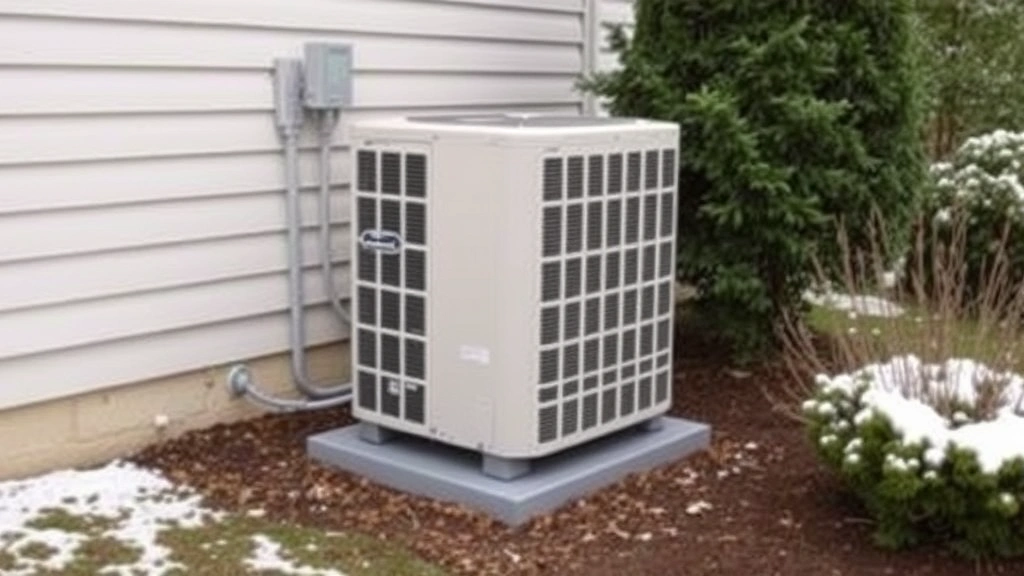
Air Source Heat Pumps: Heat pump technology has revolutionized residential heating sustainability. These systems extract heat from outdoor air (even in cold temperatures) and transfer it indoors, providing both heating and cooling. Modern cold-climate heat pumps operate effectively in South Jersey winters, delivering 2-3 times more heat energy than equivalent electrical energy consumed. They eliminate natural gas consumption for space heating and can provide domestic hot water. Installation costs range from $8,000-15,000, but federal Investment Tax Credits (30%) and state rebates significantly reduce out-of-pocket expenses.
Ground Source Heat Pumps: Geothermal systems tap into stable underground temperatures, achieving exceptional efficiency (300-600% depending on conditions). While installation requires significant upfront investment ($15,000-30,000) and suitable land, lifetime operating costs are substantially lower than conventional systems. South Jersey’s groundwater conditions support effective geothermal installations in many areas. These systems provide heating, cooling, and water heating from a single renewable platform.
Solar Thermal Systems: Solar hot water systems use rooftop collectors to heat water directly, reducing gas water heater demand by 50-80%. South Jersey receives adequate solar radiation for viable solar thermal installations, with average peak sun hours supporting year-round operation. Systems cost $3,000-7,000 installed, with federal tax credits (30%) and state incentives available. They work effectively alongside conventional water heaters as backup systems.
Exploring green technology innovations transforming the future reveals emerging options like hybrid systems combining heat pumps with solar integration and community district heating networks being piloted in New Jersey municipalities.
Smart Thermostat Technology and Behavioral Changes
Intelligent temperature management represents one of the most cost-effective sustainability strategies, requiring minimal investment while delivering measurable results. Programmable and smart thermostats enable precise control over heating schedules, automatically adjusting temperatures based on occupancy patterns and preferences. These devices typically pay for themselves within 1-2 years through energy savings alone.
Smart Thermostat Benefits: Modern smart thermostats learn user behavior, automatically optimizing heating schedules to minimize energy use while maintaining comfort. They provide detailed energy usage reports, helping residents understand consumption patterns and identify optimization opportunities. Remote control via smartphone apps allows adjustment from anywhere, preventing unnecessary heating during extended absences. Geofencing features automatically adjust temperatures when residents leave home and warm the house before arrival. Integration with weather forecasts enables proactive adjustments before temperature changes.
Behavioral Adjustments: Simple habit changes yield significant savings without sacrificing comfort. Lowering thermostat temperature by 7-10°F for 8 hours daily reduces heating costs by approximately 10%. Wearing layers and using blankets extends the temperature range where you remain comfortable. Closing doors to unused rooms concentrates heating in occupied spaces. Utilizing ceiling fans to circulate warm air (set to clockwise rotation in winter) allows lower thermostat settings. Keeping blinds and curtains closed at night reduces heat loss through windows.
Zoning Strategies: Heating only occupied spaces rather than entire homes significantly reduces consumption. Smart dampers and multiple thermostats enable independent temperature control in different areas. This approach proves particularly effective for homes with unused rooms, finished basements, or guest areas. South Jersey’s varied home sizes and configurations make zoning strategies especially valuable for larger properties.
Utility Rebates and Green Energy Programs
South Jersey residents benefit from extensive rebate programs and green energy initiatives designed to support sustainability transitions. Understanding available incentives dramatically improves the financial feasibility of efficiency upgrades and renewable system installations. State and federal programs combine to offer thousands in potential support for qualifying projects.
New Jersey Utility Rebates: South Jersey Industries and other utilities offer rebates for ENERGY STAR appliances, heat pump installations, water heater upgrades, and insulation improvements. Rebate amounts vary by project type and utility, typically ranging from $500-5,000. Many programs include no-cost energy audits identifying the most cost-effective improvements for your specific home. Application processes are straightforward, with many utilities processing rebates within 60-90 days of project completion.
Federal Tax Credits and Incentives: The Inflation Reduction Act (2022) dramatically expanded federal support for home energy improvements. Residents can claim 30% tax credits (up to $3,600 per year) for heat pump installations, 30% credits for solar thermal systems, and credits for insulation, air sealing, and HVAC improvements. These credits don’t require income limits, making them available to all eligible homeowners. Combined with state rebates, federal support can cover 50-70% of upgrade costs for many projects.
Green Energy Programs: Many South Jersey utilities offer renewable energy programs allowing residents to source electricity from wind and solar. While these programs don’t directly reduce gas bills, they reduce your environmental footprint across all energy consumption. Some programs offer preferential rates for renewable energy, providing both environmental and economic benefits. Community solar programs enable participation without rooftop solar installation, expanding access to renewable energy across property types.
Sustainable Billing Practices and Payment Options
Beyond consumption reduction, sustainable gas bill management includes responsible billing practices and payment approaches that minimize environmental impact and support financial stability. Many residents overlook billing-related sustainability opportunities that offer immediate benefits.
Budget Billing Programs: Utility budget billing spreads annual costs evenly across 12 months, eliminating seasonal billing spikes and improving payment predictability. This approach reduces financial stress and encourages consistent conservation efforts year-round. It also enables better household budgeting and reduces the temptation to increase heating during expensive winter months due to budget pressure. Many utilities offer budget billing at no additional cost, making it an accessible option for most residents.
Paperless Billing and Autopay: Switching to electronic billing and automatic payments reduces paper waste and administrative overhead. Paperless billing eliminates unnecessary resource consumption while providing convenient access to billing history and usage data through online portals. Automatic payment options ensure timely payments, avoiding late fees while supporting utility company efficiency. Digital billing platforms typically provide more detailed usage information than paper statements, enabling better consumption monitoring.
Time-of-Use Rates: Some utilities offer time-of-use pricing, charging different rates during peak and off-peak hours. While less common for gas than electricity, residents should inquire about availability. Shifting flexible consumption (like water heating or heating adjustments) to off-peak hours can reduce bills. Understanding rate structures helps identify when conservation efforts yield greatest savings. Peak pricing often occurs during winter mornings and evenings when heating demand is highest, making efficiency improvements particularly valuable during these periods.
Payment Assistance Programs: Low-income residents qualify for utility assistance through New Jersey Department of Community Affairs programs and weatherization initiatives. These programs provide direct bill assistance and free energy efficiency improvements, supporting sustainability while ensuring heating access. Eligibility requirements vary, but programs serve households at various income levels. Combining assistance programs with conservation efforts maximizes benefits for vulnerable populations.
Community Resources and Support
South Jersey’s sustainability community provides valuable resources, expertise, and support for residents pursuing gas bill reduction and renewable energy transitions. Connecting with these resources amplifies individual efforts while contributing to regional sustainability progress.
Energy Audits and Professional Assessments: Many utilities and nonprofit organizations offer free or low-cost energy audits identifying specific efficiency opportunities. Professional auditors use thermal imaging, blower door testing, and detailed analysis to quantify heat loss and recommend prioritized improvements. These assessments remove guesswork from efficiency projects, ensuring investments target the most impactful opportunities. South Jersey’s American Council for an Energy-Efficient Economy (ACEEE) directory identifies certified professionals in the region.
Community Solar and Cooperative Programs: Community solar initiatives enable residents without suitable roofs or resources for private solar installation to access renewable energy. These programs distribute benefits proportionally to participants, reducing electricity consumption and supporting grid decarbonization. Cooperative purchasing programs for heat pumps and other efficiency equipment negotiate bulk discounts, reducing costs for participating residents. South Jersey municipalities increasingly support these programs as part of climate action plans.
Educational Resources and Workshops: Local environmental organizations and utility companies offer workshops on sustainability topics, from basic efficiency improvements to renewable energy transitions. These educational opportunities build knowledge and confidence for implementing changes. Sustainability blogs and resources provide ongoing information about emerging technologies and best practices. Engaging with educational content helps residents stay informed about evolving options and incentives.
Advocacy and Policy Engagement: Supporting local and state climate policies amplifies individual efforts through systemic change. South Jersey residents can advocate for stronger building codes, expanded renewable energy programs, and utility rate structures supporting conservation. Engaging with municipal climate action planning ensures community voices shape regional sustainability goals. Organizations like the New Jersey Environmental Federation coordinate advocacy efforts supporting comprehensive sustainability transitions.
FAQ
What’s the fastest way to reduce my South Jersey gas bill?
Installing a programmable or smart thermostat and implementing behavioral changes (lowering temperature by 7-10°F for 8 hours daily) can reduce bills by 10-15% within weeks at minimal cost. Simultaneously, air sealing around windows and doors eliminates heat loss for $500-1,500 and yields 5-10% savings. These quick-win strategies provide immediate results while planning larger efficiency projects.
Are heat pumps effective in South Jersey winters?
Yes, modern cold-climate heat pumps operate effectively in South Jersey’s winters, extracting heat from outdoor air even at temperatures below freezing. They provide 2-3 times more heat energy than equivalent electricity consumed, making them highly efficient. Many residents report heat pump performance exceeding traditional furnaces once properly sized and installed. Federal tax credits (30%) significantly reduce installation costs.
How much can I save with renewable heating systems?
Savings vary based on current heating costs, system type, and usage patterns. Heat pump installations typically reduce heating costs by 40-60% compared to natural gas. Geothermal systems achieve 50-70% savings with higher upfront costs but better long-term economics. Solar thermal systems reduce water heating costs by 50-80%. Federal and state incentives can cover 50-70% of installation costs, dramatically improving return on investment.
What South Jersey utility programs support sustainability?
South Jersey Industries and other utilities offer rebates for efficiency upgrades (typically $500-5,000), free energy audits, budget billing programs, and green energy options. Federal tax credits provide 30% support for heat pumps, solar thermal systems, and insulation improvements. New Jersey’s Clean Energy Program funds various initiatives. Contact your utility directly or visit the BPU website for current program details and eligibility requirements.
Is weatherization assistance available for South Jersey residents?
Yes, the New Jersey Weatherization Assistance Program provides free energy efficiency improvements for eligible low-income households, including insulation, air sealing, and heating system repairs. Applications are processed through county community action agencies. The program combines direct assistance with conservation education, helping residents reduce energy costs sustainably. Eligibility varies by income level; contact your county office for specific requirements.
How do I choose between different renewable heating options?
Consider your home’s characteristics, budget, and long-term plans. Heat pumps suit most homes, requiring moderate investment with excellent efficiency. Geothermal systems require suitable land but provide superior efficiency and longevity. Solar thermal systems work well for hot water heating, especially with south-facing roof access. Consult with certified professionals who can assess your specific situation, compare options, and identify incentives maximizing your investment value.


