Small Gas Stove: Eco-Friendly Cooking Tips for Sustainable Kitchens
Cooking is one of the most essential daily activities in any household, yet it often goes unexamined from an environmental perspective. A small gas stove can be an efficient cooking solution when used mindfully, striking a balance between functionality and environmental responsibility. Whether you’re renovating your kitchen or simply seeking to optimize your cooking practices, understanding how to use a compact gas stove sustainably can significantly reduce your household’s carbon footprint while maintaining culinary excellence.
The kitchen represents a critical intersection of energy consumption, resource management, and daily lifestyle choices. By adopting eco-friendly cooking practices with your small gas stove, you contribute to broader sustainability principles that extend far beyond your home. This comprehensive guide explores practical strategies, maintenance tips, and environmental considerations that transform your cooking experience into a model of ecological consciousness.
Why Small Gas Stoves Matter for Eco-Conscious Cooking
A small gas stove represents a practical choice for environmentally aware households seeking efficient cooking solutions. Unlike larger commercial ranges, compact gas stoves consume less fuel while delivering consistent heat output, making them ideal for apartments, tiny homes, and households prioritizing resource conservation. The direct flame delivery system of gas cooking ensures minimal energy waste compared to electric coil alternatives, which require extended preheating periods and distribute heat inefficiently.
The environmental impact of your cooking appliance extends beyond energy consumption during use. Manufacturing, transportation, packaging, and eventual disposal all contribute to the appliance’s total lifecycle carbon footprint. By choosing a small gas stove appropriately sized for your actual cooking needs, you minimize manufacturing waste and reduce shipping emissions. This conscious consumer choice aligns with broader strategies for reducing your environmental footprint throughout your home and daily routines.
Natural gas combustion produces fewer emissions per unit of energy compared to coal or oil-based heating systems. When sourced responsibly and used efficiently, gas cooking can be a relatively low-impact cooking method. However, optimizing your small gas stove’s performance requires understanding combustion efficiency, heat transfer principles, and practical cooking techniques that minimize waste.
Energy Efficiency and Gas Combustion Fundamentals
Understanding how your small gas stove operates at a fundamental level empowers you to use it more efficiently. Gas stoves generate heat through controlled combustion of natural gas or propane, creating an open flame that directly contacts your cookware. This direct heat transfer is inherently more efficient than electric coil elements, which must first heat a metal surface before transferring warmth to your pots and pans.
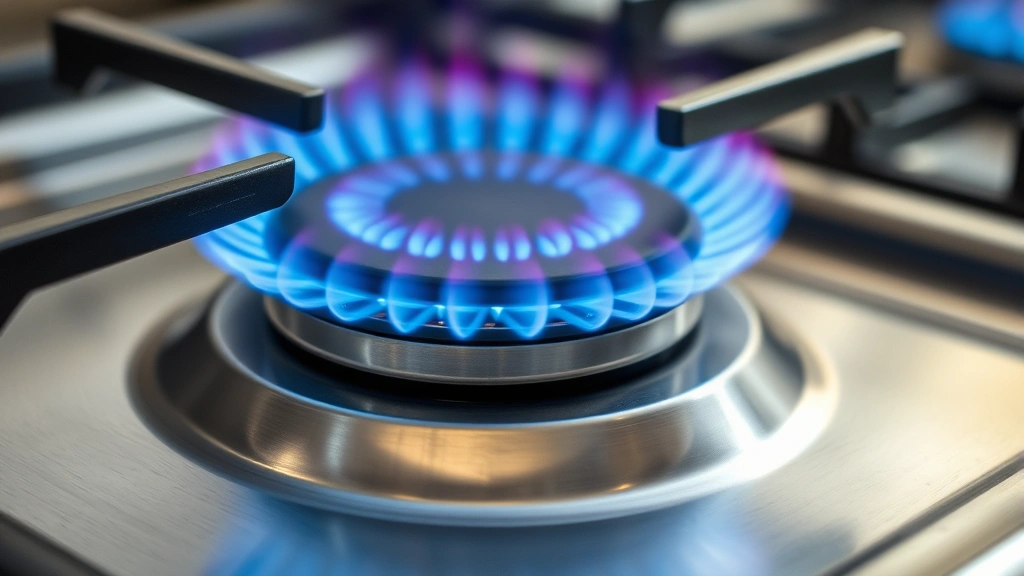
The efficiency of gas combustion depends on several factors: burner design, flame quality, and proper air-to-fuel ratio. A healthy flame appears blue with minimal yellow coloring, indicating complete combustion. Yellow or orange flames suggest incomplete combustion, wasting fuel and potentially releasing more carbon monoxide. Regular cleaning of burner ports prevents blockages that compromise flame quality and efficiency. When your burners produce proper blue flames, you’re maximizing energy conversion while minimizing emissions.
According to EPA energy guidelines, residential gas cooking appliances should maintain combustion efficiency above 75 percent. Small gas stoves typically exceed this threshold when properly maintained. The flame’s size should match your cookware diameter—using a small burner for a large pot wastes heat around the pot’s edges, while oversized burners under small pans create similar inefficiencies. Matching flame size to cookware size is among the simplest yet most impactful optimization techniques.
Ventilation affects gas stove efficiency significantly. Proper kitchen exhaust systems remove cooking byproducts but can inadvertently pull heated air from your home, increasing heating demands. Modern sustainable energy solutions include ventilation systems with heat recovery capabilities, recapturing some of the energy typically lost through exhaust vents. If upgrading your kitchen ventilation, consider these advanced systems that balance indoor air quality with thermal efficiency.
Optimizing Cookware for Maximum Efficiency
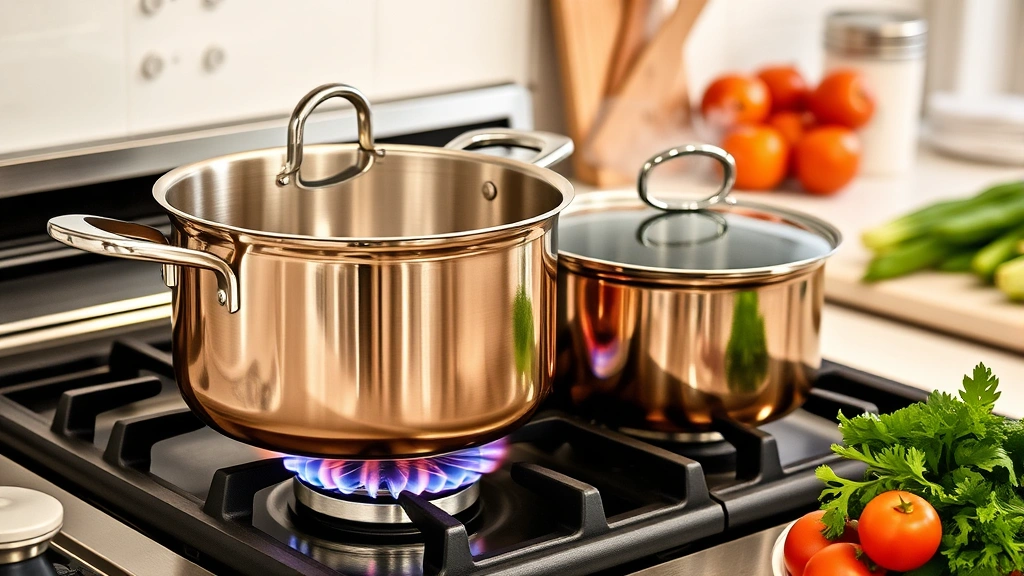
Your cookware selection dramatically influences how effectively your small gas stove transfers heat. Flat-bottomed pots and pans maximize contact with the flame, ensuring efficient heat transfer. Warped or curved bottoms create air pockets that insulate cookware from direct flame contact, requiring longer cooking times and increased gas consumption. Inspect your cookware regularly, replacing damaged pieces that compromise cooking efficiency.
Material composition affects heat distribution and retention. Stainless steel cookware conducts heat adequately but unevenly, potentially creating hot spots. Copper-bottomed cookware or multi-ply construction distributes heat more uniformly, reducing cooking time and energy waste. Cast iron cookware, while heavy, retains heat exceptionally well, allowing you to use lower flame settings once the pan reaches temperature. Aluminum cookware heats quickly but loses heat rapidly once removed from the flame.
The size relationship between your cookware and burner size deserves particular attention. Ideally, your pot or pan diameter should match or slightly exceed the visible flame area. A general rule: your cookware should cover 75-90 percent of the burner flame. This optimization prevents heat from escaping around the cookware’s sides while ensuring complete, efficient flame contact with the bottom surface. For your small gas stove, maintaining proper cookware proportions becomes especially important given the compact burner sizes.
Lids represent underutilized efficiency tools. Covering pots during cooking traps steam and heat, reducing cooking time by up to 30 percent. This simple practice significantly decreases gas consumption while improving food quality and moisture retention. Glass lids allow monitoring progress without lifting covers and releasing accumulated heat. Investing in quality lids for your most-used cookware pays dividends through years of reduced energy consumption.
Temperature Control and Cooking Techniques
Mastering flame control transforms your small gas stove into an efficient, precise cooking instrument. Gas stoves offer immediate heat adjustment—simply turn the knob to change flame intensity. Unlike electric stoves requiring lengthy preheating and cooling cycles, gas provides instant responsiveness to temperature changes. This responsiveness inherently reduces energy waste by allowing quick adjustments that prevent overcooking or food burning.
Develop awareness of your stove’s flame settings and their appropriate applications. High flame settings suit boiling water or searing meats, while medium settings work for most cooking tasks. Low flame settings maintain gentle simmers without continuous attention. Many home cooks habitually use high flames unnecessarily, wasting gas while risking food quality. Experimenting with lower flame settings for various cooking tasks often yields superior results with reduced energy consumption.
Batch cooking and meal preparation strategies leverage your small gas stove efficiently. Cooking multiple components simultaneously—perhaps simmering one pot while another item sears—maximizes heat utilization. Preparing multiple meals during a single cooking session reduces total stove usage throughout the week. This planning approach extends beyond immediate efficiency gains, supporting broader lifestyle practices that sustainable living blogs discuss regularly.
Pressure cookers and slow cookers work synergistically with gas stoves for different culinary goals. Pressure cookers reduce cooking time dramatically—sometimes by 70 percent—directly lowering gas consumption. While requiring initial high heat, pressure cookers’ sealed environments retain moisture and heat efficiently, completing cooking tasks quickly. Slow cookers, conversely, use lower heat for extended periods, ideal for tough cuts of meat and developing deep flavors while consuming minimal gas.
Defrosting practices influence overall energy efficiency. Defrosting food in your refrigerator overnight requires no additional energy, whereas thawing on the stovetop consumes gas. Planning meals ahead to allow refrigerator defrosting represents a simple yet effective efficiency practice. When time constraints necessitate quick defrosting, using cold water (changed every 30 minutes) proves faster than stovetop methods while consuming zero energy.
Maintenance Practices for Longevity and Performance
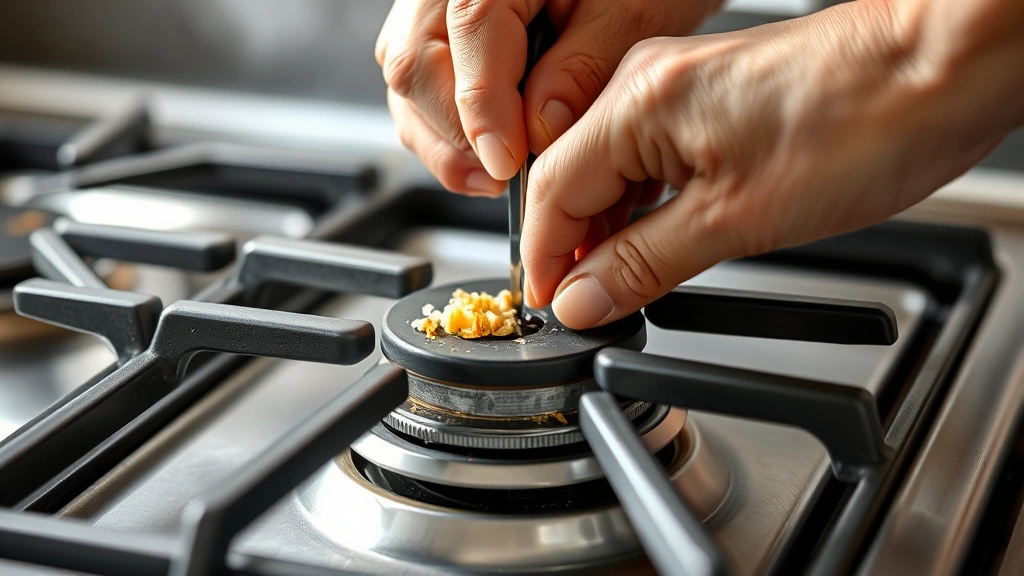
Regular maintenance ensures your small gas stove operates at peak efficiency throughout its lifespan. Clean burner ports monthly using a thin wire or specialized cleaner to remove food debris and mineral deposits. Blocked ports force gas to escape inefficiently, creating incomplete combustion and visible yellow or orange flames. This simple 10-minute maintenance task prevents efficiency degradation and extends your stove’s operational life significantly.
Grates and burner caps require periodic cleaning to remove accumulated food residue and grease. Soak removable components in warm soapy water, scrubbing gently with a soft brush. Avoid harsh chemicals that might damage protective finishes or burner seals. Clean stove surfaces weekly, wiping away spills immediately to prevent hardened buildup that becomes increasingly difficult to remove. This regular maintenance preserves your stove’s appearance and function while facilitating easier detection of potential problems.
Gas line connections deserve annual inspection by qualified professionals. Loose connections waste gas while potentially creating safety hazards. Professional servicing identifies gas leaks, tests ignition systems, and ensures proper combustion efficiency. This preventive maintenance, typically costing $100-200 annually, prevents expensive emergency repairs while guaranteeing safe, efficient operation. Many utility companies offer subsidized or free annual inspections—contact yours to learn about available programs.
The pilot light, if your stove features one, affects overall efficiency. Modern stoves increasingly use electronic ignition, eliminating the continuous pilot flame that wastes gas when the stove isn’t actively cooking. If your stove has a pilot light, ensure it burns with a steady blue flame. Yellow or flickering pilots indicate problems requiring professional adjustment. Consider upgrading to electronic ignition systems during major renovations, as this single change can reduce gas consumption by 5-10 percent annually.
Seal any gaps around your stove and surrounding cabinetry to prevent heat loss. Drafty kitchens force your heating system to work harder, indirectly increasing overall energy consumption. Weather stripping and caulking around stove installations create thermal barriers that maintain comfortable kitchen temperatures while reducing strain on your home’s climate control systems.
Comparing Gas Stoves with Alternative Cooking Methods
Understanding how your small gas stove compares to alternative cooking methods provides context for your sustainability choices. Induction cooktops, increasingly popular in eco-conscious households, convert electrical energy directly into magnetic heat within cookware, achieving efficiency rates of 80-90 percent. However, induction requires compatible ferrous metal cookware, limiting flexibility for cooks with extensive non-magnetic cookware collections.
Electric coil stoves, common in rental properties and older homes, achieve only 65-75 percent efficiency due to wasted heat radiating from coils. Electric smoothtop ranges improve slightly to 75-80 percent efficiency, yet still lag gas performance. Importantly, electric cooking efficiency depends entirely on your regional electrical grid’s energy sources. In areas relying heavily on renewable energy, electric cooking may prove more sustainable than gas. Conversely, regions dependent on coal-fired power plants make gas cooking relatively more eco-friendly.
The broader context of green technology innovations transforming our future includes hybrid cooking systems combining gas and induction elements. These versatile ranges offer gas cooking’s responsiveness with induction’s efficiency, though at premium price points. For most households, optimizing existing small gas stoves proves more practical than expensive appliance replacement.
Outdoor cooking methods like grills and fire pits consume substantially more fuel for equivalent cooking tasks compared to small gas stoves. While occasionally grilling provides valuable culinary experiences, regular reliance on outdoor cooking methods increases your cooking-related carbon footprint significantly. Reserve outdoor cooking for special occasions rather than routine meal preparation.
Microwave ovens, often overlooked in sustainability discussions, actually achieve remarkable efficiency for specific applications. Reheating leftovers or warming beverages in microwaves consumes 50-70 percent less energy than using stovetops. Incorporating microwave use strategically—reheating rather than stovetop warming, for instance—optimizes your overall kitchen energy profile without sacrificing convenience.
Integrating Your Gas Stove into Sustainable Living
Your small gas stove represents just one component within your broader household sustainability strategy. Comprehensive environmental consciousness extends beyond individual appliances to encompass purchasing decisions, food choices, and lifestyle patterns. Cooking with local, seasonal ingredients reduces transportation emissions embedded in your meals. Growing herbs or vegetables in kitchen gardens or windowsill planters provides fresh ingredients while eliminating food miles entirely.
Meal planning reduces food waste—one of the most impactful sustainability practices available to households. When you plan meals thoughtfully, purchasing only needed ingredients, you eliminate spoilage waste that represents both financial loss and environmental damage. Composting food scraps that inevitably occur creates nutrient-rich soil amendments for gardens, closing nutritional loops within your household ecosystem.
Water usage during cooking deserves equal consideration alongside energy efficiency. Using minimal water for cooking vegetables, reusing cooking water for plants, and washing dishes efficiently complements your gas stove optimization efforts. Collecting rainwater for cooking purposes further reduces municipal water consumption and associated treatment energy requirements.
Consider your stove’s eventual disposal when planning long-term sustainability. Quality small gas stoves, maintained properly, last 15-20 years or longer. This longevity means manufacturing impacts distribute across decades of use, improving the lifecycle carbon footprint compared to cheaper, shorter-lived alternatives. When eventual replacement becomes necessary, explore recycling options for old appliances—many municipalities and retailers offer appliance recycling programs that recover valuable materials while preventing landfill waste.
Sharing cooking knowledge with family and friends multiplies the impact of your sustainable practices. Teaching others about efficient small gas stove use, proper cookware selection, and energy-conscious cooking techniques creates ripple effects throughout your social network. Community cooking classes, social media sharing, and informal conversations all contribute to broader cultural shifts toward sustainable living practices.
Your commitment to optimizing a small gas stove reflects deeper values about resource stewardship and environmental responsibility. This practice aligns with comprehensive approaches to reducing your environmental footprint across all life domains. As you master efficient cooking practices, you develop transferable skills and mindsets applicable to energy conservation throughout your home and life.
Frequently Asked Questions
How often should I clean my small gas stove burners?
Clean burner ports monthly to maintain optimal flame quality and combustion efficiency. Remove and soak grates and burner caps weekly during regular kitchen cleaning. This preventive maintenance prevents buildup that compromises performance and efficiency.
What cookware material works best with gas stoves?
Stainless steel with copper bottoms, multi-ply construction, and cast iron cookware all perform excellently on gas stoves. Choose cookware with flat bottoms that match your burner size for maximum heat transfer efficiency. Avoid warped or curved-bottom cookware that creates insulating air gaps.
Can I use my small gas stove if the flame appears yellow?
While yellow flames don’t immediately prevent cooking, they indicate incomplete combustion and reduced efficiency. Yellow flames suggest burner port blockages requiring cleaning. Contact a professional if cleaning doesn’t restore blue flames, as this may indicate gas mixing problems requiring expert adjustment.
Is it more sustainable to use a small gas stove or electric cooktop?
This depends on your regional electrical grid composition. In areas with renewable energy predominance, electric cooking may prove more sustainable. In regions relying on fossil fuels, gas cooking typically produces fewer emissions. Small gas stoves offer superior efficiency compared to electric coils, though induction cooktops match or exceed gas efficiency.
How can I reduce gas consumption while cooking?
Use appropriately sized cookware matching your burner size, keep pots covered, match flame intensity to cooking tasks, and plan batch cooking to maximize heat utilization. Defrost food in refrigerators rather than stovetops, and use pressure cookers for faster cooking of certain dishes.
What’s the lifespan of a well-maintained small gas stove?
Quality small gas stoves typically last 15-20 years with proper maintenance. Regular cleaning, annual professional inspections, and prompt repair of issues extend operational life significantly. This longevity improves the appliance’s lifecycle carbon footprint compared to cheaper alternatives requiring earlier replacement.
Should I upgrade my small gas stove to an induction cooktop?
Upgrade decisions depend on your circumstances. If your stove operates inefficiently or requires frequent repairs, upgrading makes sense. If your current small gas stove functions well, optimizing its use proves more sustainable than replacement, which generates manufacturing waste and emissions. Consider upgrades primarily when current appliances reach end-of-life naturally.
Conclusion: Mastering eco-friendly cooking with your small gas stove transforms daily meal preparation into a sustainable practice. By understanding combustion efficiency, optimizing cookware selection, refining cooking techniques, and maintaining your appliance properly, you significantly reduce your kitchen’s environmental impact. These practical strategies, implemented consistently, contribute meaningfully to your household’s overall carbon footprint reduction. Your commitment to efficient gas stove use demonstrates that environmental consciousness and culinary excellence coexist harmoniously, proving that sustainability enhances rather than restricts the cooking experience.


